




Ashwagandha for Anxiety: What Does the Science Actually Say?
Key Takeaways
- Ashwagandha is one of the most clinically studied adaptogenic herbs for anxiety, with multiple randomised controlled trials supporting doses of 300–600mg daily of standardised root extract*
- It may help reduce cortisol levels by up to 30% and lower anxiety scores on validated clinical scales after 6–8 weeks of consistent use [1]*
- Look for KSM-66 or Sensoril extracts — these are the standardised forms used in the strongest research
- Ashwagandha is not a replacement for professional treatment of diagnosed anxiety disorders — it works best as part of a broader natural anxiety relief strategy that includes sleep, movement, and stress management
- Comprehensive formulas that combine multiple evidence-based calming compounds may offer advantages over single-ingredient supplements
Ashwagandha (Withania somnifera) is one of the most well-researched adaptogenic herbs for anxiety, with multiple clinical trials demonstrating that 300–600mg of standardised root extract daily may help reduce both subjective anxiety scores and serum cortisol levels.* A landmark 2012 study published in the Indian Journal of Psychological Medicine found significant reductions in stress assessment scores and a 28% average reduction in cortisol compared to placebo [1] — making ashwagandha for anxiety one of the more credible natural options available today.
But "credible" doesn't mean miracle cure. In this guide, we'll examine exactly what the clinical evidence shows, what doses actually work, who should be cautious, and how to integrate this ancient adaptogenic herb into a broader, evidence-based approach to managing everyday stress and anxious feelings.
What Is Ashwagandha and Why Is It Linked to Natural Anxiety Relief?
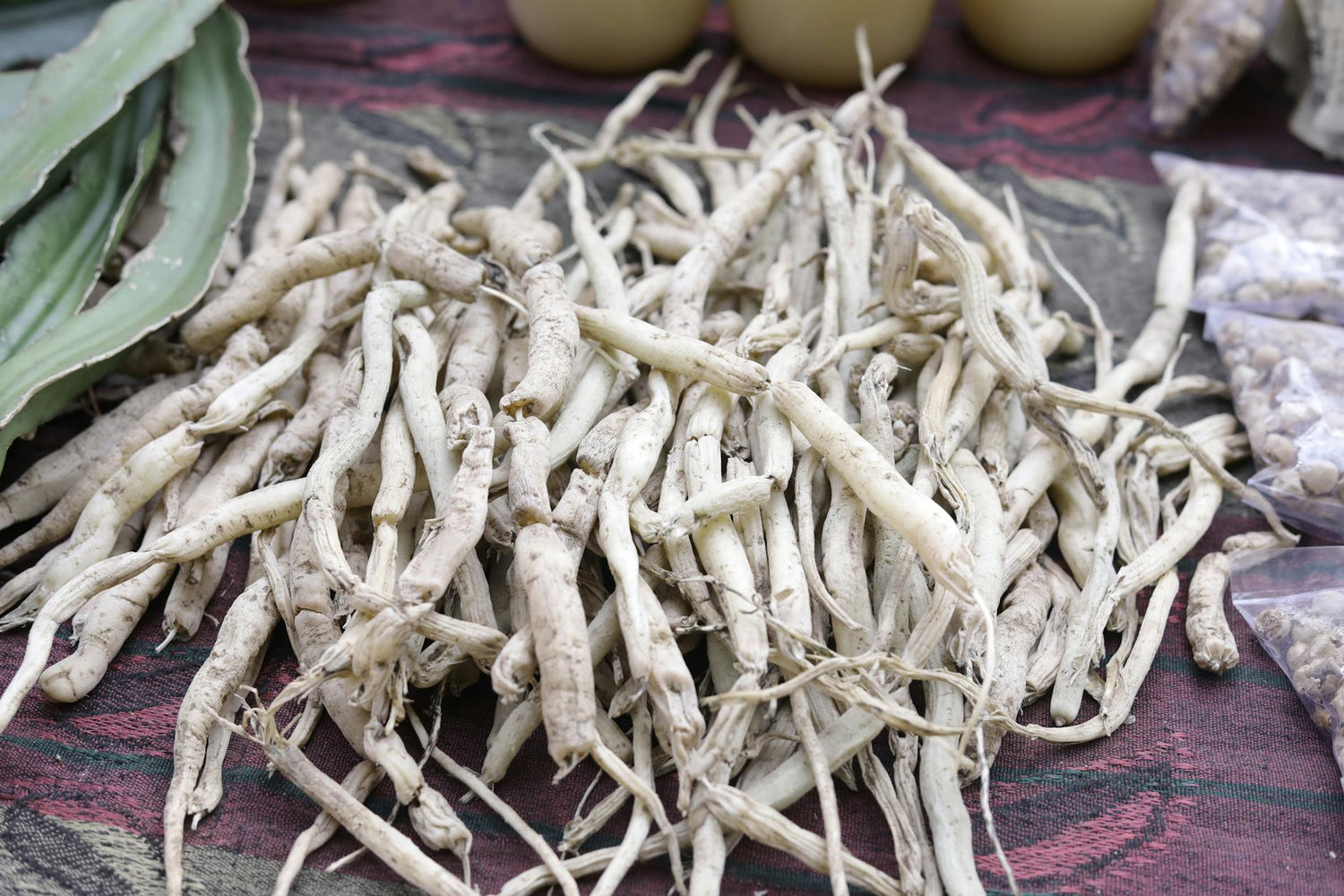
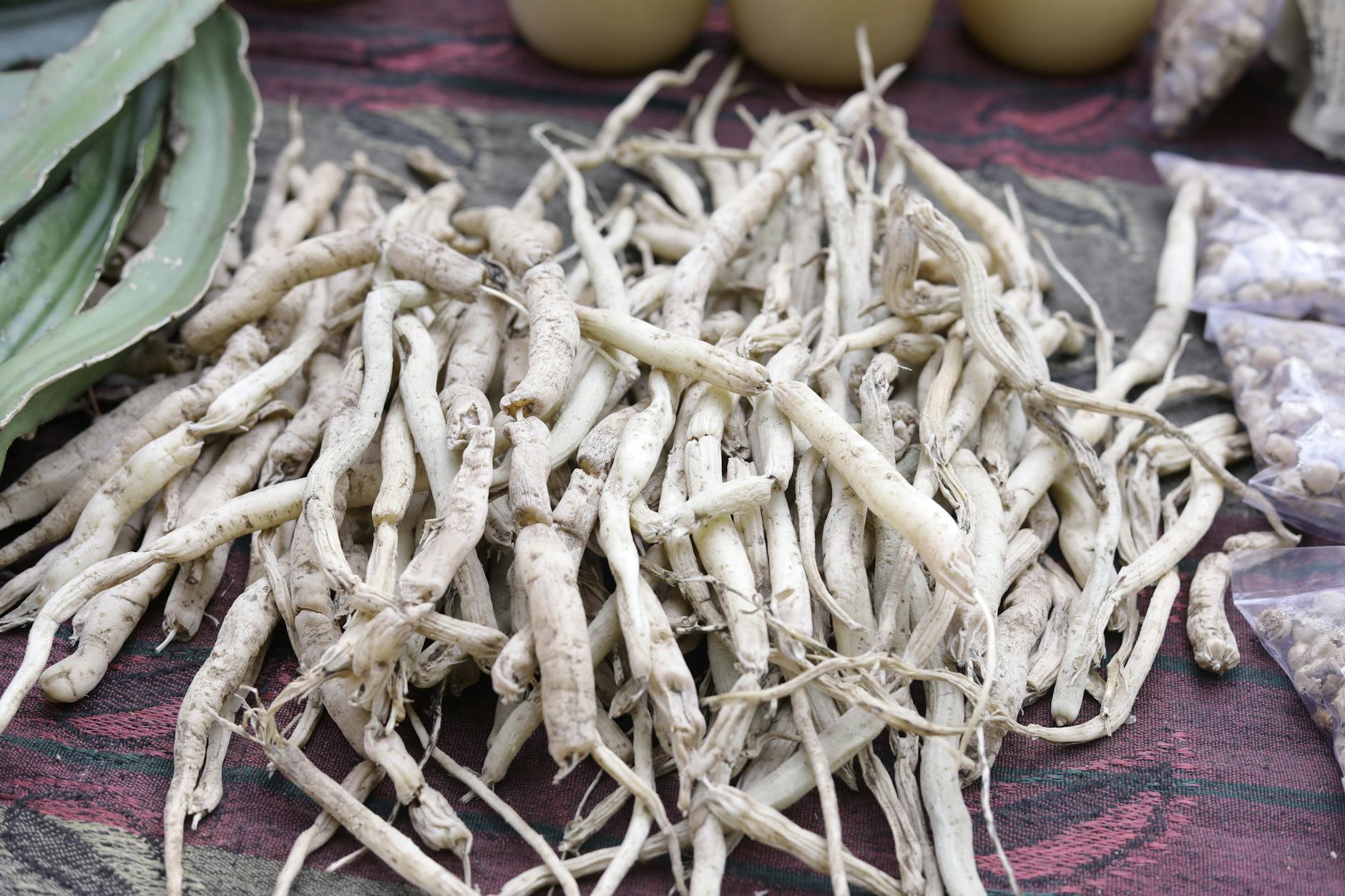
Ashwagandha is a root extract classified as an adaptogen — a category of herbs that help the body modulate its response to stress over time, rather than masking symptoms.* It has been used in Ayurvedic medicine for over 3,000 years, but its relevance to modern anxiety management comes down to specific, measurable biological mechanisms that researchers have identified in controlled studies.
The primary way ashwagandha may help with anxiety involves the hypothalamic-pituitary-adrenal (HPA) axis. In simple terms, the HPA axis is your body's central stress command system — it controls the release of cortisol (your primary stress hormone) and determines how intensely you react to perceived threats. When you're chronically stressed or anxious, this system can become stuck in "high alert" mode, leading to persistently elevated cortisol levels. Over time, this contributes to symptoms like racing thoughts, difficulty sleeping, irritability, and that constant feeling of being "on edge."
Ashwagandha's withanolides — the primary active compounds (a group of naturally occurring plant steroids) — appear to work through several complementary pathways:
- Modulating the HPA axis to help normalise cortisol production, essentially recalibrating your stress thermostat*
- Increasing GABA receptor activity — GABA is your brain's main "calming" neurotransmitter, and enhancing its signalling produces relaxing effects similar to (though milder than) prescription anti-anxiety medications [2]*
- Reducing C-reactive protein (CRP), a blood marker of systemic inflammation that emerging research increasingly links to mood disorders and heightened anxiety [3]*
This multi-pathway approach is what distinguishes adaptogenic herbs like ashwagandha from single-mechanism supplements. As researchers at the National Center for Complementary and Integrative Health (NCCIH) note, ashwagandha doesn't simply sedate — it may help your body respond to stress more effectively over time.*
What the Clinical Evidence Shows
Ashwagandha has stronger clinical evidence for anxiety and stress reduction than most herbal remedies for anxiety. Here's what the key studies have found — and where the evidence has clear limits.
The Cortisol Connection
The study most frequently cited in ashwagandha anxiety research is Chandrasekhar et al. (2012), a double-blind, randomised, placebo-controlled trial — the gold standard for supplement research [1]. Sixty-four adults with a history of chronic stress received either 300mg of high-concentration ashwagandha root extract (KSM-66) twice daily or a placebo for 60 days.
The results were notable: the ashwagandha group showed a 28% average reduction in serum cortisol compared to a 7.9% reduction in the placebo group.* Stress assessment scores (measured using the Perceived Stress Scale) also dropped significantly.* This study stands out because it measured both subjective experience and an objective biomarker (cortisol), strengthening the credibility of the findings.
Anxiety-Specific Outcomes
A 2019 randomised controlled trial by Salve et al., published in Cureus, gave 58 participants either 250mg or 600mg of ashwagandha extract daily for 8 weeks [4]. Both doses produced significant reductions in anxiety scores (measured using the Hamilton Anxiety Rating Scale, or HAM-A) and cortisol levels compared to placebo.* The higher dose showed greater reductions in cortisol, though both groups improved meaningfully.*
A systematic review and meta-analysis published in the Journal of Evidence-Based Integrative Medicine (Pratte et al., 2014) examined five randomised controlled trials and concluded that ashwagandha supplementation was associated with significantly greater reductions in anxiety and stress scores compared to placebo across all included studies [5].* The authors noted that while effect sizes were moderate, they were consistent — a hallmark of a genuine rather than spurious effect.
What the Evidence Doesn't Show
Honest evaluation of ashwagandha's limitations matters as much as highlighting its strengths. Most studies have been relatively small (typically 50–100 participants), and longer-term safety data beyond 8–12 weeks remains limited. The research strongly suggests a real effect for everyday stress and mild-to-moderate anxious feelings, but ashwagandha is not a treatment for clinical anxiety disorders such as generalised anxiety disorder (GAD) or panic disorder. If you have a diagnosed condition, your GP should remain your primary resource.
| Study Parameter | Typical Findings |
|---|---|
| Daily dose | 300–600mg (standardised extract) |
| Duration to measurable effect | 6–8 weeks |
| Cortisol reduction | Up to 28% vs placebo [1]* |
| Anxiety score improvement | Moderate, consistent reduction vs placebo [4][5]* |
| Extract types studied | KSM-66, Sensoril |
| Common side effects | Mild digestive discomfort (rare) |
How Ashwagandha Dosage Affects Anxiety Outcomes
The right dose is the single most important factor in whether an ashwagandha supplement actually works for anxiety. Clinical evidence points specifically to 300–600mg daily of a standardised root extract — not raw powder, not leaf extract, and not micro-dosed formulas that provide only a fraction of the studied amount.
Why Extract Standardisation Matters
The two most clinically validated extracts are KSM-66 (standardised to at least 5% withanolides) and Sensoril (standardised to at least 10% withanolides from root and leaf). Studies using unstandardised powders or low-potency extracts have shown inconsistent results. When choosing an ashwagandha supplement for anxiety, the extract type and withanolide concentration matter far more than the brand name on the label.
"If the label doesn't specify the extract type and withanolide percentage, you simply don't know what you're getting" — this is the practical rule of thumb that separates effective ashwagandha supplementation from expensive placebo.
Timing and Consistency
Ashwagandha is not a fast-acting anxiolytic (an anti-anxiety agent that works immediately). Unlike pharmaceutical options that alter brain chemistry within hours, adaptogenic herbs work by gradually retraining the stress response system over weeks. This means:
- Consistency is essential — daily use for at least 6–8 weeks before evaluating effectiveness
- Morning or split dosing is most common, though evening dosing may suit those whose anxiety disrupts sleep
- Cycling (taking breaks every 8–12 weeks) is sometimes recommended by practitioners, though research hasn't conclusively established whether this is necessary
How Ashwagandha Compares to Other Natural Anxiety Relief Options
Ashwagandha is arguably the best-studied adaptogenic herb for anxiety, but it's not the only evidence-based option. Understanding how it compares helps you make an informed choice — or decide whether a combination approach might work best.
- L-Theanine — an amino acid found naturally in green tea — may help promote relaxation without drowsiness by increasing alpha brain wave activity.* Unlike ashwagandha, it can produce noticeable calming effects within 30–60 minutes, making it useful for acute stress moments [6].*
- Rhodiola rosea — another well-researched adaptogen — appears to support mental energy and resilience under stress, though with less direct evidence for anxiety reduction specifically than ashwagandha.*
- Valerian root and passion flower — traditional calming herbs with moderate clinical evidence for sleep support and mild anxiousness.* They tend to be more sedating than ashwagandha, making them better suited to evening use.
- Magnesium — a mineral cofactor involved in over 300 enzymatic processes, including neurotransmitter regulation. Deficiency is common and independently associated with increased anxiety symptoms, according to research published in Nutrients [7].*
The most effective natural anxiety relief strategies often combine multiple compounds that work through different pathways — pairing an adaptogen like ashwagandha with a fast-acting calming agent like L-theanine, for instance, addresses both long-term stress resilience and in-the-moment calm.*
Other Factors That Influence How Well Ashwagandha Works for Anxiety
No supplement operates in isolation. Several lifestyle and physiological factors can dramatically influence how effectively ashwagandha may support anxiety management.*
Sleep Quality
Poor sleep and anxiety form a vicious cycle — anxious thoughts disrupt sleep, and sleep deprivation increases anxiety. A 2020 meta-analysis published in PLOS ONE found that ashwagandha supplementation significantly improved sleep quality in addition to reducing anxiety scores, particularly in people who reported high baseline stress [8].* However, pairing it with good sleep hygiene (consistent bedtime, limited screens, cooler room temperature) significantly improves outcomes.
For those whose anxiety is primarily sleep-related, a dedicated calming formula like Noobru Lucid — which combines multiple calming compounds including valerian, passion flower, and L-theanine — may provide more targeted support.*
Chronic Stress Load
If your stress response system has been in overdrive for months or years due to workplace pressure, caregiving demands, or financial stress, ashwagandha alone may not be sufficient. Adaptogenic support works best as part of a broader stress-management strategy that includes movement, social connection, and — where appropriate — professional support such as cognitive behavioural therapy (CBT).
Nutrient Status
Deficiencies in magnesium, B vitamins, and zinc can all exacerbate anxiety symptoms independently.* The NHS guidance on vitamins and minerals highlights how common these shortfalls are in typical UK diets. Ensuring adequate intake of these cofactors may enhance ashwagandha's effectiveness.* This is one advantage of comprehensive formulas over single-ingredient supplements — they address multiple nutritional contributors simultaneously.
Gut Health and the Gut-Brain Axis
The gut-brain axis — the bidirectional communication network between your digestive system and your brain — is increasingly recognised as a significant factor in anxiety. Research published in General Psychiatry found that interventions targeting gut health may help reduce anxiety symptoms [9].* Ashwagandha's mild anti-inflammatory properties may offer some indirect support here, but this is an area where the science is still developing.*
Building a Practical Anxiety-Management Strategy
The most effective approach to everyday anxiety combines targeted supplementation with evidence-based lifestyle habits. Here's a practical framework based on the current research:
- Start with 300mg daily of a standardised ashwagandha extract (KSM-66 or Sensoril) and increase to 600mg after 2 weeks if well-tolerated
- Commit to at least 8 weeks before assessing whether it's helping — adaptogenic herbs need this window to produce their full effects
- Address sleep quality simultaneously — poor sleep undermines any adaptogenic support and perpetuates the anxiety cycle
- Combine with evidence-based lifestyle practices: regular movement (even 20-minute walks reduce cortisol measurably), time in nature, and structured wind-down routines
- Consider complementary calming compounds — L-theanine for acute moments, magnesium for nervous system support, valerian for evening calm*
- Track your symptoms — use a simple journal or app to note anxiety levels weekly, so you have objective data rather than relying on memory
- Consult your GP if anxiety is significantly impacting your daily functioning, relationships, or work performance
How Noobru Products May Help Support Anxiety and Stress
If you're looking for a convenient, evidence-informed approach to daily stress and anxiety support, Noobru offers drinkable formulas designed with clinically studied doses — not the "fairy dusting" of token ingredients that plagues much of the supplement industry.
For daytime stress resilience and mental clarity, Noobru Pro combines adaptogens and nootropic compounds for sustained energy and mood stability without the crash of caffeine-heavy alternatives. It's designed specifically for adults dealing with chronic stress and burnout — helping support focus and calm under pressure.*
For evening anxiety and sleep disruption, Noobru Lucid brings together calming compounds including L-theanine and valerian to help reduce nighttime stress and support restorative sleep without next-day grogginess.* It's a particularly good option if your anxiety peaks in the evening or disrupts your ability to switch off.
Every Noobru product lists full ingredient doses transparently — no proprietary blends — and comes in a convenient drinkable format designed for efficient absorption. Explore the full Noobru range to find the right formula for your needs.

Frequently Asked Questions
How long does ashwagandha take to work for anxiety?
Most clinical studies show measurable reductions in anxiety scores after 6 to 8 weeks of consistent daily use at 300–600mg [1][4]. Some people report noticing subtle improvements in stress resilience within the first 2 to 4 weeks, but the full adaptogenic effects require sustained supplementation.
What is the best ashwagandha dosage for anxiety?
Clinical trials showing anxiety reduction have typically used 300–600mg daily of a standardised root extract such as KSM-66 or Sensoril [4][5]. Splitting the dose into two servings (morning and evening) may help maintain steady levels throughout the day, though single daily doses have also shown effectiveness.
Can you take ashwagandha alongside other supplements?
Ashwagandha is generally well-tolerated alongside other supplements like L-theanine, rhodiola rosea, and magnesium. However, it may interact with thyroid medications, immunosuppressants, and sedatives. Always consult your healthcare provider before combining supplements, especially if you take prescription medication.
Are there side effects of ashwagandha for anxiety?
Ashwagandha is considered safe for most adults at recommended doses. Reported side effects are generally mild and include digestive discomfort, drowsiness, and headache. It is not recommended during pregnancy, and people with autoimmune conditions or thyroid disorders should consult a doctor before use.
Is ashwagandha better than prescription medication for anxiety?
Ashwagandha is not a replacement for prescribed anxiety medication. While clinical evidence suggests it may help reduce anxiety symptoms and cortisol levels [1], it works through different mechanisms and produces milder effects than pharmaceutical options. If you have a diagnosed anxiety disorder, speak with your GP before making any changes to your treatment.
What are adaptogenic herbs and how do they differ from sedatives?
Adaptogenic herbs — including ashwagandha, rhodiola, and holy basil — help the body modulate its stress response over time rather than producing immediate sedation. They work by supporting the balance of stress hormones like cortisol, which is why they typically require weeks of consistent use to show results. Sedatives, by contrast, suppress nervous system activity directly and often work within minutes to hours.
Ready to take a science-backed approach to stress and anxiety management? Noobru's drinkable supplement range features clinically studied ingredients at full, transparent doses — with a 90-day money-back guarantee so you can try with confidence.
Explore the Noobru range risk-free →References
- Chandrasekhar, K., Kapoor, J., & Anishetty, S. (2012). A prospective, randomized double-blind, placebo-controlled study of safety and efficacy of a high-concentration full-spectrum extract of ashwagandha root in reducing stress and anxiety in adults. Indian Journal of Psychological Medicine, 34(3), 255–262. PubMed
- Candelario, M., et al. (2015). Direct evidence for GABAergic activity of Withania somnifera on mammalian ionotropic GABAA and GABAρ receptors. Journal of Ethnopharmacology, 171, 264–272. PubMed
- Lopresti, A. L., Smith, S. J., Malvi, H., & Kodgule, R. (2019). An investigation into the stress-relieving and pharmacological actions of an ashwagandha extract: A randomized, double-blind, placebo-controlled study. Medicine, 98(37), e17186. PubMed
- Salve, J., Pate, S., Debnath, K., & Langade, D. (2019). Adaptogenic and anxiolytic effects of ashwagandha root extract in healthy adults: A double-blind, randomized, placebo-controlled clinical study. Cureus, 11(12), e6466. PubMed
- Pratte, M. A., Nanavati, K. B., Young, V., & Morley, C. P. (2014). An alternative treatment for anxiety: A systematic review of human trial results reported for the Ayurvedic herb ashwagandha. Journal of Alternative and Complementary Medicine, 20(12), 901–908. PubMed
- Hidese, S., et al. (2019). Effects of L-theanine administration on stress-related symptoms and cognitive functions in healthy adults: A randomized controlled trial. Nutrients, 11(10), 2362. PubMed
- Boyle, N. B., Lawton, C., & Dye, L. (2017). The effects of magnesium supplementation on subjective anxiety and stress: A systematic review. Nutrients, 9(5), 429. PubMed
- Cheah, K. L., et al. (2021). Effect of ashwagandha (Withania somnifera) extract on sleep: A systematic review and meta-analysis. PLOS ONE, 16(9), e0257843. PubMed
- Yang, B., et al. (2019). Effects of regulating intestinal microbiota on anxiety symptoms: A systematic review. General Psychiatry, 32(2), e100056. PubMed
*These statements have not been evaluated by the Food and Drug Administration or MHRA. This product is not intended to diagnose, treat, cure, or prevent any disease. Always consult your healthcare provider before starting any supplement regimen.


Leave a comment
All comments are moderated before being published.
This site is protected by hCaptcha and the hCaptcha Privacy Policy and Terms of Service apply.