




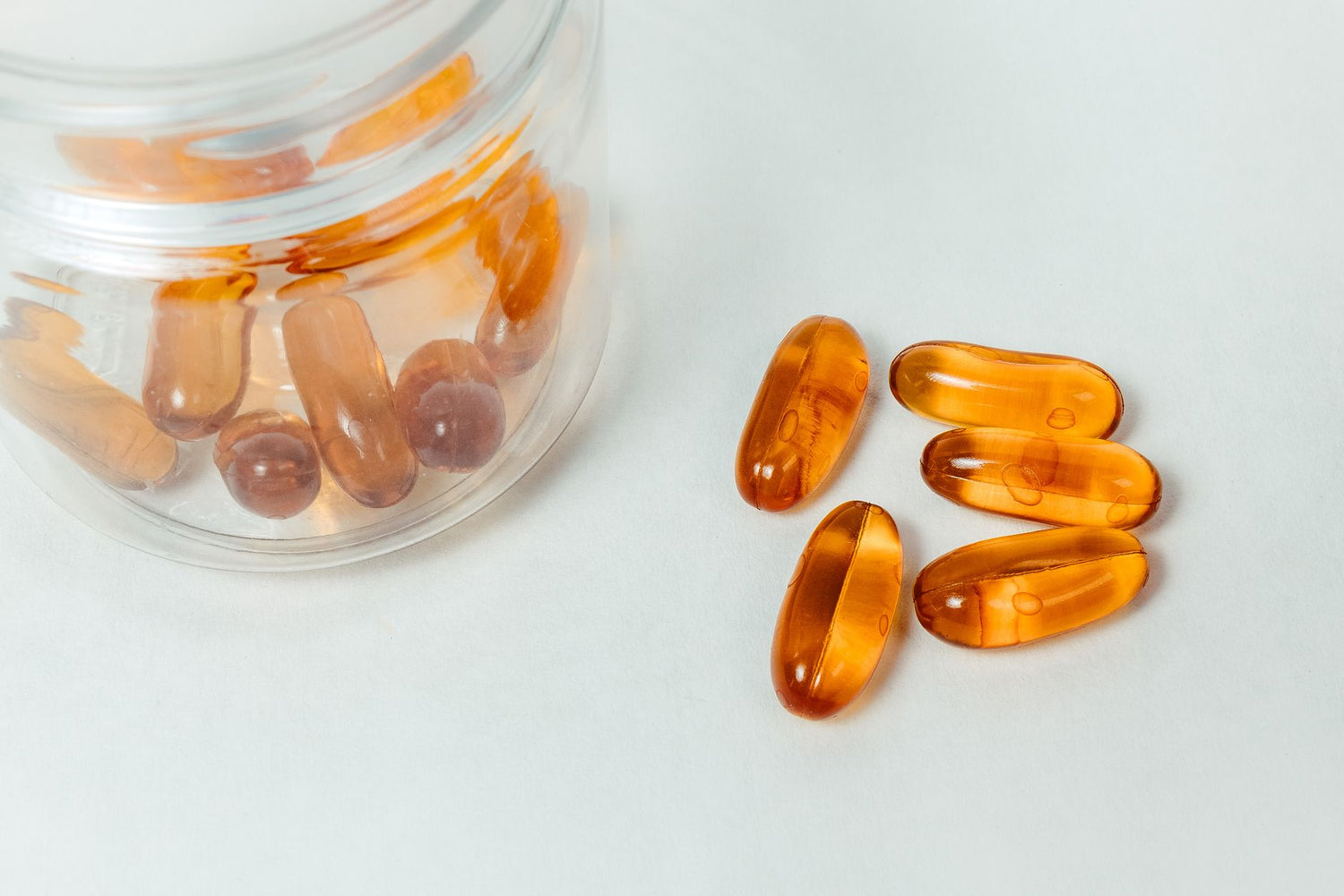
Phosphatidylserine Supplement: How to Improve Focus and Concentration Naturally
If you've been searching for a phosphatidylserine supplement to sharpen your thinking, you're on the right track — but supplementation works best alongside the right daily habits. A 2023 survey by the Centre for Attention Studies at King's College London found that 49% of adults feel their attention span has shortened in recent years [1]. This guide covers both: the science behind phosphatidylserine and proven natural strategies to help you improve focus and concentration without relying on endless cups of coffee or prescription stimulants.
Whether you deal with afternoon brain fog, scattered thinking during work, or difficulty staying present, you'll find actionable, evidence-based advice below — from nutrient deep-dives to a ready-to-use daily focus routine.
What Is Phosphatidylserine and Why Does It Matter for Focus?
Phosphatidylserine (PS) is a phospholipid — a type of fat molecule — that makes up roughly 15% of the brain's total phospholipid pool. It sits within the membranes of every brain cell, where it helps regulate cell-to-cell signalling, neurotransmitter release, and the clearance of damaged cells.
Think of cell membranes as gatekeepers: they control what enters and exits each neuron. When membranes become rigid — through ageing, stress, or poor nutrition — signals slow down. Phosphatidylserine helps maintain membrane fluidity (how flexible and responsive those gatekeepers remain), which is why researchers have linked it to cognitive performance.*
What Does the Research Say About Phosphatidylserine Supplements?
A phosphatidylserine supplement may help support memory, attention, and processing speed.* The most robust evidence comes from these key findings:
- Memory and attention: A double-blind, placebo-controlled study published in Nutritional Neuroscience found that participants taking 100mg of phosphatidylserine daily for six months showed significant improvements in memory recall and attention compared to placebo [2].*
- Stress-related cognitive decline: Research in the Journal of the International Society of Sports Nutrition demonstrated that phosphatidylserine supplementation (at 400mg/day) helped blunt cortisol spikes during mental stress, potentially preserving focus under pressure [3].*
- Age-related support: A meta-review of PS trials concluded that daily supplementation in the range of 100–300mg may help support cognitive function in older adults experiencing normal age-related decline.*
Quotable takeaway: "Phosphatidylserine is one of the few single nutrients with multiple controlled trials linking it to measurable improvements in attention and memory."*
Phosphatidylserine Dosage: How Much Should You Take?
Most clinical studies use between 100mg and 300mg of phosphatidylserine per day, typically divided into one or two doses taken with food (fat improves absorption). Benefits usually emerge after 2–4 weeks of consistent use.*
Noobru's nootropic formula includes phosphatidylserine at a researched dose alongside complementary ingredients like L-theanine and B vitamins — designed to be mixed into water as part of your morning routine.*
Why Is It So Hard to Focus? The Science of Attention
Focus depends on a network of brain regions working in concert with key chemical messengers. The prefrontal cortex — the area behind your forehead responsible for planning, decision-making, and impulse control — acts as your brain's "focus command centre." It relies on neurotransmitters (chemical signals) like dopamine and norepinephrine to sustain attention.
When this system is disrupted by stress, poor sleep, or nutritional gaps, concentration suffers. The average person switches between tasks every 3 minutes and 5 seconds during a typical workday, according to research from the University of California, Irvine [4]. Each switch costs roughly 23 minutes of refocusing time.
Understanding these biological and environmental factors is the first step. The strategies below target each one directly.
7 Evidence-Based Ways to Boost Concentration Daily
1. Prioritise Sleep Quality Over Everything
Sleep is the single most powerful focus enhancer available to you — no supplement can replace it. During deep sleep, your brain activates the glymphatic system (a waste-clearance network that flushes out toxins between brain cells) and consolidates memory pathways.
Research published in Nature Reviews Neuroscience shows that just one night of poor sleep reduces prefrontal cortex activity by up to 60% — directly impairing the region responsible for sustained attention [5].
- Target 7–9 hours per night consistently, not just on weekends.
- Keep a fixed wake time — this anchors your circadian rhythm more effectively than a fixed bedtime.
- Avoid screens for 60 minutes before bed. Blue light suppresses melatonin production by up to 50%.
2. Move Your Body for 20 Minutes
Exercise is a natural nootropic — one brisk walk can sharpen your thinking for hours. A single 20-minute session of moderate aerobic activity increases levels of BDNF (brain-derived neurotrophic factor), a protein that strengthens the neural connections involved in learning and attention.
A meta-analysis in the British Journal of Sports Medicine found that acute exercise improved concentration and mental processing speed for up to two hours post-workout [6]. You don't need a gym — a brisk walk counts.
3. Use Strategic Caffeine Timing
It's not how much caffeine you drink — it's when you drink it. Caffeine blocks adenosine receptors, temporarily reducing feelings of fatigue. But timing determines whether it helps or harms your overall focus.
- Wait 90 minutes after waking to have your first coffee. This allows your natural cortisol peak to clear adenosine first.
- Cap intake at 400mg daily (roughly 4 cups of coffee) and avoid caffeine after 2pm to protect sleep quality.
- Pair with L-theanine for smoother focus without jitters — a combination well-studied in cognitive research.*
4. Eat for Your Brain
Your brain consumes roughly 20% of your daily energy despite being only 2% of your body weight. What you eat directly shapes how well you think.
Focus-supporting nutrients include:
- Omega-3 fatty acids (oily fish, walnuts) — structural components of brain cell membranes that work synergistically with phosphatidylserine.*
- Phosphatidylserine — found in organ meats and soy lecithin, though dietary intake averages just 130mg/day, well below the doses used in clinical trials. This is one reason a phosphatidylserine supplement can be a practical choice.*
- B vitamins (B6, B9, B12) — essential for neurotransmitter synthesis (the process of building chemical messengers like serotonin and dopamine) and energy metabolism in the brain.*
- Blueberries and dark leafy greens — rich in flavonoids linked to improved cognitive performance.
If your diet has gaps, a targeted nootropic supplement can help bridge them. Noobru's nootropic range combines several of these key nutrients — including phosphatidylserine, choline, and B vitamins — in a convenient daily drinkable format.*
5. Try Time-Blocking, Not Multitasking
Multitasking is a productivity myth — your brain can only truly focus on one task at a time. What feels like multitasking is actually "task-switching," and each switch degrades performance. A Stanford University study found that heavy multitaskers performed worse on attention tests than people who focused on one thing at a time [7].
- Work in focused blocks of 25–50 minutes (the Pomodoro Technique is a popular framework).
- Take a 5–10 minute break between blocks — walk, stretch, or look out of a window.
- Batch similar tasks together (emails, calls, creative work) to reduce switching costs.
6. Manage Stress Before It Manages You
Chronic stress floods the brain with cortisol, which directly impairs the prefrontal cortex and shrinks the hippocampus (your brain's memory centre) over time. In short: stress literally makes it harder to concentrate — and it's one reason phosphatidylserine's cortisol-moderating properties have attracted research interest.*
Proven stress-management techniques for better focus:
- Box breathing (inhale 4 seconds, hold 4, exhale 4, hold 4) — activates the parasympathetic nervous system (your "rest and digest" mode) within minutes.
- 10 minutes of daily meditation — an 8-week mindfulness programme at Harvard increased grey matter density in attention-related brain areas [8].
- Nature exposure — even 20 minutes in a green space measurably restores directed attention.
7. Stay Hydrated (Seriously)
Dehydration of just 1–2% of body weight impairs working memory, attention, and mood. Most people don't realise they're mildly dehydrated throughout the day.
Aim for 1.5–2 litres of water daily as a baseline. Adding a Noobru sachet to your water is one way to combine hydration with brain-supporting nutrients — including phosphatidylserine — in a single daily habit.*
Nootropic Ingredients That May Help Support Focus
Nootropics are substances that may help support cognitive function, including focus, memory, and mental clarity.* Phosphatidylserine is one of the most studied, but it works even better alongside complementary nutrients. Here are the ingredients with the strongest research backing:
| Ingredient | How It May Help* | Typical Effective Dose |
|---|---|---|
| Phosphatidylserine | Helps support memory, attention, and cortisol balance by maintaining brain cell membrane fluidity* | 100–300mg |
| L-Theanine | Promotes calm alertness by increasing alpha brain waves (the electrical pattern linked to relaxed focus)* | 100–200mg |
| Vitamin B12 | Supports energy metabolism and neurotransmitter production* | 2.4–250mcg |
| Choline | Precursor to acetylcholine — the brain's primary neurotransmitter for learning and memory* | 250–500mg |
| Ginkgo Biloba | May help support cerebral blood flow and oxygen delivery to the brain* | 120–240mg |
Noobru's drinkable nootropic formula includes several of these ingredients at researched doses, designed for daily use as part of a focus-friendly routine.*
A Simple Daily Focus Routine (Example)
Knowing what to do is one thing — putting it into a realistic daily schedule is what creates results. Here's a practical template:
- Morning (7:00am): Wake at a consistent time. Hydrate with water immediately.
- Morning (7:30am): 20-minute walk or light exercise outdoors.
- Morning (8:30am): First coffee paired with L-theanine. Mix a Noobru sachet into water for your daily phosphatidylserine and brain-supporting nutrients.*
- Work block (9:00am–12:00pm): Three 50-minute focus blocks with 10-minute breaks. Tackle your most cognitively demanding tasks first.
- Lunch (12:30pm): Nutrient-dense meal with protein, healthy fats, and leafy greens.
- Afternoon (2:00pm): Last caffeine cut-off. Switch to water or herbal tea.
- Evening (9:00pm): Screens off. Box breathing or light reading before bed.
You don't need to adopt everything at once. Pick two or three habits from this guide, practise them consistently for two weeks, then layer on more.
Key Takeaways
- A phosphatidylserine supplement may help support memory, attention, and stress resilience — backed by multiple controlled trials at doses of 100–300mg/day.*
- Sleep is non-negotiable — one bad night can cut prefrontal cortex function by up to 60%.
- Exercise is the most underused focus tool — 20 minutes of movement sharpens attention for hours.
- Your diet fuels your brain directly — prioritise omega-3s, B vitamins, and phosphatidylserine.*
- Stop multitasking — time-blocking outperforms task-switching every time.
- Targeted nootropic nutrients like phosphatidylserine, L-theanine, and choline may help fill nutritional gaps that affect concentration.*
- Consistency beats intensity — small daily habits compound into dramatically better focus over weeks.
Frequently Asked Questions
What is phosphatidylserine and why is it used as a supplement?
Phosphatidylserine is a phospholipid that forms a key structural component of brain cell membranes. As a supplement, it is used because clinical trials suggest it may help support memory, attention, and cognitive processing speed — particularly when dietary intake is insufficient.* Average dietary intake is around 130mg/day, often below the 100–300mg range used in research.
What is the best natural way to improve focus?
The most effective natural approach combines regular physical exercise, quality sleep of 7–9 hours per night, a nutrient-rich diet, and targeted supplementation with ingredients like phosphatidylserine and L-theanine. Studies show that even 20 minutes of moderate exercise can improve attention for up to two hours afterwards.*
How much phosphatidylserine should I take daily?
Most clinical studies use doses of 100–300mg per day, taken with food to improve absorption. Benefits are typically observed after 2–4 weeks of consistent daily use. Always check the label and consult your healthcare provider before starting any new supplement.*
Do nootropic supplements actually help with concentration?
Certain nootropic ingredients have clinical evidence supporting their role in cognitive function. Phosphatidylserine, L-theanine, and B vitamins have all been studied for their potential to help support focus and mental clarity. Results vary by individual and depend on factors like baseline nutrition and sleep quality.*
How long does it take to notice improved focus from lifestyle changes?
Most people notice improvements in attention and mental clarity within 1–2 weeks of consistent sleep, exercise, and dietary changes. Nootropic nutrients like phosphatidylserine may take 2–4 weeks of daily use before benefits become noticeable.*
What causes poor focus and brain fog?
Common causes include sleep deprivation, chronic stress, dehydration, poor nutrition, and a sedentary lifestyle. Underlying medical conditions can also be a factor, so persistent brain fog warrants a conversation with your GP.
References
- King's College London, Centre for Attention Studies. "Attention Span Survey 2023." kcl.ac.uk
- Kato-Kataoka, A. et al. "Soybean-Derived Phosphatidylserine Improves Memory Function of the Elderly Japanese Subjects with Memory Complaints." Journal of Clinical Biochemistry and Nutrition, 2010. pubmed.ncbi.nlm.nih.gov
- Starks, M.A. et al. "The Effects of Phosphatidylserine on Endocrine Response to Moderate Intensity Exercise." Journal of the International Society of Sports Nutrition, 2008. pubmed.ncbi.nlm.nih.gov
- Mark, G., Gudith, D., & Klocke, U. "The Cost of Interrupted Work." University of California, Irvine. ics.uci.edu
- Krause, A.J. et al. "The Sleep-Deprived Human Brain." Nature Reviews Neuroscience, 2017. nature.com
- Chang, Y.K. et al. "The Effects of Acute Exercise on Cognitive Performance: A Meta-Analysis." Brain Research, 2012. pubmed.ncbi.nlm.nih.gov
- Ophir, E., Nass, C., & Wagner, A.D. "Cognitive Control in Media Multitaskers." Proceedings of the National Academy of Sciences, 2009. pnas.org
- Hölzel, B.K. et al. "Mindfulness Practice Leads to Increases in Regional Brain Gray Matter Density." Psychiatry Research: Neuroimaging, 2011. pubmed.ncbi.nlm.nih.gov
Ready to support your focus naturally? Explore Noobru's nootropic supplements — formulated with researched doses of phosphatidylserine, L-theanine, choline, and B vitamins to help you stay sharp throughout the day.* For more brain health tips, visit the Noobru blog.
*These statements have not been evaluated by the Food and Drug Administration or MHRA. This product is not intended to diagnose, treat, cure, or prevent any disease. Always consult your healthcare provider before starting any supplement regimen.


Leave a comment
All comments are moderated before being published.
This site is protected by hCaptcha and the hCaptcha Privacy Policy and Terms of Service apply.