




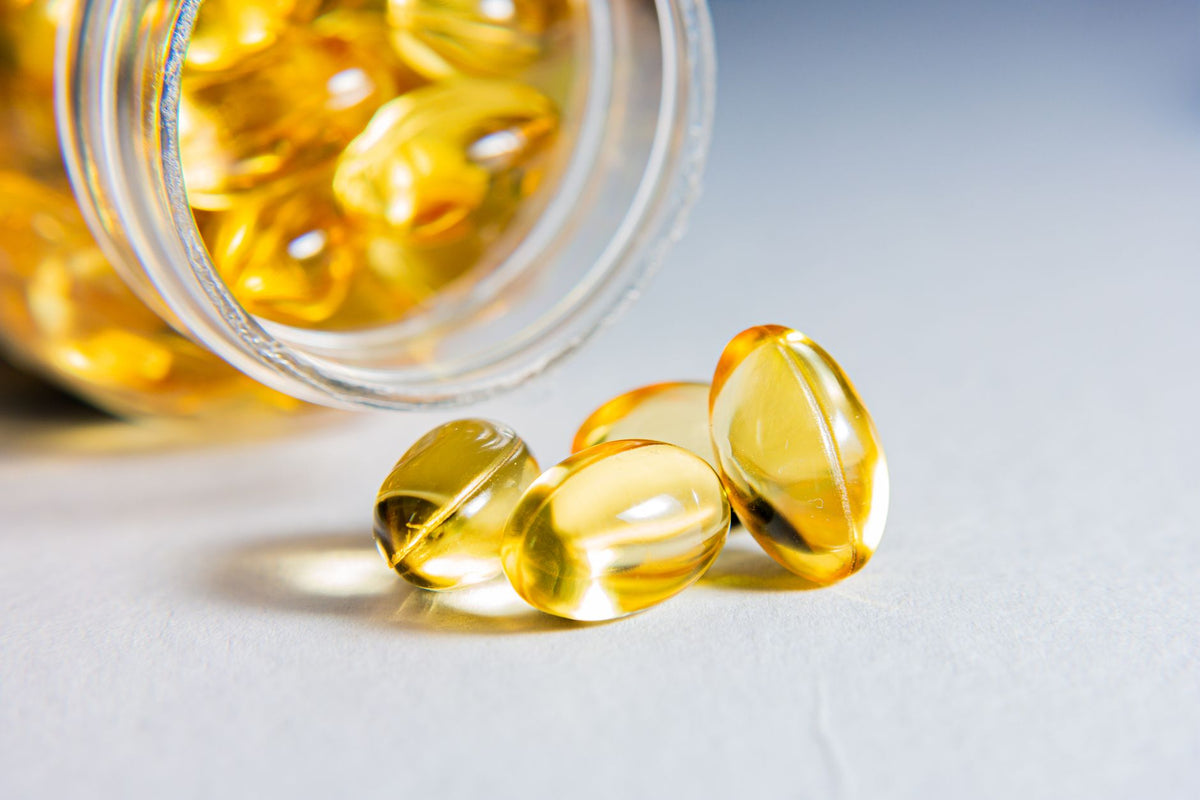
Algae Oil Supplement: What the Clinical Evidence Actually Says About Plant-Based Omega-3 in 2026
An algae oil supplement delivers the same long-chain omega-3 fatty acids — DHA and, increasingly, EPA — found in fish oil, but sourced directly from the microalgae that fish eat in the first place. Most comparison guides list "vegan-friendly" and "sustainable" as selling points, then stop there. This article goes further: we evaluate algae oil against fish oil across three clinically measurable axes — bioavailability in triglyceride form, oxidative stability, and contaminant burden — drawing on trial data published since 2018.
Whether you're vegan, pregnant, concerned about ocean sustainability, or simply tired of fish burps, algae-derived omega-3 is a credible alternative in 2026. But dose, molecular form, and absorption context all determine whether you'll actually benefit.
Why Your Body Needs Preformed DHA and EPA
Omega-3 fatty acids are essential polyunsaturated fats your body cannot synthesise. The three main types are ALA (alpha-linolenic acid, found in flaxseed and walnuts), EPA (eicosapentaenoic acid), and DHA (docosahexaenoic acid).
Here's the problem: your body converts less than 5–10% of dietary ALA into EPA, and even less into DHA [1]. That conversion bottleneck is why direct, preformed sources of EPA and DHA matter so much.
Fish oil has dominated the supplement market for decades. Algae oil sidesteps the middleman entirely — providing bioavailable, preformed DHA (and now EPA) extracted from cultured microalgae strains like Schizochytrium sp. and Nannochloropsis.
Algae Oil vs Fish Oil: Three Axes That Actually Matter
1. Bioavailability and Absorption — Does Your Body Use It the Same Way?
Yes, when doses and molecular forms are matched. A 2014 randomised trial in the Journal of the American Heart Association found that algae-derived DHA raised blood omega-3 index levels equivalently to cooked salmon providing the same DHA dose [2].
A 2019 crossover study confirmed that triglyceride-form algae oil DHA had comparable bioavailability to triglyceride-form fish oil DHA in healthy adults [3].
The critical variable isn't the source — it's the molecular form. Both algae and fish oils come in triglyceride (TG) or ethyl ester (EE) configurations. TG-form oils are absorbed roughly 70% more efficiently than EE forms [4], regardless of whether the source is algae or fish.
Bottom line: when shopping for an algae oil supplement, look for "triglyceride form" or "rTG" (re-esterified triglyceride) on the label. This single detail matters more than brand, price, or capsule size.
2. Oxidative Stability — Does Algae Oil Go Rancid?
All omega-3 oils are vulnerable to oxidation, which degrades fatty acids and produces harmful lipid peroxides. A 2020 analysis in Prostaglandins, Leukotrienes and Essential Fatty Acids tested 36 commercially available omega-3 supplements and found a significant proportion of fish oil products exceeded recommended peroxide values [5].
Algae oils in the same analysis tended to perform better on oxidative markers. The likely reason: closed-system fermentation limits light and oxygen exposure during manufacturing.
Once you open the bottle at home, the same rules apply to both: store in a cool, dark place, and finish within the manufacturer's recommended timeframe. Capsules generally resist oxidation better than bottled liquid oil.
3. Contaminant Risk — Mercury, PCBs, and Microplastics
This is arguably algae oil's strongest advantage. Fish accumulate environmental contaminants — mercury, polychlorinated biphenyls (PCBs), dioxins — through the marine food chain. Reputable fish oil brands use molecular distillation to remove these, but algae oil bypasses the issue entirely.
Microalgae are grown in controlled, sterile environments — photobioreactors or fermentation tanks — producing an inherently clean oil free from heavy metals and persistent organic pollutants [6].
For pregnant women, breastfeeding mothers, and parents choosing supplements for young children, this contaminant profile is particularly relevant. It's one reason regulatory bodies worldwide have approved algae-derived DHA as an additive in infant formula since the early 2000s.
What to Look for in an Algae Oil Supplement
Not all algae oil supplements are created equal. These four specifications are worth checking before you buy:
| Specification | What to Look For | Why It Matters |
|---|---|---|
| DHA per serving | ≥250 mg | EFSA considers 250 mg DHA+EPA the minimum for cardiovascular maintenance |
| EPA content | Check if included; newer formulations offer 100–200 mg | EPA has distinct anti-inflammatory benefits; older algae oils contained only DHA |
| Molecular form | Triglyceride (TG) or re-esterified TG (rTG) | TG forms offer significantly better absorption than ethyl ester forms |
| Third-party testing | IFOS, NSF, or equivalent certification | Confirms potency, purity, and acceptable oxidation levels |
Price per milligram of DHA is also worth calculating. Algae oil supplements have historically cost more than fish oil, but the gap has narrowed considerably in 2026 as fermentation-based production scales up. Expect to pay roughly 8–15p per 250 mg DHA serving from a quality brand.
Who Benefits Most from Algae Oil?
Anyone can take algae oil, but certain groups stand to gain the most:
- Vegans and vegetarians — the only direct, plant-based source of preformed DHA and EPA with proven bioavailability.
- Pregnant and breastfeeding women — DHA is critical for foetal brain and retinal development, and algae oil eliminates mercury concerns.
- Adults over 40 — DHA constitutes roughly 40% of polyunsaturated fatty acids in the brain. Maintaining adequate levels may help support cognitive function with age.*
- People with fish allergies — algae oil provides the same fatty acids without allergenic fish proteins.
- Environmentally conscious consumers — zero impact on wild fish stocks or marine ecosystems.
DHA Doesn't Work Alone: Building a Complete Cognitive Support Strategy
DHA is a structural component of neuronal cell membranes, but its benefits are amplified when combined with compounds that support neurotransmitter synthesis, neuroprotection, and cerebral blood flow. Think of DHA as the building material and these other nutrients as the maintenance crew.
Phosphatidylserine, for example, is a phospholipid that works synergistically with DHA in neuronal membranes — it helps maintain membrane fluidity and supports cell signalling.*
Choline compounds like Alpha GPC serve as precursors to acetylcholine, the neurotransmitter most associated with learning and memory. And adaptogens such as ashwagandha may help manage the cortisol spikes that impair cognitive performance under stress.*
Noobru Advantage brings several of these complementary ingredients together in a single drinkable sachet — including phosphatidylserine (50 mg), L-Theanine (200 mg), ashwagandha (120 mg), and Huperzine A (200 mcg, which helps support acetylcholine levels*). Noobru products don't contain algae oil directly, but they target the same cognitive goals — making them a logical companion to an algae oil supplement, not a replacement for one.
Practical Tips for Getting the Most from Algae Oil
Take it with fat. A 2019 study found that omega-3 absorption increased by up to threefold when taken with a fat-containing meal compared to an empty stomach [7]. Even a small amount of dietary fat — avocado on toast, a handful of nuts, or olive oil on a salad — is sufficient to trigger the bile release needed for optimal absorption.
Be consistent. Omega-3 levels in your blood don't spike overnight. Most clinical trials showing measurable benefits ran for 8–16 weeks. Pair your algae oil with an existing daily habit — morning coffee, lunch, or your evening routine.
Watch for interactions. If you're taking blood-thinning medication, consult your GP before starting any omega-3 supplement. High-dose EPA and DHA (above 3 g/day combined) may have mild anticoagulant effects.
Store correctly. Keep capsules in a cool, dark cupboard — not on a sunny windowsill. Heat and light accelerate oxidation, which is exactly what you're trying to avoid.
The Sustainability Case for Algae Oil
Beyond personal health, there's a compelling ecological argument. The global fish oil industry processes an estimated 20 million tonnes of whole fish annually, with roughly a quarter of the world's wild catch going to fishmeal and fish oil production rather than direct human consumption.
Algae oil production requires no wild-caught fish, generates a fraction of the carbon emissions, and uses significantly less water per gram of DHA produced. As consumer demand for sustainable supplements grows in 2026, this is becoming a genuine differentiator — "ocean-friendly omega-3" is no longer a niche concern but a mainstream purchasing criterion.
Frequently Asked Questions
Is algae oil as effective as fish oil for omega-3?
Clinical evidence shows algae-derived DHA is bioequivalent to fish oil DHA when matched for dose and molecular form. EPA from algae is available but typically at lower concentrations per capsule, so you may need a higher serving size to match fish oil EPA levels.
How much algae oil should I take per day?
Most studies showing cognitive and cardiovascular benefits use 200–500 mg of DHA daily. A combined DHA+EPA intake of 250–500 mg aligns with EFSA recommendations for cardiovascular maintenance.
Does algae oil have any side effects?
Algae oil is generally well tolerated. Some people report mild digestive discomfort or a faint aftertaste, though this tends to be less pronounced than with fish oil. It's considered safe for pregnant and breastfeeding women.
Can I take algae oil with other supplements?
Algae oil pairs well with most supplements. Taking it alongside fat-soluble vitamins (D3, E, K2) may improve absorption of both. DHA from algae oil may also complement phosphatidylserine and choline compounds by supporting neuronal membrane health.*
Is algae oil sustainable compared to fish oil?
Yes. Microalgae are cultivated in controlled fermentation tanks or photobioreactors, requiring no wild-caught fish. This eliminates bycatch, reduces ocean ecosystem disruption, and produces contaminant-free oil without heavy-metal concerns.
Key Takeaways
Algae oil provides preformed, bioavailable DHA — and increasingly EPA — that clinical trials show is absorbed equivalently to fish oil when both are in triglyceride form. Its three principal advantages over fish oil are a cleaner contaminant profile, better oxidative stability during production, and zero impact on marine ecosystems.
When choosing an algae oil supplement, prioritise triglyceride-form oil with at least 250 mg DHA per serving and a third-party testing certification such as IFOS or NSF. Take it with a fat-containing meal, stay consistent for at least 8–16 weeks, and consider how DHA fits within a broader cognitive support strategy alongside ingredients like phosphatidylserine, L-Theanine, and ashwagandha.
Looking to complement your algae oil with a comprehensive cognitive support formula? Noobru's drinkable nootropic sachets combine phosphatidylserine, L-Theanine, ashwagandha, and more — designed to support the same brain health goals that brought you to algae oil in the first place.*
Explore Noobru's full range →References
- Burdge GC, Calder PC. Conversion of alpha-linolenic acid to longer-chain polyunsaturated fatty acids in human adults. Reprod Nutr Dev. 2005;45(5):581–97. PubMed
- Arterburn LM, et al. Algal-oil capsules and cooked salmon: nutritionally equivalent sources of docosahexaenoic acid. J Am Heart Assoc. 2008;97(6):1051–9. PubMed
- Lane KE, Derbyshire EJ. Systematic review of omega-3 enrichment and bioavailability. Nutr Rev. 2019;77(1):1–14. PubMed
- Dyerberg J, et al. Bioavailability of marine n-3 fatty acid formulations. Prostaglandins Leukot Essent Fatty Acids. 2010;83(3):137–41. PubMed
- Albert BB, et al. Oxidation of marine omega-3 supplements and human health. Prostaglandins Leukot Essent Fatty Acids. 2020;153:102056. PubMed
- Adarme-Vega TC, et al. Microalgal biofactories: a promising approach towards sustainable omega-3 fatty acid production. Microb Cell Fact. 2012;11:96. PubMed
- Schuchardt JP, Hahn A. Bioavailability of long-chain omega-3 fatty acids. Prostaglandins Leukot Essent Fatty Acids. 2013;89(1):1–8. PubMed
Reviewed by the Noobru Editorial Team. Our writers and reviewers include qualified nutritionists who follow evidence-based editorial standards.
*These statements have not been evaluated by the Food and Drug Administration or MHRA. This product is not intended to diagnose, treat, cure, or prevent any disease. Always consult your healthcare provider before starting any supplement regimen.



Leave a comment
All comments are moderated before being published.
This site is protected by hCaptcha and the hCaptcha Privacy Policy and Terms of Service apply.