





Nutritional science writer & health researcher · 10+ years reviewing clinical supplement evidence ·
Ashwagandha for Anxiety: What the Science Actually Says
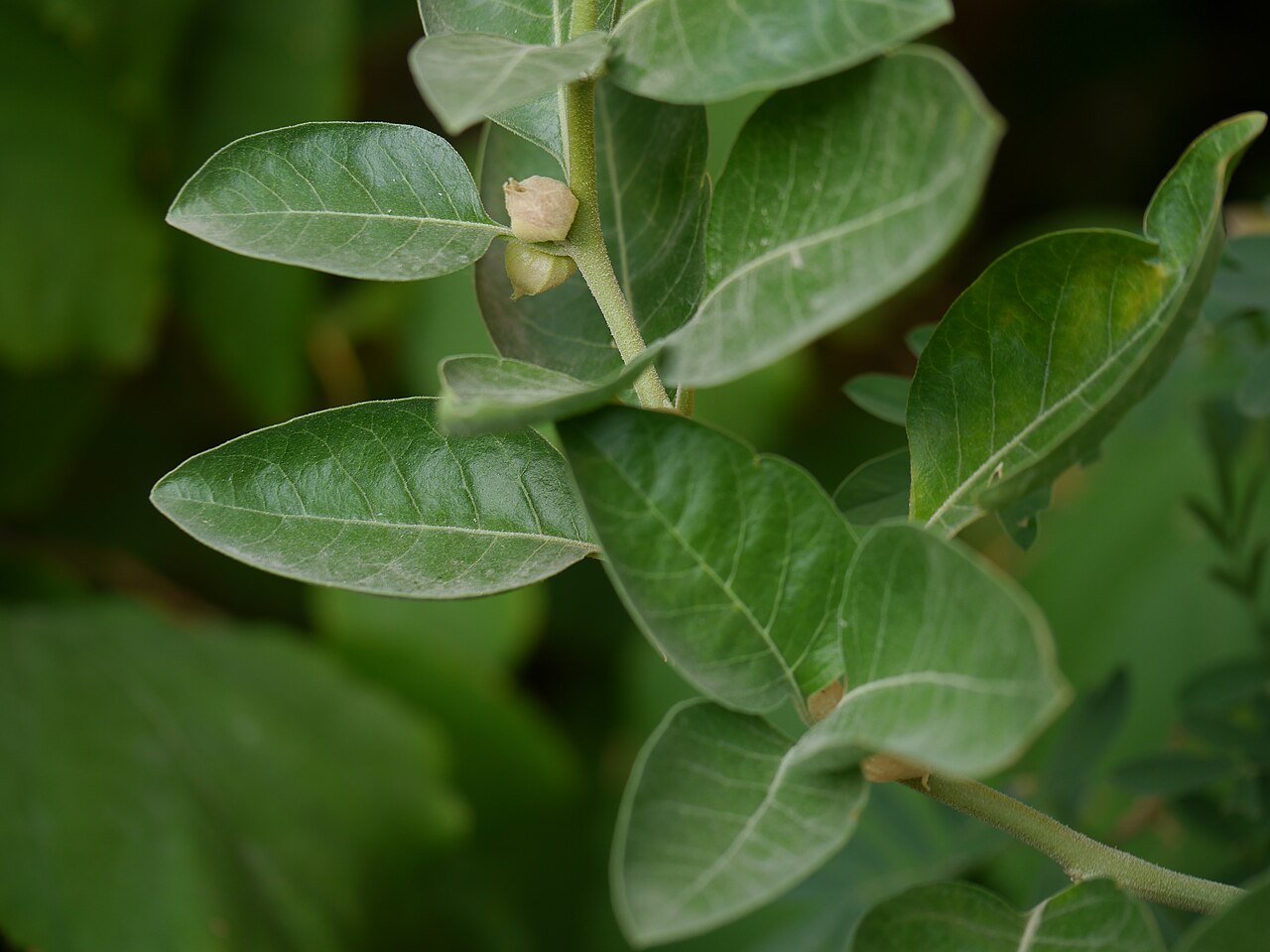
Ashwagandha (Withania somnifera) is one of the most extensively studied natural stress supplements for anxiety, with multiple randomised controlled trials showing it may help reduce perceived stress and lower cortisol levels.* A landmark 2012 clinical trial found that adults taking 300 mg of high-concentration ashwagandha root extract twice daily experienced a 44% reduction in stress assessment scores compared to just 5.5% in the placebo group — alongside a significant drop in serum cortisol. But how strong is the overall evidence, what dosage actually works, and is ashwagandha alone enough? Here's what the research tells us in 2026.
What Is Ashwagandha and Why Does It Matter for Anxiety?
Ashwagandha is a plant-based adaptogen — a natural substance that helps the body resist and recover from stress — and it is one of the most credible natural options for managing everyday anxiety.* It works primarily by calming the body's central stress response system, known as the HPA axis (the communication loop between your brain and adrenal glands that controls cortisol release).
When you experience anxiety, this HPA axis goes into overdrive, flooding your body with cortisol — the primary stress hormone. Chronic activation of this pathway is closely linked to sustained anxiety, poor sleep, and difficulty concentrating. According to the mental health charity Mind, anxiety disorders affect millions of adults in the UK and can range from general unease to debilitating panic.
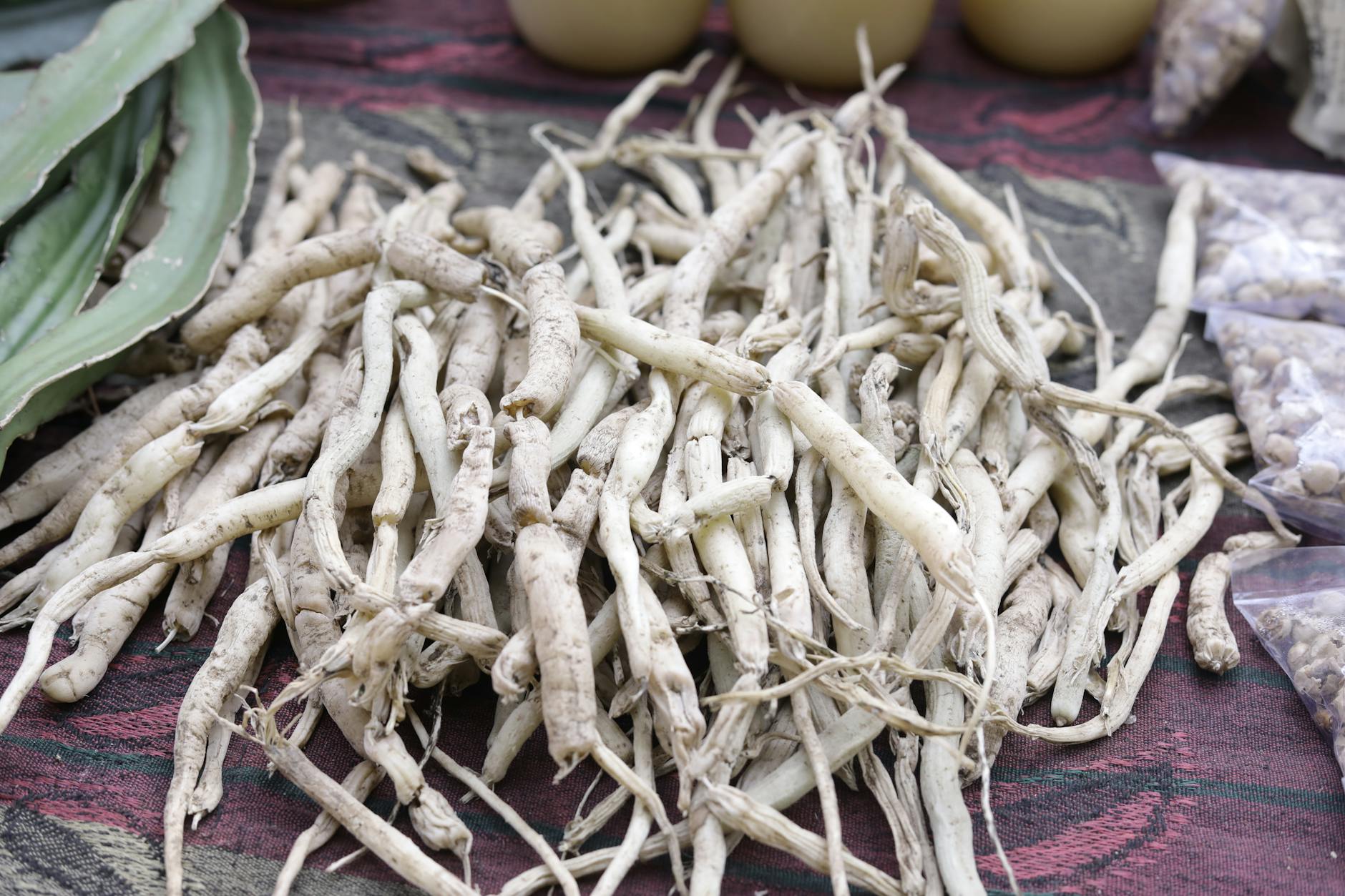
Ashwagandha's active compounds — called withanolides (naturally occurring plant steroids found in the root) — appear to dampen this overactive stress response through multiple mechanisms. The herb has been shown to increase activity at GABA receptors, which are the brain's calming chemical switches, producing relaxation effects similar to (though milder than) pharmaceutical anti-anxiety drugs known as natural anxiolytics. It also reduces inflammatory markers like C-reactive protein (CRP), which emerging research increasingly links to anxiety and mood disorders.
While ashwagandha is not a replacement for professional mental health support, the growing body of clinical trials for anxiety positions it as one of the more evidence-backed herbal options for adults seeking to manage everyday stress.*
The Clinical Evidence: What Do Anxiety Trials Show?
The evidence base for ashwagandha and anxiety is stronger than for most herbal stress supplements, though it's important to understand exactly what the studies do and don't tell us.
Key Clinical Trials You Should Know About
The most frequently cited study is Chandrasekhar et al. (2012), a 60-day randomised, double-blind, placebo-controlled trial of 64 adults with chronic stress. Participants receiving 300 mg of KSM-66 ashwagandha extract twice daily showed significantly reduced scores on all stress assessment scales, alongside a 27.9% reduction in serum cortisol levels compared to baseline.* The placebo group saw only a 7.9% cortisol reduction.
A 2014 systematic review published in the Journal of Alternative and Complementary Medicine examined five randomised controlled trials with a total of 400 participants. The pooled analysis found that ashwagandha supplementation significantly reduced anxiety scores on the Hamilton Anxiety Rating Scale (HAM-A) compared to placebo.* Dosages across these trials ranged from 300 mg to 600 mg daily.
More recently, a 2019 study published in Cureus examined 60 adults experiencing stress and poor sleep. Those taking 120 mg of ashwagandha extract (standardised to 35% withanolides — meaning a higher concentration of the active calming compounds) for six weeks reported significantly improved sleep quality and reduced morning cortisol levels compared to placebo.*
A comprehensive 2021 meta-analysis in the Journal of Ethnopharmacology reviewed 12 controlled studies totalling over 1,000 participants and concluded that ashwagandha extract significantly reduced stress and anxiety measures compared to placebo, with an acceptable safety profile.*
What the Evidence Doesn't Tell Us
It's worth being transparent about the limitations. Most ashwagandha trials are relatively small (30–100 participants), relatively short (6–12 weeks), and some are funded or conducted with involvement from extract manufacturers. We lack large-scale, independent, long-term studies. The NHS recommends evidence-based treatments such as cognitive behavioural therapy (CBT) and, where appropriate, prescribed medication as first-line approaches for anxiety disorders. Ashwagandha should be considered a complement to — not a replacement for — these strategies.
How Ashwagandha Works: The Mechanisms Behind Anxiety Relief
Ashwagandha's potential anxiety-relieving effects appear to operate through at least three distinct biological pathways, which is why researchers consider it one of the more promising natural anxiolytic options.
1. Calming the Stress Response (HPA Axis Regulation)
The primary mechanism is regulation of the HPA axis — your body's built-in stress thermostat. Ashwagandha's withanolides appear to turn down the overproduction of cortisol by acting on the adrenal glands (the small organs above your kidneys that pump out stress hormones).* Lower cortisol doesn't just reduce the subjective feeling of being stressed — it may also improve sleep quality, reduce stress-related weight gain, and support immune function, all of which are disrupted by chronic anxiety.
2. Boosting the Brain's Calming Signals (GABA Activity)
Ashwagandha has been shown to enhance signalling at GABA receptors. GABA (gamma-aminobutyric acid) is the brain's primary calming neurotransmitter — it essentially puts the brakes on overactive nerve signals that fuel anxious thoughts. Many prescription anti-anxiety medications (including benzodiazepines) work by boosting GABA activity. Ashwagandha's effect on this pathway is considerably milder, but it may contribute to its natural calming properties without the sedation or dependency risks associated with pharmaceutical options.*
3. Reducing Inflammation Linked to Anxiety
Emerging research links brain and body inflammation to anxiety and depression. Ashwagandha's active compounds reduce markers of systemic inflammation, including CRP. The Harvard Health Blog has highlighted the growing body of evidence connecting inflammation and gut health to mood disorders. Ashwagandha's anti-inflammatory action may provide an indirect but meaningful contribution to mood regulation.*
Optimal Dosage, Timing, and Form
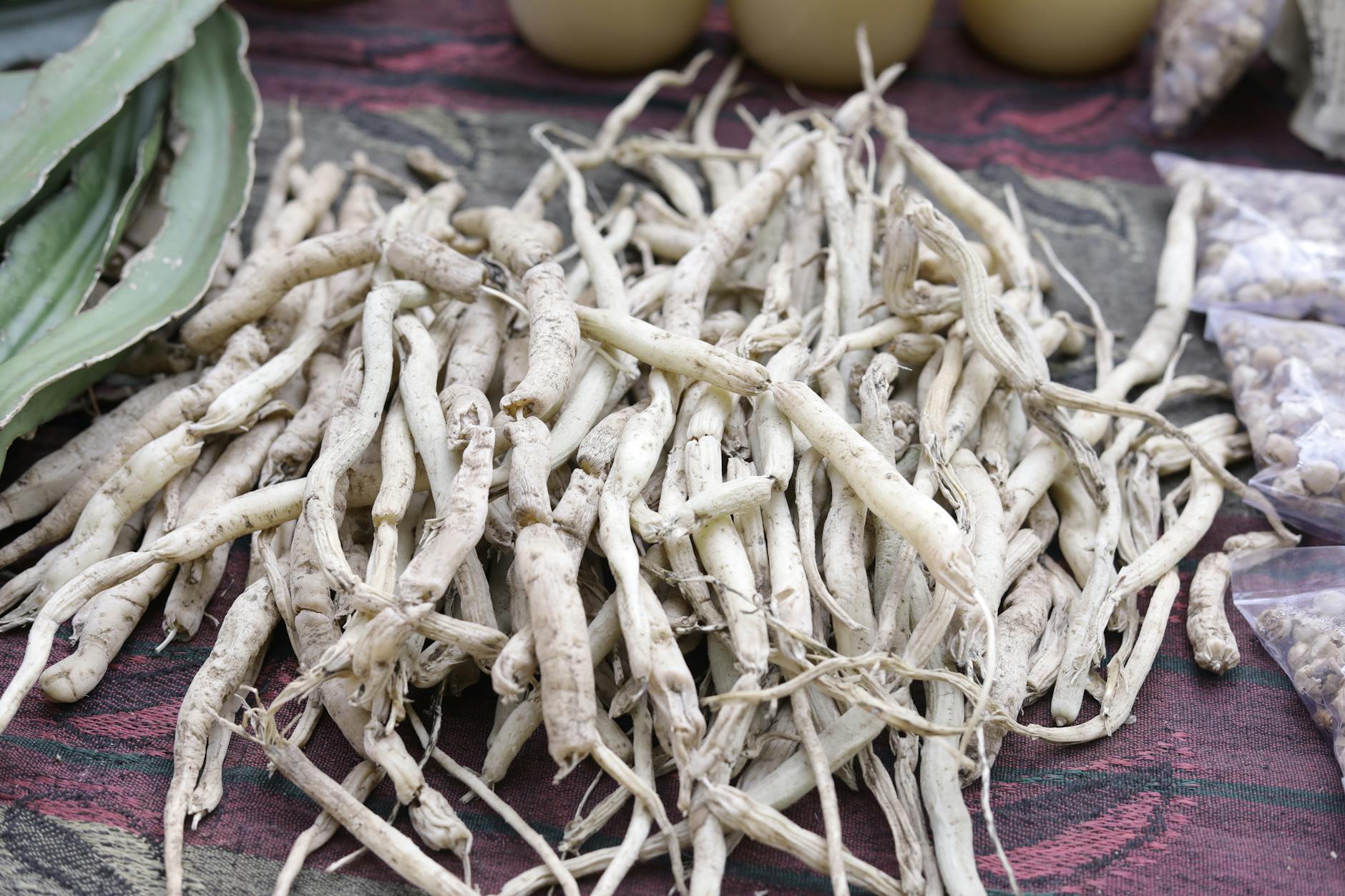
Not all ashwagandha supplements are created equal. The form, dosage, and standardisation of your extract significantly affect its potential efficacy as a stress supplement.
| Extract Type | Standardisation | Typical Daily Dose | Study Context |
|---|---|---|---|
| KSM-66 | 5% withanolides (active compounds) | 300–600 mg | Most widely studied for stress and anxiety |
| Sensoril | 10% withanolides | 125–250 mg | Used in stress, cortisol, and sleep studies |
| Generic root powder | Variable / unstandardised | 1,000–6,000 mg | Traditional use; less clinical data |
Key dosage guidance: Clinical trials showing anxiety benefits most commonly use 300 mg of a standardised extract (such as KSM-66) taken twice daily with meals. Taking ashwagandha with food may help reduce the mild gastrointestinal discomfort some people experience.
Timing: If anxiety disrupts your sleep, an evening dose may be particularly helpful, as ashwagandha's cortisol-lowering and GABA-enhancing effects may support nighttime relaxation.* For daytime stress, a morning and midday split dose is common in trial protocols.
Duration: Don't expect overnight results. The cumulative evidence suggests 6–8 weeks of consistent use is typically needed before significant effects on anxiety scores become apparent.* This is common with adaptogenic stress supplements — they build up gradually rather than acting like fast-acting anti-anxiety medication.
Ashwagandha vs Other Natural Options for Anxiety
Ashwagandha isn't the only evidence-backed natural anxiolytic. Understanding how it compares to other stress supplements helps you make an informed choice.
L-Theanine (100–200 mg) promotes alpha brain wave activity associated with calm alertness.* It works faster than ashwagandha — often within 30–60 minutes — making it useful for acute situational anxiety. A 2008 study found that L-theanine combined with caffeine improved speed and accuracy of attention tasks compared to either compound alone.
Rhodiola Rosea (200–600 mg, standardised to 3% rosavins) is another adaptogen that acts on the stress response system.* According to the WebMD ingredient monograph on rhodiola, it has been used to help with fatigue, stress, and mental performance. Rhodiola tends to be more energising than ashwagandha, making it better suited for fatigue-related anxiety and burnout.
Magnesium Glycinate (100–400 mg) supports GABA signalling and muscle relaxation.* Many adults in the UK are mildly deficient in magnesium, and correcting this deficiency alone may reduce anxiety symptoms.
Valerian, Passion Flower, and Chamomile all have moderate evidence for calming effects, though their clinical data for anxiety specifically is less robust than that of ashwagandha.
The reality is that anxiety is multi-factorial, and a single herb rarely addresses all the contributing mechanisms. A multi-ingredient approach — combining adaptogens, calming amino acids, and supportive nutrients — may offer broader coverage than any one compound alone as a comprehensive stress supplement.
How Noobru Compares: A Multi-Adaptogen Approach
If you're considering ashwagandha for anxiety, it's worth knowing that Noobru offers several UK-formulated drinkable supplements that take a comprehensive, multi-ingredient approach rather than relying on a single herb.
Noobru Better Than Ashwagandha is specifically designed for stress and anxiety management. Rather than providing ashwagandha alone, it combines multiple adaptogens and cortisol-managing compounds for comprehensive stress response support.* The formula is built around the principle that addressing several stress pathways simultaneously may deliver broader benefits than any single-ingredient stress supplement.
For anxiety that disrupts your sleep, Noobru Lucid is formulated with clinically studied calming ingredients — including valerian, passion flower, chamomile, lemon balm, L-tryptophan, 5-HTP, and magnesium glycinate — to help reduce nighttime anxiety and racing thoughts without next-morning grogginess.* 5-HTP, for instance, may promote sleep by increasing melatonin production.*
If your anxiety is linked to chronic stress, burnout, or energy crashes, Noobru Pro offers adaptogenic stress support combined with sustained energy — featuring rhodiola rosea alongside other ingredients designed for adrenal health and mental clarity under pressure.*
All Noobru products use full clinical doses with no proprietary blends, so you can see exactly what you're taking and at what dosage. They're also available as convenient drinkable powders — which generally offer better absorption than tablets — and come with free delivery on subscription.
Frequently Asked Questions
How long does ashwagandha take to work for anxiety?
Most clinical trials show measurable reductions in anxiety scores after 6 to 8 weeks of daily supplementation. Some individuals report subtle improvements within 2 to 4 weeks, but consistent daily use is important for cumulative effects.
What is the best ashwagandha dosage for anxiety?
Clinical studies typically use 300–600 mg per day of a standardised root extract such as KSM-66 or Sensoril. A common protocol is 300 mg twice daily with meals, though your healthcare provider can advise on the right dose for you.
Can you take ashwagandha with other supplements or medications?
Ashwagandha may interact with thyroid medications, immunosuppressants, and sedatives. Always consult your GP or pharmacist before combining ashwagandha with prescription medications or other supplements.
Are there side effects of ashwagandha?
Ashwagandha is generally well tolerated in clinical trials. The most commonly reported side effects include mild gastrointestinal discomfort, drowsiness, and headache. Pregnant or breastfeeding women should avoid ashwagandha.
Is ashwagandha better than other natural options for anxiety?
Ashwagandha has more robust clinical trial data for anxiety than many herbal alternatives. However, ingredients like L-theanine, rhodiola rosea, and magnesium also show promise. A multi-adaptogen approach may offer broader support than any single herb alone.
Is ashwagandha safe to take every day?
In clinical trials lasting up to 12 weeks, daily ashwagandha supplementation at standard doses (300–600 mg of standardised extract) has been well tolerated. Long-term safety data beyond 12 weeks is limited. Always consult your GP for personalised guidance.
Key Takeaways
- Ashwagandha has strong clinical evidence supporting its use for reducing anxiety scores and cortisol levels, primarily through calming the stress response and enhancing GABA (the brain's relaxation signal).*
- Effective dosages in trials are typically 300–600 mg daily of a standardised extract (KSM-66 or Sensoril), taken consistently for at least 6–8 weeks.
- Ashwagandha works best as part of a broader strategy — combining it with other evidence-backed ingredients like L-theanine, rhodiola, and magnesium may address multiple anxiety pathways simultaneously.
- Always consult your GP before starting any stress supplement, particularly if you take medication or have a thyroid condition.
- Supplements are not a substitute for professional mental health support. If anxiety is significantly affecting your daily life, speak to your healthcare provider or contact Mind for guidance.
Looking for a comprehensive, multi-adaptogen approach to stress and anxiety support? Noobru's UK-formulated drinkable supplements combine clinically studied ingredients at full doses — no proprietary blends, no guesswork.
Try Noobru risk-free with our 90-day money-back guarantee →References
- Chandrasekhar, K., Kapoor, J., & Anishetty, S. (2012). A prospective, randomized double-blind, placebo-controlled study of safety and efficacy of a high-concentration full-spectrum extract of ashwagandha root in reducing stress and anxiety in adults. Indian Journal of Psychological Medicine, 34(3), 255–262. PubMed
- Pratte, M. A., Nanavati, K. B., Young, V., & Morley, C. P. (2014). An alternative treatment for anxiety: a systematic review of human trial results reported for the Ayurvedic herb ashwagandha (Withania somnifera). Journal of Alternative and Complementary Medicine, 20(12), 901–908. PubMed
- Salve, J., Pate, S., Debnath, K., & Langade, D. (2019). Adaptogenic and anxiolytic effects of ashwagandha root extract in healthy adults: A double-blind, randomized, placebo-controlled clinical study. Cureus, 11(12), e6466. PubMed
- Bonilla, D. A., et al. (2021). Effects of ashwagandha on stress and anxiety: A systematic review and meta-analysis. Journal of Ethnopharmacology. PubMed
- National Center for Biotechnology Information. 5-Hydroxytryptophan (5-HTP). StatPearls. NCBI Bookshelf
*These statements have not been evaluated by the Food and Drug Administration or MHRA. This product is not intended to diagnose, treat, cure, or prevent any disease. Always consult your healthcare provider before starting any supplement regimen.

Leave a comment
All comments are moderated before being published.
This site is protected by hCaptcha and the hCaptcha Privacy Policy and Terms of Service apply.