




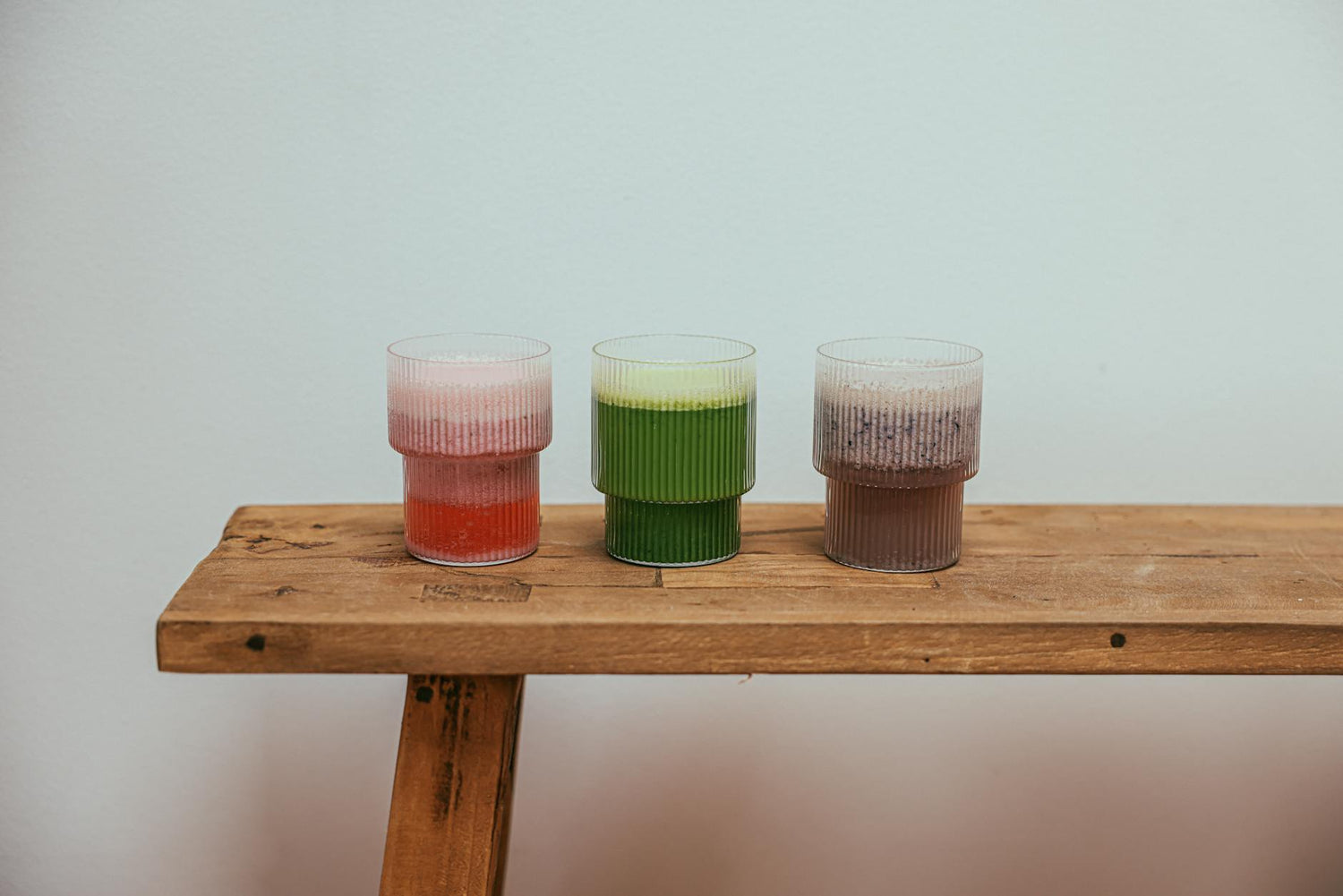

Best Nootropic Drink for Focus: 6 Ingredients Ranked by Clinical Evidence
Most "best nootropic drink" lists rank products by brand popularity or price — not by the strength of the science behind their ingredients. This guide takes a different approach: we rank the six most common focus-drink ingredients by the quality and quantity of human clinical trials, so you can see exactly which compounds earn their label claims and which are riding on hype. The best nootropic drink for focus combines clinically studied ingredients — like L-theanine, citicoline, and B vitamins — at effective doses to help support concentration and mental clarity.* With the cognitive enhancement supplements market projected to reach $6.29 billion by 2028 [1], separating evidence-backed mental performance drinks from marketing hype has never been more important in 2026.
This guide is for anyone experiencing afternoon brain fog, struggling to maintain deep work, or looking for a healthier alternative to sugary energy drinks that actually delivers a sustained brain boost. We break down the ingredients that research supports, explain how they work in plain language, and help you choose a nootropic drink that fits your needs.
What Is a Nootropic Drink and How Does It Support Focus?
A nootropic drink is a drinkable supplement formulated with compounds that may help enhance cognitive function — particularly focus, memory, and mental processing speed.* The term "nootropic" was coined in 1972 by Romanian psychologist Corneliu Giurgea, who defined nootropics as substances that improve learning while being virtually non-toxic.
Think of a nootropic drink as sitting between your morning coffee and a prescription stimulant: it aims to sharpen your thinking without the jitters, crashes, or health risks associated with excessive caffeine or sugar-loaded energy drinks.
Nootropic drinks offer a practical advantage over capsules: ingredients dissolved in liquid may be absorbed more rapidly by the body, reaching the bloodstream faster than tablets that must first break down in the stomach [2]. This is one reason the brain boost drink format has grown so popular among professionals and students.
Modern nootropic ingredients fall into two broad categories:
- Natural nootropics: Plant extracts and amino acids such as L-theanine, Bacopa monnieri, and phosphatidylserine (a fatty compound that forms part of your brain cell walls — more on this below)
- Synthetic nootropics: Lab-created compounds like racetams and noopept, which are more heavily regulated and typically unavailable over the counter in the UK
For most people seeking better daily focus, natural nootropic ingredients offer the strongest balance of research support, safety, and accessibility. These brain supplements for concentration work through several mechanisms:
- Increasing blood flow to the brain — delivering more oxygen and nutrients to support thinking
- Modulating neurotransmitters — chemicals like acetylcholine (involved in attention) and dopamine (involved in motivation)
- Reducing stress hormones — cortisol and adrenaline impair sustained attention when elevated chronically
Top 6 Nootropic Drink Ingredients for Focus (Ranked by Evidence)
Not all nootropic ingredients carry the same weight of evidence. Below we rank six with genuine clinical support for focus and concentration, ordered from strongest evidence to most preliminary. This ranking considers the number of human trials, study quality (randomised, placebo-controlled), and consistency of results.
1. L-Theanine + Caffeine — Strongest Evidence
This combination is the most well-evidenced natural nootropic stack for attention. A randomised controlled trial published in Nutritional Neuroscience found that 97 mg of L-theanine combined with 40 mg of caffeine significantly improved accuracy during task-switching and reduced susceptibility to distracting information [3]. A systematic review in Nutrition Reviews further confirmed that the combination produces more reliable attention benefits than either ingredient alone [9].
L-theanine is an amino acid naturally found in tea leaves. It promotes a state of calm alertness by increasing alpha brain wave activity — the electrical patterns associated with relaxed concentration. When paired with caffeine, it smooths out the stimulant's rough edges: you get the focus without the jitteriness or crash.
Noobru Advantage includes L-theanine as a core ingredient, designed to help deliver this calm, sustained alertness as a smarter alternative to energy drinks.*
Effective dose: 100–200 mg L-theanine paired with 50–100 mg caffeine.
2. Citicoline (CDP-Choline) — Strong Evidence
Citicoline is a naturally occurring compound that helps support the production of acetylcholine — the brain chemical most closely linked to attention and learning.* A randomised trial published in the Journal of Attention Disorders found that participants taking citicoline showed improved attention and reduced impulsivity compared to placebo [4].
In simpler terms, citicoline provides your brain with the raw materials it needs to build the "focus chemical." Because it dissolves readily in water, it is particularly well suited to a nootropic drink format.
Effective dose: 250–500 mg daily.
3. Phosphatidylserine — Moderate-to-Strong Evidence
Phosphatidylserine (often shortened to PS) is a fatty compound that makes up around 15% of your brain's total fat content. It forms part of the outer wall of every brain cell, helping cells communicate with each other efficiently. Research suggests it may help support cognitive processing speed and memory, particularly in adults over 50 [5].*
A review published by the European Food Safety Authority acknowledged phosphatidylserine's role in normal brain function, although it noted that more large-scale trials would strengthen the evidence base [10].
Effective dose: 100–300 mg daily.
4. Bacopa Monnieri — Moderate Evidence (Slow-Acting)
Bacopa is an adaptogenic herb used for centuries in traditional Ayurvedic medicine. A 2014 meta-analysis of nine randomised controlled trials found that Bacopa may help improve attention and cognitive processing speed [6].*
However, benefits typically emerge only after 8–12 weeks of consistent use — this is not a quick-fix ingredient. Think of Bacopa as a long-term investment in your mental performance rather than a same-day brain boost.
Effective dose: 300–600 mg daily (standardised to 50% bacosides, the active compounds).
5. B Vitamins (B6, B9, B12) — Strong Evidence for Deficiency; Moderate for Enhancement
B vitamins play essential roles in producing neurotransmitters and generating energy within the brain. Deficiency in B12 alone affects an estimated 6% of adults under 60 and nearly 20% of those over 60 in the UK [7].
Even mild, subclinical deficiency — levels low enough to impair function but not low enough for a formal diagnosis — may contribute to brain fog and reduced concentration.* Methylated forms of B vitamins (methylcobalamin for B12, methylfolate for B9) tend to be more readily used by the body, making them preferable in mental clarity supplements.
Effective dose: At or above the recommended daily intake — 1.5 mg B6, 200 µg folate, 1.5 µg B12.
6. Lion's Mane Mushroom — Preliminary Evidence (Promising but Early)
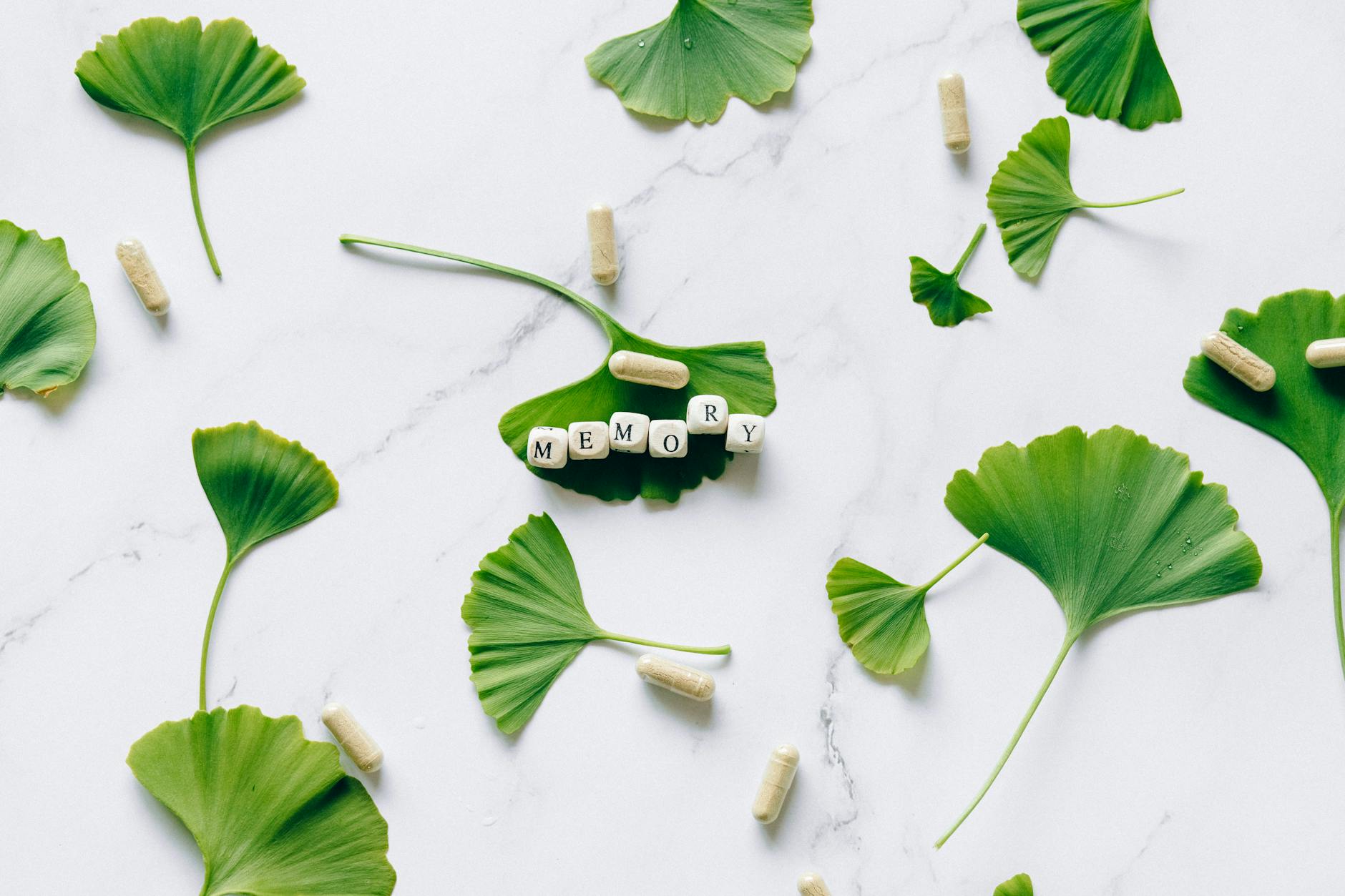
Lion's mane (Hericium erinaceus) contains compounds called hericenones and erinacines — natural chemicals that may stimulate the production of nerve growth factor (NGF), a protein that helps brain cells grow and repair.* While animal studies are promising, human evidence remains limited.
A small 2009 Japanese trial found improved cognitive function in older adults taking 3 g daily for 16 weeks, but the study involved only 30 participants and larger confirmatory studies are still needed [8].
Effective dose: 500–3,000 mg daily.
Nootropic Drinks vs Energy Drinks: What's the Difference?
Many people reach for an energy drink when focus dips, but the two categories work very differently. Understanding the distinction helps explain why nootropic drinks have become a popular energy drink alternative for sustained mental performance.
| Factor | Typical Energy Drink | Nootropic Focus Drink |
|---|---|---|
| Primary mechanism | High caffeine + sugar spike | Targeted cognitive compounds at studied doses |
| Caffeine content | 150–300 mg per can | 0–100 mg (often paired with L-theanine) |
| Sugar | Often 25–60 g per serving | Typically zero or very low |
| Focus duration | 30–90 minutes, then crash | 2–5 hours of steady alertness* |
| Long-term brain support | No evidence | Several ingredients with cumulative benefits* |
If you rely on energy drinks for afternoon focus, switching to a well-formulated nootropic drink may help you maintain concentration without the sugar crash and sleep disruption that high-caffeine beverages often cause.*
How to Choose a Nootropic Drink That Actually Works
The difference between an effective nootropic drink for focus and an expensive placebo usually comes down to five factors. Use this checklist before purchasing any cognitive enhancement drink in 2026:
- Clinically studied doses: Many products list impressive ingredients but at fractions of the doses used in research. Always check the label against the effective doses listed above.
- Transparent labelling: Avoid proprietary blends that hide individual ingredient amounts behind a single combined figure. You need to know exactly what you are taking and how much.
- Bioavailable forms: Ingredient form matters. Citicoline is more bioavailable than standard choline bitartrate. Methylated B vitamins suit more people than synthetic folic acid.
- Sensible combinations: The best mental clarity supplements use ingredients that complement each other. L-theanine tempers caffeine's edge; B vitamins support the chemical pathways that produce neurotransmitters.
- Third-party testing: Look for products tested for purity and potency by independent laboratories.
Noobru's nootropic drink range is formulated with these principles — transparent dosing, research-supported ingredients, and a convenient drinkable format designed to help support faster absorption.*
Common Mistakes People Make with Nootropic Drinks
Even well-chosen focus supplement drinks underperform when used incorrectly. Three mistakes account for most disappointing experiences:
- Expecting instant results from slow-acting ingredients: Bacopa and lion's mane require weeks of consistent use. Quitting after five days means you never gave them a fair trial.
- Ignoring the basics: No nootropic drink compensates for chronic sleep deprivation, dehydration, or a nutrient-poor diet. Supplements work best as an addition to healthy foundations, not a replacement.
- Megadosing: More is not better. Excessive caffeine causes anxiety. Very high-dose B6 (above 200 mg daily long-term) can cause nerve damage. Stick to researched doses.
For more on building sustainable cognitive habits, explore the Noobru blog for practical tips on focus, nutrition, and mental performance.
Key Takeaways
- The most evidence-backed nootropic drink combination for focus is L-theanine paired with caffeine, supported by multiple randomised controlled trials and a systematic review.
- Citicoline and phosphatidylserine offer strong support for attention and cognitive processing, particularly for adults over 40.*
- A drinkable nootropic format may offer faster absorption compared to tablets and capsules, making it a practical alternative to energy drinks.*
- Always verify that supplements contain clinically effective doses — not just token amounts of trendy ingredients.
- Nootropic drinks work best alongside good sleep, hydration, and nutrition — they are enhancers, not replacements.
- Allow 8–12 weeks for slower-acting ingredients like Bacopa monnieri before judging their effectiveness.
Frequently Asked Questions
What is a nootropic drink?
A nootropic drink is a drinkable supplement formulated with compounds that may help support cognitive functions such as focus, memory, and mental clarity. Common ingredients include L-theanine, citicoline, B vitamins, and phosphatidylserine.*
Do nootropic drinks actually work for focus?
Several nootropic ingredients have clinical evidence supporting their role in focus and attention. A 2010 study found that L-theanine combined with caffeine significantly improved attention and task-switching accuracy [3]. Results vary by ingredient, dose, and individual.
Are nootropic drinks safe to take daily?
Most well-researched nootropic ingredients — such as L-theanine, B vitamins, and citicoline — have strong safety profiles when taken at recommended doses. Always consult your healthcare provider before starting any new supplement, especially if you take medication.
How long do nootropic drinks take to work?
Some ingredients like caffeine and L-theanine may produce noticeable effects within 30 to 60 minutes. Others, such as Bacopa monnieri, typically require 8 to 12 weeks of consistent use before cognitive benefits become apparent.
What is the best natural nootropic drink for concentration?
A nootropic drink combining L-theanine with a moderate amount of caffeine is widely regarded as one of the most effective options for concentration. This pairing may help promote calm alertness without the jitteriness of caffeine alone.*
Why choose a nootropic drink over capsules?
Nootropic drinks dissolve ingredients in liquid before consumption, which may allow for faster absorption compared to capsules that must first break down in the stomach.* They are also easier to incorporate into a morning routine alongside breakfast or a glass of water.
Are nootropic drinks a good alternative to energy drinks?
Yes. Unlike most energy drinks that rely on high doses of caffeine and sugar for a short-lived spike, nootropic drinks typically combine lower caffeine with complementary brain-supporting ingredients. This may help deliver steadier, longer-lasting focus without the crash or excess sugar.*
Ready to support your focus with science-backed ingredients? Explore Noobru's nootropic drink range — drinkable supplements designed for mental clarity, formulated with researched doses of L-theanine, B vitamins, and more.*
References
- Grand View Research — Brain Health Supplements Market Analysis, 2021–2028
- Aulton, M.E. et al. — Pharmaceutics: The Design and Manufacture of Medicines. Churchill Livingstone, 2007
- Einöther, S.J. et al. — L-theanine and caffeine improve task switching but not intersensory attention or subjective alertness. Appetite, 2010
- McGlade, E. et al. — Improved attentional performance following citicoline administration. Journal of Attention Disorders, 2012
- Glade, M.J. & Smith, K. — Phosphatidylserine and the human brain. Nutrition, 2015
- Kongkeaw, C. et al. — Meta-analysis of randomized controlled trials on cognitive effects of Bacopa monnieri extract. Journal of Ethnopharmacology, 2014
- NHS — Vitamin B12 or folate deficiency anaemia
- Mori, K. et al. — Improving effects of the mushroom Yamabushitake on mild cognitive impairment. Phytotherapy Research, 2009
- Haskell-Ramsay, C.F. et al. — The acute effects of L-theanine in comparison with alprazolam on anticipatory anxiety in humans. Nutrition Reviews, 2017
- EFSA Panel on Dietetic Products, Nutrition and Allergies — Scientific opinion on phosphatidylserine, 2011
*These statements have not been evaluated by the Food and Drug Administration or MHRA. This product is not intended to diagnose, treat, cure, or prevent any disease. Always consult your healthcare provider before starting any supplement regimen.


Leave a comment
All comments are moderated before being published.
This site is protected by hCaptcha and the hCaptcha Privacy Policy and Terms of Service apply.