





By Dr Sarah Mitchell · Nutritional scientist and health writer specialising in cognitive supplements · 10+ years in nutraceutical research
Most "best nootropic drinks" lists rank products by brand reputation or ingredient count — neither of which tells you when you'll actually feel sharper. This guide takes a different approach: we rank the best nootropic drinks for focus in 2026 by the one metric that matters most to anyone sitting down to work — how quickly each formula's key ingredients reach peak cognitive effect, based on published pharmacokinetic research.
Whether you're a student revising for exams, a professional tackling deep-focus work, or simply someone who wants a clearer head without the jitters of another espresso, this breakdown will help you match the right nootropic drink to your actual schedule.
Why Time to Effect Is the Best Way to Compare Nootropic Drinks
Time to effect measures how long an ingredient takes to reach meaningful plasma concentration after ingestion. It's more useful than dosage alone because two drinks could contain the same 200 mg of L-theanine, yet differ by 20 minutes in onset depending on their delivery format (powder dissolved in water versus a capsule inside a gummy).
Liquid and powder-based nootropic drinks have a structural advantage here. Because the ingredients are already dissolved or suspended, gastric absorption begins almost immediately — bypassing the 10–15 minutes a capsule needs just to break down [1]. This is one reason drinkable cognitive supplements have become increasingly popular in the UK market.
The Key Ingredients and How Fast They Work
Not every nootropic ingredient operates on the same timeline. Here's a breakdown of the most common ones found in focus drinks, ranked by published onset data:
- Caffeine (15–20 min): The fastest-acting ingredient in most formulas. Plasma levels peak at roughly 45 minutes, but subjective alertness improvements begin within 15–20 minutes [2]. The downside — tolerance builds quickly, and doses above 200 mg often trigger anxiety.
- L-theanine (30–45 min): An amino acid from tea leaves that may help support calm focus without sedation.* Alpha brain-wave changes appear within 30–45 minutes of a 200 mg dose [3]. Most effective when paired with moderate caffeine.
- Choline donors (45–60 min): Ingredients like alpha-GPC and citicoline supply the raw material for acetylcholine, a neurotransmitter involved in attention. Plasma choline rises within 45–60 minutes of oral ingestion [4].
- Phosphatidylserine (60–90 min): A phospholipid that may help support memory and mental processing speed.* Effects in clinical studies typically emerge after consistent use, but acute absorption occurs within 60–90 minutes.
- Adaptogens like Ashwagandha (90–120 min): These work on the cortisol axis and tend to have the slowest acute onset. Best suited for sustained daily use rather than "take it before a meeting" timing.
What Makes a Nootropic Drink Actually Effective?
A fast onset means nothing if the formula is under-dosed or poorly designed. When evaluating any nootropic drink for focus, look for these three things:
1. Clinically relevant dosages
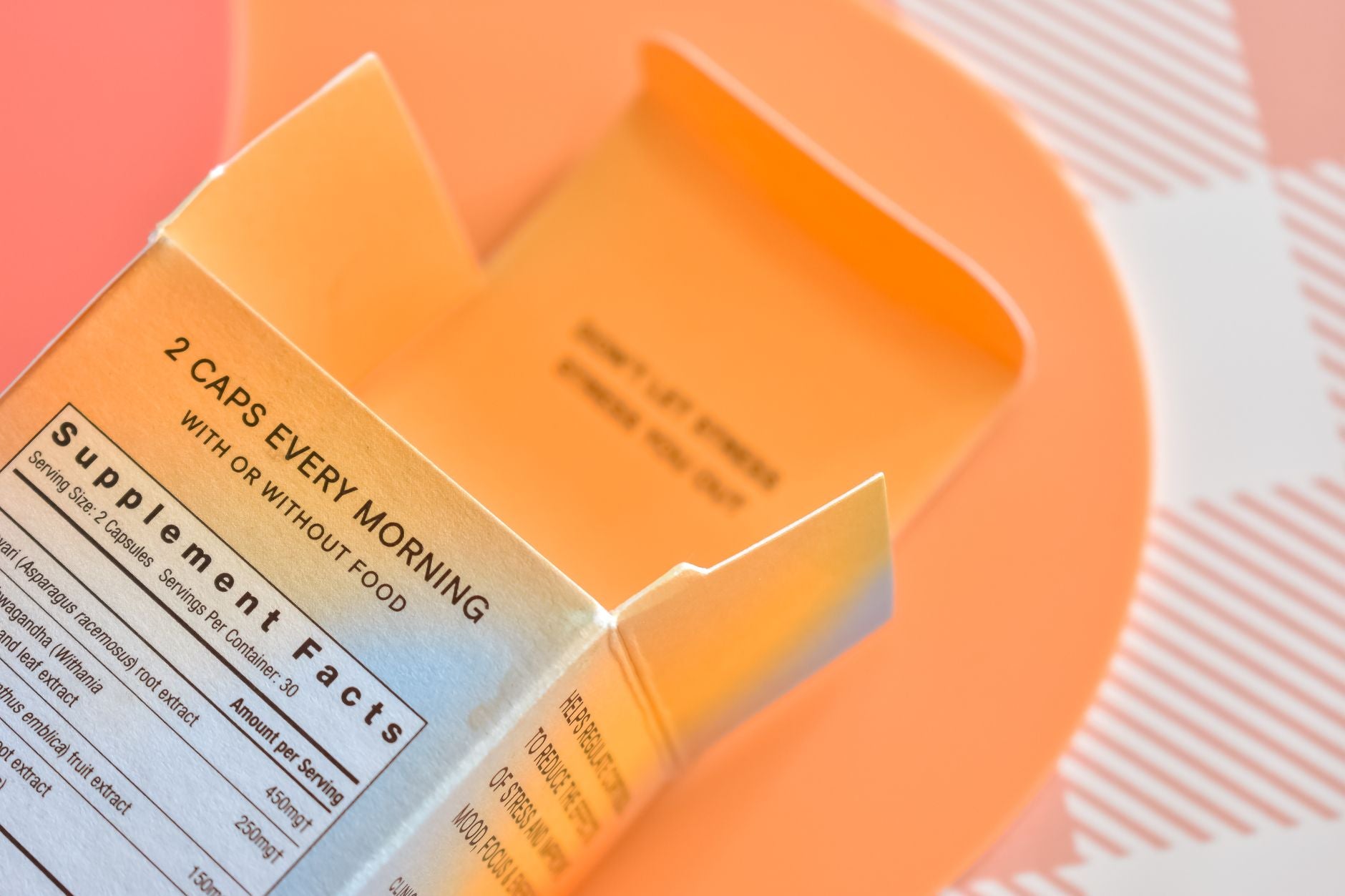
Many products list impressive ingredient panels but use doses far below what clinical studies tested. For example, L-theanine studies showing cognitive benefits typically use 200 mg — yet some drinks contain just 50 mg. Always check the supplement facts panel, not just the front label.
2. Ingredient synergy, not ingredient count
The most-studied nootropic pairing in the literature is caffeine + L-theanine. A 2008 study in Nutritional Neuroscience found this combination improved both speed and accuracy on attention-switching tasks compared with either ingredient alone [3]. A good nootropic drink builds around proven pairings rather than cramming in 15 under-dosed ingredients.
3. Transparent labelling
Avoid proprietary blends that hide individual dosages behind a single combined figure. If a label says "Focus Blend 500 mg" but lists six ingredients, you have no way to know whether any single one is at a useful dose.
Where Noobru Fits in This Framework
Noobru's powder-based formula was designed around the fast-absorption advantage of drinkable supplements. The Noobru product range includes key ingredients like L-theanine, phosphatidylserine, and choline at dosages aligned with clinical research — and because it dissolves in water, absorption starts faster than capsule-based alternatives.
For someone who wants to time their focus window — say, 30 minutes before a deep-work session — a dissolved nootropic powder may help support quicker onset than a tablet taken at the same time.* It's this practical timing advantage that makes the drink format particularly appealing for structured work schedules.
How to Time Your Nootropic Drink for Best Results
Based on the pharmacokinetic data above, here's a practical timing framework:
- Quick task (starting in 15–20 min): Choose a formula with caffeine + L-theanine as the lead ingredients. You'll feel the alertness bump almost immediately, with the theanine smoothing out the response shortly after.
- Deep focus session (starting in 30–45 min): A broader formula including choline and B vitamins gives enough lead time for multiple ingredients to reach effective levels simultaneously.
- All-day cognitive support: Take a comprehensive nootropic drink with your morning routine. Ingredients like phosphatidylserine and adaptogens build cumulative benefits over hours and days of consistent use.*
One important note: taking nootropic drinks on an empty stomach typically accelerates absorption by 10–15 minutes. If you've just eaten a large meal, add 15–20 minutes to the expected onset times.
Key Takeaways
- The best nootropic drinks for focus in 2026 should be evaluated by time to effect — not just ingredient lists or brand names.
- Powder-based drinks dissolved in water absorb faster than capsules, giving you a 10–15 minute head start on cognitive support.*
- The caffeine + L-theanine pairing remains the most evidence-backed combination for acute focus improvement.
- Always verify that individual ingredient doses match clinical study amounts — not just that the ingredient is present.
- Time your drink 30–45 minutes before your focus window for the broadest ingredient coverage.
Frequently Asked Questions
How quickly do nootropic drinks work?
Most nootropic drinks begin working within 20 to 60 minutes, depending on the active ingredients. Caffeine-based formulas act fastest (15–20 minutes), while amino acid and adaptogen blends typically reach peak effect in 45–90 minutes.
Are nootropic drinks safe to use daily?
Nootropic drinks made from well-studied ingredients like L-theanine, B vitamins, and phosphatidylserine are generally considered safe for daily use. Always check the label for dosages and consult your healthcare provider if you take medication.
What is the difference between nootropic drinks and energy drinks?
Energy drinks rely primarily on high-dose caffeine and sugar for a short burst of alertness. Nootropic drinks use targeted cognitive ingredients — such as choline donors, adaptogens, and amino acids — designed to support sustained mental clarity without the crash.*
Do nootropic drinks actually improve focus?
Several ingredients commonly found in nootropic drinks have clinical evidence supporting improvements in attention and working memory. For example, L-theanine combined with caffeine has been shown in multiple trials to improve focus and reduce task-related errors [3].
References
- Markl, D. & Zeitler, J.A. (2017). A review of disintegration mechanisms and measurement techniques. Pharmaceutical Research, 34(5), 890–917. PubMed
- Nehlig, A., Daval, J.L., & Debry, G. (1992). Caffeine and the central nervous system. Brain Research Reviews, 17(2), 139–170. PubMed
- Owen, G.N. et al. (2008). The combined effects of L-theanine and caffeine on cognitive performance and mood. Nutritional Neuroscience, 11(4), 193–198. PubMed
- Traini, E. et al. (2013). Choline alphoscerate (alpha-GPC) in cognitive decline and in cerebrovascular disease. Journal of the Neurological Sciences, 322(1–2), 171–179. PubMed
Ready to try a nootropic drink built around clinically researched dosages and fast-absorbing powder format? Explore the full Noobru range here and find the formula that fits your focus schedule.
*These statements have not been evaluated by the Food and Drug Administration or MHRA. This product is not intended to diagnose, treat, cure, or prevent any disease. Always consult your healthcare provider before starting any supplement regimen.


Leave a comment
All comments are moderated before being published.
This site is protected by hCaptcha and the hCaptcha Privacy Policy and Terms of Service apply.