




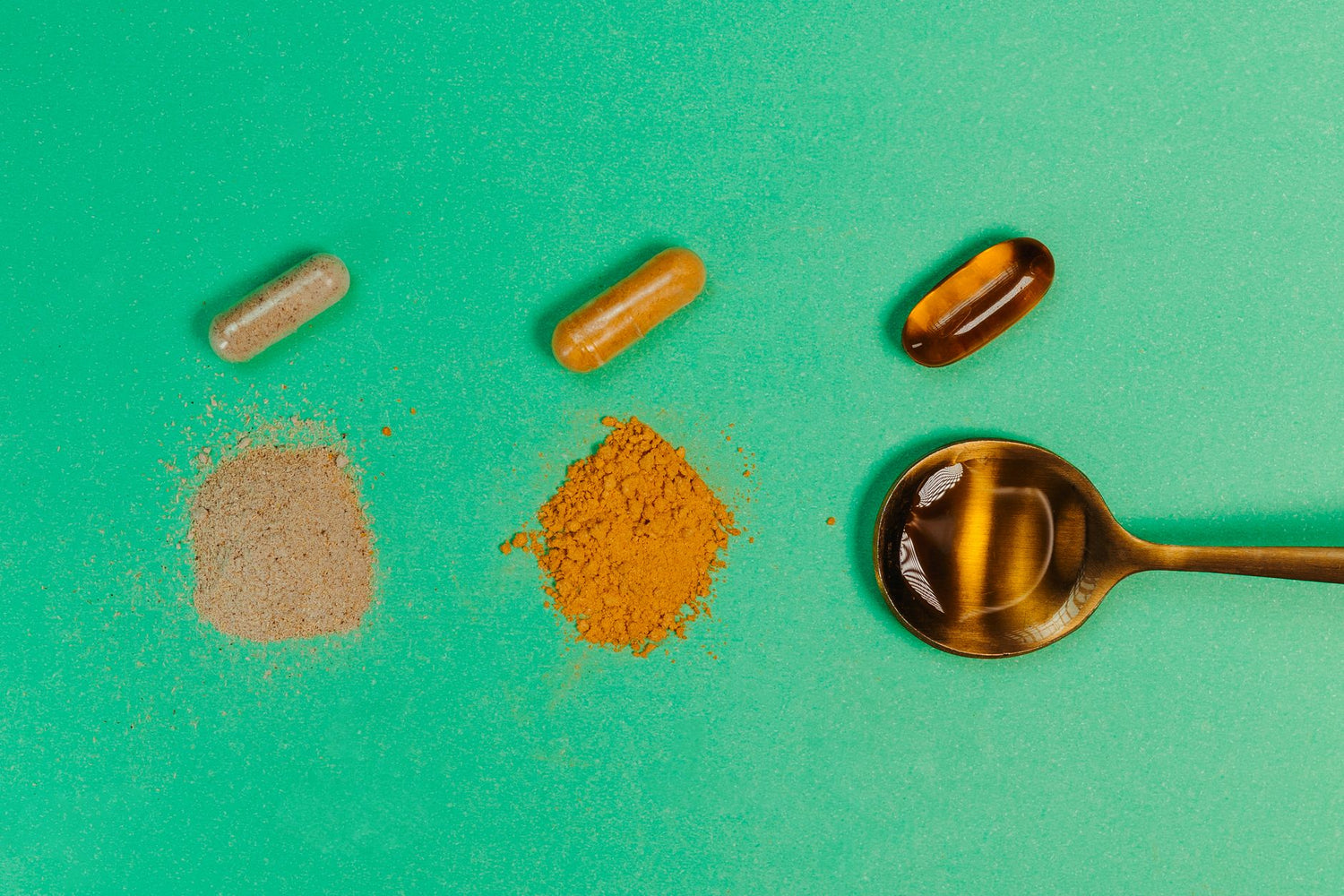
Best Nootropic Supplements for Focus in 2026
The best nootropic supplements for focus work by supporting key brain pathways involved in attention, memory, and mental energy. Whether you're battling afternoon brain fog at work, studying for exams, or simply want sharper concentration during daily tasks, the right nootropic ingredients — backed by real science — can make a measurable difference.*
This guide is for anyone who's felt overwhelmed by the hundreds of "brain pills" on the market and wants a clear, honest breakdown. We'll cover which ingredients actually have evidence behind them, what dosages the research supports, and how to build a focus routine that works — without hype or empty promises.
What Are Nootropics and How Do They Support Focus?
Nootropics are compounds that may help support cognitive function, including focus, memory, and mental processing speed.* The term was coined in 1972 by Romanian psychologist Corneliu Giurgea, and today it covers everything from ancient herbal extracts to modern synthesised compounds.
When it comes to focus specifically, nootropics typically work through one or more of these mechanisms:
- Increasing acetylcholine availability — the neurotransmitter most directly linked to sustained attention [1]
- Modulating dopamine levels — supporting motivation and the ability to stick with a task
- Promoting cerebral blood flow — ensuring your brain gets enough oxygen and glucose to perform
- Reducing cortisol and stress hormones — which can fragment attention when elevated
Not every ingredient labelled a "nootropic" does all of these things. The ones worth your money target at least one of these pathways with published, peer-reviewed evidence.
The 6 Best Nootropic Ingredients for Focus (Evidence-Based)
After reviewing the available literature, these six ingredients stand out for their focus-supporting potential in 2026. Each one has at least two published human trials behind it.
1. Citicoline (CDP-Choline)
Citicoline is arguably the single most effective nootropic for focus.* It raises levels of acetylcholine — the neurotransmitter that governs sustained attention — while also supporting the structural integrity of brain cell membranes.
A 2015 study in the Journal of Attention Disorders found that healthy adults taking 250–500 mg of citicoline daily showed significant improvements in sustained attention and reduced omission errors compared to placebo [2].
- Effective dosage: 250–500 mg per day
- Onset: Effects may be noticeable within 1–2 weeks
- Found in: Noobru Advantage (as a key active ingredient)
2. L-Theanine + Caffeine
This is the most studied nootropic combination in existence. L-theanine, an amino acid found in green tea, may help smooth out the jittery edge of caffeine while preserving — and even enhancing — its focus-boosting effects.*
A systematic review published in Nutritional Neuroscience (2017) concluded that the combination of 97 mg L-theanine and 40 mg caffeine improved accuracy during attention-switching tasks significantly more than caffeine alone [3].
- Effective dosage: 100–200 mg L-theanine with 50–100 mg caffeine
- Onset: 30–60 minutes
- Why it works: L-theanine promotes alpha brain waves (calm alertness) while caffeine blocks adenosine (the drowsiness signal)
3. Bacopa Monnieri
Bacopa monnieri is an Ayurvedic herb that may help support both focus and memory formation over time.* Unlike caffeine, it's not an acute stimulant — think of it as a long-game ingredient that compounds with consistent use.
A 2014 meta-analysis of nine randomised controlled trials found that Bacopa improved attention, cognitive processing speed, and working memory in healthy adults [4].
- Effective dosage: 300–450 mg daily (standardised to 50% bacosides)
- Onset: 4–8 weeks of daily use
- Tip: Take it with a fat source (like breakfast) for better absorption
4. Phosphatidylserine (PS)
Phosphatidylserine is a phospholipid that makes up about 15% of the brain's total fat content. It plays a crucial role in cell signalling and may help support mental processing speed and attention.*
Research published in Human Psychopharmacology showed that 100 mg taken three times daily helped support cognitive function in adults experiencing age-related cognitive decline [5].
- Effective dosage: 100–300 mg per day
- Onset: 2–4 weeks
- Note: Soy-derived and sunflower-derived forms are both available; sunflower-derived is allergen-friendly
5. Lion's Mane Mushroom
Lion's mane (Hericium erinaceus) stands apart from other nootropics because it may help support nerve growth factor (NGF) production — a protein essential for the growth and maintenance of brain neurons.*
A 2009 Japanese study found that adults aged 50–80 who took 750 mg of lion's mane three times daily for 16 weeks scored significantly higher on cognitive function tests than the placebo group. Notably, these gains disappeared when supplementation stopped [6].
- Effective dosage: 500–3,000 mg per day
- Onset: 4–8 weeks
- Look for: Extracts from the fruiting body (not mycelium on grain)
6. B Vitamins (B6, B9, B12)
B vitamins aren't glamorous, but they're foundational. Your brain cannot produce neurotransmitters like dopamine and serotonin without adequate B6, folate (B9), and B12. A deficiency in any of these creates a bottleneck that no other nootropic can overcome.*
A 2010 study in the American Journal of Clinical Nutrition found that adults with higher B12 status performed significantly better on memory and attention tasks [7].
- Key point: If you're already getting enough through diet, additional supplementation may offer limited extra benefit
- At-risk groups: Vegetarians, vegans, adults over 50, and those with absorption issues
How to Choose a Nootropic Supplement (What to Look For)
The supplement market is crowded and not all products deliver on their labels. Here's a practical checklist for choosing a nootropic for focus in 2026:
- Transparent ingredient dosages — Avoid "proprietary blends" that hide how much of each ingredient you're actually getting. If a label doesn't tell you exact milligrams, move on.
- Clinically studied dosages — An ingredient might be evidence-based, but if the product only includes a dusting of it, you won't see results. Compare label amounts against the study dosages listed above.
- Third-party testing — Look for products tested by independent labs for purity and potency. This protects you from contamination and label inaccuracies.
- Sensible combinations — The best nootropic stacks pair ingredients that work through different mechanisms. For example, citicoline (acetylcholine support) combined with L-theanine (calming focus) and B vitamins (neurotransmitter production).
- No outlandish claims — Any product that promises to "unlock 100% of your brain" or "cure brain fog instantly" is marketing fiction. Real cognitive support is gradual and depends on consistency.
Noobru Advantage was formulated with this approach in mind — combining researched ingredients like citicoline, phosphatidylserine, and B vitamins at dosages informed by published studies, in a convenient drinkable format.* Explore the full Noobru product range to find the right fit for your goals.
A Sample Daily Focus Routine Using Nootropics
Supplements work best when they're built into a structured routine rather than taken randomly. Here's a practical daily framework:
| Time | Action | Why |
|---|---|---|
| 7:00 AM | Take Bacopa monnieri with breakfast (includes healthy fats) | Fat-soluble — needs food for absorption |
| 8:30 AM | Mix and drink Noobru Advantage (citicoline + PS + B vitamins) | Supports sustained attention for your peak working hours* |
| 1:00 PM | L-theanine + caffeine (green tea or supplement) | Combats post-lunch dip without evening sleep disruption |
| 6:00 PM | Lion's mane with dinner | Long-term neuroplasticity support — non-stimulating* |
Important: This is an example framework, not medical advice. Your ideal routine will depend on your individual needs, health status, and sensitivity to ingredients. Always consult your healthcare provider before starting a new supplement programme.
Common Mistakes to Avoid With Nootropic Supplements
Even with the right products, many people sabotage their results through avoidable errors. Here are the most common ones:
- Expecting overnight results from long-term ingredients. Bacopa and lion's mane need weeks of consistent use. People often abandon them after five days and conclude they "don't work."
- Ignoring sleep. A 2022 study in Nature Reviews Neuroscience confirmed that even one night of poor sleep reduces prefrontal cortex activity — the exact brain region responsible for focused attention. No nootropic can fully compensate for chronic under-sleeping.
- Megadosing. More is not better. Taking 1,000 mg of citicoline when 500 mg is the studied dose won't double your focus. It may cause headaches instead.
- Chasing the latest "miracle" ingredient. Social media hype cycles through new nootropics every few months. Stick with well-studied, well-replicated ingredients rather than chasing trends.
- Neglecting hydration. Your brain is roughly 75% water. Even 2% dehydration has been shown to impair attention and working memory. A drinkable supplement format — like Noobru — doubles as a hydration prompt.
Key Takeaways
Here's what to remember from this guide:
- Citicoline is the standout ingredient for focus, with the strongest evidence for improving sustained attention in healthy adults.*
- L-theanine + caffeine is the best-studied nootropic combination for immediate, calm alertness.*
- Bacopa and lion's mane are powerful long-term investments — plan for at least 4–8 weeks of consistent use.*
- Transparency matters. Choose supplements with clear dosages, third-party testing, and no proprietary blend secrecy.
- Foundations first. Sleep, exercise, hydration, and nutrition amplify everything a nootropic can do. Without them, no supplement will reach its full potential.
- Consistency beats intensity. A moderate, daily routine outperforms sporadic megadosing every time.
Frequently Asked Questions
What is the best nootropic for focus?
The most well-researched nootropics for focus include citicoline, L-theanine combined with caffeine, and Bacopa monnieri. Citicoline has particularly strong evidence for supporting sustained attention and mental clarity, while the L-theanine and caffeine pairing may help promote calm alertness without jitters.*
How long do nootropic supplements take to work?
Some nootropics like caffeine and L-theanine work within 30–60 minutes. Others, such as Bacopa monnieri and lion's mane mushroom, may take 4–8 weeks of consistent daily use before noticeable cognitive benefits appear.*
Are nootropic supplements safe?
Most well-researched nootropic ingredients are considered safe for healthy adults when taken at recommended dosages. However, you should always consult your healthcare provider before starting any supplement, especially if you take medication or have a pre-existing health condition.
Can I stack multiple nootropics together?
Yes, many nootropics work synergistically when combined. The L-theanine and caffeine combination is the most studied nootropic stack. Pre-formulated products like Noobru Advantage combine multiple researched ingredients at balanced dosages for both convenience and safety.*
Do nootropics replace good sleep and exercise?
No. Nootropics may help support cognitive function, but they work best alongside foundational habits like 7–9 hours of sleep, regular physical exercise, and a balanced diet. No supplement can fully compensate for chronic sleep deprivation or a sedentary lifestyle.
References
- Hasselmo, M.E. & Sarter, M. (2011). Modes and models of forebrain cholinergic neuromodulation of cognition. Neuropsychopharmacology. PubMed
- McGlade, E. et al. (2015). The effect of citicoline supplementation on motor speed and attention in adolescent males. Journal of Attention Disorders. PubMed
- Haskell, C.F. et al. (2008). The effects of L-theanine, caffeine and their combination on cognition and mood. Biological Psychology. PubMed
- Kongkeaw, C. et al. (2014). Meta-analysis of randomised controlled trials on cognitive effects of Bacopa monnieri extract. Journal of Ethnopharmacology. PubMed
- Kato-Kataoka, A. et al. (2010). Soybean-derived phosphatidylserine improves memory function of the elderly Japanese subjects. Journal of Clinical Biochemistry and Nutrition.
- Mori, K. et al. (2009). Improving effects of the mushroom Yamabushitake on mild cognitive impairment. Phytotherapy Research. PubMed
- Tangney, C.C. et al. (2011). Vitamin B12, cognition, and brain MRI measures. Neurology. PubMed
Ready to support your focus with science-backed nootropics?
Noobru Advantage combines citicoline, phosphatidylserine, B vitamins, and other researched ingredients in a convenient daily drink. No capsules to swallow. No proprietary blends. Just transparent, evidence-informed nutrition for your brain.*
*These statements have not been evaluated by the Food and Drug Administration or MHRA. This product is not intended to diagnose, treat, cure, or prevent any disease. Always consult your healthcare provider before starting any supplement regimen.


Leave a comment
All comments are moderated before being published.
This site is protected by hCaptcha and the hCaptcha Privacy Policy and Terms of Service apply.