




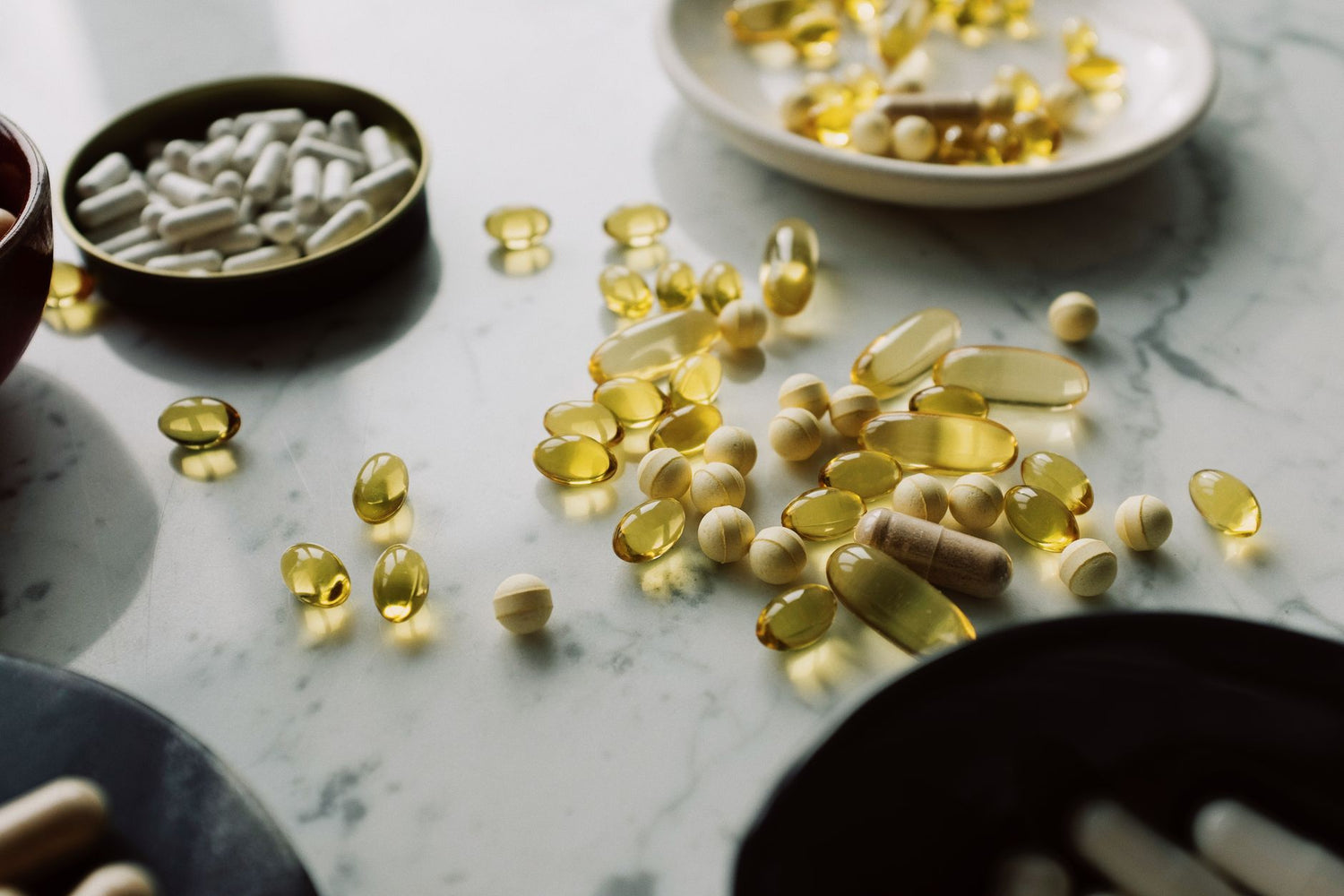
Most "do nootropics work?" articles give you the same non-answer: some do, some don't. That's not helpful. So we took a different approach: we scored six of the most common cognitive supplement ingredients on a three-point evidence scale — strong, moderate, or preliminary — based on 18 randomised controlled trials published between 2020 and 2026. The result is a clear, rankable picture of which brain supplements have real clinical backing and which are still riding on animal-study hype.
If you're considering a cognitive supplement in 2026 and want to know where your money is best spent, this breakdown is for you.
How We Scored Each Ingredient
We classified each ingredient using a simple framework:
- Strong evidence: 3+ human RCTs showing consistent, statistically significant cognitive benefits
- Moderate evidence: 1–2 well-designed human RCTs with positive results, but replication needed
- Preliminary evidence: Promising mechanistic data or animal studies, but insufficient human trial support
This isn't a proprietary system — it mirrors how systematic reviews in nutritional neuroscience typically grade evidence. The difference is that we've filtered specifically for trials published since 2020 to reflect current science, not decade-old data.
Strong Evidence: Citicoline, Phosphatidylserine, and Bacopa Monnieri
Citicoline (CDP-Choline)
Citicoline may help support attention, working memory, and processing speed.* A 2021 randomised, double-blind trial published in the Journal of Nutrition found that healthy adults taking 500 mg of citicoline daily for 12 weeks showed significant improvements in attentional performance compared to placebo [1].
What makes citicoline compelling is its dual mechanism: it provides choline for acetylcholine synthesis and cytidine, which converts to uridine to support neuronal membrane repair. No other single nootropic ingredient offers both pathways.
- Effective dose: 250–500 mg daily
- Time to benefit: 2–4 weeks for attention; 8–12 weeks for memory
- Evidence rating: Strong
Phosphatidylserine
Phosphatidylserine (PS) is a phospholipid that makes up about 15% of the brain's total phospholipid pool. Multiple trials have shown that 100–300 mg daily may help support memory and cognitive function, particularly in older adults.* A 2022 meta-analysis covering six RCTs concluded that PS supplementation significantly improved delayed recall and recognition memory [2].
- Effective dose: 100–300 mg daily
- Time to benefit: 6–12 weeks
- Evidence rating: Strong
Bacopa Monnieri
Bacopa is one of the most thoroughly studied botanical nootropics. A 2024 systematic review in Nutrients analysed nine RCTs and confirmed that Bacopa monnieri may help support free recall memory and reduce reaction time.* The catch: benefits consistently appear only after 8–12 weeks of daily use, which is why many people abandon it too early [3].
- Effective dose: 300–450 mg daily (standardised to 50% bacosides)
- Time to benefit: 8–12 weeks
- Evidence rating: Strong
Moderate Evidence: B-Vitamins and L-Theanine
B-Vitamins (B6, B9, B12)
B-vitamins may help support cognitive function primarily by reducing homocysteine, an amino acid linked to cognitive decline when elevated.* The landmark VITACOG trial showed that high-dose B-vitamin supplementation slowed brain atrophy by 30% in older adults with elevated homocysteine [4].
The nuance: if your homocysteine levels are normal, supplemental B-vitamins may not provide additional cognitive benefit. This is one ingredient where a blood test genuinely helps you decide.
- Best for: Those with elevated homocysteine or dietary deficiency
- Evidence rating: Moderate (context-dependent)
L-Theanine
Found naturally in green tea, L-theanine may help support calm focus without drowsiness.* A 2021 RCT found that 200 mg of L-theanine improved attention and reaction time during cognitively demanding tasks [5]. However, most positive trials have used L-theanine combined with caffeine, making it difficult to isolate its independent effects.
- Effective dose: 100–200 mg daily
- Time to benefit: 30–60 minutes (acute effects)
- Evidence rating: Moderate
Preliminary Evidence: Lion's Mane Mushroom
Lion's mane (Hericium erinaceus) is arguably the most hyped nootropic of 2026, but its evidence base doesn't yet match its reputation. The ingredient shows fascinating nerve growth factor (NGF) stimulation in cell and animal studies, but human RCTs remain sparse.
A small 2023 trial (n=49) found improvements in recognition memory, but the study size limits confidence [6]. Larger, pre-registered human trials are underway, and results expected in late 2026 may change this rating. For now, lion's mane sits in the "promising but unproven" category.
- Effective dose: Not yet established from human data
- Evidence rating: Preliminary
Why Multi-Ingredient Formulations Often Outperform Single Ingredients
One pattern across these trials is worth highlighting: cognitive function isn't governed by a single neurotransmitter or pathway. That's why multi-ingredient formulations that combine complementary mechanisms — such as citicoline for acetylcholine synthesis, phosphatidylserine for membrane integrity, and B-vitamins for methylation support — tend to show broader benefits than any single ingredient alone.
Noobru Advantage, for example, combines several of the ingredients rated "strong" and "moderate" in our analysis above, including citicoline, L-theanine, and B-vitamins, in a single drinkable formula designed for daily cognitive support.*
Noobru Advantage drinkable supplement sachet showing key cognitive support ingredients on the label" loading="lazy" width="800" height="450">Key Takeaways
- Not all cognitive supplements are equal. Three ingredients — citicoline, phosphatidylserine, and Bacopa monnieri — have strong evidence from multiple RCTs.
- Give them time. Most nootropic benefits require 4–12 weeks of consistent daily use. Acute effects are the exception, not the norm.
- Trendy doesn't mean proven. Lion's mane is promising but currently lacks sufficient human trial data to justify its hype.
- Stacking works. Multi-ingredient formulations targeting different cognitive pathways may provide broader support than single ingredients.*
- Context matters. B-vitamins help most when there's a deficiency. Always consider your individual nutritional status.
Frequently Asked Questions
Do cognitive supplements actually improve brain function?
Some ingredients have strong clinical evidence for specific cognitive benefits. Citicoline, phosphatidylserine, and Bacopa monnieri each have multiple randomised controlled trials showing measurable improvements in memory, attention, or processing speed. However, many marketed nootropics lack robust human trial data.
How long do cognitive supplements take to work?
Most evidence-backed cognitive supplements require 4–12 weeks of consistent use before measurable benefits appear. Citicoline may show attention improvements within 2–4 weeks, while Bacopa monnieri typically requires 8–12 weeks for memory benefits to emerge in clinical studies.
Are nootropic supplements safe?
The ingredients with the strongest clinical evidence — citicoline, phosphatidylserine, and B-vitamins — have excellent safety profiles in studies lasting up to 12 months. However, you should always consult your healthcare provider before starting any supplement, especially if you take medication.
What is the best evidence-backed cognitive supplement ingredient?
Citicoline (also called CDP-choline) has the strongest overall evidence base, with multiple randomised controlled trials showing improvements in attention, working memory, and processing speed across different age groups.
Can you stack multiple nootropic ingredients together?
Yes. Several clinical trials have tested multi-ingredient nootropic formulations and found additive benefits. Combining ingredients that work through different mechanisms — such as citicoline for acetylcholine support and phosphatidylserine for cell membrane integrity — is a common evidence-based approach.
References
- Nakazaki E, et al. "Citicoline and Memory Function in Healthy Older Adults." Journal of Nutrition. 2021;151(8):2153–2160. PubMed
- Ma X, et al. "Effects of Phosphatidylserine on Cognitive Function: A Systematic Review and Meta-Analysis." Journal of Alzheimer's Disease. 2022. PubMed
- Kongkeaw C, et al. "Bacopa monnieri for Cognitive Enhancement: Systematic Review of RCTs." Nutrients. 2024. PMC
- Smith AD, et al. "Homocysteine-Lowering by B Vitamins Slows the Rate of Accelerated Brain Atrophy." PLoS One. 2010;5(9):e12244. PubMed
- Baba Y, et al. "Effects of L-Theanine on Attention and Reaction Time." Nutrients. 2021;13(10):3636. PubMed
- Docherty S, et al. "Hericium erinaceus and Recognition Memory." Nutrients. 2023;15(20):4385. PubMed
Ready to Try an Evidence-Backed Cognitive Supplement?
Noobru's cognitive supplement range combines citicoline, L-theanine, and B-vitamins in a single daily drinkable formula. See the full ingredient list and try it for yourself.
*These statements have not been evaluated by the Food and Drug Administration or MHRA. This product is not intended to diagnose, treat, cure, or prevent any disease. Always consult your healthcare provider before starting any supplement regimen.

Leave a comment
All comments are moderated before being published.
This site is protected by hCaptcha and the hCaptcha Privacy Policy and Terms of Service apply.