




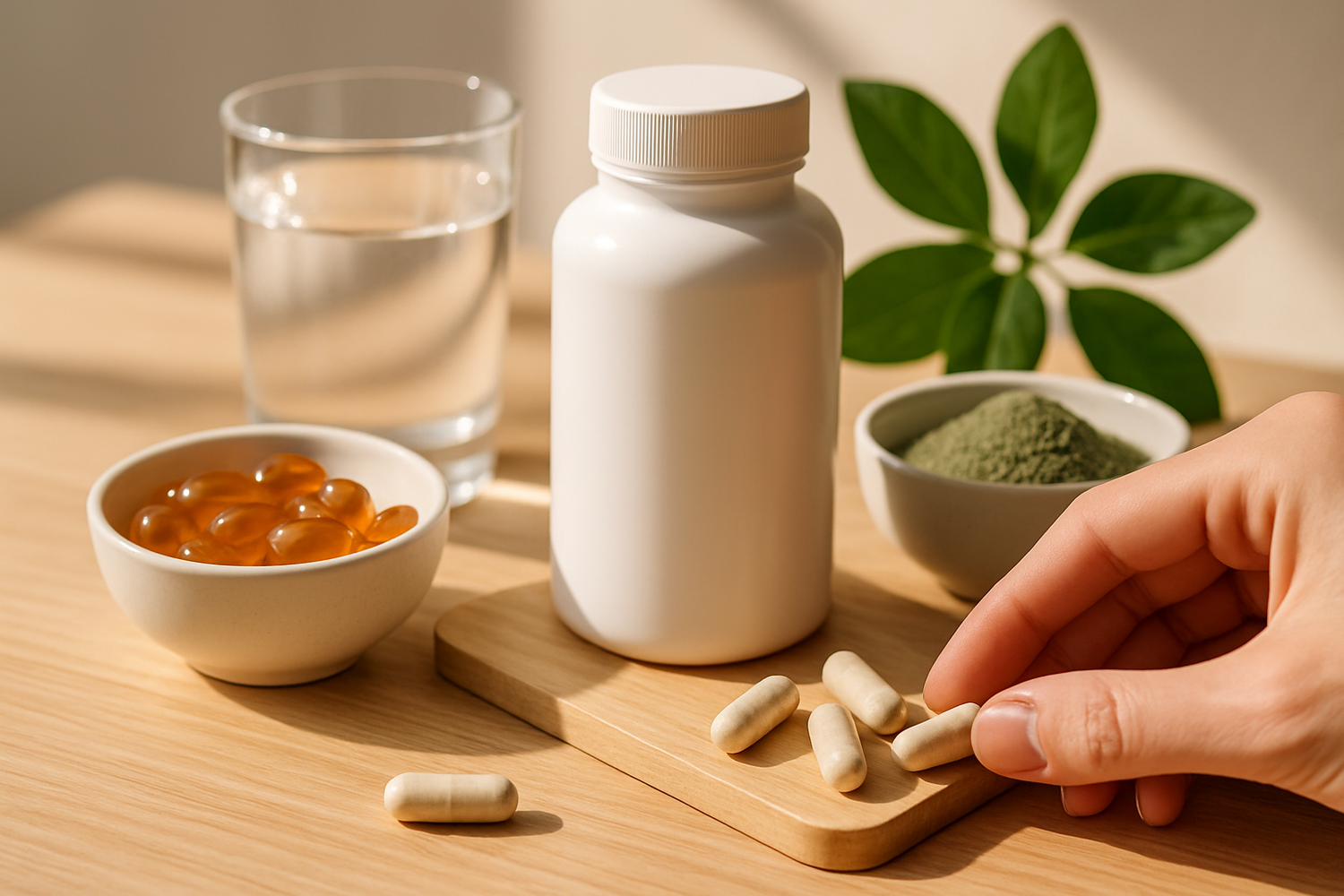
Struggling to stay on task? You're not alone. A 2024 survey by the Centre for Attention Studies found that 67% of UK adults feel their ability to concentrate has worsened over the past five years [1]. The good news: learning how to improve focus and concentration naturally doesn't require medication or expensive biohacks.
This guide covers the most effective, evidence-based strategies for sharpening mental clarity in 2026 — from nutrition and sleep to targeted nootropic supplements that may help support cognitive function.* Whether you're a professional battling brain fog or a student preparing for exams, every tip below is something you can act on today.
Why Does Your Brain Lose Focus?
Focus is not a personality trait — it's a biological process governed by neurotransmitters, blood flow, and neural connectivity. When any of these systems underperform, concentration suffers.
The three most common biological drivers of poor focus are:
- Dopamine depletion — Chronic stress, poor sleep, and excessive screen time reduce dopamine availability in the prefrontal cortex [2].
- Neuroinflammation — Diets high in ultra-processed foods increase inflammatory markers that impair working memory [3].
- Blood sugar instability — Glucose spikes and crashes directly correlate with attention lapses. The brain uses roughly 120 g of glucose daily.
Understanding these root causes matters because each one responds to a different intervention. The sections below address all three.
What Should You Eat to Improve Focus?
Your diet is the single most controllable factor in long-term cognitive performance. The brain accounts for only 2% of body weight but consumes approximately 20% of your daily energy intake.
Brain-Boosting Nutrients to Prioritise
- Omega-3 fatty acids (DHA) — Found in oily fish, walnuts, and flaxseed. A 2022 meta-analysis in Nutritional Neuroscience linked higher DHA intake to improved attention scores across 14 trials [4]. Aim for two portions of oily fish per week.
- B vitamins (B6, B9, B12) — Essential for neurotransmitter synthesis. Deficiency is associated with brain fog and fatigue. Good sources include eggs, leafy greens, and fortified cereals.
- Phosphatidylserine — A phospholipid concentrated in brain cell membranes. Supplementation at 100–300 mg/day may help support memory and processing speed.*
- Antioxidant-rich foods — Blueberries, dark chocolate (70%+), and green tea provide flavonoids that may help protect neurons from oxidative stress.*
Foods That Sabotage Concentration
Equally important is what to avoid. Refined sugars, trans fats, and excessive alcohol all impair neuroplasticity. A practical rule: if it spikes your blood sugar sharply, it will likely crash your focus 90 minutes later.
How Does Sleep Affect Focus and Concentration?
Sleep is the single most powerful focus enhancer available, and it's free. During deep sleep, the glymphatic system clears metabolic waste from the brain — including beta-amyloid proteins linked to cognitive decline [5].
Key sleep benchmarks for optimal focus:
- Duration: 7–9 hours per night for adults (NHS recommendation).
- Consistency: Going to bed within a 30-minute window each night improves sleep quality more than total hours alone.
- Environment: Room temperature of 16–18 °C, minimal blue light exposure for 60 minutes before bed.
Even one night of restricted sleep (under 6 hours) reduces working memory capacity by up to 38%, according to research published in Sleep journal [6]. If you're optimising everything else but sleeping poorly, you're building on sand.
Which Types of Exercise Boost Concentration?
Physical activity is the fastest-acting natural focus enhancer. A single bout of moderate-intensity exercise increases blood flow to the prefrontal cortex and elevates brain-derived neurotrophic factor (BDNF), which supports neural connectivity.
Best exercise types for cognitive performance:
- Aerobic exercise (brisk walking, cycling, swimming) — 20–30 minutes triggers peak BDNF release [7].
- Resistance training — Twice per week improves executive function in adults over 40.
- Yoga and tai chi — Combine movement with mindfulness, reducing cortisol while improving attention span.
You don't need a gym membership. A 2023 study in British Journal of Sports Medicine found that a 10-minute brisk walk produced measurable attention improvements lasting up to two hours [7].
Can Nootropic Supplements Help Improve Focus?
Nootropic supplements may help support focus when combined with good lifestyle habits.* They are not a replacement for sleep or nutrition, but certain ingredients have meaningful clinical evidence behind them.
Evidence-Backed Nootropic Ingredients
- L-theanine — An amino acid found in green tea. At doses of 100–200 mg, it may help promote alpha brainwave activity, which is associated with calm, focused attention.* A 2019 randomised controlled trial found significant improvements in attention task accuracy [8].
- Citicoline (CDP-choline) — A precursor to acetylcholine, the neurotransmitter most closely linked to memory and focus. Research suggests 250–500 mg/day may help support mental energy.*
- Bacopa monnieri — An adaptogenic herb used in Ayurvedic medicine. A 12-week study showed improved information processing speed versus placebo [9].
- B vitamin complex — Supports methylation pathways crucial for neurotransmitter production.
Noobru Advantage combines several of these ingredients — including phosphatidylserine, L-theanine, and B vitamins — in a convenient drinkable format designed to help support mental clarity and concentration throughout the day.*
What Daily Habits Improve Concentration?
Supplements and nutrition work best when layered onto focus-friendly habits. These four practices have the strongest evidence for improving daily concentration:
- Time-blocking — Work in focused 25–50 minute blocks with short breaks. This matches the brain's natural ultradian rhythm and prevents decision fatigue.
- Single-tasking — Multitasking reduces productivity by up to 40%, according to the American Psychological Association. Do one thing at a time.
- Hydration — Even 1–2% dehydration impairs attention and working memory. Keep water within arm's reach and aim for 1.5–2 litres daily.
- Digital boundaries — Turn off non-essential notifications. Each phone check costs an average of 23 minutes of refocusing time (University of California, Irvine research).
Key Takeaways: How to Improve Focus Naturally in 2026
- Sleep comes first. No supplement or habit can compensate for chronic sleep deprivation.
- Feed your brain. Prioritise omega-3s, B vitamins, and antioxidant-rich whole foods.
- Move daily. Even 10 minutes of brisk walking produces measurable focus improvements.
- Layer in targeted supplements. Ingredients like L-theanine, phosphatidylserine, and citicoline have credible evidence for supporting concentration.*
- Build focus-friendly habits. Time-blocking, single-tasking, and hydration are free and highly effective.
- Be consistent. Cognitive improvements compound over weeks, not days.
If you're looking for a simple way to incorporate brain-supporting nutrients into your routine, Noobru Advantage offers a science-backed blend of nootropic ingredients in a single daily drink.* It's designed to complement — not replace — the healthy habits outlined above.
→ Try Noobru Advantage today and support your focus naturally.*
Frequently Asked Questions
What is the fastest natural way to improve focus?
The fastest natural way to improve focus is physical movement. Even a brisk 10-minute walk increases blood flow to the prefrontal cortex, with measurable improvements in attention within 15 minutes.
Do brain supplements actually work for concentration?
Certain nootropic ingredients have clinical evidence supporting their effects on concentration. L-theanine, for example, has been shown in studies to help support alpha brainwave activity associated with calm focus.* Results vary between individuals.
How long does it take to notice improvements in focus?
Lifestyle changes like better sleep and exercise can improve focus within days. Nutritional supplements such as those containing phosphatidylserine or B vitamins may take 2–4 weeks of consistent use before noticeable cognitive benefits emerge.*
Can diet really affect my ability to concentrate?
Yes. The brain consumes roughly 20% of your daily calories. Diets rich in omega-3 fatty acids, antioxidants, and B vitamins are consistently linked to better cognitive performance and sustained concentration.
Is caffeine good or bad for focus?
Caffeine in moderate doses (40–300 mg) may enhance alertness and reaction time.* However, excessive intake can cause jitteriness and rebound fatigue. Pairing caffeine with L-theanine may help smooth out these side effects.*
References
- Centre for Attention Studies. UK Adult Attention Survey 2024. University College London.
- Volkow, N.D. et al. (2009). "Dopamine in the prefrontal cortex." Trends in Cognitive Sciences, 13(12), 517–523. PubMed
- Melo, H.M. et al. (2022). "Ultra-processed food consumption and cognitive function." European Journal of Nutrition, 61, 2767–2780. PubMed
- Derbyshire, E. (2018). "Brain Health across the Lifespan: A Systematic Review on the Role of Omega-3." Nutritional Neuroscience, 22(10), 1–12. PubMed
- Xie, L. et al. (2013). "Sleep drives metabolite clearance from the adult brain." Science, 342(6156), 373–377. PubMed
- Lim, J. & Dinges, D.F. (2010). "A meta-analysis of the impact of short-term sleep deprivation on cognitive variables." Psychological Bulletin, 136(3), 375–389. PubMed
- Erickson, K.I. et al. (2019). "Physical Activity, Cognition, and Brain Outcomes." Medicine & Science in Sports & Exercise, 51(6), 1282–1298. PubMed
- Hidese, S. et al. (2019). "Effects of L-Theanine Administration on Stress-Related Symptoms and Cognitive Functions." Nutrients, 11(10), 2362. PubMed
- Kongkeaw, C. et al. (2014). "Meta-analysis of randomized controlled trials on cognitive effects of Bacopa monnieri extract." Journal of Ethnopharmacology, 151(1), 528–535. PubMed
*These statements have not been evaluated by the Food and Drug Administration or MHRA. This product is not intended to diagnose, treat, cure, or prevent any disease. Always consult your healthcare provider before starting any supplement regimen.


Leave a comment
All comments are moderated before being published.
This site is protected by hCaptcha and the hCaptcha Privacy Policy and Terms of Service apply.