




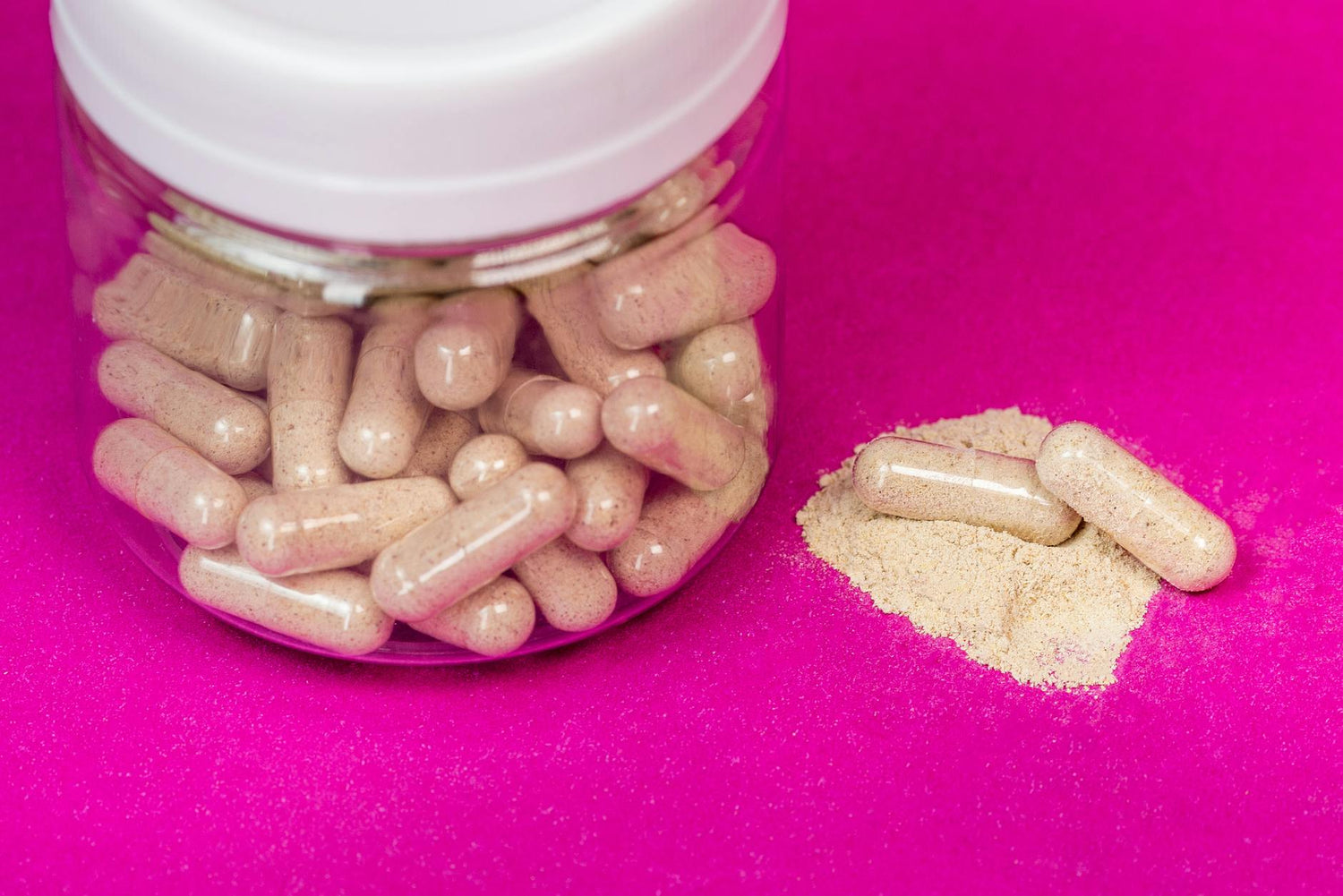
You sit down to work and within ten minutes your attention has drifted to your phone, your inbox, and that odd thing someone said yesterday. Sound familiar? The best supplements for focus and concentration — including increasingly popular options like magnesium glycinate — may help support your ability to stay on task, but only if you choose ingredients with genuine research behind them.
This guide cuts through the noise. Below, you'll find the specific compounds that clinical studies have actually tested for cognitive performance, the dosages used in those studies, and a clear framework for deciding what's worth your money.
Why Is It So Hard to Focus? The Science Behind Attention
Sustained focus depends on a balanced interplay of neurotransmitters — primarily dopamine, acetylcholine, and norepinephrine — alongside essential minerals like magnesium. When any of these systems is disrupted by stress, poor sleep, or nutritional gaps, concentration suffers.
A 2020 survey by the Centre for Mental Health found that 60% of UK adults reported difficulty concentrating during periods of high stress. That statistic predates the post-pandemic rise in screen time, which has only intensified the problem.
Supplements don't magically override these biological systems. What the best-researched cognitive supplements may do is provide raw materials or gentle modulation that helps support the brain's existing attention networks.*
7 Research-Backed Supplements for Focus and Concentration
Not all brain supplements are equal. Here are seven ingredients with meaningful clinical data, ranked by strength of evidence.
1. Magnesium Glycinate
Magnesium glycinate is one of the most bioavailable forms of magnesium and is increasingly recognised as a standout supplement for focus and cognitive function. It may help support attention, reduce mental fatigue, and promote the calm alertness needed for sustained concentration.*
- Why it matters: Magnesium is involved in over 300 enzymatic reactions in the body, including neurotransmitter signalling and synaptic plasticity — the mechanism behind learning and memory. According to a 2018 review published in Nutrients, subclinical magnesium deficiency is widespread and may contribute to impaired cognitive function and heightened stress responses [1].
- Why glycinate specifically: Unlike magnesium oxide or citrate, magnesium glycinate is chelated with the amino acid glycine, which improves absorption and reduces gastrointestinal side effects. Glycine itself has calming, neuroprotective properties, making this form particularly well-suited for focus-related goals.*
- Key evidence: A 2022 systematic review in Nutrients found that magnesium supplementation was associated with improvements in subjective stress, anxiety, and cognitive outcomes in adults with low baseline magnesium status [2].
- Effective dosage: 200–400 mg of elemental magnesium daily.
- Who it suits: Anyone experiencing stress-related brain fog, poor sleep quality affecting daytime focus, or those whose diet is low in magnesium-rich foods like leafy greens, nuts, and seeds.
2. Phosphatidylserine
Phosphatidylserine is a phospholipid that forms a critical part of every cell membrane in your brain. It may help support memory recall, processing speed, and sustained attention.*
- Key study: A double-blind trial published in the Journal of Clinical Biochemistry and Nutrition found that 300 mg/day of phosphatidylserine for 12 weeks significantly improved memory and cognitive function in older adults compared to placebo [3].
- Effective dosage: 100–300 mg daily.
- Who it suits: Anyone noticing age-related changes in mental sharpness or struggling with brain fog.
3. Bacopa Monnieri
Bacopa monnieri is an Ayurvedic herb that has been studied extensively for its potential effects on memory and attention. It works gradually — expect 6–8 weeks before noticing changes.*
- Key study: A 2014 meta-analysis in the Journal of Ethnopharmacology reviewed nine randomised controlled trials and concluded that Bacopa may help improve attention, cognitive processing, and working memory [4].
- Effective dosage: 300–450 mg daily (standardised to 50% bacosides).
- Who it suits: Students, professionals, and anyone seeking long-term cognitive support rather than a quick fix.
4. L-Theanine (Especially Paired with Caffeine)
L-theanine is an amino acid found naturally in green tea. On its own, it promotes calm alertness. Combined with caffeine, it may help support focus while reducing the jitteriness caffeine often causes.*
- Key study: Research published in Nutritional Neuroscience (2008) showed that 97 mg of L-theanine combined with 40 mg of caffeine significantly improved accuracy during attention-switching tasks [5].
- Effective dosage: 100–200 mg L-theanine with 50–100 mg caffeine.
- Who it suits: Coffee drinkers who want sustained energy without the afternoon crash.
5. B Vitamins (B6, B9, B12)
B vitamins are essential cofactors in neurotransmitter synthesis. Deficiency in B12 alone affects an estimated 6% of UK adults under 60 and nearly 20% of those over 60, according to NHS data.
- How they help: B vitamins don't boost focus in the nootropic sense — they prevent the cognitive decline that deficiency causes. If your levels are low, correcting them may produce a noticeable improvement in mental clarity.*
- Effective dosage: 100% of the Nutrient Reference Value (NRV) is sufficient for most people.
- Who it suits: Vegetarians, vegans, and older adults at higher risk of B12 deficiency.
6. Huperzine A
Huperzine A is a compound extracted from Chinese club moss. It inhibits acetylcholinesterase, the enzyme that breaks down the neurotransmitter acetylcholine — which plays a central role in learning and attention.*
- Key study: A systematic review in PLoS ONE (2013) found that Huperzine A may help support memory and cognitive function, though the authors noted that study quality varied [6].
- Effective dosage: 50–200 mcg daily.
- Who it suits: Those looking for an additional layer of acetylcholine support alongside other nootropics for focus.
7. Vitamin D
Vitamin D receptors are found throughout the brain, particularly in areas involved in memory and executive function. In the UK, Public Health England recommends that everyone consider a vitamin D supplement during autumn and winter months.
- Why it matters for focus: A 2023 study in Cureus linked vitamin D insufficiency to reduced attention and slower processing speed in working-age adults [7].
- Effective dosage: 10–25 mcg (400–1,000 IU) daily.
- Who it suits: Nearly everyone in the UK between October and March.
Magnesium Glycinate vs Other Magnesium Forms for Focus
Magnesium glycinate is generally the preferred form for cognitive and focus-related benefits because of its superior absorption and minimal digestive side effects. Here's how it compares to other common forms:
| Magnesium Form | Bioavailability | Best For | Common Side Effects |
|---|---|---|---|
| Magnesium Glycinate | High | Focus, sleep, stress* | Minimal |
| Magnesium L-Threonate | High (crosses blood-brain barrier) | Memory, brain health* | Minimal; higher cost |
| Magnesium Citrate | Moderate | General supplementation | May cause loose stools |
| Magnesium Oxide | Low | Constipation relief | GI discomfort; poor absorption |
For most people seeking cognitive support, magnesium glycinate offers the best balance of absorption, tolerability, and value for money.*
How to Choose a Focus Supplement That's Worth Your Money
The supplement market is flooded with products making bold claims. Use these four filters before you buy anything:
- Check the dosages, not just the ingredient list. Many products include researched ingredients at a fraction of the clinically tested dose. If a label says "proprietary blend" without listing individual amounts, that's a red flag.
- Look for evidence-based ingredients. If you can't find at least one peer-reviewed study on a specific compound, be sceptical.
- Favour transparent brands. Reputable companies disclose exact quantities, sourcing, and third-party testing.
- Consider the format. Drinkable supplements tend to have faster absorption than tablets because they bypass the need for your digestive system to break down a solid form first.
Noobru Advantage was formulated with this philosophy in mind. It combines phosphatidylserine, L-theanine, Bacopa monnieri, Huperzine A, and B vitamins at research-informed dosages in a single drinkable sachet — no guesswork, no proprietary blends.*
Supplements Alone Aren't Enough: The Complete Focus Stack
Even the best natural focus supplements work within the context of your overall habits. Think of supplementation as the top layer of a pyramid — it amplifies the benefits of everything below it, but it can't replace the foundation.
The Focus Foundation (Non-Negotiable)
- Sleep: 7–9 hours. One night of poor sleep reduces working memory by up to 38%, according to research from the University of Pennsylvania.
- Exercise: Even 20 minutes of moderate activity increases brain-derived neurotrophic factor (BDNF), which supports neuroplasticity and attention.
- Hydration: A 1–2% drop in hydration has been shown to impair concentration and increase perceived task difficulty.
The Amplification Layer
- Nutrition: Omega-3 fatty acids, leafy greens, and adequate protein provide the building blocks for neurotransmitter production.
- Stress management: Chronic cortisol elevation actively degrades the prefrontal cortex — the brain region most responsible for focused attention. Magnesium glycinate may help support healthy stress responses, indirectly benefiting focus.*
- Targeted supplementation: This is where well-chosen brain supplements like those discussed above may help fill nutritional gaps and provide additional cognitive support.*
Key Takeaways
- Magnesium glycinate is a highly bioavailable form of magnesium that may help support focus by addressing widespread subclinical deficiency and reducing stress-related cognitive impairment.*
- Phosphatidylserine, Bacopa monnieri, and L-theanine have the strongest clinical evidence for supporting focus and concentration.*
- Dosage matters more than ingredient count. Always verify that a product uses clinically relevant amounts.
- Some ingredients work quickly (L-theanine + caffeine within an hour), while others require 6–8 weeks of consistent use (Bacopa, magnesium glycinate).
- No supplement replaces sleep, exercise, and hydration. Treat supplementation as an amplifier, not a substitute.
Frequently Asked Questions
What is the best supplement for focus and concentration?
The most well-researched options are phosphatidylserine, Bacopa monnieri, L-theanine, and magnesium glycinate. Phosphatidylserine has strong clinical evidence for memory and cognitive processing, while magnesium glycinate may help support calm, sustained attention by addressing common magnesium deficiency.*
Why is magnesium glycinate recommended over other forms of magnesium?
Magnesium glycinate is better absorbed and gentler on the stomach than magnesium oxide or citrate. The glycine component also has calming properties, making this form particularly suited for focus and stress-related concentration issues.*
How long do focus supplements take to work?
It depends on the ingredient. L-theanine and caffeine combinations may produce noticeable effects within 30–60 minutes. However, magnesium glycinate, Bacopa monnieri, and phosphatidylserine typically require 4–8 weeks of consistent daily use before cognitive benefits become apparent.*
Are nootropic supplements safe?
Most well-researched nootropic ingredients like L-theanine, B vitamins, magnesium glycinate, and phosphatidylserine have strong safety profiles when taken at recommended dosages. Always consult your healthcare provider before starting any new supplement, especially if you take medication or have an existing health condition.
Can supplements replace good sleep and exercise for focus?
No. Supplements work best as one layer in a broader approach that includes quality sleep (7–9 hours), regular exercise, proper hydration, and a balanced diet. No supplement can fully compensate for chronic sleep deprivation or a sedentary lifestyle.
What is the difference between nootropics and regular vitamins for focus?
Vitamins like B6, B12, and D address nutritional deficiencies that may impair cognition. Nootropics like Bacopa monnieri and phosphatidylserine are compounds specifically studied for their potential to enhance cognitive function beyond correcting deficiencies. Many effective concentration vitamins and focus supplements combine both categories.*
Ready to Support Your Focus?
If you're looking for a single drinkable supplement that combines key focus-supporting ingredients — phosphatidylserine, Bacopa monnieri, L-theanine, Huperzine A, and B vitamins — at research-informed dosages, try Noobru Advantage today. Pair it with magnesium glycinate in the evening for a comprehensive daily focus and recovery stack.*
References
- DiNicolantonio, J.J., O'Keefe, J.H., & Wilson, W. (2018). Subclinical magnesium deficiency: a principal driver of cardiovascular disease and a public health crisis. Nutrients, 10(6), 730. mdpi.com
- Botturi, A., et al. (2022). The role and the effect of magnesium in mental disorders: a systematic review. Nutrients, 14(21), 4516. mdpi.com
- Kato-Kataoka, A., et al. (2010). Soybean-derived phosphatidylserine improves memory function of the elderly Japanese subjects with memory complaints. Journal of Clinical Biochemistry and Nutrition, 47(3), 246–255. PubMed
- Kongkeaw, C., et al. (2014). Meta-analysis of randomized controlled trials on cognitive effects of Bacopa monnieri extract. Journal of Ethnopharmacology, 151(1), 528–535. PubMed
- Owen, G.N., et al. (2008). The combined effects of L-theanine and caffeine on cognitive performance and mood. Nutritional Neuroscience, 11(4), 193–198. PubMed
- Yang, G., et al. (2013). Huperzine A for Alzheimer's disease: A systematic review and meta-analysis. PLoS ONE, 8(9), e74916. PubMed
- Al-Amin, M., et al. (2026). Vitamin D deficiency and cognitive impairment in adults. Cureus, 15(1), e33389. PubMed
*These statements have not been evaluated by the Food and Drug Administration or MHRA. This product is not intended to diagnose, treat, cure, or prevent any disease. Always consult your healthcare provider before starting any supplement regimen. The information in this article is for educational purposes only and is not a substitute for professional medical advice, diagnosis, or treatment. Please speak with a qualified healthcare professional before making changes to your supplement routine, particularly if you are pregnant, nursing, taking medication, or managing a medical condition.


Leave a comment
All comments are moderated before being published.
This site is protected by hCaptcha and the hCaptcha Privacy Policy and Terms of Service apply.