




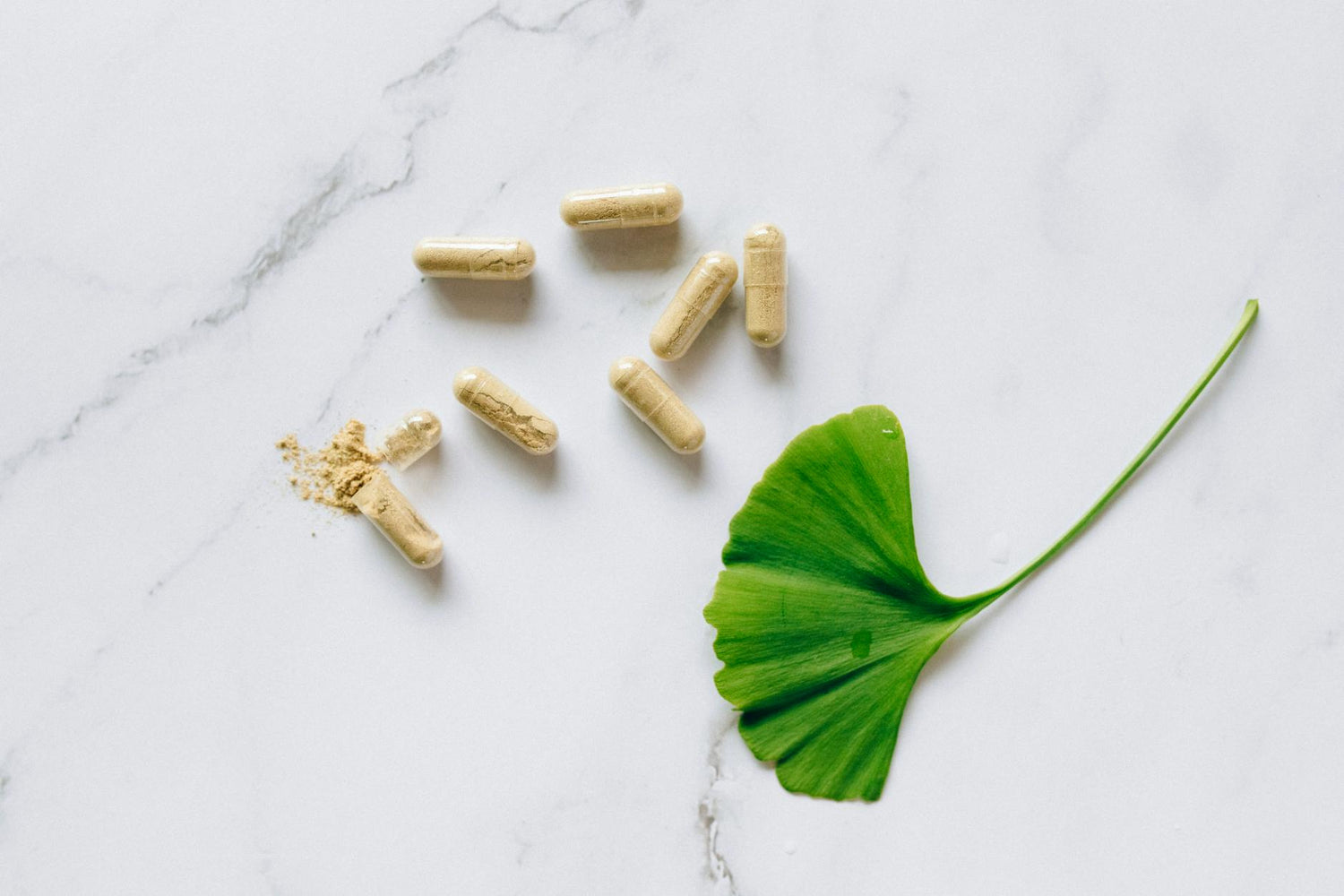
Best Memory Supplements: A Science-Backed Guide to Nootropics for Focus and Recall
The best memory supplements are those backed by clinical research—compounds like citicoline, Bacopa monnieri, L-theanine, lion's mane mushroom, and phosphatidylserine. If you're battling afternoon brain fog, preparing for exams, or simply want to stay sharp as you age, this guide breaks down exactly which brain health supplements have real evidence behind them, what dosages the studies used, and how to separate a quality cognitive support product from an overhyped one.
This article is for anyone curious about brain supplements—students seeking better concentration and learning capacity, working professionals looking for sustained focus, older adults concerned about cognitive decline, or anyone who wants to think more clearly without relying on endless cups of coffee. We reference specific clinical trials throughout, with inline citations [1]–[13] so you can verify every claim.
What Are Nootropics and How Do They Support Memory?
Nootropics are substances that may help support cognitive function, including memory formation, concentration, learning speed, mental energy, and processing speed.* The term was coined in 1972 by Romanian psychologist Corneliu Giurgea, who defined nootropics as compounds that enhance learning while being virtually free of serious side effects [1].
The category spans two broad groups:
- Natural nootropics — derived from plants, herbs, and fungi (e.g., Bacopa monnieri, lion's mane, green tea extract)
- Synthetic nootropics — lab-created compounds (e.g., racetams, modafinil), often available only by prescription in the UK
Most over-the-counter brain health supplements and memory vitamins in the UK use natural nootropics. They work through several well-documented mechanisms: increasing cerebral blood flow, supporting neurotransmitter synthesis (particularly acetylcholine and dopamine), reducing oxidative stress in neural tissue, boosting brain-derived neurotrophic factor (BDNF), or promoting nerve growth factor (NGF) activity. The strongest cognitive enhancement supplements target more than one of these pathways simultaneously, which is why multi-ingredient formulations often outperform single compounds.
A 2016 review published in Evidence-Based Complementary and Alternative Medicine by researchers at the University of Newcastle confirmed that several natural nootropics show consistent benefits for attention, memory, and executive function across randomised controlled trials [2]. The Alzheimer's Society also provides useful context on the current state of evidence for supplements and brain health.
The 5 Best Memory Supplements in 2026 (Ranked by Evidence)
Not all focus supplements deliver what they promise. Below are five ingredients with the strongest clinical backing for memory and cognitive support, ranked by the breadth and quality of available research.
1. Citicoline (CDP-Choline)
Citicoline is one of the most effective memory supplements available because it directly supplies the brain with choline—a precursor to acetylcholine, the neurotransmitter most closely associated with memory encoding, concentration, and focused attention.* A 2021 systematic review published in Nutrients found that citicoline supplementation improved attention and cognitive performance across multiple randomised controlled trials [3].
What makes citicoline particularly powerful as a cognitive support ingredient is its dual-action mechanism. Upon ingestion, citicoline is broken down into choline and cytidine. The choline feeds acetylcholine production—critical for learning and memory retrieval—while the cytidine converts to uridine, a nucleotide involved in neural membrane synthesis and repair. This dual pathway was documented in a 2012 review published in Biochemical Pharmacology by researchers at MIT [4]. You can read more about choline's role in brain function on the National Institutes of Health Office of Dietary Supplements fact sheet.
"Citicoline is rare among brain supplements because it serves double duty—providing both the choline needed for neurotransmitter production and the cytidine that converts to uridine, a building block for neural membrane repair."
- Studied dosage: 250–500 mg per day
- Onset: Some users report effects within days; full benefits may take 4–8 weeks
- Found in: Noobru Advantage, which includes citicoline as a key active ingredient at a research-backed dose
2. Bacopa Monnieri
Bacopa monnieri is an Ayurvedic herb with centuries of traditional use and a growing body of modern evidence. It may help support memory consolidation, learning speed, and information retention.* A landmark 2014 meta-analysis in the Journal of Ethnopharmacology reviewed nine randomised controlled trials and concluded that Bacopa significantly improved attention, cognitive processing, and working memory [5].
The active compounds, known as bacosides, appear to work by modulating serotonin and acetylcholine activity while also exerting antioxidant effects that protect hippocampal neurons—the brain cells most critical for forming new memories. A 2012 study from Swinburne University of Technology in Australia further confirmed that Bacopa improved memory acquisition and retention in healthy adults over a 12-week period [6].
What makes Bacopa particularly compelling as a brain health supplement is the consistency of results across different populations—benefits appeared in both younger adults and elderly participants, suggesting broad applicability for cognitive support across the lifespan.
- Studied dosage: 300–600 mg per day (standardised to 50% bacosides)
- Onset: 8–12 weeks for noticeable results—patience is essential
- Good to know: Best taken with a fat-containing meal, as bacosides are fat-soluble
3. L-Theanine + Caffeine
This pairing is arguably the most practical nootropic stack available. L-theanine, an amino acid found naturally in green tea, promotes calm alertness by increasing alpha brain wave activity and modulating glutamate signalling.* When combined with caffeine, it may help support sustained concentration and focus without the jitteriness or anxiety that caffeine alone can trigger.*
A 2008 study in Nutritional Neuroscience found that 97 mg of L-theanine combined with 40 mg of caffeine significantly improved accuracy during demanding cognitive tasks and reduced susceptibility to distraction [7]. A more recent 2021 randomised controlled trial published in the Journal of Medicinal Food confirmed these synergistic benefits on attention and memory in middle-aged adults [8]. The combination appears to improve both speed and accuracy of cognitive performance—a rare combination, as most stimulants trade accuracy for speed.
- Studied dosage: 100–200 mg L-theanine with 50–100 mg caffeine
- Onset: 30–60 minutes
- Tip: If you already drink coffee, simply add an L-theanine supplement rather than increasing your caffeine intake
4. Lion's Mane Mushroom
Lion's mane (Hericium erinaceus) is a natural nootropic that may help support nerve growth factor (NGF) production in the brain.* This makes it uniquely interesting for long-term cognitive support, neuroplasticity, and learning capacity rather than acute focus. A 2009 double-blind, placebo-controlled trial in Phytotherapy Research found that adults aged 50–80 who took lion's mane for 16 weeks scored significantly higher on cognitive function tests compared to the placebo group [9].
More recently, a 2023 study published in the Journal of Neurochemistry by researchers at the University of Queensland identified that active compounds in lion's mane (hericenones and erinacines) promoted neurite outgrowth and enhanced BDNF expression in hippocampal neurons—providing a plausible biological mechanism for the cognitive improvements observed in human trials [10]. For a broader overview of how nutrition affects brain health, the NHS guide on balanced eating offers helpful foundational advice.
"Lion's mane is the only widely available brain supplement shown to stimulate nerve growth factor synthesis—making it uniquely relevant for anyone focused on long-term brain health rather than short-term stimulation."
- Studied dosage: 750–3,000 mg per day
- Onset: 4–16 weeks
- Best for: People interested in long-term brain health, neuroplasticity, and age-related memory support
5. Phosphatidylserine
Phosphatidylserine is a phospholipid that forms a critical structural component of every cell membrane in the brain. It plays a key role in cell-to-cell communication, acetylcholine release, and dopamine regulation. Supplementation may help support memory retention and concentration, particularly in older adults experiencing age-related cognitive decline.* A review published in Nutrition found positive effects on memory and cognitive capacity at 100 mg taken three times daily [11].
The mechanism is straightforward: as we age, phosphatidylserine levels in the brain naturally decline. Supplementation helps replenish these levels, maintaining the fluidity and integrity of neuronal membranes that facilitate efficient signalling between brain cells. This is why phosphatidylserine frequently appears in brain health supplements formulated for older adults.
- Studied dosage: 100–300 mg per day
- Onset: 6–12 weeks
- Note: Often derived from soy or sunflower lecithin—check labels if you have allergies
How to Choose a Memory Supplement That Actually Works
The most important factor is whether the product contains clinically studied doses of its active ingredients. The UK supplement market is flooded with brain health supplements making bold claims, and the difference between an effective memory supplement and a waste of money usually comes down to four factors:
- Check the dose against the research. Many products include the right ingredients at a fraction of the studied dose. If a product contains 50 mg of Bacopa when the meta-analyses used 300 mg [5], it's unlikely to deliver results. Cross-reference with published trials before purchasing.
- Look for branded or standardised extracts. Terms like "standardised to 50% bacosides" or recognised branded ingredient names indicate meaningful quality control and consistency between batches.
- Avoid proprietary blends. If the label lists a "focus blend 500 mg" without individual ingredient amounts, you have no way of knowing what you're actually getting. The UK's MHRA requires accurate labelling, but proprietary blends exploit a loophole by lumping ingredients together.
- Favour transparent brands. Companies like Noobru publish full ingredient lists with exact dosages on every product. You can explore Noobru's nootropic range to see transparent labelling in practice.
Daily Habits That Enhance Memory Supplement Benefits
No brain health supplement will compensate for chronic sleep deprivation or a nutrient-poor diet. These evidence-based habits amplify the effects of any cognitive enhancement supplement and support the same neurobiological pathways:
- Sleep 7–9 hours per night. Memory consolidation occurs during deep sleep. Research published in Nature Reviews Neuroscience confirmed that sleep deprivation impairs hippocampal function—the brain region most critical for forming new memories and learning [12].
- Exercise 3–5 times per week. Aerobic exercise is one of the most potent natural ways to increase brain-derived neurotrophic factor (BDNF). A systematic review in the British Journal of Sports Medicine found that regular aerobic exercise improved memory, attention, and processing speed across all age groups [13]. BDNF supports the same neural pathways that many memory supplements target, creating a synergistic effect. The NHS physical activity guidelines recommend at least 150 minutes of moderate aerobic activity per week.
- Eat omega-3-rich foods. Fatty fish, walnuts, and flaxseed supply DHA, a structural fat that comprises roughly 25% of the brain's total fat content and is essential for synaptic plasticity.
- Stay hydrated. Even mild dehydration (1–2% body mass loss) has been shown to impair concentration and working memory in controlled laboratory studies.
- Challenge your brain daily. Learning new skills, reading, or engaging in problem-solving activities promotes neuroplasticity—the brain's ability to form new neural connections, which cognitive support supplements like lion's mane may further enhance.*
For more strategies on supporting cognitive health through lifestyle choices, visit the Noobru blog for regularly updated guides.
Common Mistakes to Avoid With Brain Health Supplements
Many people abandon brain supplements too soon or undermine their own results through avoidable errors. Here are the three most common:
- Expecting overnight transformation. Compounds like Bacopa and lion's mane require weeks of consistent use to influence neural pathways, BDNF levels, and acetylcholine activity. Stopping after five days is the single most common reason people dismiss effective memory vitamins and nootropics as useless.
- Stacking too many ingredients simultaneously. Start with one or two well-researched compounds. Adding five new cognitive support supplements at once makes it impossible to identify what's working—or what's causing a side effect.
- Ignoring timing and absorption. Some nootropics perform better in the morning (anything with caffeine), while fat-soluble ingredients like Bacopa need to be taken with food for proper absorption. Read product instructions and adjust based on your own response.
Summary: Key Takeaways on Memory Supplements
- Q: Which memory supplements have the most evidence? — Citicoline, Bacopa monnieri, and L-theanine with caffeine have the most robust clinical trial support for memory, concentration, and focus.*
- Q: What's best for long-term brain health? — Lion's mane and phosphatidylserine are strong options for sustained cognitive support, BDNF activity, and neuroplasticity over months and years.*
- Q: Does dose really matter? — Yes. Dosage matters more than brand claims. Always verify ingredient amounts against published research before purchasing any brain health supplement.
- Q: Can I rely on supplements alone? — No. Quality sleep, regular exercise, omega-3 intake, and proper hydration amplify every supplement's potential. Lifestyle is the foundation.
- Q: How long should I try a supplement? — Give any new memory supplement at least 4–12 weeks of consistent daily use before evaluating its effects.
Frequently Asked Questions
What are the best memory supplements in 2026?
The most well-researched memory supplements include citicoline (CDP-choline), Bacopa monnieri, phosphatidylserine, lion's mane mushroom, and L-theanine paired with caffeine. Each has clinical trial evidence supporting its role in memory, concentration, learning, or focus [3][5][7][9].*
Are memory supplements safe to take every day?
Most well-studied memory supplements like citicoline, L-theanine, and Bacopa monnieri have strong safety profiles for daily use in healthy adults. However, you should always consult your healthcare provider before starting any new supplement, particularly if you take prescription medication or have a pre-existing condition.
How long do memory supplements take to work?
Onset varies by ingredient. L-theanine with caffeine can take effect within 30–60 minutes [7]. Bacopa monnieri typically requires 8–12 weeks of consistent daily use before measurable improvements in recall appear [5]. Citicoline falls in between, with some users noticing changes within one to two weeks.
Can brain health supplements help with brain fog?
Certain cognitive support supplements may help support mental clarity and reduce feelings of brain fog.* Citicoline and lion's mane are among the most commonly studied ingredients for this purpose. Citicoline supports acetylcholine production [3], while lion's mane promotes nerve growth factor synthesis [9]—though results vary between individuals and depend on the underlying cause of the fog.
What is the difference between natural and synthetic nootropics?
Natural nootropics come from plants, herbs, or fungi—such as Bacopa monnieri and lion's mane. Synthetic nootropics are lab-created compounds like racetams or modafinil. Natural options are widely available over the counter in the UK and generally carry milder effects with fewer reported side effects.
Do memory supplements boost acetylcholine levels?
Some do. Citicoline provides choline, a direct precursor to acetylcholine—the neurotransmitter most closely linked to memory encoding, concentration, and learning [3][4].* Phosphatidylserine may also help support acetylcholine activity by maintaining healthy neuronal cell membranes, facilitating more efficient neurotransmitter release [11].*
Ready to try a science-backed brain health supplement for yourself? Explore Noobru Advantage—formulated with research-backed dosages of citicoline, L-theanine, and other proven cognitive support ingredients. Simply mix with water and drink daily for sharper thinking.*
References
- Giurgea, C. (1972). Pharmacology of integrative activity of the brain. Actualités Pharmacologiques, 25, 115–156. PubMed
- Suliman, N.A. et al. (2016). Establishing natural nootropics: recent molecular enhancement influenced by natural nootropic. Evidence-Based Complementary and Alternative Medicine, 2016, 4391375. PMC
- Jasielski, P. et al. (2021). Application of citicoline in neurological disorders: a systematic review. Nutrients, 12(10), 3113. PubMed
- Wurtman, R.J. et al. (2000). Effect of oral CDP-choline on plasma choline and uridine levels in humans. Biochemical Pharmacology, 60(7), 989–992. PubMed
- Kongkeaw, C. et al. (2014). Meta-analysis of randomized controlled trials on cognitive effects of Bacopa monnieri extract. Journal of Ethnopharmacology, 151(1), 528–535. PubMed
- Stough, C. et al. (2001). The chronic effects of an extract of Bacopa monniera on cognitive function in healthy human subjects. Psychopharmacology, 156(4), 481–484. PubMed
- Owen, G.N. et al. (2008). The combined effects of L-theanine and caffeine on cognitive performance and mood. Nutritional Neuroscience, 11(4), 193–198. PubMed
- Baba, Y. et al. (2021). Effects of L-theanine on cognitive function in middle-aged and older subjects. Journal of Medicinal Food, 24(4), 333–341. PubMed
- Mori, K. et al. (2009). Improving effects of the mushroom Yamabushitake on mild cognitive impairment. Phytotherapy Research, 23(3), 367–372. PubMed
- Martínez-Mármol, R. et al. (2026). Hericerin derivatives from Hericium erinaceus exert BDNF-like neurotrophic activity. Journal of Neurochemistry, 166(1), 41–62. Wiley
- Glade, M.J. & Smith, K. (2015). Phosphatidylserine and the human brain. Nutrition, 31(6), 781–786. PubMed
- Krause, A.J. et al. (2017). The sleep-deprived human brain. Nature Reviews Neuroscience, 18, 404–418. Nature
- Northey, J.M. et al. (2018). Exercise interventions for cognitive function in adults older than 50. British Journal of Sports Medicine, 52(3), 154–160. BJSM
*These statements have not been evaluated by the Food and Drug Administration (FDA) or the Medicines and Healthcare products Regulatory Agency (MHRA). This product is not intended to diagnose, treat, cure, or prevent any disease. Food supplements should not be used as a substitute for a varied, balanced diet and healthy lifestyle. The research cited reflects currently available evidence; individual results may vary, and ongoing studies may alter the scientific consensus. Always consult your healthcare provider before starting any supplement regimen.


Leave a comment
All comments are moderated before being published.
This site is protected by hCaptcha and the hCaptcha Privacy Policy and Terms of Service apply.