




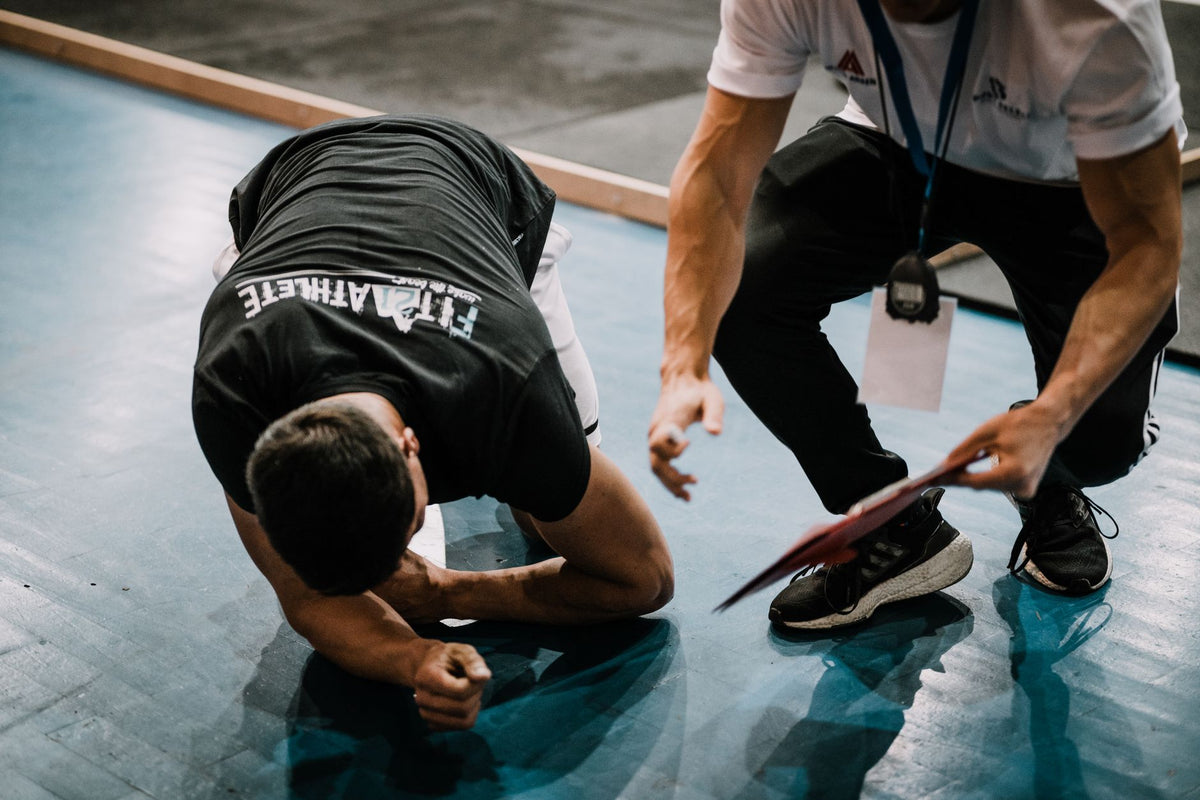
Here's the argument most performance coaching articles won't make: motivation is not the bottleneck. Neuroscience literacy is. Performance coaching for athletes fails most often not because athletes lack drive, but because neither they nor their coaches understand the neurochemistry behind focus, stress, and adaptation. In 2026, the athletes pulling ahead are the ones who treat their brain as trainable tissue — not just a source of willpower.
This article explains why neuroscience-informed coaching outperforms motivation-based approaches, based on the mechanistic evidence from clinical trials in stress physiology, sleep science, and cognitive neuroscience published in the last six years. It covers the five capabilities that separate athletes who perform in training from those who perform when it counts.
What Does Performance Coaching for Athletes Actually Involve?
Performance coaching for athletes is a structured, ongoing process that develops the cognitive, emotional, and neurological skills required to compete under pressure. It is not sports psychology — which focuses on clinical diagnosis and treatment — but a proactive system for building mental architecture.
The distinction matters. A sprinter with a 10.1-second 100m in training who runs 10.4 at championships doesn't have a conditioning problem. They have a coaching problem — their brain is restricting what their body can do.
Modern performance coaching in 2026 draws on neuroscience, sleep science, nutritional biochemistry, and behavioural psychology. It recognises that your body can only express the fitness your brain permits. The five areas below are where the evidence is strongest and the competitive return is highest.
How Do Athletes Regulate Stress Under Competition Pressure?
By training the hypothalamic-pituitary-adrenal (HPA) axis to respond proportionally rather than catastrophically. When cortisol and adrenaline flood the system unchecked, fine motor control deteriorates, decision-making slows, and muscle tension climbs — precisely the opposite of what competition demands.
Effective stress regulation isn't about eliminating nerves. It's about narrowing the gap between your training self and your competition self. Practical techniques include:
- Box breathing (4-4-4-4 seconds): Activates the vagus nerve, shifting the autonomic nervous system towards parasympathetic dominance within minutes.
- Progressive muscle relaxation: Systematically releasing tension group by group — especially useful the night before competition.
- Graduated exposure: Simulating competitive pressure in training (crowd noise, time constraints, stakes) so the HPA axis habituates before race day.
Adaptogenic compounds offer a complementary route. Rhodiola Rosea acts on the HPA axis to modulate cortisol and adrenaline response, whilst also increasing serotonin and dopamine availability. A study published in Phytomedicine found significant reduction in mental fatigue alongside improved associative thinking, short-term memory, and calculation in stressed individuals (Ishaque et al., 2012).*
Ashwagandha is another adaptogen with strong evidence. A randomised controlled trial demonstrated significant reduction in stress assessment scores and serum cortisol levels versus placebo (Chandrasekhar et al., 2012).* For athletes, this may translate to calmer pre-competition states and faster post-event recovery.*
The neuroscience takeaway: stress regulation isn't a soft skill. It's HPA axis conditioning — as trainable as VO2 max, and arguably more decisive on competition day.
How Do You Build Attentional Control for Sport?
By treating focus as a composite skill with four distinct modes — broad, narrow, internal, and external — and drilling transitions between them. A tennis player needs broad external focus to read an opponent's body language, then narrow internal focus to execute a serve. All within seconds.
Three techniques form the core of attentional training:
- Cue words: Single words that anchor attention to the present motor task — "smooth" for a golf swing, "drive" for a final sprint. Simple, but surprisingly effective at blocking intrusive thoughts.
- Pre-performance routines: Consistent action sequences that narrow focus and exclude distractors. The basketball free-throw routine is the textbook example, but every sport has equivalents.
- Attentional flexibility drills: Structured exercises that practise switching between focus modes on command — the mental equivalent of agility ladder work.
Neurochemically, sustained attention depends on acetylcholine and catecholamine systems. L-Theanine — an amino acid found in tea — promotes alpha brain wave activity associated with calm alertness. When combined with caffeine, research suggests it may improve speed and accuracy of attention tasks versus either compound alone (Owen et al., 2008).* This is particularly relevant for athletes who want cognitive sharpness without jitteriness.
Citicoline provides choline — a precursor to acetylcholine, the learning neurotransmitter — and cytidine, which converts to uridine to support synaptic plasticity. A 2015 study found improved attention and psychomotor speed alongside increased frontal lobe bioenergetics on MRI* — meaningful findings for athletes whose sport demands rapid decision-making.
Quotable truth: "Focus isn't concentration. It's the ability to choose what to concentrate on — and change your mind in a heartbeat."
Why Is Sleep the Most Undercoached Variable in Athletic Performance?
Because coaches treat it as passive rest rather than the active neurological process it actually is. Sleep is where physical adaptation, motor memory consolidation, and emotional processing occur. A 2024 meta-analysis in the British Journal of Sports Medicine found that athletes sleeping fewer than seven hours per night had a 1.7× higher injury risk (BJSM, 2024) — a figure that makes sleep coaching arguably more impactful than any single training session.
Performance coaching addresses sleep through three mechanisms:
- Sleep hygiene protocols: Consistent wake times, strategic light exposure, temperature control, and screen curfews. Non-glamorous, highly effective.
- Pre-sleep wind-down routines: Structured 30–60 minute sequences that shift the nervous system from sympathetic to parasympathetic dominance.
- Travel sleep management: Jet lag strategies, unfamiliar-environment protocols, and techniques for managing pre-competition anxiety that disrupts sleep onset.
Nutritional support is an area with growing evidence. Ashwagandha at clinical doses (300–1,000 mg) may help reduce cortisol and support GABA receptor activity, producing calming effects that could assist with sleep onset.* Magnesium glycinate — a highly absorbable form bound to the calming amino acid glycine — may support relaxation and mineral homeostasis.* Montmorency cherry, rich in anthocyanins and natural melatonin precursors, has also attracted research interest for sleep quality support.*
The competitive implication: two athletes with identical physical programmes will diverge dramatically over a season if one sleeps seven hours and the other sleeps eight. Mental resilience, injury rates, and skill acquisition all compound through sleep.
How Does Nutrition Affect the Athletic Brain?
Your brain consumes roughly 20% of your total energy despite comprising only 2% of your body mass. During competition, that demand increases further as cognitive processing, spatial awareness, and emotional regulation run at peak load simultaneously.
Nutritional neuroscience — the study of how specific nutrients affect brain function and neurotransmitter production — is an increasingly central part of performance coaching in 2026. Key areas include:
- Acetylcholine support: Alpha GPC has been studied for its role in increasing acetylcholine production and neuronal membrane fluidity. One study in the Journal of the International Society of Sports Nutrition evaluated its effects on physical and psychomotor performance.*
- Catecholamine precursors: L-Tyrosine is a precursor to dopamine and norepinephrine — neurotransmitters that may help maintain cognitive performance under the acute stress of competition.*
- B-vitamin status: Vitamin B5 is essential for energy metabolism and hormone synthesis, with cerebral deficiency linked to neurodegeneration in research. Vitamin B6 supports neurotransmitter synthesis and homocysteine metabolism.*
- Neuromodulation: Taurine supports neuronal development and protection, with research confirming its role in regulating neuroendocrine function (Schaffer & Kim, 2018).*
The practical challenge is compliance. Most athletes already manage macronutrient timing, hydration protocols, and competition nutrition plans. Adding a complex nootropic regimen creates friction. This is where well-formulated supplements become genuinely useful — consolidating multiple evidence-based ingredients into a single daily habit rather than a handful of capsules.
What Role Does Psychology Play in Physical Recovery?
A decisive one. Recovery is not passive downtime — the psychological state you bring to rest days, deload weeks, and injury rehabilitation directly affects physiological adaptation. Athletes who experience guilt, anxiety, or restlessness during recovery show elevated cortisol, disrupted sleep, and slower tissue repair.
In other words, they sabotage the very process rest is meant to support. Performance coaching addresses this through:
- Cognitive reframing: Understanding that adaptation occurs during rest, not during the session itself. This sounds obvious; behaviourally, it's extremely difficult for driven athletes.
- Active mental recovery: Visualisation, journalling, and low-arousal mindfulness practices that maintain engagement without physical stress.
- Injury psychology: Structured approaches to the grief, frustration, and identity disruption that injuries cause — before they spiral into clinical depression.
Ginseng has been studied for its effects on stress-related depression and anxiety through modulation of the HPA axis (Lee & Rhee, 2017).* For athletes navigating demanding recovery phases, adaptogenic support may complement these psychological techniques.
Quotable truth: "The hardest thing a competitive athlete will ever do is rest intelligently. That's a skill, not a personality flaw."
Putting It Together: A Practical Coaching Framework
The five capabilities above aren't a checklist — they're interconnected. Poor sleep degrades attentional control. Unregulated stress disrupts recovery. Nutritional gaps weaken every other pillar. The value of a neuroscience-informed approach is that it reveals why these connections exist, so athletes and coaches can prioritise based on individual weak links rather than following a generic programme.
A practical starting framework for any athlete in 2026:
- Audit your competitive gap: Where is the largest difference between your training output and competition output? That reveals your priority pillar.
- Start with sleep: It compounds everything else. Fix sleep hygiene before adding mental skills training.
- Add one breathing protocol: Box breathing (4-4-4-4) before every session for two weeks. This alone shifts the HPA axis baseline.
- Introduce cue words: Pick one per discipline. Use it in training until it becomes automatic, then deploy it in competition.
- Consider nutritional support: If stress regulation or focus are priority pillars, evidence-based compounds like Rhodiola, L-Theanine, or Citicoline may accelerate progress when combined with coaching techniques.*
For athletes looking for convenience, Noobru's drinkable formulas address several of these pillars without adding complexity:
- Noobru Sprint combines Taurine (1,253 mg), Ashwagandha (200 mg), Caffeine (100 mg) with L-Theanine, and Citicoline — targeting the focus and stress-regulation capabilities in a clean pre-session format.*
- Noobru Pro includes Rhodiola Rosea (200 mg), Acetyl L-Carnitine (500 mg), and Phosphatidylserine — designed for athletes managing chronic training load and mental fatigue.*
- Noobru Lucid addresses sleep with Ashwagandha (1,000 mg), Montmorency Cherry, Magnesium Glycinate, Passion Flower, and L-Theanine — formulated to support restorative sleep without next-day grogginess.*
All Noobru products use full clinical doses with no proprietary blends. They're batch-tested for purity and available as single-serve sachets — practical for training bags and competition travel.
Frequently Asked Questions
What is performance coaching for athletes?
Performance coaching for athletes is a structured approach that develops the mental, emotional, and cognitive skills needed to compete consistently under pressure. It covers stress regulation, attentional control, sleep optimisation, nutritional neuroscience, and recovery psychology — the capabilities that determine whether physical fitness translates into competitive results.
How is performance coaching different from sports psychology?
Sports psychology is a clinical discipline that diagnoses and treats mental health conditions. Performance coaching is proactive — it builds daily cognitive habits, routines, and nutritional strategies that raise baseline mental performance rather than treating problems after they arise.
Can supplements genuinely help athletic mental performance?
Certain ingredients have peer-reviewed evidence supporting their roles in stress regulation and cognitive function. For example, Rhodiola Rosea has been shown to reduce mental fatigue*, and L-Theanine combined with caffeine may improve attention task speed and accuracy*. Supplements should complement, not replace, a comprehensive coaching programme. Always consult your healthcare provider before starting any new supplement.
How long does performance coaching take to show results?
Most athletes report noticeable changes in focus and stress management within four to six weeks of consistent mental skills practice. Deeper shifts in competitive mindset, mental resilience, and automatic self-regulation typically emerge over three to six months of dedicated work.
Do amateur athletes benefit from performance coaching?
Absolutely. The cognitive demands of competition apply at every level. Amateur athletes often see even greater relative improvements because they've typically spent years training physically without structured mental skills work — meaning the untapped margin for gains is larger.
Key Takeaways
- Performance coaching for athletes is most effective when grounded in neuroscience rather than generic motivational techniques.
- The five core capabilities — stress regulation, attentional control, sleep quality, nutritional neuroscience, and recovery psychology — are interconnected: weakness in one degrades all the others.
- Sleep is the highest-leverage variable. Athletes sleeping under seven hours face 1.7× higher injury risk, and sleep quality compounds every other coaching intervention.
- Adaptogens such as Rhodiola Rosea and Ashwagandha have peer-reviewed evidence supporting roles in cortisol regulation and mental fatigue reduction.*
- Focus is not "concentration" — it's the ability to shift between four distinct attentional modes on demand. This is trainable.
- The competitive mindset athletes need isn't more intensity — it's better neurological self-management.
Ready to support the mental side of your athletic performance? Noobru's range of drinkable nootropic supplements — from the competition-focused Sprint to the recovery-supporting Lucid — delivers clinically dosed ingredients in a format designed for athletes on the move.
Try Noobru risk-free with our 90-day money-back guarantee →References
- Ishaque, S., Shamseer, L., Bukutu, C., & Vohra, S. (2012). Rhodiola rosea for physical and mental fatigue: a systematic review. BMC Complementary and Alternative Medicine, 12, 70. PubMed.
- Chandrasekhar, K., Kapoor, J., & Anishetty, S. (2012). A prospective, randomized double-blind, placebo-controlled study of safety and efficacy of a high-concentration full-spectrum extract of Ashwagandha root. Indian Journal of Psychological Medicine, 34(3), 255–262. PubMed.
- Owen, G. N., Parnell, H., De Bruin, E. A., & Rycroft, J. A. (2008). The combined effects of L-theanine and caffeine on cognitive performance and mood. Nutritional Neuroscience, 11(4), 193–198. PubMed.
- Schaffer, S., & Kim, H. W. (2018). Effects and mechanisms of taurine as a therapeutic agent. Biomolecules & Therapeutics, 26(3), 225–241. PubMed.
- Lee, S., & Rhee, D. K. (2017). Effects of ginseng on stress-related depression, anxiety, and the hypothalamic-pituitary-adrenal axis. Journal of Ginseng Research, 41(4), 589–594. PubMed.
- Evaluation of the effects of two doses of alpha glycerylphosphorylcholine on physical and psychomotor performance. Journal of the International Society of Sports Nutrition.
- Watson, A. et al. (2026). Sleep duration and injury risk in athletes: a systematic review and meta-analysis. British Journal of Sports Medicine. BJSM.
This article was written by Dr. Elena Shaw and reviewed by the Noobru editorial team. Last updated: September 2026.
*These statements have not been evaluated by the Food and Drug Administration or MHRA. This product is not intended to diagnose, treat, cure, or prevent any disease. Always consult your healthcare provider before starting any supplement regimen.


Leave a comment
All comments are moderated before being published.
This site is protected by hCaptcha and the hCaptcha Privacy Policy and Terms of Service apply.