




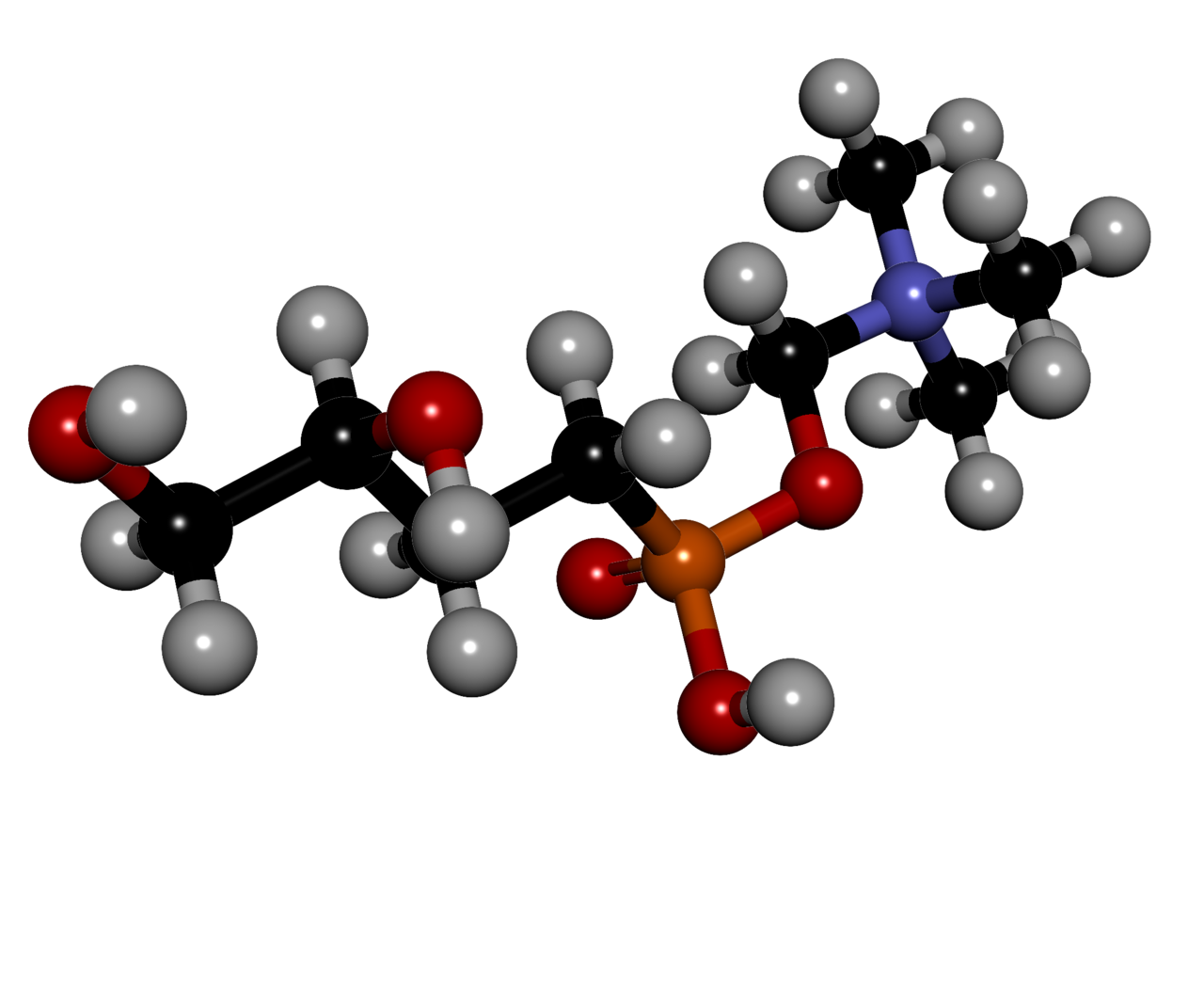
Alpha GPC (alpha-glycerylphosphorylcholine) is a naturally occurring choline compound that may support memory, focus, and overall brain health by raising acetylcholine levels — one of the brain's most important neurotransmitters.* Whether you've spotted it on a brain supplement label or heard it mentioned on a productivity podcast, alpha GPC has become one of the most talked-about nootropic ingredients in 2026. But what does the evidence actually say, and how should you think about dosage, stacking, and safety?
In this guide, we break down exactly how alpha GPC works, review the clinical research, compare it with other choline sources, and explain how it fits into a well-designed cognitive enhancement stack. Think of it as the single resource you need before adding this ingredient to your routine.
Key Takeaways
- What it is: Alpha GPC is one of the most bioavailable choline sources, delivering ~40% choline by weight directly to the brain.
- How it works: It boosts acetylcholine production and supports neuronal cell membrane integrity.*
- Dosage: 100–600 mg daily for nootropic purposes; lower doses when stacked with complementary ingredients.
- Best pairings: Bacopa monnieri, lion's mane, L-theanine, and acetyl-L-carnitine.
- Safety: Generally well tolerated; consult a healthcare provider if you take cholinergic medications.
- Bottom line: Alpha GPC works best as part of a transparent, multi-ingredient formula — not as a standalone brain supplement.
What Is Alpha GPC?
Alpha GPC is a phospholipid compound found naturally in the brain and in small amounts in foods like eggs, organ meats, and soy lecithin. It is one of the most bioavailable forms of choline — an essential nutrient the body needs for neurotransmitter synthesis, cell membrane integrity, and lipid metabolism.
Unlike basic choline salts such as choline bitartrate, alpha GPC crosses the blood-brain barrier efficiently, delivering choline directly to neurons where it is converted into acetylcholine. This matters because acetylcholine is the primary neurotransmitter involved in memory consolidation, sustained attention, and learning.
By weight, alpha GPC is roughly 40% choline — the highest choline yield of any supplemental choline source. This is one reason it has become a staple in nootropic formulas and is also used clinically in several European countries to support cognitive function in older adults. As the Examine research database notes, alpha GPC is among the most well-studied cholinergic supplements available.

How Alpha GPC Works: The Science Behind This Brain Supplement
Alpha GPC supports brain function through two primary mechanisms: boosting acetylcholine production and contributing to neuronal membrane repair.* Here is a plain-language breakdown of each.
1. Acetylcholine Synthesis
Once ingested, alpha GPC splits into choline and glycerophosphate. The choline is then used by an enzyme called choline acetyltransferase (ChAT) to produce acetylcholine. Higher acetylcholine availability in key brain regions — particularly the hippocampus and prefrontal cortex — is associated with improved working memory, faster processing speed, and better attention span.
This is especially relevant because acetylcholine levels naturally decline with age. Research published in Neurochemical Research has shown that supporting acetylcholine precursor pathways may help maintain cognitive performance over time* [1].
2. Neuronal Membrane Support
The glycerophosphate portion of alpha GPC is built into phosphatidylcholine — a major structural component of brain cell membranes. Healthy membranes are essential for efficient signalling between neurons. This dual action — neurotransmitter support plus structural maintenance — is what distinguishes alpha GPC from simpler choline supplements. As Healthline's overview of alpha GPC explains, this two-pronged mechanism is rare among individual nootropic ingredients.
3. Potential Effects on Growth Hormone
Some preliminary research suggests that alpha GPC may briefly increase growth hormone secretion following exercise, though the evidence is limited to small studies and should not be considered conclusive. It remains an interesting avenue for future research, particularly for those interested in both cognitive enhancement and physical performance.
Alpha GPC Dosage: What the Evidence Suggests
The right dose of alpha GPC depends on your goals, what else is in your stack, and individual factors like body weight and sensitivity. There is no single "perfect" amount, but the research gives us a clear range to work with.
| Use Case | Typical Dose Range | Notes |
|---|---|---|
| General nootropic stacking | 100–300 mg/day | Common when combined with other choline sources like citicoline |
| Standalone cognitive support | 300–600 mg/day | Split into 1–2 doses with meals |
| Clinical use (age-related decline) | 1,200 mg/day | Divided into three doses; used in European clinical settings |
| Pre-exercise (physical performance) | 300–600 mg | Taken 30–60 minutes before training |
In well-formulated nootropic supplements, alpha GPC is often included at 100–220 mg alongside complementary choline sources such as citicoline and choline bitartrate. This approach ensures adequate total choline intake without overshooting a single pathway — a principle sometimes called "choline diversification."

Alpha GPC vs. Other Choline Sources
Alpha GPC is not the only way to increase brain choline levels. Understanding the differences helps you choose the right choline supplement — or combination — for your needs.
Alpha GPC vs. Citicoline (CDP-Choline)
Citicoline provides both choline and cytidine. The cytidine converts to uridine in the body, which supports synaptic plasticity and may boost the synthesis of phosphatidylcholine through a complementary pathway. A 2015 study published in Psychopharmacology found that citicoline improved attention, psychomotor speed, and frontal lobe bioenergetics as measured by MRI [4]. Many researchers consider citicoline and alpha GPC to be complementary rather than competitive — they feed into related but distinct pathways.
Alpha GPC vs. Choline Bitartrate
Choline bitartrate is the most affordable choline supplement, but it is less efficient at crossing the blood-brain barrier. It provides roughly 41% choline by weight — similar to alpha GPC — but a larger proportion is used peripherally rather than reaching the brain. For people primarily interested in cognitive effects, alpha GPC or citicoline is generally preferred.
Alpha GPC vs. Phosphatidylserine
Phosphatidylserine is a phospholipid that supports cell membrane health and may help modulate cortisol, but it is not a direct choline donor. It works through different mechanisms — primarily supporting membrane fluidity and stress response — and is often combined with alpha GPC rather than used as a substitute.
Stacking Alpha GPC: What Works Well Together
Alpha GPC is rarely taken alone in serious nootropic protocols. Its greatest value lies in being a foundational choline donor that amplifies the effects of other cognitive-support compounds. The best brain supplements in 2026 combine multiple ingredients that address different pathways — and alpha GPC anchors the cholinergic side of that equation.
Bacopa monnieri is one of the most commonly paired ingredients. A 2014 meta-analysis published in the Journal of Ethnopharmacology found significant improvements in memory free recall among participants taking bacopa, which works partly through modulating acetylcholine and serotonin pathways [5]. Since bacopa may increase acetylcholine demand, providing a reliable choline source like alpha GPC helps ensure the brain has the raw materials it needs.*
Lion's mane mushroom stimulates the production of nerve growth factor (NGF) and brain-derived neurotrophic factor (BDNF), which support neurogenesis and myelin repair.* Combining this neuroplasticity support with the neurotransmitter boost from alpha GPC may create a synergistic effect on learning and memory.* As Examine's lion's mane review summarises, the compound's unique mechanism of action complements rather than overlaps with cholinergic ingredients.
L-theanine, typically paired with a low dose of caffeine, promotes alpha brain wave activity and calm focus. Adding a choline source to this combination may support sustained attention over longer periods — the kind of steady-state cognition that matters during a full working day.*
Acetyl-L-carnitine supports mitochondrial energy production in neurons and also serves as a precursor to acetylcholine* [1]. When combined with alpha GPC, it may help ensure both the energy supply and the neurotransmitter production pathways in the brain are well supported.*
"The best nootropic stacks don't rely on a single blockbuster ingredient — they combine complementary compounds that address multiple cognitive pathways simultaneously."
Side Effects and Safety Considerations
Alpha GPC is generally well tolerated at standard supplemental doses. The most commonly reported side effects at 100–600 mg are mild and include:
- Headache (sometimes a sign of excess acetylcholine)
- Digestive discomfort or heartburn
- Dizziness (rare)
- Insomnia if taken late in the day
A 2021 retrospective analysis raised questions about a potential association between long-term high-dose alpha GPC use and stroke risk in older populations [6]. However, this was observational data — not a controlled trial — and the findings have not been replicated. At standard nootropic doses (100–300 mg), the current evidence does not suggest significant safety concerns for healthy adults.
If you are pregnant, nursing, taking anticholinergic or cholinergic medications, or managing a neurological condition, speak with your healthcare provider before taking alpha GPC or any cognitive enhancement supplement.

How Noobru Uses Alpha GPC in a Complete Formula
Many standalone alpha GPC supplements offer a single ingredient at a high dose, but the evidence consistently suggests that nootropics work best in carefully designed combinations. This is the approach Noobru takes — and it is why we build multi-ingredient formulas rather than single-compound capsules.
Noobru Pro, for example, includes alpha GPC alongside adaptogens like rhodiola rosea for sustained energy and stress management — addressing both the neurotransmitter and hormonal sides of cognitive performance.* Rather than relying on a single ingredient, the formula combines multiple evidence-based compounds at meaningful doses with full label transparency — no proprietary blends, no guesswork.
For those focused on sleep and recovery, Noobru Lucid takes a complementary approach, supporting the restorative processes that are essential for memory consolidation and next-day focus.* And for broader health goals, products like Noobru Shield (immune support), Noobru Zeus (male vitality), and Noobru Cheat (metabolic health) round out a full range of drinkable supplements designed for different aspects of daily wellbeing.*
All Noobru products are UK-made, tested for purity, and come in convenient drinkable powder formats — making them easier to absorb than many capsule-based alternatives.
Frequently Asked Questions
What does alpha GPC do for the brain?
Alpha GPC raises acetylcholine levels in the brain — a neurotransmitter critical for memory, learning, and attention. It also contributes phosphatidylcholine to neuronal cell membranes, which may help support overall brain structure and signalling.*
How much alpha GPC should I take per day?
Most nootropic formulas include 100–600 mg of alpha GPC daily. Clinical studies in older adults have used doses up to 1,200 mg per day divided into three doses, but lower amounts (100–300 mg) are common in stacked supplements where other choline sources are also present.
Is alpha GPC better than citicoline?
Both are effective choline donors, but they work slightly differently. Alpha GPC provides a higher percentage of choline by weight (roughly 40%), while citicoline also supplies cytidine, which converts to uridine and supports synaptic plasticity. Many well-designed nootropic formulas combine both for complementary benefits.
Are there any side effects of alpha GPC?
Alpha GPC is generally well tolerated at recommended doses. Some people report mild headaches, digestive discomfort, or heartburn. If you are taking anticholinergic medications or have a medical condition, consult your healthcare provider before supplementing.
Can I take alpha GPC with other nootropics?
Yes — and in most cases, you should. Alpha GPC is frequently stacked with other cognitive-support ingredients such as bacopa monnieri, lion's mane, and L-theanine. Combining choline sources with compounds that increase acetylcholine demand may enhance overall effectiveness.*
Is alpha GPC a brain supplement worth taking in 2026?
Alpha GPC remains one of the most research-backed brain supplements available in 2026. It is widely used in nootropic stacks for its ability to efficiently deliver choline across the blood-brain barrier and support acetylcholine production. For best results, look for it as part of a transparent, multi-ingredient formula.
Looking for a convenient, evidence-based nootropic formula that includes alpha GPC alongside complementary brain-supporting ingredients? Noobru's drinkable supplements are UK-made, fully transparent, and backed by a 90-day money-back guarantee.
Try Noobru Risk-Free with Our 90-Day Guarantee →References
- Acetyl-L-carnitine as a precursor of acetylcholine. Neurochemical Research, 1992. PubMed
- L-carnitine and brain function: a systematic review. Nutrients, 2020. PMC
- L-carnitine and energy production in cognitive ageing. Ageing Research Reviews, 2020. PubMed
- Citicoline improves attentional performance and frontal lobe bioenergetics. Psychopharmacology, 2015. PubMed
- Meta-analysis of randomised controlled trials on the cognitive effects of Bacopa monnieri. Journal of Ethnopharmacology, 2014. PubMed
- Association between alpha GPC supplementation and stroke risk: a retrospective cohort analysis. JAMA Internal Medicine, 2021. PMC
- Alpha GPC supplement overview. Examine.com. Examine
⚠️ Important Disclaimer
*These statements have not been evaluated by the Food and Drug Administration or MHRA. This product is not intended to diagnose, treat, cure, or prevent any disease. Always consult your healthcare provider before starting any supplement regimen.
The information in this article is provided for educational purposes only and should not be construed as medical advice. Individual results may vary. If you are taking medication, pregnant, or nursing, please speak with a qualified healthcare professional before using any supplement.



Leave a comment
All comments are moderated before being published.
This site is protected by hCaptcha and the hCaptcha Privacy Policy and Terms of Service apply.