





Nootropics for Focus and Memory: What Actually Works in 2026
Nootropics for focus and memory have moved from niche biohacking forums into the mainstream. In 2026, the global cognitive supplement market is projected to exceed £6.5 billion [1], and for good reason — more people than ever are looking for safe, evidence-backed ways to sharpen concentration, retain information, and stay mentally sharp under pressure.
But the sheer number of products and ingredients makes choosing difficult. This guide cuts through the noise. Below, you'll find the specific nootropic compounds with the strongest clinical evidence, how they work, how long they take, and how to build a stack that suits your goals.
This article is for anyone curious about brain supplements — whether you're a student revising for exams, a professional managing complex workloads, or simply someone who wants to maintain cognitive health as you age.
What Are Nootropics and How Do They Support Cognition?
Nootropics are compounds that may help support cognitive functions such as memory, focus, creativity, and mental energy.* The term was coined in 1972 by Romanian psychologist Corneliu Giurgea, who defined nootropics as substances that enhance learning while being extremely low in toxicity.
Modern nootropics fall into two broad categories:
- Natural nootropics — plant extracts, amino acids, and vitamins with cognitive research behind them (e.g., Bacopa monnieri, L-theanine, Lion's Mane mushroom)
- Synthetic nootropics — lab-created compounds like racetams, which are prescription-only in many countries
This guide focuses exclusively on natural nootropics, which are available without prescription and have well-documented safety profiles.
At the neurological level, these compounds work through several mechanisms:
- Neurotransmitter modulation — increasing acetylcholine, dopamine, or serotonin availability
- Neuroprotection — reducing oxidative stress and inflammation in brain tissue
- Neuroplasticity — supporting the brain's ability to form new connections
- Cerebral blood flow — improving oxygen and nutrient delivery to the brain
The 6 Most Evidence-Backed Nootropics for Focus and Memory
Not all cognitive supplements are created equal. These six ingredients have the strongest human clinical trial data supporting their roles in focus, memory, or both.
1. Bacopa Monnieri — The Memory Specialist
Bacopa monnieri is one of the most studied natural memory supplements available. A landmark 2002 randomised controlled trial published in Neuropsychopharmacology found that participants taking 300 mg of Bacopa daily for 12 weeks showed significantly improved speed of information processing, working memory, and word recall compared to placebo [2].
A 2014 meta-analysis of nine studies confirmed Bacopa's potential to improve attention and cognitive processing speed [3].
How it works: Bacopa's active compounds (bacosides) may help support acetylcholine signalling and protect neurons from oxidative damage.*
Effective dose: 300–600 mg daily (standardised to 50% bacosides)
Time to notice effects: 8–12 weeks of consistent use
2. Lion's Mane Mushroom — Neuroplasticity Support
Lion's Mane (Hericium erinaceus) is unique among nootropics because it may help stimulate the production of nerve growth factor (NGF), a protein critical for neuron maintenance and growth.*
A 2009 Japanese study in Phytotherapy Research found that older adults with mild cognitive impairment who took 3 g of Lion's Mane daily for 16 weeks scored significantly higher on cognitive function tests than the placebo group [4].
Effective dose: 500–3,000 mg daily
Time to notice effects: 4–8 weeks
3. L-Theanine — Calm, Sustained Focus
L-theanine is an amino acid found naturally in green tea. It may help promote alpha brain wave activity — the same pattern associated with relaxed alertness and creative thinking.*
When combined with caffeine, L-theanine produces what researchers call "alert calm" — improved focus and reaction time without the jitteriness of caffeine alone. A 2008 study in Nutritional Neuroscience confirmed this synergy at doses of 97 mg L-theanine with 40 mg caffeine [5].
Effective dose: 100–200 mg (often paired with 50–100 mg caffeine)
Time to notice effects: 30–60 minutes
4. Phosphatidylserine — The Cell Membrane Builder
Phosphatidylserine (PS) is a phospholipid that makes up about 15% of the brain's total phospholipid pool. It plays a crucial role in cell signalling, neurotransmitter release, and synaptic function.
A review published in Nutrition found that supplementation with 100–300 mg of PS daily may help support short-term memory, concentration, and word recall in older adults.* Multiple studies suggest particular benefit for age-related cognitive decline [6].
Effective dose: 100–300 mg daily
Time to notice effects: 4–12 weeks
5. Citicoline (CDP-Choline) — Attention and Mental Energy
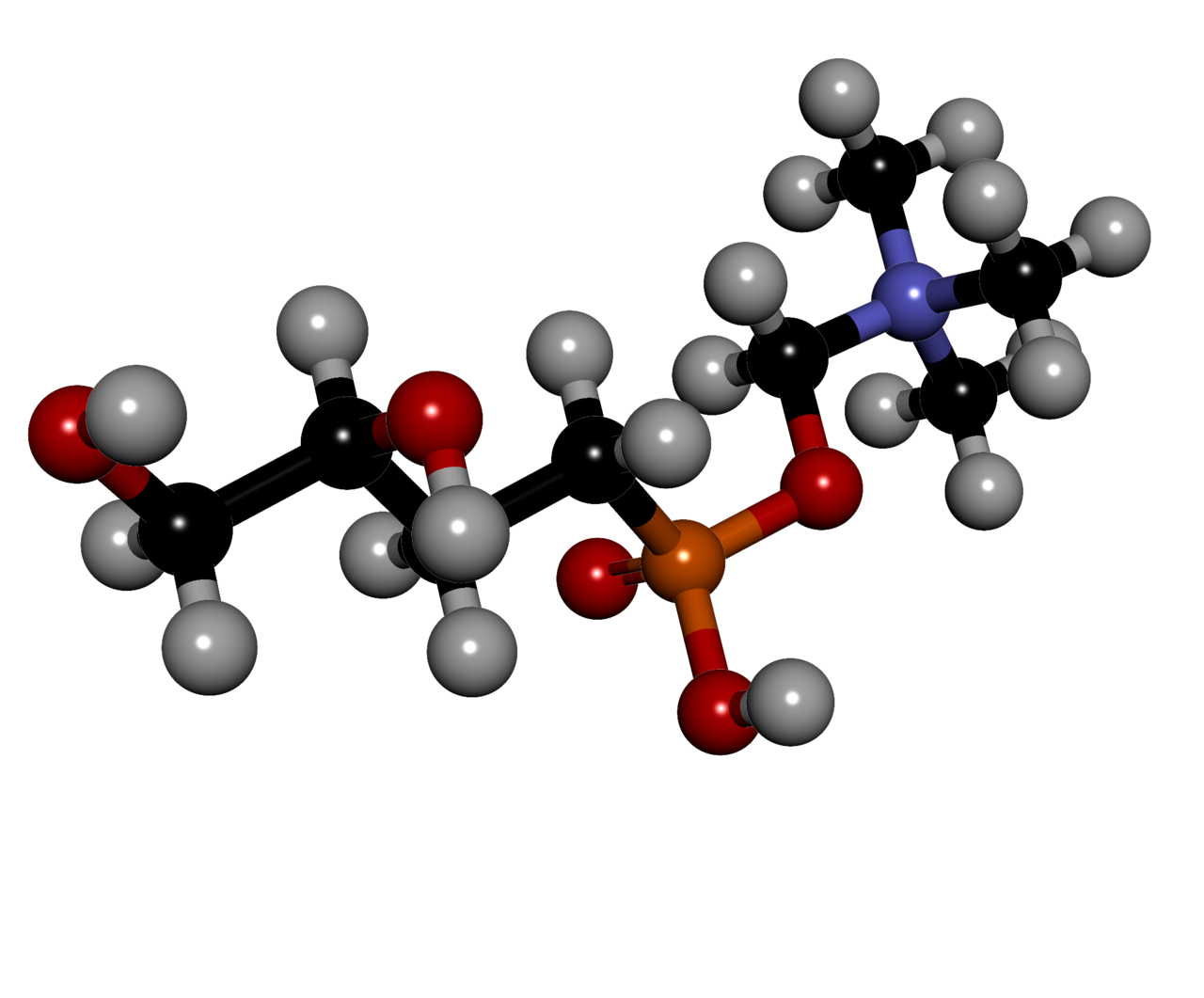
Citicoline is a naturally occurring compound that serves as a precursor to both acetylcholine (the "learning neurotransmitter") and phosphatidylcholine (a key component of cell membranes).
A 2015 randomised trial found that healthy adults taking 250–500 mg of citicoline daily for 28 days showed improved sustained attention and reduced impulsivity on computerised cognitive tests [7].
Effective dose: 250–500 mg daily
Time to notice effects: 2–4 weeks
6. Ginkgo Biloba — Cerebral Blood Flow
Ginkgo biloba is one of the oldest known cognitive supplements, and modern research supports its role in improving cerebral circulation. A Cochrane review of 36 trials found that Ginkgo may help support cognitive function and daily living activities in people with mild cognitive impairment [8].
How it works: Ginkgo's flavonoid glycosides and terpenoids may help improve blood flow to the brain and act as antioxidants.*
Effective dose: 120–240 mg daily (standardised extract)
Time to notice effects: 4–6 weeks
How to Choose the Right Nootropic for Your Goals
The best nootropic depends on what you're trying to achieve. Here's a quick decision framework:
| Your Goal | Best Ingredients | Timeline |
|---|---|---|
| Immediate focus boost | L-theanine + caffeine | 30–60 minutes |
| Better memory retention | Bacopa, phosphatidylserine | 8–12 weeks |
| Long-term brain health | Lion's Mane, Ginkgo biloba | 4–12 weeks |
| Sustained attention at work | Citicoline, L-theanine | 2–4 weeks |
The most effective approach for most people is a well-designed stack — a combination of complementary ingredients at clinically relevant doses. This is precisely the thinking behind Noobru Advantage, which combines several evidence-backed cognitive ingredients into a single daily drinkable supplement designed to help support focus, memory, and mental clarity.*
Why Stacking Nootropics Outperforms Single Ingredients
Taking individual nootropics can work, but combining them strategically may produce better results. This is called "stacking," and the science supports it.
Here's why stacking works:
- Multiple pathways: Different nootropics target different mechanisms — e.g., one boosts acetylcholine while another improves blood flow
- Synergy effects: Some combinations amplify each other, like L-theanine smoothing out caffeine's stimulant effects
- Faster + slower compounds: Combining quick-acting ingredients (L-theanine) with slow-building ones (Bacopa) gives both immediate and long-term benefits
The challenge with DIY stacking is getting the doses right and ensuring ingredient quality. Pre-formulated options like Noobru supplements take the guesswork out of this process, using tested ratios and quality-controlled sourcing.
Common Mistakes People Make with Cognitive Supplements
Even with the right ingredients, these errors can undermine your results:
- Expecting overnight results. Most nootropics for memory require weeks of consistent use. Bacopa monnieri, for instance, shows peak benefits at the 12-week mark. Giving up after a few days means you'll never reach the effective window.
- Ignoring dose thresholds. Many supplements use underdosed "label dressing" — listing a popular ingredient at a fraction of the clinically studied amount. Always check the dose per serving against published research.
- Neglecting the basics. No supplement compensates for chronic sleep deprivation, dehydration, or a poor diet. Nootropics work best as part of a foundation that includes 7–9 hours of sleep, regular exercise, and adequate hydration.
- Taking too many stimulants. Stacking multiple caffeine sources can cause anxiety and crash cycles. If your nootropic stack contains caffeine, account for it alongside your coffee intake.
A Practical Daily Nootropic Routine for 2026
Here's a sample daily routine that combines quick-acting and long-term cognitive support:
Morning (with breakfast):
- One serving of Noobru Advantage — provides a balanced cognitive stack in drinkable form*
- Pair with a balanced meal containing healthy fats (the brain is ~60% fat by dry weight)
Midday (if needed):
- 100–200 mg L-theanine if you have an afternoon coffee — helps maintain focus without overstimulation*
Evening:
- Prioritise 7–9 hours of sleep — memory consolidation happens during deep sleep stages
- Consider magnesium glycinate (200–400 mg) to support sleep quality*
Consistency matters more than perfection. The research is clear: most nootropic benefits compound over weeks of regular use.
Key Takeaways
- Six natural nootropics — Bacopa, Lion's Mane, L-theanine, phosphatidylserine, citicoline, and Ginkgo biloba — have the strongest clinical evidence for focus and memory support.*
- Match ingredients to goals: L-theanine for immediate calm focus, Bacopa for long-term memory, citicoline for sustained attention.
- Stacking outperforms single ingredients when done at correct doses through complementary pathways.
- Most nootropics need 4–12 weeks of consistent use. Patience is essential.
- Supplements enhance a healthy foundation — they don't replace sleep, exercise, and good nutrition.
- Pre-formulated options like Noobru Advantage simplify stacking with tested ingredient ratios.*
Frequently Asked Questions
What are the best nootropics for focus and memory?
The most evidence-backed nootropics for focus and memory include phosphatidylserine, Bacopa monnieri, Lion's Mane mushroom, L-theanine, and citicoline. Each has peer-reviewed research supporting its role in cognitive function. A well-designed stack combining several of these tends to outperform any single ingredient.
How long do nootropics take to work?
Some nootropics like L-theanine and caffeine produce noticeable effects within 30–60 minutes. Others, such as Bacopa monnieri and Lion's Mane, require 4–12 weeks of consistent use before cognitive benefits become apparent. The most common mistake is quitting before reaching the effective window.
Are nootropics safe to take daily?
Most well-researched natural nootropics have strong safety profiles when taken at recommended doses. However, you should always consult your healthcare provider before starting any supplement regimen, especially if you take prescription medication or have existing health conditions.
Do nootropics actually improve memory?
Several nootropics have demonstrated memory-supporting effects in clinical trials. A 2002 study in Neuropsychopharmacology found that Bacopa monnieri significantly improved word recall after 12 weeks [2]. Phosphatidylserine has also shown benefits for short-term memory in multiple studies.*
Can I stack multiple nootropics together?
Yes, combining complementary nootropics is a well-established approach. L-theanine with caffeine is a classic focus stack. For a more comprehensive option, Noobru Advantage combines multiple evidence-backed ingredients at tested ratios in a convenient daily drink.*
References
- Grand View Research. Brain Health Supplements Market Analysis. grandviewresearch.com
- Stough C, et al. The chronic effects of an extract of Bacopa monniera (Brahmi) on cognitive function in healthy human subjects. Neuropsychopharmacology. 2002. PubMed
- Kongkeaw C, et al. Meta-analysis of randomized controlled trials on cognitive effects of Bacopa monnieri extract. J Ethnopharmacol. 2014. PubMed
- Mori K, et al. Improving effects of the mushroom Yamabushitake (Hericium erinaceus) on mild cognitive impairment. Phytother Res. 2009. PubMed
- Owen GN, et al. The combined effects of L-theanine and caffeine on cognitive performance and mood. Nutr Neurosci. 2008. PubMed
- Glade MJ, Smith K. Phosphatidylserine and the human brain. Nutrition. 2015. PubMed
- McGlade E, et al. Improved Attentional Performance Following Citicoline Administration in Healthy Adult Women. Food Nutr Sci. 2015. PubMed
- Weinmann S, et al. Effects of Ginkgo biloba in dementia: systematic review and meta-analysis. BMC Geriatr. 2010. PubMed/Cochrane
Ready to Support Your Focus and Memory?
Noobru Advantage combines clinically researched nootropic ingredients into one convenient daily drink. No guesswork, no pill fatigue — just a simple addition to your morning routine.*
Try Noobru Advantage Today →*These statements have not been evaluated by the Food and Drug Administration or MHRA. This product is not intended to diagnose, treat, cure, or prevent any disease. Always consult your healthcare provider before starting any supplement regimen.

Leave a comment
All comments are moderated before being published.
This site is protected by hCaptcha and the hCaptcha Privacy Policy and Terms of Service apply.