




Struggling to stay on task during a busy workday? You are not alone. A 2026 survey by the Centre for Attention Studies found that the average UK adult loses roughly 2.1 hours per day to distraction and poor concentration [1]. The good news: learning how to improve focus and concentration naturally is achievable through a combination of daily habits, nutrition, and targeted supplementation.
This guide is for anyone — students, professionals, parents, or retirees — who wants practical, evidence-based strategies to sharpen mental clarity without relying solely on caffeine or prescription medication. Below, you will find specific steps you can start today.
Why Is It So Hard to Focus? The Science Behind Concentration
Focus is controlled by the prefrontal cortex, the brain region responsible for executive function, working memory, and attention regulation. Concentration breaks down when neurotransmitters such as dopamine and norepinephrine are out of balance, or when the brain lacks sufficient fuel from glucose and oxygen.
Several modern factors make this worse:
- Digital overload — the average person checks their phone 96 times per day, fragmenting sustained attention [2].
- Chronic stress — elevated cortisol impairs prefrontal cortex function and working memory.
- Poor sleep — even one night of fewer than six hours reduces cognitive performance by up to 25% [3].
- Nutrient gaps — deficiencies in iron, B vitamins, and omega-3s are linked to brain fog and reduced mental clarity.
Understanding these root causes is the first step. The strategies below address each one directly.
5 Proven Lifestyle Habits That Boost Concentration
Lifestyle changes are the most reliable foundation for improving focus and attention. Here are five habits with the strongest research backing.
1. Prioritise 7–9 Hours of Quality Sleep
Sleep is when the brain consolidates memories and clears metabolic waste through the glymphatic system. A 2021 study in Nature Communications found that adults who consistently slept seven hours scored significantly higher on sustained attention tasks than those who slept fewer than six [3]. To optimise sleep quality:
- Keep a consistent bedtime — even on weekends.
- Avoid screens for 60 minutes before bed.
- Keep your bedroom below 18°C (65°F).
2. Exercise for at Least 20 Minutes Daily
Aerobic exercise increases blood flow to the brain and stimulates brain-derived neurotrophic factor (BDNF), a protein that supports the growth of new neural connections. A meta-analysis published in British Journal of Sports Medicine found that a single 20-minute session of moderate exercise improved concentration and processing speed for up to two hours afterwards [4].
3. Use Time-Blocking Techniques
Working in focused intervals — such as the Pomodoro Technique (25 minutes of work followed by a 5-minute break) — reduces mental fatigue and helps maintain concentration over longer periods. Set a timer, silence notifications, and work on a single task per block.
4. Manage Stress With Breathing Exercises
Box breathing (inhale for 4 seconds, hold for 4, exhale for 4, hold for 4) activates the parasympathetic nervous system and lowers cortisol. Practising this for just two minutes before a demanding task may help improve mental clarity and emotional regulation.*
5. Stay Hydrated
Even mild dehydration (a loss of 1–2% body weight from fluid) can reduce attention span and working memory. Aim for 1.5–2 litres of water per day, and more during exercise or warm weather.
What to Eat for Better Focus: Brain-Friendly Nutrition
The brain accounts for roughly 20% of the body's total energy expenditure, making diet a critical factor in cognitive performance. These foods have the strongest evidence for supporting concentration:
- Oily fish (salmon, mackerel, sardines) — rich in omega-3 DHA, a structural component of brain cell membranes.
- Blueberries — contain anthocyanins that may help improve communication between neurons [5].*
- Dark leafy greens (spinach, kale) — high in folate and vitamin K, both linked to slower cognitive decline.
- Eggs — provide choline, a precursor to the neurotransmitter acetylcholine, which is essential for memory and attention.
- Oats and sweet potatoes — supply slow-releasing complex carbohydrates for steady brain energy without blood sugar spikes.
- Walnuts — a plant source of omega-3 ALA, plus vitamin E and polyphenols.
Key tip: Avoid large meals high in refined sugar before tasks requiring concentration. Blood sugar spikes and crashes impair attention within 30–60 minutes.
Natural Supplements That May Help Support Focus*
When lifestyle and diet are already optimised, certain natural nootropic ingredients may offer an additional edge for cognitive performance.* Below are four with notable clinical evidence.
Phosphatidylserine
Phosphatidylserine is a phospholipid found in high concentrations in brain cell membranes. A randomised, double-blind study published in Nutritional Neuroscience found that 300 mg per day for 12 weeks helped support memory and attention in adults experiencing age-related cognitive decline [6].* It may help improve focus by supporting cell-to-cell communication in the brain.*
Bacopa Monnieri
Bacopa monnieri is an Ayurvedic herb traditionally used for mental performance. A 2014 meta-analysis in the Journal of Ethnopharmacology reviewed nine randomised controlled trials and concluded that Bacopa may help improve attention, cognitive processing speed, and working memory [7].* Effects typically appear after 4–6 weeks of daily use.
L-Theanine
L-theanine, an amino acid found naturally in green tea, promotes alpha brain wave activity — the pattern associated with calm alertness. When combined with a small amount of caffeine (around 50–100 mg), L-theanine has been shown to help improve focus and reduce the jittery side effects of caffeine alone [8].*
B Vitamins
Vitamins B6, B9 (folate), and B12 play essential roles in neurotransmitter synthesis and homocysteine metabolism. Low levels are associated with brain fog and poor concentration. A 2022 review in Nutrients confirmed that B-vitamin supplementation may help support cognitive function, particularly in individuals with suboptimal dietary intake [9].*
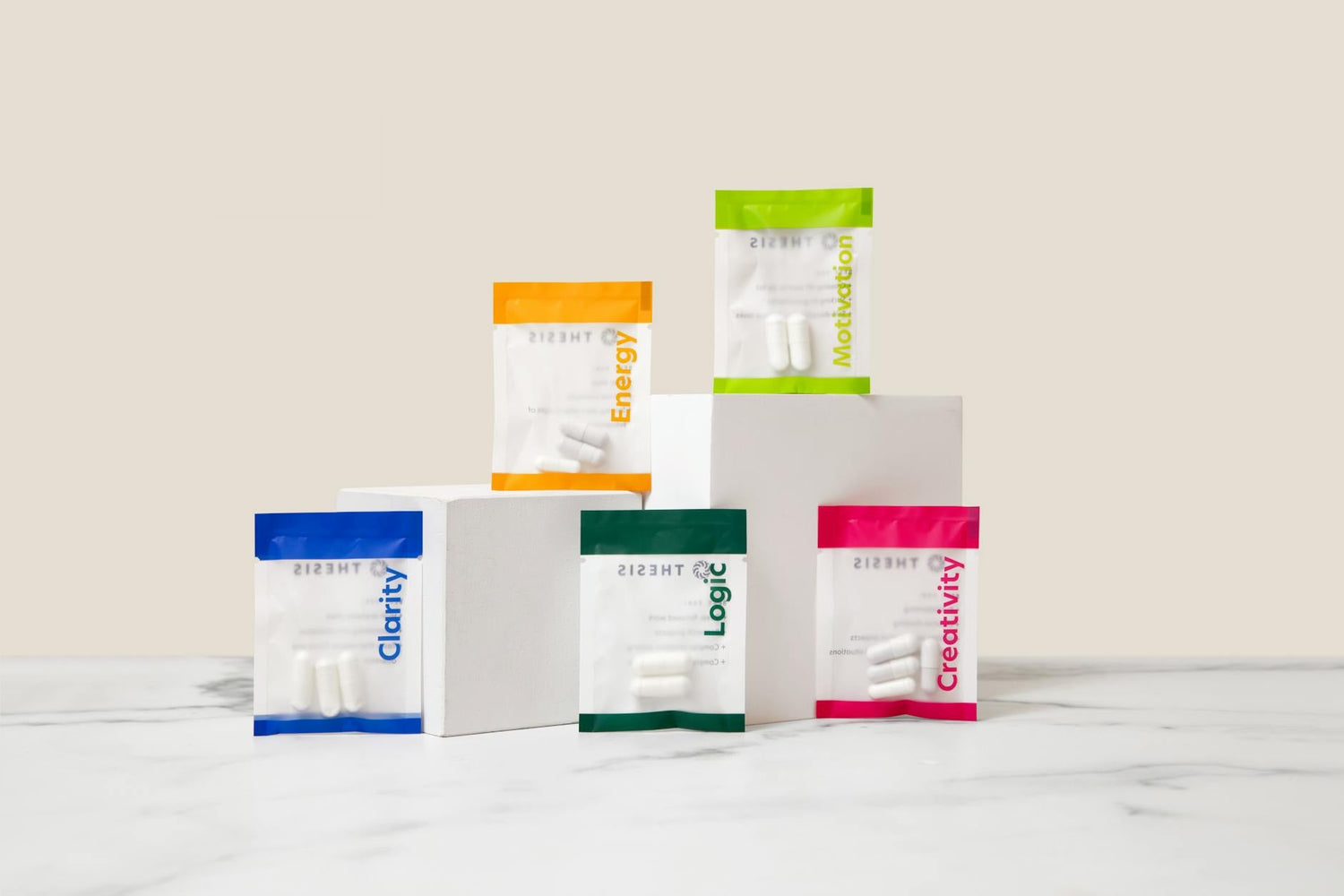
If you are looking for a convenient way to combine several of these ingredients, Noobru focus supplements are formulated with key nootropic compounds — including phosphatidylserine, Bacopa monnieri, and L-theanine — designed to help support mental clarity and concentration in a single daily drink.*
Daily Focus Routine: A Practical Template for 2026
Here is a sample routine that brings together the strategies above:
| Time | Action | Why It Helps |
|---|---|---|
| 7:00 AM | Wake at a consistent time; hydrate with 500 ml water | Rehydrates the brain after overnight fluid loss |
| 7:30 AM | 20-minute brisk walk or jog | Increases BDNF and blood flow to prefrontal cortex |
| 8:00 AM | Brain-friendly breakfast (eggs, oats, berries) | Provides choline, slow-release energy, and antioxidants |
| 8:30 AM | Take your Noobru supplement | Delivers nootropic support for the day ahead* |
| 9:00 AM | First Pomodoro focus block (25 min work / 5 min break) | Maximises sustained attention in peak morning hours |
| 12:30 PM | Lunch with oily fish and leafy greens | Supplies omega-3s, folate, and iron |
| 3:00 PM | 2-minute box breathing reset | Lowers afternoon cortisol and restores mental clarity |
| 10:00 PM | Screens off; bedtime routine begins | Protects melatonin production and sleep quality |
Key Takeaways
- Sleep, exercise, and nutrition are the three most impactful foundations for natural focus improvement.
- Hydration and stress management offer quick, low-effort concentration boosts throughout the day.
- Brain-friendly foods — especially oily fish, eggs, berries, and whole grains — provide the nutrients your brain needs for sustained attention.
- Evidence-based nootropic ingredients like phosphatidylserine, Bacopa monnieri, and L-theanine may help support cognitive performance when combined with a healthy lifestyle.*
- Consistency matters more than perfection. Small daily habits compound into significant long-term improvements in mental clarity.
Frequently Asked Questions
What is the best natural way to improve focus?
The most effective natural approach combines regular aerobic exercise, 7–9 hours of quality sleep, and a nutrient-rich diet. These three pillars have the strongest evidence for supporting sustained concentration and cognitive performance.
Can supplements help with focus and concentration?
Certain ingredients such as phosphatidylserine, Bacopa monnieri, and L-theanine have clinical evidence suggesting they may help support focus and mental clarity.* However, supplements work best alongside healthy lifestyle habits.
How long does it take to notice improvements in focus?
Lifestyle changes like exercise and better sleep can produce noticeable focus improvements within 1–2 weeks. Some supplements, such as Bacopa monnieri, may take 4–6 weeks of consistent use before benefits become apparent.
Does caffeine actually improve concentration?
Caffeine can improve short-term alertness and reaction time within 20–45 minutes of consumption. However, excessive intake (above 400 mg per day) may increase anxiety and disrupt sleep, ultimately harming concentration.
What foods are best for brain focus?
Foods rich in omega-3 fatty acids (oily fish, walnuts), antioxidants (berries, dark leafy greens), and complex carbohydrates (oats, sweet potatoes) provide the sustained energy and neuroprotective compounds the brain needs for optimal focus.
Ready to Sharpen Your Focus?
Improving concentration naturally is about stacking the right habits — sleep, movement, nutrition, and smart supplementation — into a routine you can sustain. If you are ready to support your cognitive performance with clinically studied nootropic ingredients, explore the Noobru range and find the right formula for your goals.*
References
- Centre for Attention Studies. UK Workplace Distraction Report 2025. University College London.
- Asurion. Americans Check Their Phones 96 Times a Day. 2019. asurion.com
- Ma Y, et al. "Association between sleep duration and cognitive decline." Nature Communications. 2021;12:2289. PubMed
- Chang YK, et al. "The effects of acute exercise on cognitive performance: a meta-analysis." British Journal of Sports Medicine. 2012;46(6):405-409. PubMed
- Bowtell JL, et al. "Enhanced task-related brain activation and resting perfusion in healthy older adults after chronic blueberry supplementation." Applied Physiology, Nutrition, and Metabolism. 2017;42(7):773-779. PubMed
- Kato-Kataoka A, et al. "Soybean-derived phosphatidylserine improves memory function of the elderly." Journal of Clinical Biochemistry and Nutrition. 2010;47(3):246-255. PubMed
- Kongkeaw C, et al. "Meta-analysis of randomized controlled trials on cognitive effects of Bacopa monnieri extract." Journal of Ethnopharmacology. 2014;151(1):528-535. PubMed
- Owen GN, et al. "The combined effects of L-theanine and caffeine on cognitive performance and mood." Nutritional Neuroscience. 2008;11(4):193-198. PubMed
- Ford TC, et al. "Vitamins B6, B9, and B12: A Systematic Review of their Effects on Cognition." Nutrients. 2022;14(17):3521. PubMed
*These statements have not been evaluated by the Food and Drug Administration or MHRA. This product is not intended to diagnose, treat, cure, or prevent any disease. Always consult your healthcare provider before starting any supplement regimen.


Leave a comment
All comments are moderated before being published.
This site is protected by hCaptcha and the hCaptcha Privacy Policy and Terms of Service apply.