




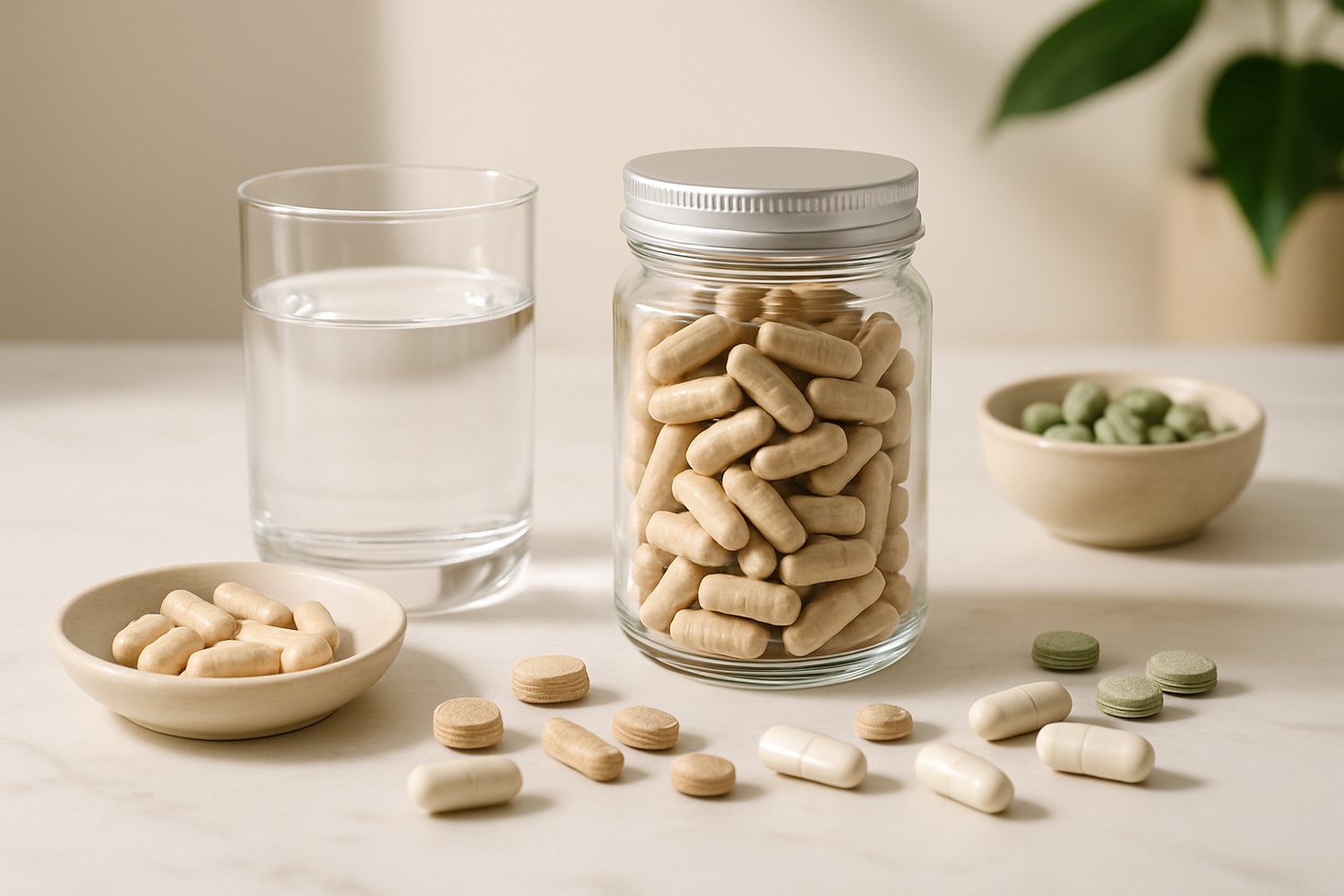
The best nootropics for focus and memory include well-researched compounds like Bacopa monnieri, L-theanine, phosphatidylserine, and lion's mane mushroom. Each works through different mechanisms to support cognition, and the right choice depends on whether you need fast-acting concentration support or long-term memory and brain health benefits.
If you've ever sat down to work and found your mind drifting within minutes — or walked into a room and completely forgotten why — you're not alone. Cognitive supplements, commonly called nootropics, have become one of the fastest-growing supplement categories in the UK. But with hundreds of nootropic brands making bold claims about mental performance and brain optimisation, it's difficult to know which ingredients actually have science behind them.
This guide breaks down the most evidence-backed nootropics for focus and memory, explains how they work in plain English, covers realistic dosages, and helps you decide which ones are worth trying in 2026. Whether you're a student revising for exams, a professional managing demanding workloads, or simply someone concerned about age-related cognitive decline, this article is written for you.
⚠️ Supplement Disclaimer: *All benefit claims marked with an asterisk are not intended as medical advice. These statements have not been evaluated by the Food and Drug Administration or MHRA. This product is not intended to diagnose, treat, cure, or prevent any disease. Always consult your healthcare provider before starting any supplement regimen.
What Are Nootropics and Why Do They Matter for Brain Health?
Nootropics are natural or synthetic compounds that may help support cognitive functions including memory, focus, creativity, and mental energy.* The term was coined in 1972 by Romanian psychologist Corneliu Giurgea, who defined them as substances that enhance learning while being neuroprotective and virtually non-toxic.
Today, the definition has broadened considerably. Modern nootropics range from everyday substances like caffeine to herbal extracts such as Bacopa monnieri and Ginkgo biloba. What separates a genuine cognitive supplement from marketing hype is published human research demonstrating measurable cognitive benefits.
The global nootropics market was valued at approximately £10.7 billion in 2026 and is projected to grow at over 14% annually through 2030, according to Grand View Research. That growth reflects real demand for brain optimisation solutions — but also means the market is flooded with under-dosed, poorly formulated products from nootropic brands that prioritise marketing over science.
The 7 Best Nootropics for Focus and Memory (Ranked by Evidence)
Not all cognitive supplements are created equal. Below are seven ingredients with the strongest human clinical evidence for supporting cognition, ranked by the breadth and quality of published research. Each ingredient includes a plain-English explanation of how it works so you can make informed decisions about your own brain health.
1. Bacopa Monnieri — Best for Long-Term Memory
Bacopa monnieri is arguably the most well-evidenced natural nootropic for memory. A 2014 meta-analysis of nine randomised controlled trials published in the Journal of Ethnopharmacology found that Bacopa may help improve attention, cognitive processing speed, and working memory* — making it a strong option for anyone focused on long-term brain health [1].
- How it works (in plain terms): Bacopa's active compounds, called bacosides — plant-based chemicals unique to this herb — appear to support the growth of nerve endings (dendrites), which may enhance how brain cells communicate with each other. Think of it as helping build stronger "wiring" between neurons.*
- Effective dosage: 300–600 mg daily of an extract standardised to 50% bacosides.
- Timeline: Most studies show meaningful results after 8–12 weeks of consistent use.
- Important note: Bacopa is fat-soluble, so it absorbs best when taken with a meal containing healthy fats.
2. L-Theanine + Caffeine — Best for Immediate Focus
This is the most reliable fast-acting nootropic stack for mental performance. L-theanine, an amino acid found naturally in green tea, may help promote calm alertness when paired with caffeine by increasing alpha brain wave activity — the type of brain waves associated with relaxed concentration.*
- How it works (in plain terms): Caffeine blocks the brain's sleepiness signals (adenosine receptors), while L-theanine boosts calming brain chemicals (GABA and serotonin), smoothing out the jitters and anxiety that caffeine alone can cause.
- Effective dosage: 100–200 mg L-theanine with 50–100 mg caffeine. A 2:1 ratio of L-theanine to caffeine is most commonly studied.
- Timeline: Effects typically begin within 30–60 minutes.
- Who it's best for: Anyone who wants the alertness of coffee without the anxiety or crash — a popular choice among students and professionals seeking better brain optimisation.
3. Phosphatidylserine — Best for Age-Related Cognitive Support
Phosphatidylserine (PS) is a fatty substance that makes up about 15% of the brain's total fat content. It plays a critical role in keeping brain cell membranes healthy and helping brain cells release signalling chemicals. A review published in Nutrition found that 100 mg taken three times daily may help support memory and cognitive function in older adults* [2].
- Effective dosage: 100–300 mg daily.
- Timeline: Benefits typically observed after 6–12 weeks.
- Best for: Adults over 50 experiencing age-related memory changes and seeking to slow early signs of cognitive decline.*
4. Lion's Mane Mushroom — Best for Neuroprotection
Lion's mane (Hericium erinaceus) is a medicinal mushroom that contains two groups of unique compounds — hericenones and erinacines — found in the mushroom's fruiting body and mycelium respectively. In simple terms, these compounds may stimulate the brain's own growth and repair processes by boosting production of nerve growth factor (NGF), a protein essential for neuron survival.* A 2009 Japanese trial found that older adults taking 3 g of lion's mane daily for 16 weeks scored significantly higher on cognitive tests compared to placebo [3].
- Effective dosage: 500 mg–3 g daily of fruiting body extract.
- Timeline: 4–16 weeks for noticeable cognitive effects.
- Key consideration: Look for extracts made from the fruiting body (the visible mushroom), not just mycelium grown on grain, which is less potent and contains more starch filler.
5. Citicoline (CDP-Choline) — Best for Mental Energy
Citicoline is a naturally occurring compound that the body converts into both choline and cytidine. Choline is the building block for acetylcholine — the brain's primary learning and memory chemical. Research published in Food and Nutrition Sciences found that 250–500 mg of citicoline daily may help improve sustained attention and reduce mental fatigue* [4].
- Effective dosage: 250–500 mg daily.
- Timeline: Some effects within 1–2 weeks; optimal benefits at 4+ weeks.
- Why it matters: Many people don't get enough dietary choline from food. The UK has no official recommended intake, but adequate levels are essential for producing acetylcholine and maintaining healthy cognition throughout life.
6. Rhodiola Rosea — Best for Stress-Related Brain Fog
Rhodiola rosea is an adaptogenic herb — meaning it may help your body respond more effectively to physical and mental stress.* A systematic review in BMC Complementary and Alternative Medicine concluded that Rhodiola may reduce mental fatigue and improve cognitive function under stressful conditions* [5]. The National Center for Complementary and Integrative Health (NCCIH) notes that while preliminary studies are promising, more large-scale research is needed.
- Effective dosage: 200–400 mg daily of an extract standardised to 3% rosavins and 1% salidroside.
- Timeline: Acute effects within hours; cumulative benefits over 2–4 weeks.
- Best for: Professionals dealing with high-pressure deadlines, shift workers, or anyone experiencing stress-induced brain fog and cognitive decline in performance.
7. Ginkgo Biloba — Best for Cerebral Blood Flow
Ginkgo biloba is one of the oldest known natural nootropics, used in traditional Chinese medicine for centuries. Modern research suggests it may help support cognitive function by improving blood circulation to the brain, which delivers more oxygen and nutrients to brain cells.* A Cochrane review — considered the gold standard in medical evidence evaluation — found modest but consistent benefits for memory and processing speed in older adults [6].
- Effective dosage: 120–240 mg daily of a standardised extract (24% flavone glycosides, 6% terpene lactones).
- Timeline: 4–6 weeks for measurable improvements in cognition.
- Caution: Ginkgo may interact with blood-thinning medications. Consult your doctor if you take anticoagulants.
How to Choose the Right Nootropic for Your Needs
The best nootropic for you depends entirely on what specific cognitive challenge you're trying to address. Here's a practical decision framework based on the evidence above:
| Your Primary Goal | Best Ingredient(s) | Speed of Effect |
|---|---|---|
| Immediate focus and concentration | L-theanine + caffeine | 30–60 minutes |
| Better long-term memory | Bacopa monnieri | 8–12 weeks |
| Reducing brain fog from stress | Rhodiola rosea | Hours to 2 weeks |
| Age-related cognitive decline support | Phosphatidylserine, Ginkgo biloba | 6–12 weeks |
| Sustained mental energy and performance | Citicoline | 1–4 weeks |
| Long-term neuroprotection and brain health | Lion's mane mushroom | 4–16 weeks |
If you want a convenient option that combines multiple evidence-backed ingredients into a single drinkable formula, Noobru Advantage includes several of the nootropics discussed above — designed to help support focus, memory, and mental clarity in one daily sachet.*
Nootropic Stacking: Combining Ingredients Safely for Better Brain Optimisation
Stacking means taking two or more nootropics together for combined effects on cognition. When done correctly, stacking can be more effective than any single ingredient alone. Here are three well-studied combinations:
The Focus Stack
- L-theanine (200 mg) + caffeine (100 mg)
- Best for: Work sessions, studying, creative tasks
- Evidence: Multiple controlled trials show improved reaction time and accuracy compared to caffeine alone*
The Memory Stack
- Bacopa monnieri (300 mg) + citicoline (250 mg)
- Best for: Students, lifelong learners, professionals in knowledge-intensive roles
- Rationale: Bacopa supports nerve-ending growth while citicoline fuels acetylcholine production for enhanced learning and recall*
The Resilience Stack
- Rhodiola rosea (300 mg) + lion's mane (1,000 mg) + phosphatidylserine (100 mg)
- Best for: High-stress periods, burnout recovery, long-term cognitive resilience and protection against accelerated cognitive decline
- Rationale: Combines adaptogenic stress support with neuroprotective compounds*
Important safety note: Always introduce one new ingredient at a time so you can identify what works and catch any unwanted side effects. Wait at least one week before adding another compound. If you experience headaches, digestive upset, or mood changes, discontinue use and consult your healthcare provider.
5 Lifestyle Habits That Make Nootropics Work Better
No supplement can compensate for poor sleep, chronic stress, or a nutrient-deficient diet. These five habits form the foundation that nootropics build upon for optimal mental performance and long-term brain health:
- Sleep 7–9 hours consistently. A single night of poor sleep reduces working memory performance by up to 38%, according to research published in Neuropsychiatric Disease and Treatment. The NHS recommends establishing a regular sleep routine as one of the most effective ways to improve sleep quality and protect against cognitive decline.
- Exercise at least 150 minutes per week. Aerobic exercise increases brain-derived neurotrophic factor (BDNF) — a protein that keeps brain cells healthy and promotes new connections. This is the same type of growth factor that lion's mane may help stimulate.* Regular movement is one of the most powerful free tools for long-term brain optimisation.
- Eat enough omega-3 fatty acids. DHA makes up roughly 25% of the brain's total fat. Oily fish twice a week or a quality fish oil supplement provides a solid baseline for healthy cognition.
- Manage chronic stress. Elevated cortisol literally shrinks the hippocampus — the brain region responsible for memory formation. Adaptogens like Rhodiola may help, but stress management techniques (meditation, time in nature, therapy) are essential.*
- Stay mentally engaged. Novel challenges — learning a language, playing an instrument, solving puzzles — create new neural pathways that supplements alone cannot build.
What to Avoid When Buying Memory Supplements in the UK
The UK supplement market is better regulated than many countries, but low-quality products from lesser nootropic brands still slip through. Watch out for these red flags:
- Proprietary blends that hide individual ingredient dosages. If a label says "cognitive blend: 500 mg" without listing how much of each ingredient is included, you can't verify you're getting effective doses.
- Unsubstantiated mega-doses. More is not always better. Excess vitamin B6, for example, can cause nerve damage at very high intakes.
- No third-party testing. Reputable nootropic brands provide certificates of analysis (CoAs) from independent labs. You can learn more about our approach to evidence-based formulation and quality testing.
- Vague ingredient sourcing. "Bacopa extract" could mean anything. Look for standardisation details (e.g., "standardised to 50% bacosides") — this tells you the product contains a verified concentration of the active compounds.
Key Takeaways
- The 7 best nootropics for focus and memory are Bacopa monnieri, L-theanine + caffeine, phosphatidylserine, lion's mane, citicoline, Rhodiola rosea, and Ginkgo biloba — all supported by human clinical trials.
- Fast focus vs. long-term brain health: L-theanine and caffeine deliver rapid mental performance benefits; meaningful improvements in memory and protection against cognitive decline require Bacopa or lion's mane taken consistently for 8–16 weeks.
- Stacking amplifies results: Combining nootropics can be more effective than single ingredients, but introduce them one at a time and wait at least a week between additions.
- Lifestyle comes first: No cognitive supplement replaces quality sleep, regular exercise, and a nutrient-rich diet. Nootropics work best layered on top of strong lifestyle foundations.
- Quality matters more than brand claims: Always choose products with transparent labelling, standardised extracts, and third-party testing — hallmarks of trustworthy nootropic brands.
If you're looking for a simple way to start supporting your focus, memory, and everyday mental clarity, explore the Noobru range — drinkable brain health supplements formulated with research-backed nootropics at clinically relevant dosages.* For more insights on cognitive wellness, the Noobru blog regularly covers the latest research and practical brain optimisation strategies.
Frequently Asked Questions
What are nootropics and how do they work?
Nootropics are compounds that may help support cognitive functions such as memory, focus, and mental performance.* They work through various mechanisms including supporting neurotransmitter production (the brain's chemical messengers), improving cerebral blood flow, and protecting neurons from oxidative stress. The best-researched options include Bacopa monnieri, L-theanine, and phosphatidylserine.
Are nootropics safe to take every day?
Most well-researched nootropics such as Bacopa monnieri, L-theanine, and phosphatidylserine have strong safety profiles when taken at recommended dosages. However, you should always consult your healthcare provider before starting any new supplement regimen, particularly if you take medication or have existing health conditions.
How long do nootropics take to work?
It depends on the ingredient. L-theanine and caffeine can produce noticeable effects on focus and mental performance within 30–60 minutes. Bacopa monnieri and lion's mane mushroom typically require 4–12 weeks of consistent use before cognitive benefits become apparent.
Can I stack multiple nootropics together?
Yes, many nootropics work synergistically. The most well-studied combination is L-theanine with caffeine, which may help improve focus while reducing caffeine jitteriness.* Pre-formulated stacks like Noobru Advantage take the guesswork out of combining ingredients safely.
What is the best nootropic for students?
For students, a combination of L-theanine and caffeine offers fast-acting focus support, while Bacopa monnieri may help support long-term memory retention.* These ingredients are well-studied and widely available in supplement form, making them an accessible starting point for brain optimisation during exam periods.
Do nootropics help prevent cognitive decline?
Certain nootropics like lion's mane mushroom and phosphatidylserine have research suggesting they may help support long-term brain health by promoting nerve growth factor production and maintaining cell membrane integrity.* However, no supplement can prevent or treat cognitive decline. Consistent use alongside healthy lifestyle habits — quality sleep, regular exercise, and a balanced diet — offers the best outcomes for sustained cognition.
References
- Kongkeaw, C. et al. (2014). Meta-analysis of randomized controlled trials on cognitive effects of Bacopa monnieri extract. Journal of Ethnopharmacology, 151(1), 528–535. PubMed
- Glade, M.J. & Smith, K. (2015). Phosphatidylserine and the human brain. Nutrition, 31(6), 781–786. PubMed
- Mori, K. et al. (2009). Improving effects of the mushroom Yamabushitake on mild cognitive impairment. Phytotherapy Research, 23(3), 367–372. PubMed
- McGlade, E. et al. (2012). Improved attentional performance following citicoline administration. Food and Nutrition Sciences, 3(6), 769–773. PubMed
- Hung, S.K. et al. (2011). The effectiveness and efficacy of Rhodiola rosea: a systematic review. BMC Complementary and Alternative Medicine, 11, 70. PMC
- Birks, J. & Grimley Evans, J. (2009). Ginkgo biloba for cognitive impairment and dementia. Cochrane Database of Systematic Reviews, (1), CD003120. Cochrane Library
⚠️ Important Disclaimer: *These statements have not been evaluated by the Food and Drug Administration or MHRA. This product is not intended to diagnose, treat, cure, or prevent any disease. Always consult your healthcare provider before starting any supplement regimen.



Leave a comment
All comments are moderated before being published.
This site is protected by hCaptcha and the hCaptcha Privacy Policy and Terms of Service apply.