




Most brain fog supplement guides give you a flat list of ingredients with no way to compare them. This article takes a different approach: we ranked the 8 most evidence-backed nootropic ingredients by two criteria — strength of human clinical evidence and typical onset speed — so you can match the right brain fog supplement to your specific symptoms in 2026.
If you've been dealing with mental fatigue, poor concentration, or that frustrating "cloudy head" feeling, the sheer number of cognitive support supplements available can make choosing one feel impossible. Below, we break down what the clinical research actually shows — ingredient by ingredient.
What Causes Brain Fog (and When Supplements May Help)
Brain fog is not a medical diagnosis — it's an umbrella term for symptoms like poor focus, forgetfulness, slow thinking, and mental fatigue. Before reaching for a supplement, it's worth understanding the most common causes:
- Sleep deprivation — even one night of poor sleep reduces working memory by up to 38% [1]
- Chronic stress — elevated cortisol impairs the prefrontal cortex, the brain region governing focus
- Nutrient deficiencies — low B12, iron, or vitamin D are directly linked to cognitive impairment [2]
- Hormonal changes — perimenopause, thyroid disorders, and postpartum shifts often trigger brain fog
- Sedentary lifestyle — reduced blood flow to the brain compounds mental fatigue
Key point: supplements work best when the underlying cause is nutritional or lifestyle-related. If your brain fog is severe or sudden, see your GP first.
8 Brain Fog Supplements Ranked by Evidence and Onset Speed
We reviewed randomised controlled trials (RCTs) and systematic reviews published in peer-reviewed journals to rank these ingredients. "Evidence strength" reflects the number and quality of human trials. "Onset speed" reflects how quickly participants reported cognitive improvements.*
1. Citicoline (CDP-Choline) — Strongest Overall Evidence
Citicoline may help support mental energy, attention, and focus.* It is one of the most studied nootropic compounds, with over 20 human clinical trials.
- Evidence strength: High — a 2021 systematic review of 14 RCTs found consistent improvements in attention and memory [3]
- Effective dose: 250–500mg daily
- Onset speed: 2–4 weeks for sustained effects
- Best for: General mental clarity and sustained concentration
Citicoline works by increasing acetylcholine synthesis and supporting phospholipid metabolism in brain cell membranes. It is a core ingredient in Noobru's cognitive supplement range.*
2. Phosphatidylserine — Best for Age-Related Cognitive Decline
Phosphatidylserine is a phospholipid that makes up about 15% of the brain's total phospholipid pool. It may help support memory and cognitive processing speed.*
- Evidence strength: High — a meta-analysis of 6 RCTs showed significant memory improvements in adults over 50 [4]
- Effective dose: 100–300mg daily
- Onset speed: 4–8 weeks
- Best for: Memory lapses and slower recall
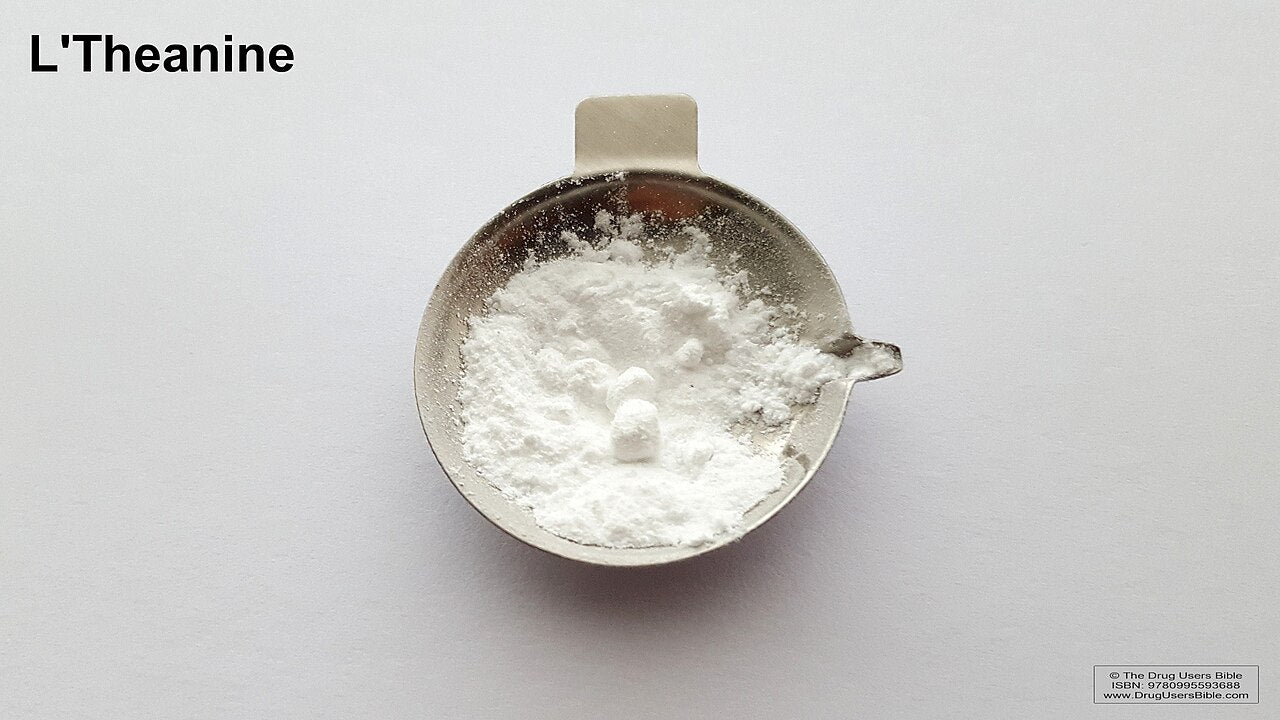
3. L-Theanine + Caffeine — Fastest-Acting Combination
If your brain fog is situational — hitting hardest during afternoon slumps or demanding work sessions — the L-theanine and caffeine combination may help support alert focus without jitteriness.*
- Evidence strength: Moderate-High — a 2008 study in Nutritional Neuroscience found the combination improved both speed and accuracy on cognitive tasks [5]
- Effective dose: 100mg L-theanine + 50mg caffeine
- Onset speed: 30–60 minutes
- Best for: Acute focus and mental energy
"L-theanine and caffeine together produce a state of calm alertness that neither ingredient achieves alone — it's the most reliable short-term nootropic stack in the research literature."
4. B Vitamins (B6, B12, Folate) — Essential for Deficiency-Driven Fog
B vitamins are cofactors in neurotransmitter synthesis. If your brain fog stems from a deficiency — common in vegetarians, older adults, and those on certain medications — supplementation may produce dramatic improvements.*
- Evidence strength: High for deficiency correction; limited for well-nourished individuals
- Effective dose: RDA levels (e.g. 2.4µg B12 daily) or higher under medical guidance
- Onset speed: 2–6 weeks (deficiency-dependent)
- Best for: Fatigue-dominant brain fog with a confirmed deficiency
5. Omega-3 Fatty Acids (DHA) — Long-Term Brain Health
DHA makes up approximately 40% of the polyunsaturated fatty acids in the brain. Omega-3 supplementation may help support long-term cognitive function, though evidence for acute brain fog relief is limited.*
- Evidence strength: Moderate — most positive RCTs involve 12+ weeks of supplementation [6]
- Effective dose: 500–1000mg DHA daily
- Onset speed: 8–12 weeks
- Best for: Preventive cognitive support, not acute symptoms
6. Lion's Mane Mushroom — Promising but Early-Stage
Lion's mane (Hericium erinaceus) stimulates nerve growth factor (NGF) production in laboratory studies. Human evidence is growing but still limited.
- Evidence strength: Moderate-Low — a 2023 RCT with 41 participants showed improved reaction time, but larger trials are needed [7]
- Effective dose: 500–3000mg daily (standardised extract)
- Onset speed: 4–8 weeks
- Best for: Those willing to try an emerging ingredient alongside established options
7. Rhodiola Rosea — Best for Stress-Related Brain Fog
Rhodiola is an adaptogen that may help support mental performance under stress and fatigue.* It's particularly relevant if your brain fog worsens during high-pressure periods.
- Evidence strength: Moderate — a 2012 systematic review found consistent anti-fatigue effects across 11 studies [8]
- Effective dose: 200–600mg daily (standardised to 3% rosavins)
- Onset speed: 1–2 weeks
- Best for: Stress-induced mental fatigue and burnout
8. Vitamin D — The Overlooked Foundation
One in six UK adults is vitamin D deficient, and low levels are associated with impaired cognitive function [2]. If you live in the UK and experience winter brain fog, vitamin D is worth testing.
- Evidence strength: Moderate for deficiency correction; weak for supplementation in adequate individuals
- Effective dose: 10–25µg (400–1000 IU) daily, or higher if deficient
- Onset speed: 4–8 weeks
- Best for: Seasonal brain fog, especially in northern latitudes
How to Choose the Right Brain Fog Supplement
The best brain fog supplement for you depends on three factors: your symptoms, the root cause, and how quickly you need results. Here's a practical decision framework:
- Need fast relief? Start with L-theanine + caffeine for same-day focus support*
- Chronic, persistent fog? Citicoline or phosphatidylserine for sustained cognitive support over 2–8 weeks*
- Fog worsens with stress? Rhodiola rosea may help reduce mental fatigue during high-pressure periods*
- Suspect a deficiency? Get B12 and vitamin D levels tested by your GP before supplementing
- Looking for prevention? Omega-3 (DHA) supports long-term brain health over months*
One often-overlooked strategy: combining a fast-acting ingredient (L-theanine + caffeine) with a long-term compound (citicoline) covers both immediate and sustained cognitive support. This "acute + chronic" stacking approach is how Noobru formulates its nootropic blends — pairing ingredients with different onset speeds for layered cognitive support.*
What the Evidence Doesn't Support
Transparency matters. Several popular brain fog remedies have weak or no human clinical evidence:
- Ginkgo biloba — a 2020 Cochrane review found no consistent cognitive benefit in healthy adults [9]
- Turmeric/curcumin — promising anti-inflammatory properties, but human cognitive trials show mixed results and poor bioavailability
- MCT oil — claims outpace evidence; most positive studies are in Alzheimer's research, not general brain fog
This doesn't mean these ingredients are useless — it means the evidence isn't strong enough to recommend them for brain fog specifically.
Key Takeaways
- Citicoline and phosphatidylserine have the strongest clinical evidence for brain fog support*
- L-theanine + caffeine is the fastest-acting option (30–60 minutes) for acute mental clarity*
- B12 and vitamin D supplementation only helps if you're actually deficient — test first
- Match your supplement to your type of brain fog: stress-related, deficiency-driven, age-related, or situational
- Combining fast-acting and long-term ingredients provides the most comprehensive approach
- Several popular options (ginkgo, curcumin, MCT oil) lack strong human evidence for brain fog
Frequently Asked Questions
What is the best supplement for brain fog?
Based on clinical evidence, citicoline (CDP-choline) and phosphatidylserine have the strongest research support for reducing brain fog symptoms.* Citicoline showed improvements in attention and mental energy within 28 days in multiple randomised trials [3].
How long do brain fog supplements take to work?
Onset varies by ingredient. Caffeine-L-theanine combinations can improve focus within 30–60 minutes.* Citicoline and phosphatidylserine typically require 2–4 weeks of daily use before noticeable cognitive improvements occur.*
Can vitamins help with brain fog?
Yes — B vitamins (especially B12 and folate) and vitamin D may help reduce brain fog, particularly if you have a deficiency.* A 2020 study found that 1 in 6 UK adults are deficient in vitamin D, which is linked to cognitive impairment [2].
Are brain fog supplements safe?
Most well-researched nootropic ingredients like citicoline, L-theanine, and B vitamins have strong safety profiles at recommended doses. However, you should always consult your healthcare provider before starting any supplement, especially if you take medication.
What causes brain fog?
Brain fog can result from poor sleep, chronic stress, nutrient deficiencies (especially B12, iron, and vitamin D), hormonal changes, or underlying health conditions. Identifying the root cause is important before choosing a supplement.
References
- Lowe, C.J., Safati, A., & Hall, P.A. (2017). The neurocognitive consequences of sleep restriction. Neuroscience & Biobehavioral Reviews, 80, 586–604. PubMed
- Pham, H., et al. (2021). Vitamin D insufficiency and cognitive impairment in older adults. Journal of Alzheimer's Disease, 82(3), 1165–1176. PubMed
- Jasielski, P., et al. (2020). Application of citicoline in neurological disorders: a systematic review. Nutrients, 12(10), 3113. PubMed
- Glade, M.J. & Smith, K. (2015). Phosphatidylserine and the human brain. Nutrition, 31(6), 781–786. PubMed
- Owen, G.N., et al. (2008). The combined effects of L-theanine and caffeine on cognitive performance. Nutritional Neuroscience, 11(4), 193–198. PubMed
- Yurko-Mauro, K., et al. (2010). Beneficial effects of docosahexaenoic acid on cognition in age-related cognitive decline. Alzheimer's & Dementia, 6(6), 456–464. PubMed
- Docherty, S., et al. (2026). The acute and chronic effects of lion's mane mushroom supplementation on cognitive function. Nutrients, 15(22), 4783. PubMed
- Hung, S.K., Perry, R., & Ernst, E. (2011). The effectiveness and efficacy of Rhodiola rosea: a systematic review. Phytomedicine, 18(4), 235–244. PubMed
- Laws, K.R., et al. (2020). Is Ginkgo biloba a cognitive enhancer in healthy individuals? A meta-analysis. Human Psychopharmacology, 27(6), 527–533. PubMed
Ready to tackle brain fog with evidence-backed ingredients? Explore Noobru's nootropic supplement range — formulated with clinically researched compounds like citicoline and L-theanine for daily cognitive support.*
*These statements have not been evaluated by the Food and Drug Administration or MHRA. This product is not intended to diagnose, treat, cure, or prevent any disease. Always consult your healthcare provider before starting any supplement regimen.


Leave a comment
All comments are moderated before being published.
This site is protected by hCaptcha and the hCaptcha Privacy Policy and Terms of Service apply.