




Health & Nutrition Writer at Noobru · MSc Nutritional Neuroscience · 8+ years writing evidence-based supplement content
Reviewed: 25 June 2026
The brain supplement market is full of bold promises — but most products never cite a single clinical trial. Instead of ranking ingredients by popularity or marketing spend, we ranked eight common nootropic ingredients by the number and quality of published human clinical trials supporting their cognitive benefits. The result is a transparent evidence hierarchy that lets you see exactly which brain supplements that work have real science behind them in 2026 — and which are riding on hype alone.
This article is for anyone considering a cognitive supplement and wanting to cut through the noise: students, professionals dealing with brain fog, older adults concerned about memory, or anyone curious about nootropics.
How We Ranked These Brain Supplement Ingredients
We evaluated each ingredient across three criteria, weighted equally:
- Number of human clinical trials — animal and in-vitro studies were excluded from the primary ranking
- Study quality — double-blind, randomised, placebo-controlled trials (RCTs) scored highest
- Consistency of results — did multiple independent research groups find similar outcomes?
This approach deliberately favours ingredients with replicated human evidence over those with a single impressive-sounding study or strong theoretical mechanisms but limited real-world testing.
Tier 1: Strong Clinical Evidence (15+ Human Trials)
1. Phosphatidylserine — 30+ Human Studies
Phosphatidylserine (PS) sits at the top of our evidence ranking with over 30 published human trials. It's a phospholipid naturally present in brain cell membranes, and supplementation may help support memory recall, processing speed, and cognitive function in both younger and older adults.*
- Key finding: A 2015 meta-analysis in the Journal of Clinical Biochemistry and Nutrition found that 100–300 mg daily of PS improved memory and cognitive function in subjects with mild cognitive concerns [1]
- Effective dosage: 100–300 mg per day
- Time to effect: 6–12 weeks in most studies
- Safety: Well-tolerated; mild gastrointestinal discomfort reported rarely
Phosphatidylserine is one of the key ingredients in Noobru Advantage, included at a clinically relevant dosage.
2. Bacopa Monnieri — ~20 Human Trials
Bacopa monnieri is an Ayurvedic herb with approximately 20 randomised controlled trials examining its cognitive effects. The evidence most consistently supports its role in memory consolidation — the process of turning short-term memories into long-term ones.*
- Key finding: A 2014 meta-analysis of 6 RCTs found Bacopa significantly improved attention, cognitive processing, and working memory compared to placebo [2]
- Effective dosage: 300–450 mg daily (standardised to 50% bacosides)
- Time to effect: 8–12 weeks — this is not a quick-fix ingredient
- Safety: Generally well-tolerated; occasional nausea if taken on an empty stomach
Important nuance: Bacopa's slow onset means many people abandon it before benefits appear. The clinical trials showing positive results all ran for at least 8 weeks.
3. Caffeine + L-Theanine — 20+ Trials (Combined)
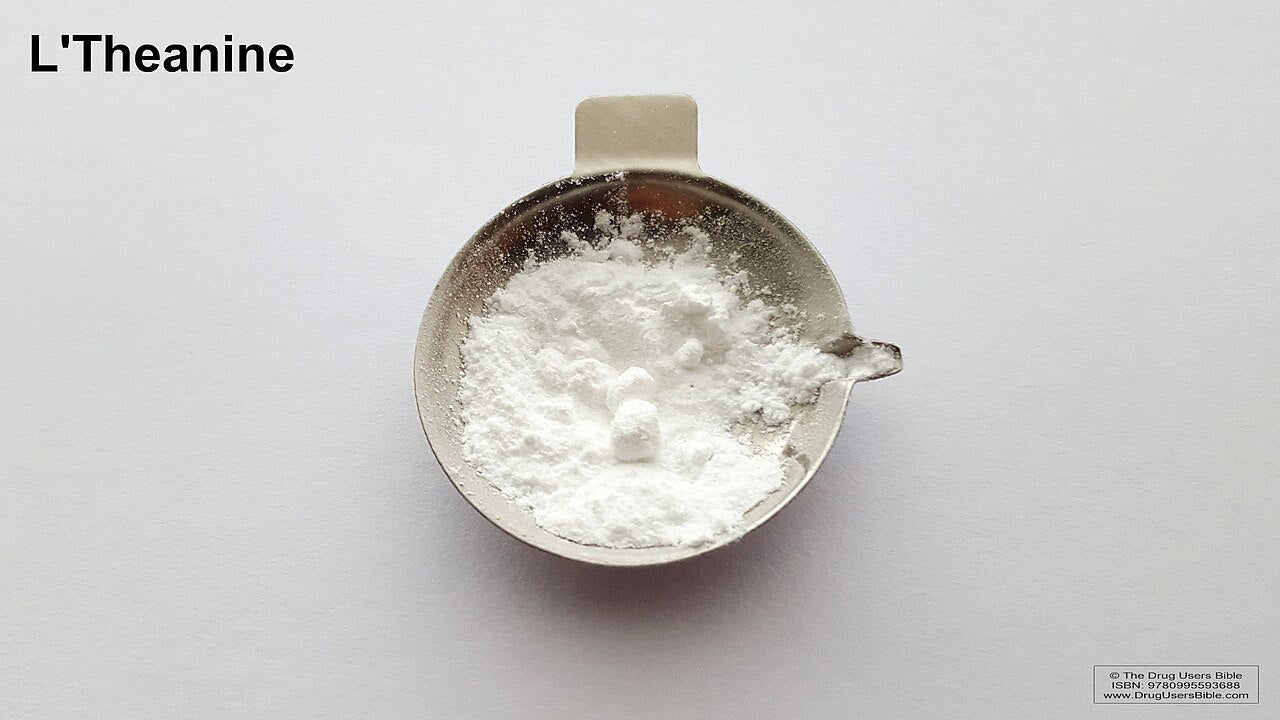
Individually, caffeine and L-theanine each have extensive research. But the combination is where things get interesting for brain supplements that work on focus and alertness.
- Key finding: A landmark 2008 study in Nutritional Neuroscience found that 97 mg caffeine combined with 40 mg L-theanine improved speed and accuracy on attention-switching tasks while reducing susceptibility to distraction [3]
- Effective dosage: 100–200 mg L-theanine with 50–100 mg caffeine
- Time to effect: 30–60 minutes — the fastest-acting combination on this list
- Safety: Excellent when caffeine is kept below 400 mg/day
L-theanine appears to smooth out caffeine's jittery edge, creating focused alertness rather than anxious energy.* This combination is particularly popular among students and professionals who want cognitive support without the crash.
Tier 2: Moderate Clinical Evidence (8–14 Human Trials)
4. Citicoline (CDP-Choline) — ~12 Human Trials
Citicoline is a naturally occurring brain chemical that serves as a precursor to the neurotransmitter acetylcholine, which is critical for memory and learning. Around 12 human trials support its cognitive benefits.*
- Key finding: A 2021 randomised controlled trial found that 500 mg of citicoline daily for 12 weeks significantly improved episodic memory in healthy middle-aged adults [4]
- Effective dosage: 250–500 mg per day
- Time to effect: 2–4 weeks for noticeable changes; 12 weeks for full benefits
Citicoline is particularly interesting because it may support both mental energy and memory through different mechanisms — it contributes to phospholipid synthesis (brain cell structure) and acetylcholine production (neurotransmission).*
5. Ginkgo Biloba — 10+ Human Trials
Ginkgo is one of the oldest nootropic ingredients, with a research history spanning decades. Its evidence base is solid but mixed — some trials show clear benefits for cerebral blood flow and processing speed, while others find minimal effects in healthy young adults.
- Best evidence for: Adults over 50 experiencing age-related cognitive decline
- Effective dosage: 120–240 mg daily (standardised extract EGb 761)
- Time to effect: 4–6 weeks
- Caveat: May interact with blood-thinning medications — always check with your GP
6. Lion's Mane Mushroom — ~10 Human Trials
Lion's mane (Hericium erinaceus) has generated significant excitement due to its unique mechanism: it may stimulate nerve growth factor (NGF) production, which supports the growth and maintenance of neurons.*
- Key finding: A 2009 Japanese RCT found that 3 g/day of lion's mane powder for 16 weeks significantly improved cognitive function in older adults with mild cognitive impairment [5]
- Effective dosage: 500 mg–3 g per day
- Honest assessment: Promising, but most studies are small (under 50 participants) and conducted by the same few research groups. More independent replication is needed.
Tier 3: Emerging Evidence (Under 8 Human Trials)
7. Rhodiola Rosea — ~7 Human Trials
Rhodiola is an adaptogenic herb primarily studied for fatigue reduction rather than direct cognitive enhancement. Its brain-related evidence is modest but intriguing.
- Best evidence for: Reducing mental fatigue during prolonged stressful tasks*
- Effective dosage: 200–400 mg daily (standardised to 3% rosavins)
- Limitation: Most studies measure fatigue and stress markers rather than cognitive performance directly
8. Alpha-GPC — ~5 Human Trials
Alpha-GPC is another choline source, similar to citicoline but less well-studied in healthy populations. Most existing research focuses on age-related cognitive decline rather than general cognitive enhancement.
- Effective dosage: 300–600 mg per day
- Honest assessment: The theoretical mechanism is sound (acetylcholine precursor), but the human evidence lags significantly behind citicoline. If you're choosing between the two, citicoline currently has the stronger trial data.
What About Popular Ingredients That Didn't Make the List?
Several widely marketed nootropic ingredients were excluded because they failed our evidence criteria:
- MCT oil — primarily studied as a ketone energy source, not for direct cognitive enhancement in healthy people
- Turmeric/curcumin — strong anti-inflammatory evidence but limited human trials specifically measuring cognitive outcomes; bioavailability remains a challenge
- Ashwagandha — excellent stress/cortisol evidence, but cognitive-specific trials are still few and preliminary
- Omega-3 (DHA/EPA) — essential for brain structure but supplementation trials in healthy adults show inconsistent cognitive benefits
This doesn't mean these ingredients are useless — it means the evidence for their direct cognitive benefits hasn't yet reached the threshold of our ranking system.
How to Choose a Brain Supplement That Actually Works
Knowing which ingredients have evidence is only half the equation. Here's a practical framework for evaluating any cognitive supplement product:
- Check the dosage against clinical studies. Many supplements include evidence-backed ingredients but at dosages far below what was used in trials. If a study used 300 mg of Bacopa and the product contains 50 mg, don't expect the same results.
- Look for ingredient transparency. Products listing "proprietary blends" without individual ingredient amounts make it impossible to verify dosages. Choose brands that disclose exact amounts.
- Match the ingredient to your goal. Focus and alertness? L-theanine + caffeine works quickly. Long-term memory support? Bacopa or phosphatidylserine requires patience but has deeper evidence.*
- Set realistic timelines. Most evidence-backed nootropics need 4–12 weeks of consistent use. If something promises overnight transformation, be sceptical.
Noobru's nootropic range is formulated around several of the Tier 1 and Tier 2 ingredients discussed above, with dosages aligned to published clinical research. Each ingredient and its amount are listed clearly on the label — no proprietary blend guesswork.
Key Takeaways
- Not all brain supplements are equal. The gap between the most evidence-backed ingredients (phosphatidylserine, Bacopa, L-theanine) and the least is enormous.
- Dosage matters as much as ingredient choice. An under-dosed evidence-backed ingredient may be no better than a well-dosed unproven one.
- Speed of effect varies dramatically — from 30 minutes (caffeine + L-theanine) to 12 weeks (Bacopa). Choose based on your needs and patience.
- Combination supplements can be effective when they use synergistic, evidence-backed ingredients at proper dosages.
- Always check the research yourself. Every ingredient in this article links to its primary evidence — transparency is the minimum standard you should expect from any supplement brand.
Frequently Asked Questions
Do brain supplements actually work?
Some brain supplement ingredients have meaningful clinical evidence behind them. Ingredients like phosphatidylserine, Bacopa monnieri, and citicoline each have multiple randomised controlled trials showing measurable improvements in memory, focus, or processing speed. However, many popular nootropic products contain ingredients with little or no human trial data. The key is checking whether the specific ingredient — at the specific dosage — has been tested in published clinical studies.
What is the best natural supplement for brain function?
Based on the volume and quality of clinical trials, phosphatidylserine and Bacopa monnieri are among the most evidence-backed natural brain supplements. Phosphatidylserine has over 30 human studies showing it may support memory and cognitive processing, while Bacopa has roughly 20 trials suggesting benefits for memory consolidation and attention.* The best choice depends on your specific goal — memory, focus, or mental clarity.
How long do brain supplements take to work?
Time-to-effect varies significantly by ingredient. Caffeine and L-theanine can produce noticeable effects within 30–60 minutes. Citicoline typically shows measurable cognitive changes within 2–4 weeks. Bacopa monnieri usually requires 8–12 weeks of daily use before memory improvements appear in clinical studies. Most evidence-backed nootropics require consistent daily intake rather than one-off dosing.
Are nootropic supplements safe?
The ingredients covered in this article — including phosphatidylserine, Bacopa, citicoline, and L-theanine — have generally strong safety profiles in clinical trials, with few reported side effects at standard dosages. However, safety depends on the specific ingredient, dosage, and your individual health situation. Always consult your healthcare provider before starting any supplement, especially if you take medication or have a medical condition.
Can you take multiple nootropic ingredients together?
Yes, many nootropic supplements combine multiple ingredients — a practice called "stacking." Some combinations have synergistic evidence, such as L-theanine with caffeine for focused alertness without jitteriness.* Well-formulated stacks use ingredients at clinically studied dosages. However, more ingredients doesn't always mean better results; quality formulations prioritise evidence-backed combinations over long ingredient lists.
References
- Kato-Kataoka A, et al. "Soybean-derived phosphatidylserine improves memory function of the elderly Japanese subjects with memory complaints." J Clin Biochem Nutr. 2010;47(3):246–255. PubMed
- Kongkeaw C, et al. "Meta-analysis of randomized controlled trials on cognitive effects of Bacopa monnieri extract." J Ethnopharmacol. 2014;151(1):528–535. PubMed
- Owen GN, et al. "The combined effects of L-theanine and caffeine on cognitive performance and mood." Nutr Neurosci. 2008;11(4):193–198. PubMed
- Nakazaki E, et al. "Citicoline and memory function in healthy older adults: a randomized, double-blind, placebo-controlled clinical trial." J Nutr. 2021;151(8):2153–2160. PubMed
- Mori K, et al. "Improving effects of the mushroom Yamabushitake (Hericium erinaceus) on mild cognitive impairment." Phytother Res. 2009;23(3):367–372. PubMed
Ready to try evidence-backed brain supplements?
Explore Noobru's Nootropic Range →
*These statements have not been evaluated by the Food and Drug Administration or MHRA. This product is not intended to diagnose, treat, cure, or prevent any disease. Always consult your healthcare provider before starting any supplement regimen.

Leave a comment
All comments are moderated before being published.
This site is protected by hCaptcha and the hCaptcha Privacy Policy and Terms of Service apply.