




Citicoline (CDP-Choline): Benefits, Dosage, and How It Works for Your Brain
Citicoline (also known as CDP-choline) is a naturally occurring choline supplement found in every cell of your body that serves as a precursor to acetylcholine — the neurotransmitter most closely linked to learning, memory, and attention. At doses of 250–500mg daily, clinical research suggests citicoline may help support cognitive function, sharpen focus, and protect brain cell membranes from age-related decline [1].* If you've come across this brain health supplement while researching nootropics and want to understand whether the science justifies the hype, this guide covers everything: how it works, what the research actually shows, the right dosage, potential side effects, and how citicoline fits within a broader nootropic stack.
What Is Citicoline (CDP-Choline)?
Citicoline is a choline-containing compound your body produces naturally. Its full chemical name is cytidine-5'-diphosphocholine — hence the abbreviation CDP-choline. When you take citicoline as a choline supplement, your body breaks it down into two components that each play distinct roles in brain health:
- Choline: A precursor to acetylcholine, the neurotransmitter responsible for memory formation, learning, and muscle control. Choline is also used to build phosphatidylcholine, a major building block of brain cell membranes.
- Cytidine: Converts to uridine in the body, which supports the brain's ability to form and strengthen connections between neurons (known as synaptic plasticity). Uridine also plays a role in repairing neuronal membranes.
This dual action is what separates citicoline from simpler choline sources like choline bitartrate. Rather than just supplying raw choline, citicoline delivers two synergistic building blocks that support both neurotransmitter production and structural brain maintenance at the same time. Think of it as giving your brain both the fuel and the repair kit.
How Citicoline Works in the Brain
Citicoline supports brain function through several connected pathways. Understanding these mechanisms explains why researchers and nootropic formulators consistently rank it among the most evidence-backed cognitive support compounds available.
1. Boosting Acetylcholine Production
Citicoline raises acetylcholine levels by supplying the brain with readily available choline. The choline released from citicoline is converted into acetylcholine via an enzyme called choline acetyltransferase. Acetylcholine is essential for encoding new memories, sustaining attention, and coordinating the neural signalling required for complex mental tasks. When acetylcholine levels drop — whether from poor dietary choline intake, chronic stress, or natural ageing — memory retrieval and focus tend to suffer.
This is the same neurotransmitter pathway that many pharmaceutical cognitive enhancers target, which gives you some idea of how fundamental it is to day-to-day brain performance.
2. Repairing Brain Cell Membranes
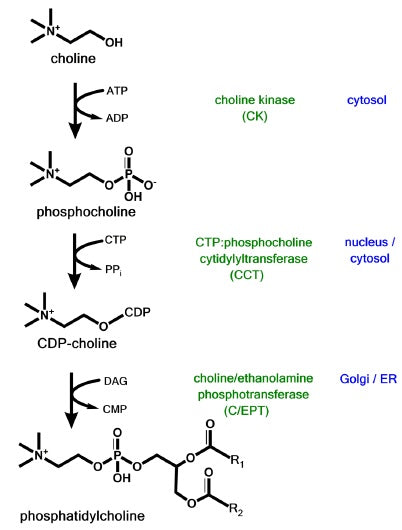
Your brain's neurons are surrounded by fatty membranes that control what enters and exits each cell. These membranes break down over time through normal wear, oxidative stress, and ageing. Citicoline provides the raw materials needed to rebuild and maintain these structures — specifically phosphatidylcholine (from the choline component) and phosphatidylethanolamine (from the uridine pathway). This is why researchers describe citicoline as having neuroprotective properties [2].*
3. Supporting Brain Energy
A 2015 study published in NMR in Biomedicine used brain imaging to measure the effects of citicoline supplementation at 500mg daily. Researchers found increased ATP (the brain's primary energy currency) and improved energy metabolism in the frontal lobes of healthy adults [1]. In practical terms, this means citicoline may help support mental energy in the brain region most responsible for decision-making, planning, and staying on task.*
What Does the Research Say? Key Citicoline Studies
Citicoline has a stronger evidence base than most nootropic compounds. Below are the clinical findings that matter most for anyone considering this choline supplement:
| Study | Dose | Population | Key Finding |
|---|---|---|---|
| Silveri et al., 2008 — NMR in Biomedicine [1] | 500mg/day for 6 weeks | Healthy adults | Increased frontal lobe ATP and energy metabolism on brain imaging* |
| McGlade et al., 2012 — Food and Nutrition Sciences [2] | 250–500mg/day for 28 days | Healthy women aged 40–60 | Improved attention and reduced omission errors on cognitive testing* |
| Alvarez-Sabín et al., 2013 — Journal of the Neurological Sciences [3] | 1,000mg/day for 12 months | Older adults with cognitive decline | Significant improvements in memory, orientation, and processing speed* |
| Gareri et al., 2015 — Clinical Interventions in Aging [4] | 500mg/day | Elderly patients with mild cognitive concerns | Improved MMSE scores and reduced depressive symptoms over 9 months* |
The evidence is strongest for attention, processing speed, and memory — particularly in adults experiencing age-related cognitive changes. In younger, healthy adults, the benefits tend to be more subtle but still measurable, especially under conditions of high mental demand or fatigue. As one research review noted, citicoline demonstrates "a favourable safety profile with consistent cognitive benefits across multiple domains" [5].*
Citicoline Dosage: How Much Should You Take?
The clinically studied dosage range for citicoline is 250–500mg per day for general cognitive support.* Most well-designed studies showing clear benefits used doses within this window, making it the sweet spot for most people.
- 250mg/day: The minimum dose shown to produce measurable cognitive effects in healthy adults [2]. A sensible starting point, especially when citicoline is part of a multi-ingredient nootropic formula.
- 500mg/day: The most commonly studied dose. This is the amount that produced the brain energy changes seen on imaging studies [1], and what most researchers consider ideal for general use.
- 1,000–2,000mg/day: Used in clinical studies on memory impairment and neurological recovery [3]. These higher doses are typically studied in older populations with specific cognitive concerns and should be taken under medical guidance.
Citicoline is water-soluble and well-absorbed whether taken with or without food. Most people take it in the morning or early afternoon, as its acetylcholine-boosting effects may interfere with sleep if taken late in the day.
Citicoline vs Other Choline Supplements
Not all choline supplements deliver the same results. If you're comparing citicoline to other choline-containing compounds, here's how they differ in practice:
| Choline Supplement | Choline Content | Crosses Blood-Brain Barrier | Additional Benefits |
|---|---|---|---|
| Citicoline (CDP-choline) | ~18% choline by weight | Yes, efficiently | Also provides cytidine/uridine for membrane repair |
| Alpha-GPC | ~40% choline by weight | Yes | Higher choline dose per gram; often favoured for physical performance |
| Choline Bitartrate | ~41% choline by weight | Poorly | Most affordable but limited evidence for cognitive benefit |
Citicoline's edge isn't just about choline delivery — it's the combination of choline and cytidine that makes it uniquely valuable as a brain health supplement. Alpha-GPC delivers more choline per gram, which can be useful for acetylcholine production, but it doesn't provide the membrane-repair benefits that come from citicoline's uridine pathway. Choline bitartrate, while the cheapest choline supplement available, has limited evidence for effectively reaching the brain, which reduces its usefulness for cognitive support.
Who Benefits Most from Citicoline?
Citicoline isn't reserved for biohackers. Based on the available clinical evidence, several groups may find this choline supplement particularly useful:
- Professionals under cognitive pressure: If your day involves sustained concentration, complex decisions, or constant task-switching, citicoline may help support the acetylcholine pathways that underpin these functions [2].*
- Students during exam periods: The attention and memory benefits observed in clinical studies translate directly to the kind of intense mental work required during revision and exams.*
- Adults over 40 concerned about brain health: Age-related changes in brain cell membrane integrity are well-documented. Citicoline's repair properties make it particularly relevant for long-term cognitive maintenance [3][4].*
- Gamers and esports competitors: Faster reaction times and sustained attention during long sessions are areas where citicoline's effects on processing speed may offer a measurable advantage [2].*
How Citicoline Fits Into a Nootropic Stack
Citicoline works best as part of a carefully considered combination rather than on its own. Because it primarily targets the cholinergic system and membrane integrity, pairing it with compounds that work through different pathways can produce broader cognitive support.* Evidence-based pairings include:
- Citicoline + L-theanine: L-theanine promotes alpha brainwave activity and calm alertness, complementing citicoline's effects on attention and processing speed.*
- Citicoline + bacopa monnieri: Bacopa supports memory consolidation through serotonin and antioxidant pathways, making it a strong complement to citicoline's cholinergic effects.*
- Citicoline + lion's mane mushroom: Lion's mane stimulates nerve growth factor (NGF) production, supporting the growth of new neural connections alongside citicoline's membrane-repair functions.*
- Citicoline + rhodiola rosea: Rhodiola helps the body adapt to mental fatigue and stress, tackling cognitive performance from a completely different angle.*
The practical challenge is sourcing and dosing each of these individually — getting the right forms, at clinically relevant amounts, from trustworthy sources. This is where well-formulated nootropic blends earn their place.
How Noobru Puts This Into Practice
Noobru's drinkable nootropic range is built on clinical dosing without proprietary blends — every ingredient and its dose is listed transparently on the label. Several Noobru products incorporate citicoline alongside complementary nootropic ingredients:
Noobru Pro combines adaptogenic and nootropic ingredients designed for professionals dealing with chronic stress and energy crashes. It's formulated to help sustain mental clarity under pressure without relying on caffeine or stimulants.*
For those whose cognitive struggles are compounded by poor sleep, Noobru Lucid offers a calming formula that may help support restorative sleep — because no amount of any choline supplement can compensate for chronic sleep deprivation.*
The broader Noobru range addresses different aspects of health that indirectly affect brain performance: Noobru Shield for immune resilience, Noobru Zeus for men's hormonal health, and Noobru Cheat for metabolic support — because cognitive performance never exists in isolation.*
Every Noobru product is UK-made, third-party tested for purity, and uses clinically relevant doses rather than token amounts designed to look good on a label.
Frequently Asked Questions About Citicoline
What does citicoline do for the brain?
Citicoline provides two key building blocks for brain health: choline, which your body converts to the neurotransmitter acetylcholine (essential for learning and memory), and cytidine, which converts to uridine and supports the repair of brain cell membranes. Together, these mechanisms may help support focus, memory, and overall cognitive function [1][2].*
How much citicoline should I take per day?
Most clinical studies use doses of 250–500mg per day, which is the range generally considered effective for cognitive support. Some studies have used up to 2,000mg daily in clinical populations, but 250–500mg is the most common dose found in well-formulated nootropic supplements [1][2].
Is citicoline the same as CDP-choline?
Yes, citicoline and CDP-choline (cytidine diphosphate-choline) are two names for the same compound. CDP-choline is the chemical name, while citicoline is the more common commercial name. Both refer to the same naturally occurring molecule.
Can I take citicoline with other nootropics?
Citicoline is commonly stacked with other nootropics. It pairs particularly well with L-theanine, bacopa monnieri, and lion's mane mushroom. Because citicoline boosts acetylcholine availability, it complements ingredients that work through different neurotransmitter pathways.*
Are there side effects of citicoline?
Citicoline is generally well-tolerated at standard doses (250–500mg). Some people report mild digestive discomfort, headaches, or difficulty sleeping, particularly at higher doses. As with any supplement, consult your healthcare provider before starting — especially if you take medication.
Is citicoline better than choline bitartrate?
For cognitive support, citicoline is generally considered the superior choline supplement. Unlike choline bitartrate, citicoline crosses the blood-brain barrier efficiently and provides cytidine (which converts to uridine) for brain cell membrane repair, in addition to choline for acetylcholine production.
Key Takeaways
- Citicoline (CDP-choline) is a dual-action choline supplement that provides both choline and cytidine to support brain function through two distinct pathways — neurotransmitter production and membrane repair.*
- The optimal dosage is 250–500mg per day, based on clinical evidence showing improved attention, processing speed, and brain energy metabolism [1][2].*
- Citicoline outperforms simpler choline sources like choline bitartrate because it also supports brain cell membrane repair via the uridine pathway.*
- It works best as part of a nootropic stack, paired with complementary compounds like L-theanine, bacopa monnieri, or rhodiola rosea.*
- The strongest evidence supports its use for attention, memory, and age-related cognitive maintenance, with measurable benefits in both younger and older adult populations [2][3][4].*
Looking for a nootropic formula that includes citicoline at clinically relevant doses alongside complementary brain-supporting ingredients? Noobru's drinkable supplements are UK-made, fully transparent, and designed for people who actually read the research.
Try Noobru risk-free with our 90-day money-back guarantee →References
- Silveri MM, Dikan J, Ross AJ, et al. Citicoline enhances frontal lobe bioenergetics as measured by phosphorus magnetic resonance spectroscopy. NMR in Biomedicine. 2008;21(10):1066-1075. PubMed
- McGlade E, Locatelli A, Hardy J, et al. Improved attentional performance following citicoline administration in healthy adult women. Food and Nutrition Sciences. 2012;3(6):769-773. DOI
- Alvarez-Sabín J, Ortega G, Jacas C, et al. Long-term treatment with citicoline may improve poststroke vascular cognitive impairment. Cerebrovascular Diseases. 2013;35(2):146-154. PubMed
- Gareri P, Castagna A, Cotroneo AM, et al. The role of citicoline in cognitive impairment: pharmacological characteristics, possible advantages, and doubts for an old drug with new perspectives. Clinical Interventions in Aging. 2015;10:1421-1429. PubMed
- Jasielski P, Piędel F, Piwek M, et al. Application of citicoline in neurological disorders: a systematic review. Nutrients. 2020;12(10):3113. PubMed
*These statements have not been evaluated by the Food and Drug Administration or MHRA. This product is not intended to diagnose, treat, cure, or prevent any disease. Always consult your healthcare provider before starting any supplement regimen.



Leave a comment
All comments are moderated before being published.
This site is protected by hCaptcha and the hCaptcha Privacy Policy and Terms of Service apply.