




*Disclaimer: These statements have not been evaluated by the Food and Drug Administration or MHRA. This product is not intended to diagnose, treat, cure, or prevent any disease. Always consult your healthcare provider before starting any supplement regimen.
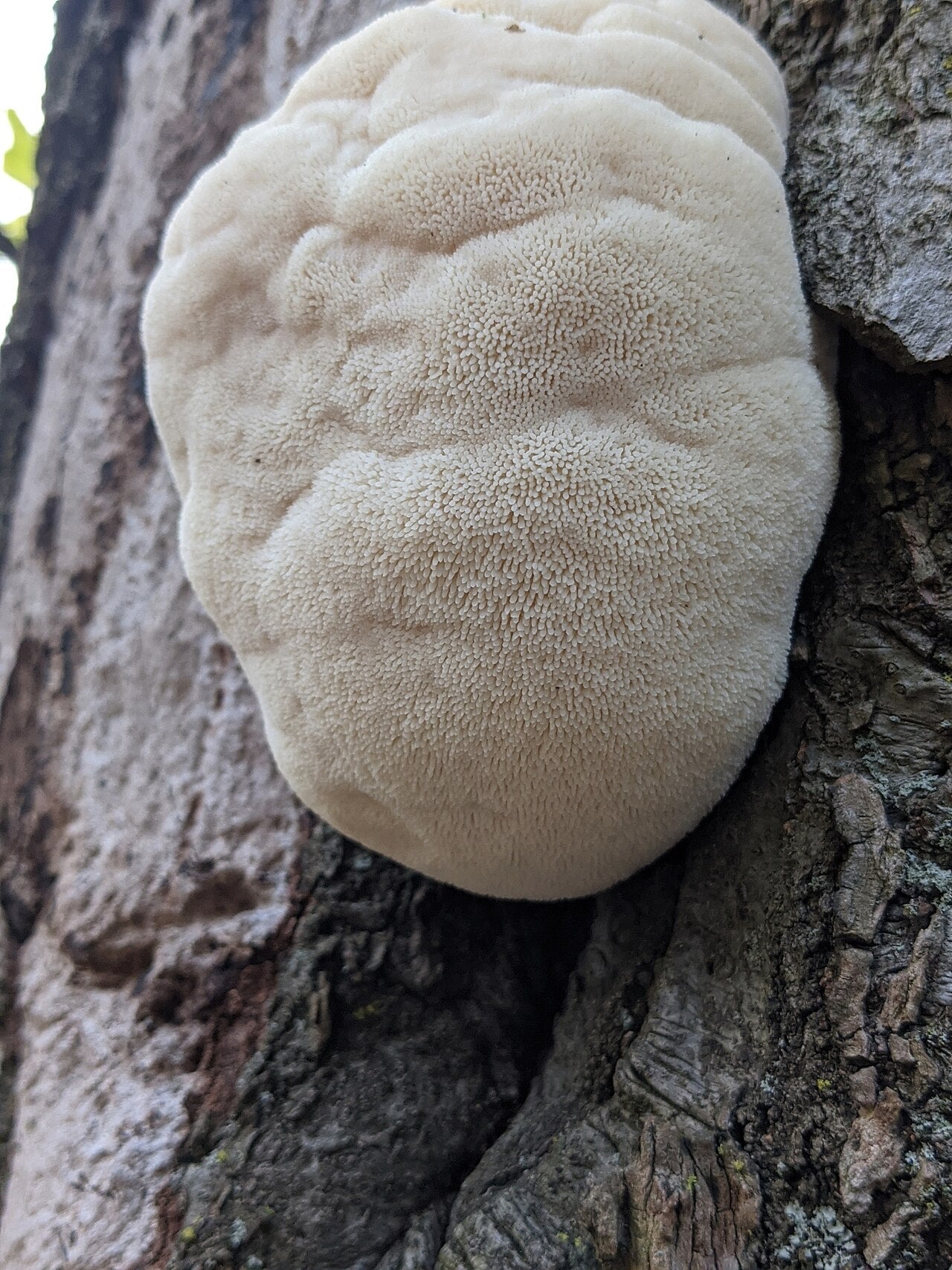
A lion's mane supplement is one of the most promising natural nootropics available today, backed by a growing body of research suggesting it may support cognitive function, nerve health, and long-term neuroprotection.* Unlike stimulant-based brain boosters, lion's mane mushroom (Hericium erinaceus) works by encouraging the body's own production of two key proteins — Nerve Growth Factor (NGF, a protein that keeps neurons alive and functioning) and Brain-Derived Neurotrophic Factor (BDNF, a protein that promotes the growth of new brain cells).* These two proteins are essential for neuron survival, growth, and repair.
But not all lion's mane supplements are created equal. The market is flooded with products that vary wildly in extract type, dosage, and quality. This guide breaks down exactly what the science says, what to look for in a supplement, and how to integrate lion's mane into a broader cognitive support strategy.
What Is Lion's Mane and How Does It Work?
Lion's mane is an edible medicinal mushroom that may help support brain health by stimulating the production of nerve growth proteins.* It has been used in traditional Chinese and Japanese medicine for centuries, and modern science is beginning to validate those traditional uses.
Its mechanism of action centres on two unique compound groups. Hericenones — active compounds found in the fruiting body (the visible mushroom) — and erinacines — active compounds found in the mycelium (the root-like network) — can both cross the blood-brain barrier and stimulate NGF synthesis in the brain [1].* In simpler terms, these compounds tell your brain to produce more of the proteins that keep nerve cells healthy and growing.
This matters because NGF production naturally declines with age, which is associated with reduced cognitive performance and slower neural repair. By stimulating NGF and BDNF production, lion's mane may help support neurogenesis (the growth of new brain cells) and myelination (the formation of a protective coating around nerve fibres that speeds up signal transmission).* As one researcher put it, lion's mane doesn't just fuel your brain — it may help rebuild the wiring.*
A landmark 2009 double-blind, placebo-controlled study by Mori et al. found that adults with mild cognitive impairment who took lion's mane for 16 weeks showed significant improvements in cognitive function scores compared to the placebo group [1]. Notably, these improvements declined after supplementation stopped, suggesting that consistent, ongoing use is important. This finding has since been supported by additional research, including a 2023 clinical trial from the University of Queensland showing improvements in short-term recognition memory following lion's mane supplementation [5].
Key Benefits of a Lion's Mane Supplement
The primary benefit of lion's mane supplementation is cognitive support, but the research extends into several interconnected areas of brain and nervous system health.* Here is what the evidence shows so far.
Cognitive Function and Memory
Lion's mane may help improve memory, focus, and mental clarity by enhancing synaptic plasticity — the brain's ability to form and strengthen connections between nerve cells.* The 2009 Mori et al. trial remains the most cited human study, demonstrating measurable improvements in cognitive function at doses of approximately 3,000mg of powdered fruiting body daily [1]. More recent research has explored lower doses of concentrated extracts (500–1,000mg) with encouraging preliminary results [5]. Think of it this way: lion's mane doesn't just sharpen your thinking today — it may help maintain your cognitive edge for years to come.*
Nerve Regeneration and Neuroprotection
Lion's mane's ability to stimulate NGF makes it unique among nootropic supplements.* While many cognitive enhancers work by temporarily adjusting brain chemical levels, lion's mane may support the structural health of neurons themselves.* A 2013 study by Lai et al. confirmed the neurotrophic (nerve-nourishing) properties of lion's mane extracts in laboratory settings [3], and animal studies have demonstrated accelerated nerve regeneration following injury when lion's mane was administered [4]. More human research is needed to confirm these findings, but the early evidence is compelling.
Mood and Emotional Wellbeing
A 2010 study by Nagano et al. involving 30 women found that four weeks of lion's mane supplementation was associated with reduced symptoms of irritability and anxiety compared to placebo [2]. Researchers hypothesised this may be linked to NGF's role in the hippocampus — a brain region involved in emotional processing and memory formation. While this is a small study, it aligns with the broader understanding of how nerve growth factors influence mood regulation.*
Inflammation and Antioxidant Activity
Lion's mane contains potent anti-inflammatory and antioxidant compounds that may help reduce oxidative stress — essentially, damage caused by unstable molecules called free radicals — in the brain.* Chronic brain inflammation is increasingly recognised by researchers at institutions like the Alzheimer's Society as a contributing factor in age-related cognitive decline, making this a potentially valuable protective mechanism.
Fruiting Body Extract vs. Mycelium Extract: Which Is Better?
The source of your lion's mane extract matters significantly.
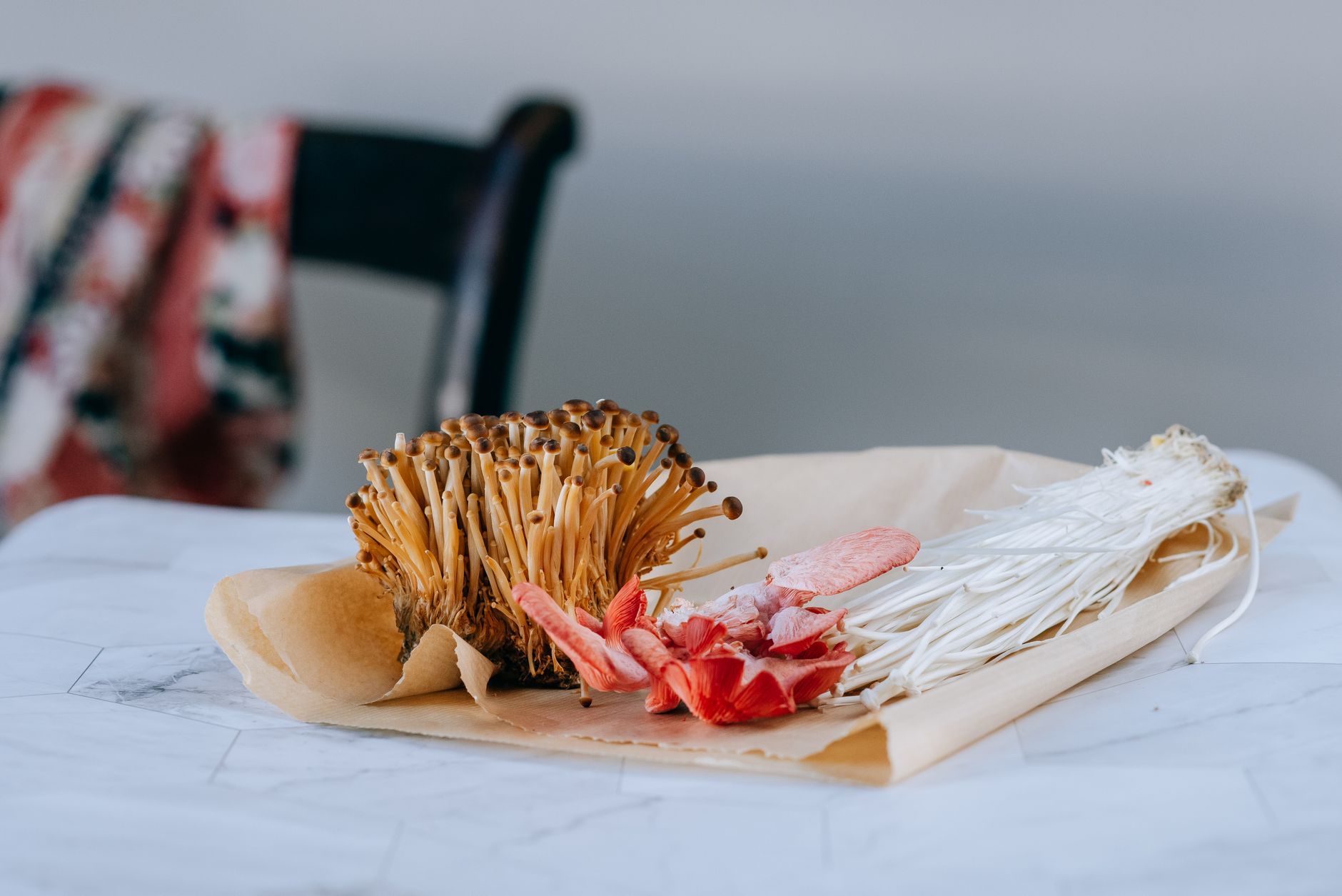
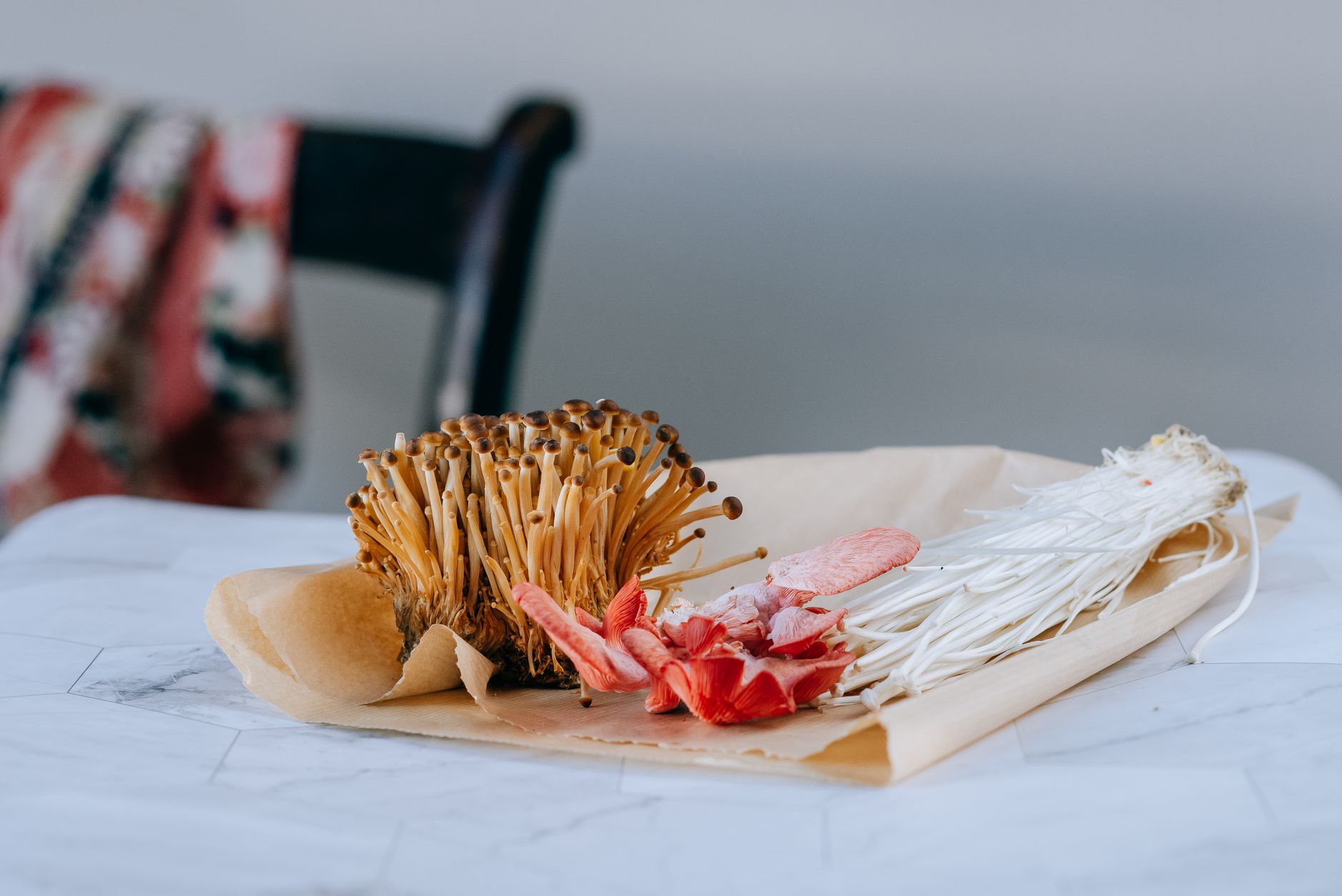
Fruiting body extract comes from the visible mushroom — the part you would recognise growing on a tree. It is richer in hericenones, the compounds most directly linked to NGF stimulation in the brain.* Fruiting body extracts also tend to have higher concentrations of beta-glucans (immune-supporting polysaccharides) and fewer filler ingredients.
Mycelium extract is grown on a grain substrate (usually rice or oats) and contains erinacines — a different set of active compounds that also stimulate NGF.* However, mycelium-on-grain products are frequently criticised because the final product can contain a high proportion of grain starch rather than pure mushroom material. Some independent analyses have found mycelium-on-grain products containing as little as 5–10% actual mushroom compounds.
Dual extracts — combining both fruiting body and mycelium sources — offer the broadest spectrum of active compounds.* This approach captures both hericenones and erinacines, which may work through complementary pathways. If you only remember one thing about choosing a lion's mane supplement, make it this: always check the extract source on the label.
What to Look for in a Lion's Mane Supplement
Quality varies enormously across the lion's mane supplement market. Here are the key factors that distinguish an effective product from an ineffective one.
| Factor | What to Look For | Red Flag |
|---|---|---|
| Extract Source | Fruiting body, or dual-extract (fruiting body + mycelium) | Mycelium-on-grain only (diluted with starch) |
| Active Compounds | Standardised to hericenones and/or beta-glucans (≥30%) | No standardisation listed |
| Dosage | 500–1,000mg of concentrated extract per serving | Below 300mg or unstated dose |
| Extraction Method | Hot water or dual extraction (hot water + alcohol) | No extraction method stated |
| Third-Party Testing | Certificate of analysis available; tested for heavy metals | No testing documentation |
| Formulation | Combined with synergistic nootropics (e.g., bacopa monnieri, citicoline) | Proprietary blends hiding individual doses |
Lion's Mane Dosage: What the Research Supports
The evidence-supported dose is 500–1,000mg of concentrated lion's mane extract daily, taken consistently for at least 8–16 weeks.* The optimal amount depends on the form you are taking.
The original 2009 Mori et al. study used a higher dose of powdered (non-extracted) fruiting body — approximately 3,000mg daily — which is roughly equivalent to a lower dose of concentrated extract [1]. The key distinction is between raw powder and concentrated extract: extraction processes remove inactive material and concentrate the beneficial compounds, so you need less per serving.
Most researchers recommend consistent daily supplementation for at least 8–16 weeks before assessing results. Lion's mane is not a quick-acting stimulant; it works by supporting structural changes in the brain over time, which means patience and consistency are essential. As the Examine.com research database notes, the benefits of lion's mane appear to be cumulative and dependent on sustained use.
It is also worth noting that lion's mane appears to work synergistically with other nootropic compounds. Combining it with ingredients like bacopa monnieri (which helps support memory via acetylcholine pathways) or citicoline (which provides building blocks for brain cell membranes and neurotransmitter production) may amplify cognitive benefits beyond what lion's mane achieves alone.*
Forms of Lion's Mane: Capsules, Powder, or Drinkable?
Drinkable supplement formats may offer absorption advantages over capsules and loose powders, while also making it easier to combine synergistic ingredients in a single serving.
Capsules are convenient and offer precise dosing, but absorption can be slower due to the need to break down the capsule shell. They also limit flexibility in combining with other ingredients.
Loose powder allows for flexible dosing and can be added to food or drinks, but measuring accuracy varies and the earthy taste can be off-putting for some users.
Drinkable supplement blends offer a compelling advantage: faster absorption (dissolved formats bypass some digestive barriers), the ability to combine lion's mane with complementary nootropics in a single serving, and a more pleasant daily routine. This format is particularly popular in the UK market, where drinkable supplements have grown significantly in consumer preference. The best supplement is the one you actually take every day — and drinkable formats tend to have higher adherence rates than pills.
How Noobru Compares: A Full-Stack Cognitive Approach
Rather than relying on lion's mane in isolation, evidence suggests that a multi-compound nootropic approach may deliver more comprehensive cognitive support.* This is precisely the philosophy behind Noobru's formulations.
Noobru products are designed as drinkable supplement blends that combine clinically studied ingredients at transparent, full doses — no proprietary blends, no fairy-dusting. Every ingredient and its dose is listed clearly on the label, so you always know exactly what you are taking.
For those specifically interested in the cognitive benefits associated with lion's mane — memory support, mental clarity, focus, and neuroprotection — Noobru's range offers targeted solutions:
- Noobru Pro combines adaptogens with energising nootropics for sustained energy and mental clarity under stress, without the crash.* It is formulated for high-performers dealing with burnout and chronic fatigue.
- Noobru Lucid addresses the sleep side of cognitive health — because poor sleep is one of the most significant drivers of brain fog and impaired memory. It may help support deep, restorative sleep without grogginess.*
- Noobru Shield provides antioxidant and immune support that complements any nootropic regimen, particularly relevant given the link between chronic inflammation and cognitive decline.*
For men over 40 concerned about broader health alongside cognition, Noobru Zeus may help support prostate health and testosterone levels,* while Noobru Cheat helps manage blood sugar — a factor increasingly linked to long-term brain health.*
All Noobru products are UK-based, third-party tested for purity, and available on a subscription model with free delivery.
Frequently Asked Questions
How long does it take for a lion's mane supplement to work?
Most studies showing cognitive benefits used supplementation periods of 8–16 weeks. Some people report noticing subtle improvements in focus and clarity within 2–4 weeks, but meaningful changes in memory and cognitive function typically require consistent daily use for at least two months.
What is the best dosage for lion's mane?
Research supports a daily dose of 500–1,000mg of concentrated lion's mane extract for cognitive benefits [1].* The landmark 2009 study used approximately 3,000mg of powdered fruiting body daily, though modern concentrated extracts may achieve similar effects at lower doses.
Can you take lion's mane every day?
Yes, lion's mane appears safe for daily use based on current research. Studies lasting up to 16 weeks have not reported serious adverse effects. Mild digestive discomfort has been noted in a small number of participants. As with any supplement, consult your healthcare provider before starting.
Should I take lion's mane in the morning or at night?
Lion's mane does not have sedative properties, so it can be taken at any time of day. Many people prefer taking it in the morning alongside their focus routine, as its primary benefits relate to cognitive function rather than sleep. Consistency matters more than timing.
Does lion's mane interact with any medications?
Lion's mane may have mild antiplatelet effects, so individuals taking blood-thinning medications should exercise caution and consult their doctor. There is also theoretical concern about interactions with diabetes medications due to potential blood sugar effects. Always speak with your healthcare provider before combining supplements with prescription drugs.
What is the difference between fruiting body extract and mycelium extract?
Fruiting body extract comes from the visible mushroom and is richer in hericenones — compounds linked to NGF stimulation. Mycelium extract is grown on grain and contains erinacines, a different set of active compounds. Fruiting body extracts are generally considered higher quality because mycelium-on-grain products may be diluted with starch. Dual extracts combining both sources offer the broadest range of beneficial compounds.
Key Takeaways
- Unique nerve growth support: Lion's mane is one of the few natural compounds shown to stimulate NGF and BDNF production, making it distinct from other nootropic supplements.*
- Extract source matters most: Look for fruiting body or dual extracts standardised to active compounds, with third-party testing for purity. Avoid mycelium-on-grain products with no standardisation.
- Evidence-supported dosage range: Take 500–1,000mg of concentrated extract daily, consistently for at least 8–16 weeks, before expecting measurable results.
- Better in combination, not isolation: Lion's mane works best as part of a multi-compound nootropic strategy that includes synergistic ingredients like bacopa monnieri and citicoline.*
- Format affects consistency and absorption: Drinkable formats may offer absorption advantages and make it easier to combine synergistic ingredients in a single daily serving.
- Always consult a professional: Speak with your healthcare provider before starting any new supplement, particularly if you take medication or have existing health conditions.
Looking for a comprehensive, science-backed cognitive support formula in a convenient drinkable format? Noobru combines clinically studied nootropic ingredients at full, transparent doses — all made in the UK with third-party purity testing.
Try Noobru risk-free with our 90-day money-back guarantee →References
- Mori K, Inatomi S, Ouchi K, Azumi Y, Tuchida T. Improving effects of the mushroom Yamabushitake (Hericium erinaceus) on mild cognitive impairment: a double-blind placebo-controlled clinical trial. Phytotherapy Research. 2009;23(3):367-372. PubMed
- Nagano M, Shimizu K, Kondo R, et al. Reduction of depression and anxiety by 4 weeks Hericium erinaceus intake. Biomedical Research. 2010;31(4):231-237. PubMed
- Lai PL, Naidu M, Sabaratnam V, et al. Neurotrophic properties of the Lion's mane medicinal mushroom, Hericium erinaceus (Higher Basidiomycetes) from Malaysia. International Journal of Medicinal Mushrooms. 2013;15(6):539-554. PubMed
- Ratto D, Corana F, Mannucci B, et al. Hericium erinaceus improves recognition memory and induces hippocampal and cerebellar neurogenesis in frail mice during aging. Nutrients. 2019;11(4):715. PubMed
- Li IC, Lee LY, Tzeng TT, et al. Neurohealth properties of Hericium erinaceus mycelia enriched with erinacines. Behavioural Neurology. 2018;2018:5802634. PubMed
*These statements have not been evaluated by the Food and Drug Administration or MHRA. This product is not intended to diagnose, treat, cure, or prevent any disease. Always consult your healthcare provider before starting any supplement regimen.

Leave a comment
All comments are moderated before being published.
This site is protected by hCaptcha and the hCaptcha Privacy Policy and Terms of Service apply.