





How to Improve Focus and Concentration Naturally: An Evidence-Based Guide for 2026
Struggling to concentrate? You're not alone. A 2024 survey by the Centre for Attention Studies at King's College London found that 49% of UK adults feel their attention span has declined over the past two years [1]. Whether you're battling brain fog at work, losing track during meetings, or simply finding it harder to read a full chapter without reaching for your phone, the desire to improve focus and concentration naturally has never been more widespread.
This guide is for anyone — students revising for exams, professionals navigating demanding workloads, or older adults looking to stay mentally sharp — who wants practical, science-backed strategies that actually work. We'll cover sleep, nutrition, exercise, stress management, and targeted supplements, including nootropic ingredients with real clinical evidence behind them.
The bottom line: improving concentration is not about one magic trick. It's about stacking several evidence-based habits together. Let's break down exactly how to do that in 2026.
Why Is It So Hard to Focus in 2026?
Modern attention is under siege from multiple directions. Understanding why concentration has deteriorated helps you target the right solutions.
Digital Overload and Context Switching
The average UK adult checks their smartphone every 12 minutes during waking hours, according to Ofcom's 2024 communications report. Each interruption triggers a cognitive reset. A study from the University of California, Irvine found that it takes an average of 23 minutes and 15 seconds to fully refocus after a distraction [2].
Chronic Sleep Deprivation
The NHS reports that one in three British adults does not get enough sleep. Even mild sleep deprivation — sleeping 6 hours instead of 8 — can reduce attention and working memory by up to 30%, according to research published in Sleep journal [3].
Nutritional Gaps
Busy lifestyles often mean skipped meals or ultra-processed diets. The brain consumes roughly 20% of the body's total energy despite being only 2% of body weight. When key nutrients are missing — particularly B vitamins, omega-3 fatty acids, and iron — cognitive performance may suffer.*
Stress and Mental Fatigue
Cortisol, the primary stress hormone, directly impairs the prefrontal cortex — the brain region responsible for attention, planning, and decision-making. Chronic stress essentially puts your focus centre into a constant state of low-level alarm.
The 5 Pillars of Natural Focus Improvement
Improving concentration naturally requires a multi-pronged approach. These five pillars are ranked by the strength of their scientific evidence.
Pillar 1: Optimise Your Sleep
Sleep is the single most powerful lever for concentration. During deep sleep, the brain consolidates memories and clears metabolic waste through the glymphatic system. Without adequate rest, no supplement or technique can fully compensate.
- Target 7–9 hours per night (the range recommended by the NHS)
- Fix your wake time first: Waking at the same time daily (even weekends) is more impactful than setting a bedtime
- Limit screens 60 minutes before bed: Blue light suppresses melatonin production by up to 50%
- Cool your bedroom to 16–18°C: Core body temperature drop is a trigger for sleep onset
Quick win: If you can only change one thing, make it a consistent wake-up alarm — research shows this single habit improves sleep quality within one week.
Pillar 2: Move Your Body Regularly
Exercise is the most underutilised cognitive enhancer available. A landmark meta-analysis published in the British Journal of Sports Medicine found that regular aerobic exercise improved attention and processing speed across all age groups [4].
- Aim for 150 minutes of moderate exercise per week (brisk walking counts)
- Even a 10-minute walk before a demanding task may boost focus for up to 2 hours
- Strength training 2 times per week has been linked to improved executive function in adults over 40
Exercise increases brain-derived neurotrophic factor (BDNF), a protein that supports the growth of new neural connections. Think of it as fertiliser for your focus circuitry.
Pillar 3: Fuel Your Brain With the Right Nutrition
What you eat directly shapes how well you think. The brain is an energy-hungry organ, and specific nutrients play measurable roles in attention and mental clarity.*
Key focus-supporting nutrients include:
- Omega-3 fatty acids (DHA & EPA): Found in oily fish, walnuts, and flaxseeds. DHA makes up approximately 40% of the polyunsaturated fatty acids in the brain. A 2022 systematic review in Nutrients concluded that omega-3 supplementation may help support attention in adults [5].*
- B vitamins (B6, B9, B12): Essential for neurotransmitter synthesis, including dopamine and serotonin. Deficiencies are linked to brain fog and poor concentration.*
- Iron: Carries oxygen to the brain. Even subclinical iron deficiency can impair cognitive performance, particularly in women of childbearing age.
- Magnesium: Involved in over 300 enzymatic processes, including those governing neural signalling. Many UK adults are estimated to have suboptimal intake.
A practical focus-friendly daily diet might include: oily fish twice a week, a handful of mixed nuts daily, dark leafy greens at most meals, and whole grains instead of refined carbohydrates.
Pillar 4: Manage Stress and Train Attention
Mindfulness meditation physically changes the brain's attention networks. A study from Harvard Medical School found that 8 weeks of mindfulness practice increased grey matter density in the prefrontal cortex and reduced amygdala reactivity [6].
- Start with just 5 minutes daily using a guided app or simply focusing on your breathing
- Try the Pomodoro Technique: Work in 25-minute focused blocks with 5-minute breaks to train sustained attention
- Single-task instead of multitask: Neuroscience confirms that the brain cannot truly multitask — it rapidly switches between tasks, losing efficiency each time
- Spend time in nature: Attention Restoration Theory suggests that 20 minutes in a green space may help restore cognitive resources depleted by urban environments*
Pillar 5: Consider Evidence-Based Nootropic Supplements
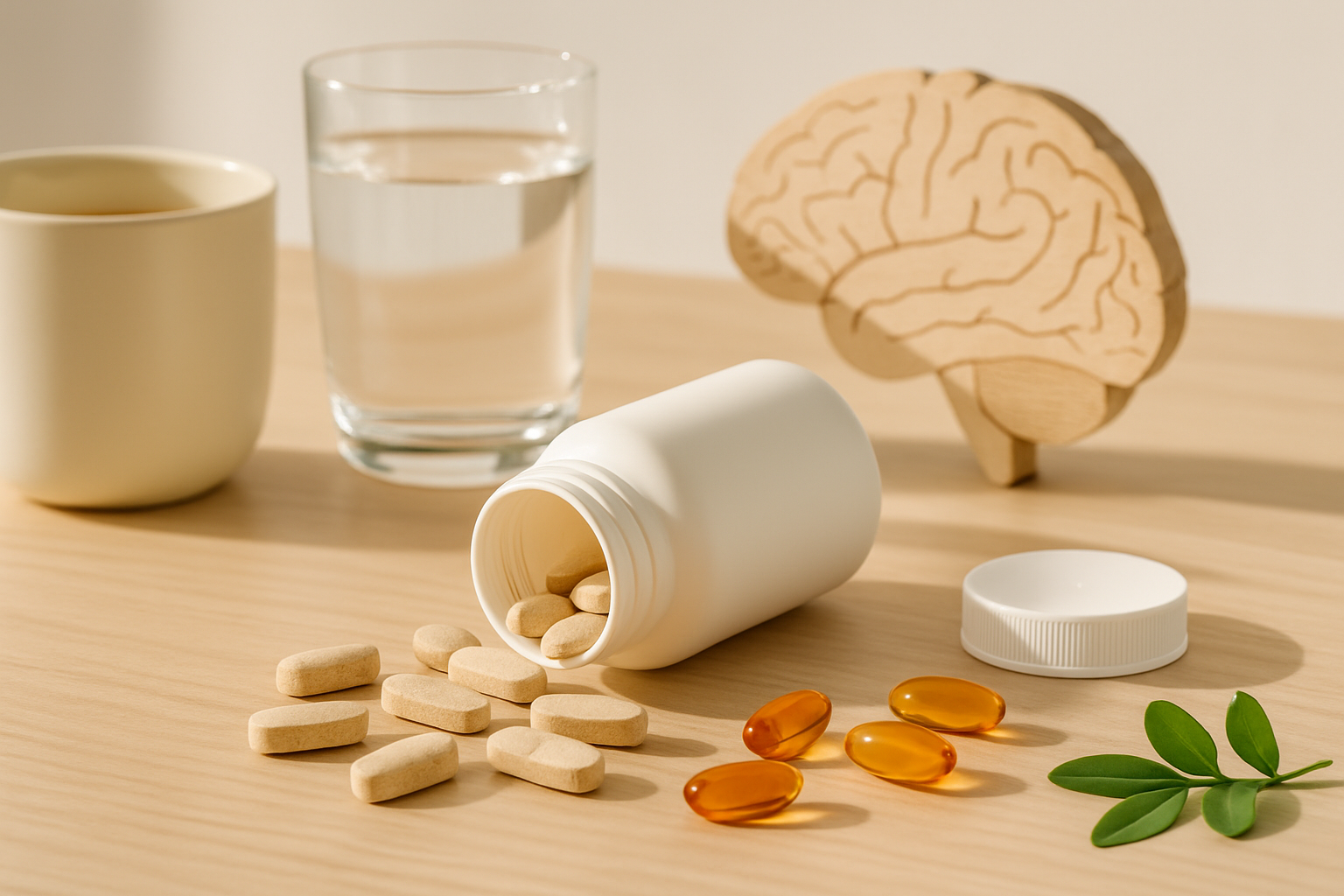
Once your lifestyle foundations are solid, targeted supplements may help provide an additional edge. The term "nootropic" refers to compounds that may help support cognitive function, and some have credible scientific backing.*
Ingredients with published clinical research:
- Phosphatidylserine: A phospholipid found in brain cell membranes. A meta-analysis of human trials found it may help support memory and attention, particularly in older adults [7].*
- L-Theanine: An amino acid found naturally in green tea. Research in Nutritional Neuroscience demonstrated that 200mg of L-theanine may help improve attention accuracy, especially when paired with caffeine [8].*
- Bacopa monnieri: An Ayurvedic herb. A 12-week randomised trial published in Psychopharmacology found it may help improve speed of visual information processing and working memory [9].*
- Vitamin B complex: Multiple trials confirm that B vitamin supplementation may help support mental energy and reduce feelings of fatigue associated with demanding cognitive tasks [10].*
- Choline: A precursor to acetylcholine, the neurotransmitter most associated with learning and memory. Many people in the UK consume below the adequate intake level.
Noobru Advantage combines several of these researched ingredients — including phosphatidylserine, B vitamins, and L-theanine — into a convenient drinkable format designed for daily use.* Rather than juggling multiple capsules, you get a targeted stack in one drink that may help support focus, mental clarity, and sustained attention throughout the day.*
A Sample Daily Focus Routine for 2026
Knowing what works is only half the battle. Here's a practical daily schedule that integrates all five pillars:
| Time | Action | Pillar |
|---|---|---|
| 6:30 AM | Consistent wake-up; 5 minutes of morning light exposure | Sleep |
| 7:00 AM | Nutrient-dense breakfast (eggs, spinach, berries) + Noobru Advantage | Nutrition + Supplements |
| 7:30 AM | 20-minute brisk walk or exercise | Exercise |
| 9:00 AM | Deep work block (Pomodoro: 25 min on, 5 min off) | Attention Training |
| 12:30 PM | Lunch with oily fish or lean protein + vegetables | Nutrition |
| 3:00 PM | 10-minute walk outdoors (combats afternoon slump) | Exercise + Stress |
| 9:00 PM | Screens off; 5-minute breathing exercise | Sleep + Stress |
| 10:00 PM | Lights out (cool, dark room) | Sleep |
Common Focus Mistakes to Avoid
Even well-intentioned people undermine their own concentration with these frequent errors:
- Relying solely on caffeine: More than 400mg daily (roughly 4 cups of coffee) can increase anxiety and disrupt sleep, creating a vicious cycle of poor focus
- Skipping meals to "save time": Blood glucose dips directly impair prefrontal cortex function — the brain region you need most for focused work
- Trying to overhaul everything at once: Habit research suggests adding one change per week leads to significantly better long-term adherence than dramatic overnight shifts
- Ignoring hydration: Even 1–2% dehydration is associated with measurable declines in attention and short-term memory
- Choosing unresearched supplements: Many "brain boosters" contain proprietary blends with undisclosed doses. Look for products that list exact amounts of each ingredient
Key Takeaways: Your Focus Action Plan for 2026
- Sleep is non-negotiable: 7–9 hours with a consistent wake time forms the foundation of all cognitive performance
- Move daily: Even 10 minutes of walking before demanding tasks may help sharpen attention for hours*
- Eat for your brain: Prioritise omega-3s, B vitamins, iron, and magnesium through whole foods
- Train your attention: Use mindfulness and single-tasking to strengthen focus like a muscle
- Supplement strategically: Once lifestyle basics are covered, evidence-based nootropics like phosphatidylserine, L-theanine, and B vitamins may help provide additional support.* Noobru's nootropic supplements are designed to make this step simple.
- Start small: Pick one pillar to improve this week. Stack another the following week. Sustainable change beats dramatic overhaul every time.
Frequently Asked Questions
What is the best natural way to improve focus?
The most effective natural strategies for improving focus combine adequate sleep (7–9 hours), regular aerobic exercise (at least 150 minutes per week), and a nutrient-rich diet. These three pillars form the foundation before considering any supplement.
Do nootropic supplements actually work for concentration?
Some nootropic ingredients have promising research behind them. For example, studies suggest that phosphatidylserine, L-theanine, and certain B vitamins may help support cognitive function, though results vary between individuals.* Always choose supplements backed by published research.
How long does it take to notice improvements in focus?
Lifestyle changes like better sleep and exercise can produce noticeable improvements within 1–2 weeks. Nutritional supplements may take 4–8 weeks of consistent use before effects become apparent, according to most clinical trial timelines.
Can diet really affect concentration and mental clarity?
Yes. Research published in The BMJ found that adherence to a Mediterranean-style diet rich in omega-3 fatty acids, antioxidants, and B vitamins is associated with slower cognitive decline and better sustained attention.
Is caffeine good or bad for focus?
Caffeine in moderate amounts (up to 400mg per day for most adults) may help improve alertness and reaction time.* However, excessive intake can increase anxiety and disrupt sleep, which ultimately harms concentration. Pairing caffeine with L-theanine may help smooth out jittery side effects.*
References
- King's College London / Ipsos. "Attention Span Study." 2024. Available at: kcl.ac.uk
- Mark, G., Gudith, D., & Klocke, U. "The Cost of Interrupted Work: More Speed and Stress." Proceedings of CHI 2008. UCI.edu
- Lo, J.C. et al. "Cognitive Performance, Sleepiness, and Mood in Partially Sleep Deprived Adolescents." Sleep, 2016. PubMed
- Erickson, K.I. et al. "Physical Activity, Cognition, and Brain Outcomes." British Journal of Sports Medicine, 2019. BJSM
- Dighriri, I.M. et al. "Effects of Omega-3 Polyunsaturated Fatty Acids on Brain Functions." Cureus, 2022. PubMed
- Hölzel, B.K. et al. "Mindfulness practice leads to increases in regional brain gray matter density." Psychiatry Research: Neuroimaging, 2011. PubMed
- Glade, M.J. & Smith, K. "Phosphatidylserine and the Human Brain." Nutrition, 2015. PubMed
- Dodd, F.L. et al. "A double-blind, placebo-controlled study evaluating the effects of caffeine and L-theanine on cognitive performance." Nutritional Neuroscience, 2015. PubMed
- Stough, C. et al. "The chronic effects of an extract of Bacopa monniera on cognitive function." Psychopharmacology, 2001. PubMed
- Kennedy, D.O. et al. "Effects of high-dose B vitamin complex on the general mood and cognitive performance." Psychopharmacology, 2010. PubMed
Ready to Support Your Focus Naturally?
Noobru Advantage combines research-backed nootropic ingredients — including phosphatidylserine, L-theanine, and a full B vitamin complex — in one convenient daily drink.* It's designed for people who've built the lifestyle foundations and want to go further.
*These statements have not been evaluated by the Food and Drug Administration or MHRA. This product is not intended to diagnose, treat, cure, or prevent any disease. Always consult your healthcare provider before starting any supplement regimen.


Leave a comment
All comments are moderated before being published.
This site is protected by hCaptcha and the hCaptcha Privacy Policy and Terms of Service apply.