





Neuroscience researcher and health writer specialising in evidence-based cognitive nutrition. Over 12 years' experience translating clinical research into actionable guidance.
Last updated: 21 May 2026
Brain health supplements are oral products — typically capsules, tablets, or drinkable powders — containing ingredients that may help support cognitive function, memory, focus, and long-term neurological health.* The category has grown significantly in the UK in 2026, driven by rising awareness of cognitive decline and a growing body of research into nootropic compounds. But with hundreds of products on the market, separating genuine science from marketing noise requires a closer look at the evidence.
This guide examines the most studied brain health supplements available today, explains how they work at a biological level, and helps you identify what to prioritise when choosing a product that may genuinely support your cognitive performance.*
🧠 Key Takeaways
- The most evidence-backed brain health supplements include bacopa monnieri, citicoline, lion's mane, L-theanine, rhodiola rosea, phosphatidylserine, and vitamin B12.
- Clinical dosing matters far more than ingredient count — always verify that a product provides doses matching published research.
- Standardised extracts ensure consistent potency; generic powders without standardisation offer unpredictable results.
- Supplements work best alongside adequate sleep, regular exercise, stress management, and a nutrient-dense diet.
- Allow 4–12 weeks of consistent daily use before evaluating whether a brain health supplement is working for you.
- Drinkable formats may offer faster absorption and better long-term adherence compared to tablets.
Why Brain Health Is a Growing Concern in the UK
Cognitive health is no longer a concern reserved for older adults. According to the Alzheimer's Society, there are currently over 900,000 people living with dementia in the UK — a figure projected to rise to over 1 million by 2030 [1]. Meanwhile, younger adults are increasingly reporting brain fog, poor concentration, and mental fatigue.
The brain consumes roughly 20% of your body's total energy despite accounting for only 2% of its weight. It requires a constant supply of specific nutrients to maintain neurotransmitter production, synaptic plasticity, and neuronal membrane integrity [2].
When these inputs fall short — whether through diet, ageing, or lifestyle factors — cognitive performance can decline. This is where targeted brain health supplements enter the picture.
Rather than replacing a healthy diet, the best nootropic supplements aim to fill specific nutritional gaps and provide compounds at doses difficult to achieve through food alone.
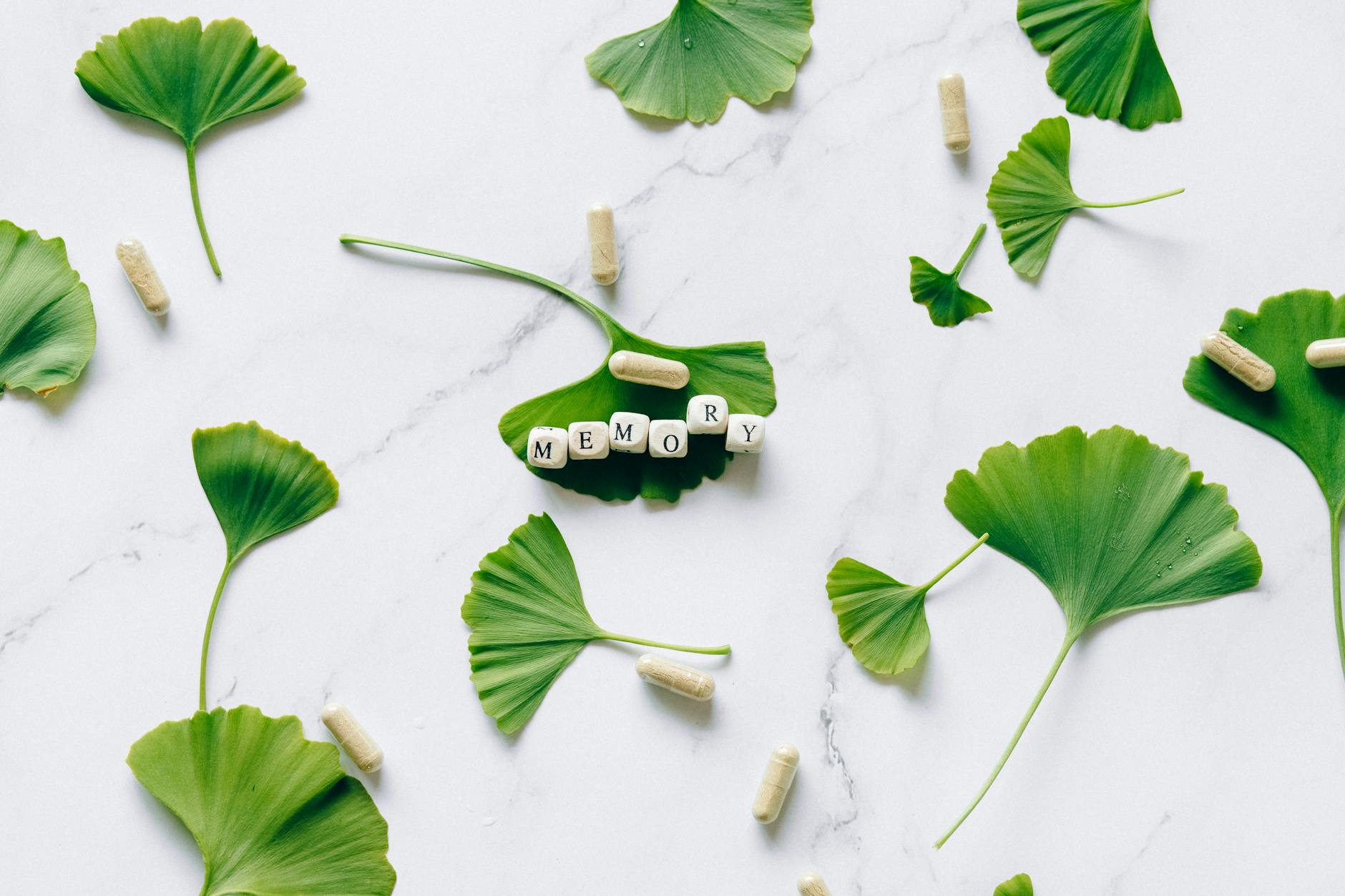
The 7 Most Evidence-Backed Brain Health Supplement Ingredients
Not all brain health ingredients are created equal. Below are the compounds with the strongest clinical evidence, along with the doses and mechanisms that matter.
1. Bacopa Monnieri
Bacopa monnieri is arguably the most well-researched natural nootropic for memory enhancement.* It modulates acetylcholine and serotonin pathways, while its active compounds — bacosides A and B — provide antioxidant protection to neurons.
A 2014 meta-analysis found significant improvement in memory free recall, recommending bacopa as a cognitive enhancer at 300–600 mg daily standardised to 55% bacosides [3]. Benefits typically emerge after 8–12 weeks of consistent use, so patience is essential.
"Bacopa monnieri is one of the few natural nootropics with multiple randomised controlled trials supporting its effect on human memory."
2. Citicoline (CDP-Choline)
Citicoline provides both choline — a precursor to acetylcholine, the neurotransmitter most associated with learning — and cytidine, which converts to uridine in the body, supporting synaptic plasticity and membrane repair.
A 2015 study using MRI imaging demonstrated improved attention and psychomotor speed, alongside increased frontal lobe bioenergetics, at doses of 250–500 mg daily [4]. This dual-mechanism action makes citicoline one of the most versatile brain health supplement ingredients available.
3. Lion's Mane Mushroom
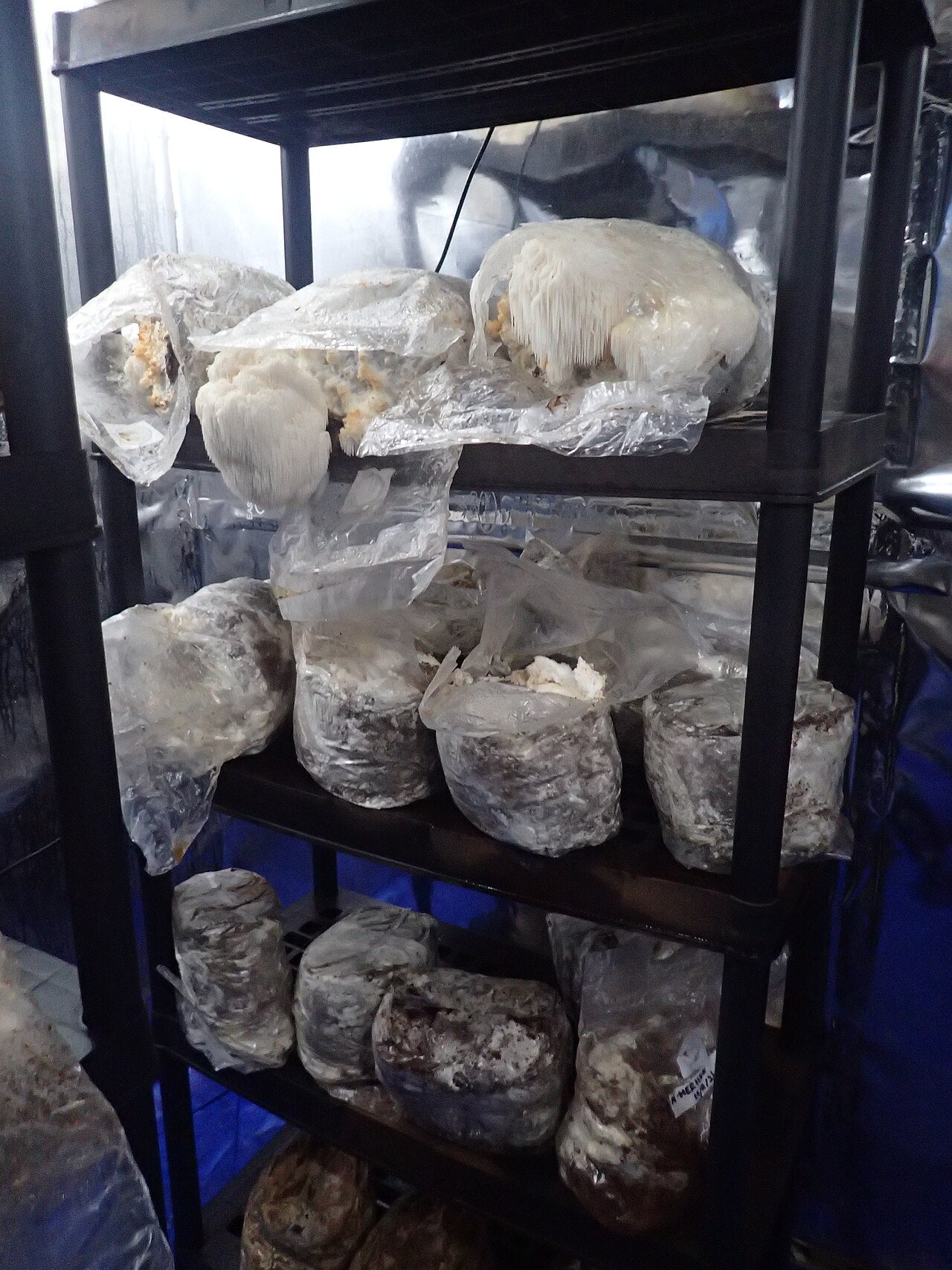
Lion's mane stimulates the production of Nerve Growth Factor (NGF) and Brain-Derived Neurotrophic Factor (BDNF) — two proteins critical for neurogenesis and myelin repair.*
A 2009 randomised controlled trial found significant improvements in cognitive function scores versus placebo in adults with mild cognitive impairment at 500–1000 mg daily [5]. Its neuroprotective properties make it particularly relevant for adults concerned about age-related cognitive decline.*
4. L-Theanine
L-theanine, an amino acid found naturally in tea, promotes alpha brain wave activity associated with calm alertness.* It modulates GABA, serotonin, and dopamine, creating a state of focused relaxation without sedation.
A 2008 study found that combined L-theanine and caffeine improved speed and accuracy of attention tasks compared to either substance alone [6]. The effective dose is 100–200 mg, often paired with 50–100 mg caffeine.
5. Rhodiola Rosea
Rhodiola rosea acts on the HPA axis to regulate cortisol and adrenaline, while increasing serotonin and dopamine availability.
A 2012 systematic review confirmed a significant reduction in mental fatigue alongside improvements in associative thinking, short-term memory, and calculation at 200–600 mg daily (standardised to 3% rosavins, 1% salidroside) [7]. It may be particularly useful for professionals experiencing cognitive fatigue under sustained stress.*
6. Phosphatidylserine
Phosphatidylserine is a phospholipid that forms a critical component of neuronal cell membranes. It supports neurological function and modulates the cortisol response, which can become dysregulated under chronic stress.*
Research suggests doses of 100–300 mg daily may help support memory and cognitive processing speed in older adults [8].*
7. Vitamin B12 (Methylcobalamin)
Vitamin B12 is essential for myelin sheath synthesis, DNA repair, and red blood cell formation. A 2016 study found that low B12 levels were strongly associated with accelerated brain volume loss and cognitive decline in older adults [9].
Methylcobalamin — the bioactive form — crosses the blood-brain barrier more effectively than the cheaper cyanocobalamin form. The recommended supplemental dose is 250–1000 mcg daily. Public Health England estimates that around 6% of adults under 60 and approximately 20% of those over 60 may be B12 deficient.
What Determines Whether a Brain Supplement Actually Works
Having the right ingredients is only part of the equation. Several factors determine whether a brain health supplement will deliver results.
Clinical Dosing vs. Fairy Dusting
Many supplements list impressive ingredient panels but include each compound at a fraction of the dose used in research. This practice — sometimes called "fairy dusting" — means you get the label appeal without the benefit.
Always check whether the product provides clinically relevant doses: 300 mg+ of bacopa monnieri, 250 mg+ of citicoline, and 500 mg+ of lion's mane, for example.
Standardisation and Extract Quality
Raw ingredients vary enormously in potency. Bacopa monnieri standardised to 55% bacosides delivers a predictable dose of active compounds; a generic "bacopa powder" does not.
Similarly, rhodiola rosea should be standardised to 3% rosavins and 1% salidroside. If a product doesn't list standardisation percentages, the actual cognitive benefit is unknown.
Bioavailability and Format
How a supplement is delivered affects how much of the active ingredient reaches your brain. Drinkable powder supplements can offer advantages over compressed tablets: the ingredients are already dissolved or in fine particle form, meaning faster gastric absorption.
Some compounds, like piperine (black pepper extract), can further enhance bioavailability of other ingredients when co-formulated.
Synergy Between Ingredients
The brain operates through interconnected neurochemical systems. A multi-ingredient approach — targeting acetylcholine production (citicoline), neuroplasticity (lion's mane), stress adaptation (rhodiola), and neuroprotection (bacopa) simultaneously — may yield more comprehensive results than any single ingredient in isolation.*
The best brain health supplements in 2026 are formulated with these synergies in mind.
Practical Steps to Support Your Brain Health
Supplements work best as part of a broader cognitive health strategy. Here's what the evidence supports:
- Prioritise sleep: Even the best nootropic cannot overcome chronic sleep deprivation. Aim for 7–9 hours nightly. If you struggle with sleep quality, ingredients like montmorency cherry, valerian, and magnesium glycinate may help support better rest.* Noobru Lucid is specifically formulated for this purpose.
- Manage stress actively: Chronic cortisol elevation impairs hippocampal function and memory consolidation [10]. Adaptogens like ashwagandha and rhodiola rosea may help modulate the stress response.* Noobru Pro combines adaptogens with energising nootropics for sustained mental clarity under pressure.
- Exercise regularly: Cardiovascular exercise is one of the most potent natural enhancers of BDNF production. Even 150 minutes of moderate activity per week — the NHS recommended minimum — has been associated with improved cognitive function [11].
- Eat a nutrient-dense diet: Omega-3 fatty acids, B vitamins, and polyphenols from fruits and vegetables provide foundational building blocks for brain health. Supplements are designed to complement — not replace — good nutrition.
- Stay cognitively active: Novel learning experiences, social interaction, and challenging mental tasks help maintain synaptic density throughout life.
How Noobru Compares to Other Brain Health Supplements
Most brain health supplements on the UK market fall into one of two categories: single-ingredient products (e.g., standalone lion's mane capsules) or multi-ingredient blends that hide behind proprietary formulas without disclosing individual doses.
Noobru takes a different approach. As a premium UK drinkable nootropic, every Noobru product uses full clinical doses with complete label transparency — no proprietary blends, no fairy dusting.
The drinkable powder format offers a practical advantage, too. Ingredients are absorbed more efficiently in liquid form compared to compressed tablets, and each serving is designed to taste genuinely good — something that matters for long-term adherence.
For targeted cognitive support, Noobru's range addresses different aspects of brain health:
| Concern | Recommended Product | Key Mechanisms |
|---|---|---|
| Energy, stress & mental clarity | Noobru Pro | Adaptogenic stress support, sustained energy without crashes* |
| Sleep quality & anxiety | Noobru Lucid | Natural sleep support, anxiety reduction, non-habit forming* |
| Immune resilience | Noobru Shield | Antioxidant blend for year-round immune support* |
| Male vitality (40+) | Noobru Zeus | Prostate health, healthy testosterone support* |
| Blood sugar & metabolic health | Noobru Cheat | Post-meal glucose management, metabolic support* |
Every product is tested for purity, ships with free delivery on subscription, and is backed by a 90-day money-back guarantee — so you can evaluate the effects over the timeframe that research suggests is most meaningful.

Frequently Asked Questions
What is the most evidence-backed brain health supplement?
Bacopa monnieri has some of the strongest evidence among nootropic ingredients, with multiple trials showing improvements in memory free recall when taken at 300–600 mg daily standardised to 55% bacosides [3]. Citicoline and phosphatidylserine also have robust clinical support for cognitive function.
How long do brain health supplements take to work?
Most brain health supplements require consistent use for 4–12 weeks before noticeable cognitive effects. Bacopa monnieri typically shows measurable improvements in memory after 8–12 weeks of daily use. Some ingredients like L-theanine may produce calming focus within 30–60 minutes.
Are brain health supplements safe to take daily?
Most well-researched nootropic ingredients like citicoline, bacopa, and L-theanine have strong safety profiles when taken at clinical doses. However, you should always consult your healthcare provider before starting any supplement, especially if you take medication or have existing health conditions.
Can brain supplements help with brain fog?
Several ingredients may help support mental clarity and reduce brain fog.* Citicoline has been shown to improve attention and frontal lobe bioenergetics [4], while rhodiola rosea may help reduce mental fatigue [7].* A combination approach targeting multiple pathways is often more effective than any single ingredient.
What should I look for when choosing a brain health supplement?
Look for products that list clinical doses of each ingredient rather than hiding behind proprietary blends. Check that key ingredients are standardised (e.g., bacopa to 55% bacosides) and that the product has been tested for purity. Drinkable formats may also offer superior absorption compared to tablets.
Ready to Support Your Brain Health?
Noobru's drinkable nootropic range delivers real ingredients at real doses — with no proprietary blends and no guesswork. Clinically dosed, fully transparent, and made in the UK.
Try Noobru risk-free with our 90-day money-back guarantee →References
- Alzheimer's Society. "Facts for the media." alzheimers.org.uk
- Raichle ME, Gusnard DA. "Appraising the brain's energy budget." Proc Natl Acad Sci. 2002;99(16):10237-10239. pubmed.ncbi.nlm.nih.gov/12149485
- Kongkeaw C et al. "Meta-analysis of randomized controlled trials on cognitive effects of Bacopa monnieri extract." J Ethnopharmacol. 2014;151(1):528-535. pubmed.ncbi.nlm.nih.gov/24252493
- Silveri MM et al. "Citicoline enhances frontal lobe bioenergetics as measured by phosphorus magnetic resonance spectroscopy." NMR Biomed. 2008;21(10):1066-1075. pubmed.ncbi.nlm.nih.gov/18816480
- Mori K et al. "Improving effects of the mushroom Yamabushitake on mild cognitive impairment." Phytother Res. 2009;23(3):367-372. pubmed.ncbi.nlm.nih.gov/18844328
- Owen GN et al. "The combined effects of L-theanine and caffeine on cognitive performance and mood." Nutr Neurosci. 2008;11(4):193-198. pubmed.ncbi.nlm.nih.gov/18681988
- Ishaque S et al. "Rhodiola rosea L. as a putative botanical antidepressant." Phytomedicine. 2012;19(5):346-354. pubmed.ncbi.nlm.nih.gov/22033190
- Glade MJ, Smith K. "Phosphatidylserine and the human brain." Nutrition. 2015;31(6):781-786. pubmed.ncbi.nlm.nih.gov/25933483
- Vogiatzoglou A et al. "Vitamin B12 status and rate of brain volume loss in community-dwelling elderly." Neurology. 2008;71(11):826-832. pubmed.ncbi.nlm.nih.gov/18779510
- Lupien SJ et al. "Effects of stress throughout the lifespan on the brain, behaviour and cognition." Nat Rev Neurosci. 2009;10(6):434-445. pubmed.ncbi.nlm.nih.gov/19401723
- NHS. "Physical activity guidelines for adults aged 19 to 64." nhs.uk
⚠️ Disclaimer: *These statements have not been evaluated by the Food and Drug Administration or MHRA. This product is not intended to diagnose, treat, cure, or prevent any disease. Always consult your healthcare provider before starting any supplement regimen.

Leave a comment
All comments are moderated before being published.
This site is protected by hCaptcha and the hCaptcha Privacy Policy and Terms of Service apply.