




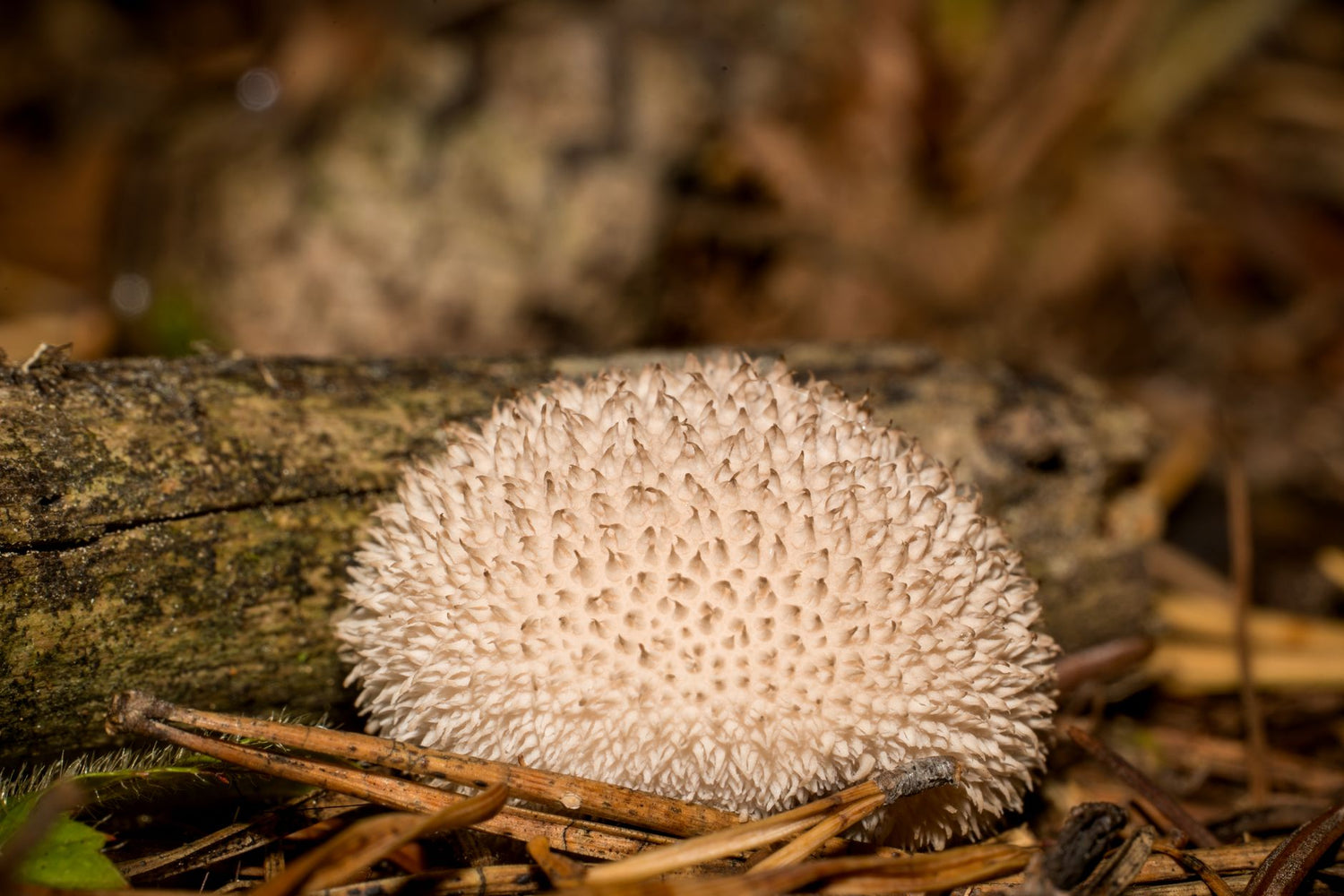
Lion's mane (Hericium erinaceus) is an edible medicinal mushroom with a growing body of evidence supporting its role in brain health, nerve regeneration, and cognitive function. The most well-documented lions mane benefits centre on its unique ability to stimulate the production of Nerve Growth Factor (NGF) and Brain-Derived Neurotrophic Factor (BDNF) — two proteins essential for neuron survival, growth, and repair [1].
Unlike many nootropic ingredients that work primarily on neurotransmitter levels, lion's mane appears to operate at a more foundational level: supporting the actual structure and connectivity of your nervous system. This makes it one of the most distinctive natural compounds available for long-term cognitive support in 2026. Below, we break down what the research actually shows, which benefits are well-supported, and where the evidence still has gaps.
Key Takeaways
- Unique mechanism: Lion's mane is the only widely available nootropic mushroom shown to stimulate both NGF and BDNF — proteins that help grow, maintain, and repair brain cells.*
- Best-supported benefit: A 2009 clinical trial found significant cognitive improvements in adults with mild cognitive impairment after 16 weeks of daily use [1].*
- Seven evidence-backed benefits: Cognitive function, nerve regeneration, mood support, immune modulation, gut health, antioxidant activity, and blood sugar regulation — though some evidence is still preliminary.*
- Effective dosage: 500–1,000 mg daily of a standardised extract, taken consistently for 8–16 weeks.
- Works best in combination: Lion's mane pairs well with complementary nootropic ingredients like citicoline, bacopa monnieri, and rhodiola rosea for multi-pathway cognitive support.
What Is Lion's Mane and How Does It Work?
Lion's mane is a large, white, shaggy mushroom that grows on hardwood trees across North America, Europe, and Asia. It has been used in traditional Chinese and Japanese medicine for centuries, valued for its perceived cognitive and digestive benefits. Modern research has only begun to unravel its mechanisms in the last two decades, but the findings are promising.
The mushroom contains two families of bioactive compounds that set it apart from other functional mushrooms:
- Hericenones (found in the fruiting body — the visible part of the mushroom) — these compounds may stimulate NGF production in the brain. Think of NGF as a fertiliser that helps brain cells grow and stay healthy.*
- Erinacines (found in the mycelium — the root-like network underground) — these molecules are small enough to cross the blood-brain barrier and may directly promote both NGF and BDNF production within the central nervous system [1].*
Why do NGF and BDNF matter? These growth factors are essential for neuroplasticity — your brain's ability to form new connections, adapt to new information, and repair damaged neurons. In simpler terms, they help keep your brain flexible and resilient. Declining levels of these proteins are linked to age-related cognitive decline, which is why lion's mane has attracted significant research attention from the Alzheimer's Society and academic researchers worldwide.
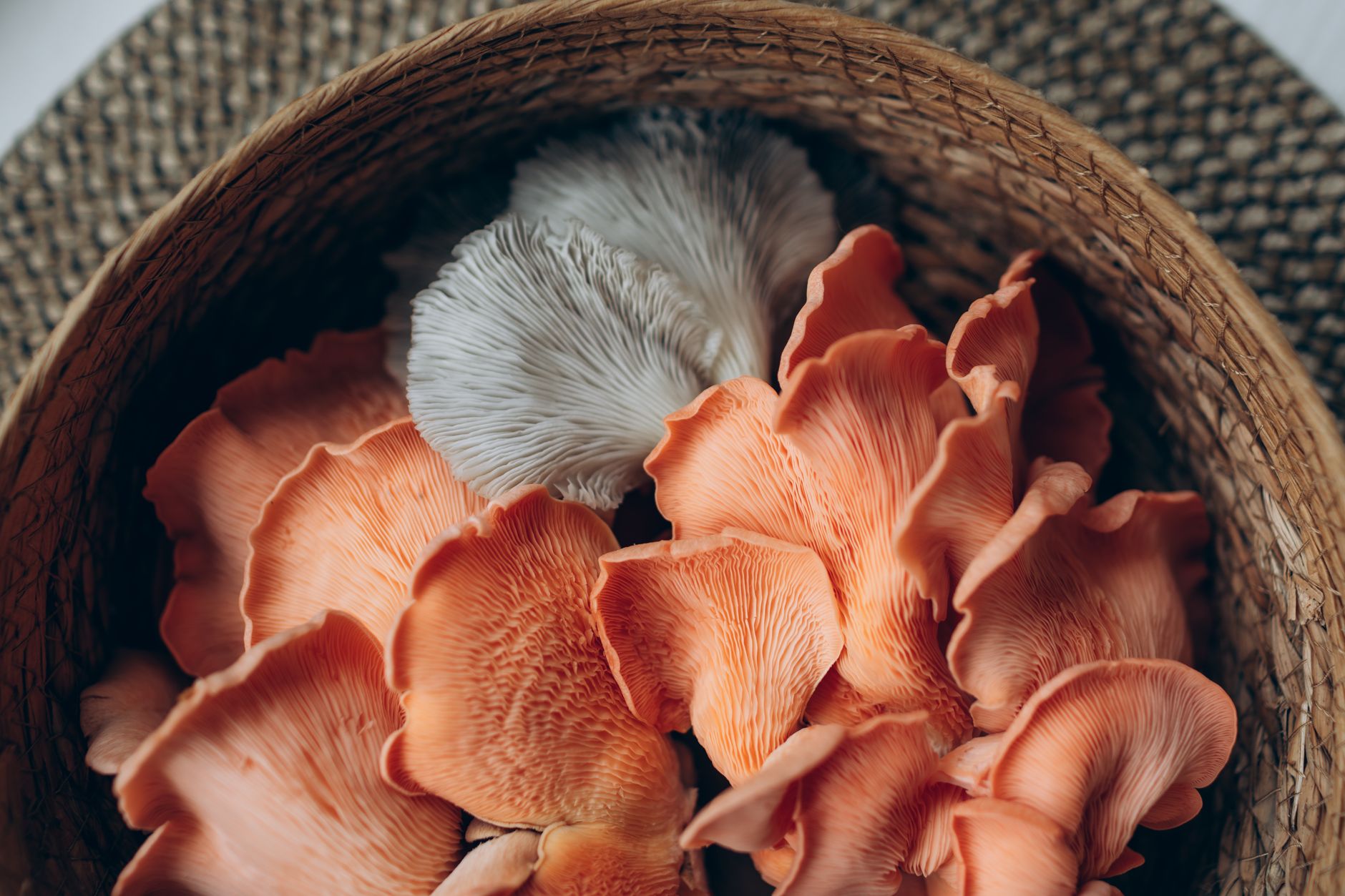
1. May Support Cognitive Function and Memory
The most studied of all lions mane benefits is its potential to support cognitive function, particularly memory and mental clarity.* A landmark 2009 double-blind, placebo-controlled trial in Japan found that adults with mild cognitive impairment who took 3,000 mg of lion's mane daily for 16 weeks showed significant improvements in cognitive function scores compared to the placebo group [1]. Notably, these gains declined after supplementation stopped, suggesting that ongoing use may be necessary to maintain benefits.*
The proposed mechanism is straightforward: by stimulating NGF production, lion's mane may help maintain and repair the neurons involved in memory formation and recall.* This makes it a compound of particular interest for adults over 40 who are beginning to notice slower recall or word-finding difficulty — a concern that affects an estimated one in nine UK adults over 65, according to the Alzheimer's Society.
The bottom line: If you try only one mushroom supplement for your brain, lion's mane has the strongest clinical evidence behind it.
2. May Help Support Nerve Regeneration
Lion's mane is one of the few natural compounds shown to promote nerve regrowth in preclinical research.* Animal studies have demonstrated that erinacines may accelerate the repair of damaged peripheral nerves, potentially by stimulating myelination — the process by which nerve fibres are coated with a protective sheath that speeds up signal transmission [1].*
Think of myelin as the insulation around an electrical wire: without it, signals travel more slowly and less reliably. While human clinical data on nerve repair is still limited, this mechanism is closely tied to lion's mane's NGF-stimulating properties and is why many neurologists and researchers are watching this area closely.
3. May Help Reduce Symptoms of Anxiety and Low Mood
Lion's mane may help ease feelings of anxiety and irritability, based on early human research.* A 2010 study published in Biomedical Research examined 30 women who consumed lion's mane daily for four weeks. The lion's mane group reported lower levels of anxiety and irritation compared to the placebo group [2].* While the sample size was small, the findings align with the theoretical mechanism: NGF and BDNF play important roles in mood regulation, and reduced levels of these growth factors are associated with depressive and anxious states.
This is an area where more robust human trials are needed, but the early signals are encouraging — particularly for people whose low mood coincides with brain fog or cognitive sluggishness. As one researcher put it, lion's mane may address mood not by masking symptoms, but by nourishing the brain cells that regulate emotion.*
4. May Support Immune Function
Lion's mane contains beta-glucans — natural compounds found in many medicinal mushrooms — that may help regulate the immune system.* Preclinical research suggests these compounds can enhance the activity of the gut immune system, which acts as a first line of defence against pathogens entering through the digestive tract.
While lion's mane is not primarily marketed as an immune supplement, this ancillary benefit is worth noting for anyone taking a whole-body approach to wellness. For dedicated immune support, formulas like Noobru Shield combine multiple immune-targeted ingredients including echinacea, zinc, and organic elderberry for year-round resilience.*
5. May Support Gut Health
Emerging animal research suggests that lion's mane may have protective effects on the stomach lining and promote the growth of beneficial gut bacteria.* This matters because of the gut-brain axis — the two-way communication highway between your digestive system and your brain. Improvements in gut health could theoretically contribute to better cognitive and emotional wellbeing.
We should be transparent: most of the gut-health data comes from animal models. Human clinical trials are needed before drawing firm conclusions, but the connection between gut health and brain function is increasingly well-established by organisations like the British Dietetic Association.
6. May Offer Antioxidant and Anti-Inflammatory Properties
Lion's mane has demonstrated antioxidant activity in laboratory studies, helping to neutralise free radicals that contribute to cellular ageing and oxidative stress.* Chronic, low-grade inflammation is increasingly recognised as a driver of cognitive decline, cardiovascular issues, and metabolic dysfunction, so compounds with anti-inflammatory potential are of broad interest.
That said, the magnitude of lion's mane's antioxidant effect in humans — and how it compares to other well-studied antioxidants — remains an open question. It is best considered as one component of a broader wellness strategy rather than a standalone solution.
7. May Support Healthy Blood Sugar Levels
Animal studies have shown that lion's mane may help improve insulin sensitivity and lower blood sugar levels.* The proposed mechanism involves slowing the breakdown of carbohydrates in the small intestine, which reduces the post-meal glucose spike — a process known as alpha-glucosidase inhibition.
Human data in this area is sparse, so this benefit should be treated as preliminary. For targeted metabolic support, a formula like Noobru Cheat — which includes berberine, chromium picolinate, and cinnamon extract — may offer a more comprehensive approach to blood sugar management.*
How to Choose a Quality Lion's Mane Supplement
Not all lion's mane supplements are created equal. The quality of extract, dosage, and testing standards can vary enormously between products. Here's what to look for:
| Factor | What to Look For | Why It Matters |
|---|---|---|
| Extract source | Fruiting body, or dual extract (fruiting body + mycelium) | Fruiting body contains hericenones; mycelium contains erinacines. Dual extracts cover both pathways. |
| Dosage | 500–1,000 mg per day (extract form) | Matches the dose range used in clinical research. |
| Standardisation | Standardised for beta-glucans (minimum 20%) | Ensures consistent levels of active compounds in every dose. |
| Delivery format | Powder (drinkable), capsule, or tincture | Drinkable powders may offer faster absorption and easier daily use. |
| Third-party testing | Certificate of analysis from an independent lab | Verifies purity, potency, and absence of contaminants like heavy metals. |
How Lion's Mane Fits Into a Complete Nootropic Stack
Lion's mane works best as part of a broader cognitive support strategy. Its NGF-stimulating properties complement other nootropic mechanisms, creating what researchers call a synergistic effect — where the combined benefit is greater than the sum of individual ingredients.
Here are three evidence-backed ingredients that pair well with lion's mane:
- Citicoline — provides the raw materials for acetylcholine, the neurotransmitter most associated with learning and memory. A 2012 study found it helped improve attention and psychomotor speed in healthy adult women [3].*
- Bacopa monnieri — enhances communication between brain cells through modulation of acetylcholine and serotonin pathways. A 2014 meta-analysis noted significant improvements in memory recall and recommended it as a cognitive enhancer [4].*
- Rhodiola rosea — targets mental fatigue and stress resilience by helping regulate the body's stress response system. A 2003 randomised trial found it significantly reduced mental fatigue while improving thinking speed and short-term memory [5].*
While lion's mane supports the structural health of neurons, these complementary ingredients optimise the chemical signalling between them. This is the principle behind well-designed nootropic stacks — addressing multiple pathways simultaneously for the best possible results.
Noobru's range is built on this stacking philosophy:
- Noobru Pro — combines adaptogens for sustained energy and stress management.*
- Noobru Lucid — targets the sleep side of cognitive health, because restorative sleep is when the brain consolidates memories and clears metabolic waste.*
- Noobru Zeus — for men over 50 looking to support both cognitive and hormonal health, addressing testosterone, prostate, and vitality concerns in a single formula.*
Every Noobru product uses clinically supported doses — no proprietary blends, no underdosed ingredients — and is tested for purity in the UK.
Frequently Asked Questions
How long does it take for lion's mane to work?
Most clinical studies observe measurable cognitive benefits after 8 to 16 weeks of consistent daily use. Some people report subjective improvements in focus and mental clarity within the first few weeks, but the structural brain benefits of lion's mane require patience and consistency.
What is the best dosage of lion's mane?
Research typically uses between 500 mg and 3,000 mg of lion's mane extract per day. For general cognitive support, 500–1,000 mg daily of a standardised extract is the most commonly recommended range. Always check that your supplement specifies the type of extract and standardisation.
Can you take lion's mane every day?
Yes. Lion's mane has been used daily in clinical trials lasting up to 16 weeks with no serious adverse effects reported. It is generally considered safe for daily use, though you should consult your healthcare provider before starting any new supplement.
Does lion's mane interact with any medications?
Lion's mane may have mild anticoagulant properties, so individuals taking blood-thinning medications should exercise caution. It may also influence blood sugar levels. Always consult your GP or pharmacist if you are on prescription medication.
Is lion's mane better as a powder or capsule?
The delivery format matters less than the extract quality. Look for products that use fruiting body extracts standardised for hericenones and erinacines. Drinkable powder formats may offer faster absorption compared to capsules and are easier to incorporate into a daily routine.
Looking for a science-backed cognitive support formula that combines nootropic ingredients in clinically supported doses? Noobru's UK-made drinkable supplements are designed to fit seamlessly into your daily routine — no capsules, no guesswork.
Try Noobru risk-free with our 90-day money-back guarantee →*These statements have not been evaluated by the Food and Drug Administration or MHRA. This product is not intended to diagnose, treat, cure, or prevent any disease. Always consult your healthcare provider before starting any supplement regimen.
References
- Mori, K., Inatomi, S., Ouchi, K., Azumi, Y., & Tuchida, T. (2009). Improving effects of the mushroom Yamabushitake (Hericium erinaceus) on mild cognitive impairment: a double-blind placebo-controlled clinical trial. Phytotherapy Research, 23(3), 367–372. PubMed
- Nagano, M., Shimizu, K., Kondo, R., Hayashi, C., Sato, D., Kitagawa, K., & Ohnuki, K. (2010). Reduction of depression and anxiety by 4 weeks Hericium erinaceus intake. Biomedical Research, 31(4), 231–237. PubMed
- McGlade, E., Locatelli, A., Hardy, J., et al. (2012). Improved attentional performance following citicoline administration in healthy adult women. Food and Nutrition Sciences, 3(6), 769–773. PubMed
- Kongkeaw, C., Dilokthornsakul, P., Thanarangsarit, P., Limpeanchob, N., & Norman Scholfield, C. (2014). Meta-analysis of randomized controlled trials on cognitive effects of Bacopa monnieri extract. Journal of Ethnopharmacology, 151(1), 528–535. PubMed
- Shevtsov, V. A., Zholus, B. I., Shervarly, V. I., et al. (2003). A randomized trial of two different doses of a SHR-5 Rhodiola rosea extract versus placebo and control of capacity for mental work. Phytomedicine, 10(2–3), 95–105. PubMed


Leave a comment
All comments are moderated before being published.
This site is protected by hCaptcha and the hCaptcha Privacy Policy and Terms of Service apply.