




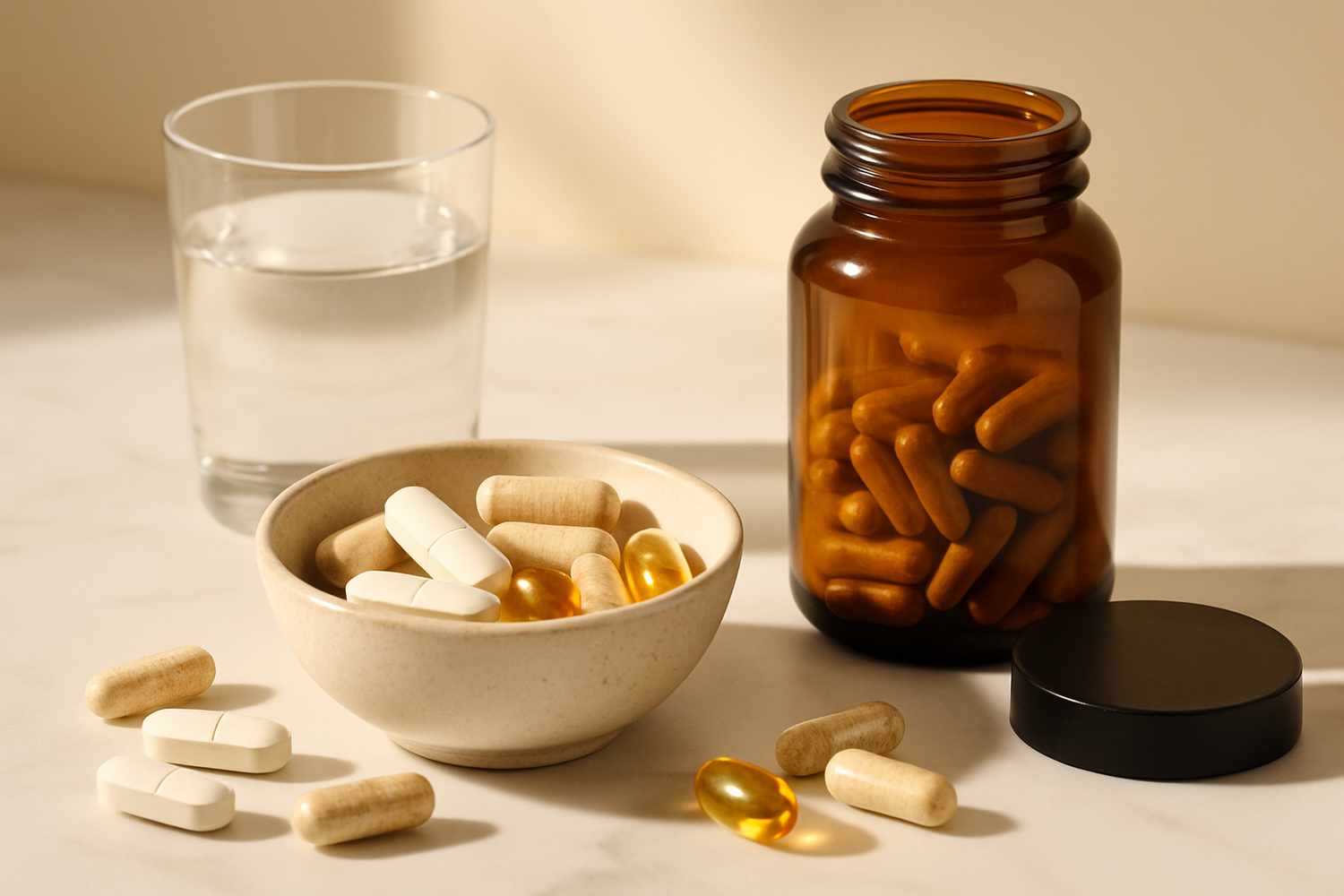
Nootropics are natural or synthetic compounds that may help support cognitive functions such as memory, focus, mental clarity, and stress resilience.* The term — coined by Romanian psychologist Corneliu Giurgea in 1972 — originally described substances that enhance learning without significant side effects. In 2026, the nootropics category encompasses everything from well-studied amino acids and adaptogens to mushroom extracts and choline donors, each with varying levels of clinical evidence.
This guide cuts through the noise. Below, you'll find a detailed breakdown of which nootropic ingredients have genuine scientific support, what doses the research actually used, and how to evaluate whether a product is worth your money.
What Are Nootropics and How Do They Work?
Nootropics work through several distinct neurological mechanisms, and understanding these pathways is essential for choosing the right compounds for your goals.
At the broadest level, nootropic ingredients influence brain function through four primary routes:
- Neurotransmitter modulation — Compounds like citicoline and alpha-GPC provide precursors to acetylcholine, the neurotransmitter most closely associated with learning and memory. L-theanine modulates GABA, serotonin, and dopamine simultaneously, promoting calm alertness.
- Neuroprotection and neuroplasticity — Ingredients such as lion's mane mushroom stimulate the production of Nerve Growth Factor (NGF) and Brain-Derived Neurotrophic Factor (BDNF), which support the formation of new neural connections and the repair of existing ones.
- Cerebral blood flow — Several nootropics improve oxygen and nutrient delivery to the brain by enhancing blood flow, which directly impacts processing speed and mental clarity.
- Stress axis regulation — Adaptogens like rhodiola rosea and ashwagandha act on the hypothalamic-pituitary-adrenal (HPA) axis, helping to regulate cortisol production and improving cognitive performance under stress.
Not all nootropics work the same way, and not all have the same quality of evidence. Let's examine the ingredients with the strongest research backing.

The Most Evidence-Backed Nootropic Ingredients
The difference between effective nootropics and marketing fluff comes down to clinical evidence — specifically, randomised controlled trials in humans at meaningful doses. Here are the compounds with the strongest track records.
Bacopa Monnieri
Bacopa monnieri is one of the most extensively studied natural nootropics available. It enhances synaptic communication by modulating acetylcholine and serotonin pathways, while its active compounds — bacosides A and B — provide antioxidant protection to neurons.
A 2014 meta-analysis concluded that bacopa produced "significant improvement in memory free recall" and recommended it as a cognitive enhancer.* The clinically effective dose is 300–600 mg daily, standardised to 55% bacosides. Importantly, bacopa is not a fast-acting compound: most studies show benefits emerging after 4–8 weeks of consistent use.
Citicoline (CDP-Choline)
Citicoline is a naturally occurring compound that serves dual duty: it provides choline (a precursor to the learning neurotransmitter acetylcholine) and cytidine (which converts to uridine, supporting synaptic plasticity and membrane repair). A 2015 study found that citicoline improved attention and psychomotor speed, with MRI scans showing increased frontal lobe bioenergetics.* The effective dose range is 250–500 mg daily.
L-Theanine
Found naturally in green tea, L-theanine promotes alpha brain wave activity — the pattern associated with calm, focused attention. A pivotal 2008 study demonstrated that combining L-theanine with caffeine "improved speed and accuracy of attention tasks" compared to either substance alone.* The typical effective dose is 100–200 mg, often paired with 50–100 mg of caffeine.
What makes L-theanine particularly practical is its dual action: it may support focus while simultaneously reducing the jittery side effects of caffeine.* This makes it one of the most broadly useful nootropics for daily productivity.
Rhodiola Rosea
Rhodiola is an adaptogenic herb that acts on the HPA axis to regulate cortisol and adrenaline response. It also increases serotonin and dopamine availability and stimulates AMPK for cellular energy production. A 2000 study found significant reductions in mental fatigue alongside improved associative thinking, short-term memory, and calculation ability.*
The clinically studied dose is 200–600 mg daily, standardised to 3% rosavins and 1% salidroside. Rhodiola is especially relevant for those under sustained pressure — whether from demanding work environments, study schedules, or chronic lifestyle stress.
Lion's Mane Mushroom
Lion's mane stands apart from other nootropics because it may support actual structural brain changes rather than simply modulating neurotransmitters.* It stimulates production of NGF and BDNF, promoting neurogenesis and myelin repair. A 2009 study found significant improvements in cognitive function scores versus placebo in adults with mild cognitive impairment.* The recommended dose is 500–1,000 mg daily.

Ashwagandha
Ashwagandha is one of the most versatile adaptogens in the nootropic toolkit. It modulates the HPA axis, reduces cortisol and CRP (an inflammation marker), increases GABA receptor activity for calming effects, and may support testosterone and thyroid function.* A 2012 study found a significant reduction in stress assessment scores and serum cortisol levels versus placebo.* The effective dose is 300–600 mg daily of a standardised extract such as KSM-66 or Sensoril.
Vitamin B12
Often overlooked in nootropic discussions, vitamin B12 is essential for myelin sheath synthesis, DNA repair, and red blood cell formation. The methylcobalamin form is bioactive and crosses the blood-brain barrier. A 2016 study found that low B12 levels were strongly associated with accelerated brain volume loss and cognitive decline in older adults.* The effective dose is 250–1,000 mcg daily. This is particularly relevant in the UK, where Public Health England has identified B12 deficiency as a concern among certain populations.
How to Evaluate a Nootropic Product
The nootropics market has grown substantially, and not all products are created equal. Here is what to look for — and what to avoid.
Clinical Doses vs. Pixie Dusting
The most common issue in the supplement industry is "pixie dusting" — including a clinically studied ingredient at a fraction of the dose used in research. If a product contains 50 mg of bacopa monnieri when the studies used 300–600 mg, you cannot reasonably expect the same results. Always check the label for actual amounts per serving.
Proprietary Blends
Proprietary blends list ingredients without revealing individual doses. This makes it impossible to verify whether you're getting effective amounts. Transparent labelling — where every ingredient's dose is clearly stated — is the minimum standard you should accept.
Standardised Extracts
Active compounds vary between harvests of any plant material. Standardised extracts guarantee a minimum percentage of the active compound (e.g., bacopa standardised to 55% bacosides, or rhodiola standardised to 3% rosavins). Without standardisation, potency is unpredictable.
| Ingredient | Clinical Dose | Key Mechanism | Time to Effect |
|---|---|---|---|
| Bacopa Monnieri | 300–600 mg/day | Acetylcholine & serotonin modulation | 4–8 weeks |
| Citicoline | 250–500 mg/day | Choline donor for acetylcholine synthesis | 2–4 weeks |
| L-Theanine | 100–200 mg/day | Alpha brain wave promotion; GABA modulation | 30–60 minutes |
| Rhodiola Rosea | 200–600 mg/day | HPA axis regulation; cortisol modulation | 1–2 weeks |
| Lion's Mane | 500–1,000 mg/day | NGF & BDNF stimulation | 4–8 weeks |
| Ashwagandha | 300–600 mg/day | HPA axis; GABA receptor activity | 2–4 weeks |
| Vitamin B12 | 250–1,000 mcg/day | Myelin synthesis; DNA repair | 4–12 weeks |
Practical Tips for Getting Started with Nootropics
If you're new to nootropics, a methodical approach yields the best results.
Start with one compound. Introducing multiple new ingredients simultaneously makes it impossible to identify what's working and what isn't. Begin with a well-studied ingredient like L-theanine (which has a rapid onset) to gauge your response.
Give it adequate time. Many nootropics — particularly bacopa monnieri and lion's mane — require weeks of consistent daily use before benefits become apparent. Setting a reminder and committing to a minimum 30-day trial is a sensible starting point.
Optimise the basics first. No nootropic can compensate for chronic sleep deprivation, dehydration, or a nutrient-poor diet. Sleep quality in particular has an outsized impact on cognitive function. If sleep is a challenge for you, addressing that first — potentially with the help of calming compounds like L-theanine and magnesium glycinate — creates a stronger foundation for other cognitive support.*
Keep a simple log. Track energy, focus, mood, and sleep quality on a 1–10 scale daily. After 30 days, patterns become clear. Without tracking, subjective impressions are unreliable.

How Noobru Compares: A Formulated Approach to Nootropics
Sourcing individual nootropic ingredients, verifying their quality, and getting the doses right is time-consuming. This is where a well-formulated product offers genuine value.
Noobru is a UK-based drinkable nootropic supplement brand that builds its formulas around many of the evidence-backed ingredients discussed above — at clinical doses, with full label transparency and no proprietary blends. The drinkable format also offers a practical bioavailability advantage over capsules, as liquid delivery may support faster absorption.*
The range covers different cognitive and wellness needs:
- Noobru Pro — Formulated for sustained energy and stress management using adaptogens, targeting the burnout cycle that undermines cognitive performance.*
- Noobru Lucid — A sleep-focused formula that may help support deep, restorative sleep and reduce nighttime anxiety without grogginess or habit formation.*
- Noobru Shield — An antioxidant and immune support blend for year-round resilience, because cognitive performance suffers when your immune system is compromised.*
- Noobru Zeus — A men's vitality formula supporting prostate health and healthy testosterone levels for men over 40.*
- Noobru Cheat — Designed to help manage post-meal blood sugar spikes and support metabolic health, which has a direct knock-on effect on afternoon brain fog and energy crashes.*
Every Noobru product is tested for purity, ships with free delivery on subscription, and comes with a money-back guarantee — removing the risk of trying something new.
Frequently Asked Questions
Are nootropics safe to take every day?
Most well-researched nootropics like L-theanine, bacopa monnieri, and citicoline have favourable safety profiles in studies lasting 8–12 weeks. However, long-term safety data beyond six months is limited for many compounds. Always consult your healthcare provider before starting any daily supplement regimen.
How long do nootropics take to work?
It depends on the compound. L-theanine and caffeine combinations may produce noticeable effects within 30–60 minutes. Bacopa monnieri and lion's mane typically require 4–8 weeks of consistent daily use before measurable cognitive improvements appear in studies.
Can you take multiple nootropics together?
Yes, many nootropics are designed to work synergistically — for example, L-theanine paired with caffeine, or citicoline combined with bacopa monnieri. This approach is called "stacking." Pre-formulated products handle dosing and interactions for you, which reduces guesswork.
Do nootropics actually work?
Several nootropic compounds have meaningful clinical evidence behind them. Bacopa monnieri, citicoline, rhodiola rosea, and L-theanine all have multiple randomised controlled trials showing cognitive benefits.* The key is choosing products with clinically studied doses rather than token amounts.
Are nootropics legal in the UK?
Yes. The nootropic ingredients discussed in this guide — including bacopa monnieri, lion's mane, L-theanine, and rhodiola rosea — are all legal to purchase and use as dietary supplements in the UK. Prescription nootropics like modafinil require a doctor's prescription.
Key Takeaways
- Nootropics are compounds that may help support memory, focus, mental clarity, and stress resilience through distinct neurological mechanisms.*
- The strongest evidence exists for bacopa monnieri, citicoline, L-theanine, rhodiola rosea, lion's mane, ashwagandha, and vitamin B12.
- Dose matters enormously — always verify that a product contains clinically studied amounts, not token inclusions.
- Avoid proprietary blends and insist on transparent labelling.
- Most nootropics require consistent daily use over several weeks to deliver measurable benefits.
- Optimise sleep, hydration, and nutrition as your foundation before adding nootropic support.
Ready to experience evidence-based nootropics at clinical doses? Noobru's full range of drinkable supplements is formulated with the ingredients discussed in this guide — transparently dosed and third-party tested.
Try Noobru risk-free with our 90-day money-back guarantee →References
- Pase, M.P. et al. (2014). "The cognitive-enhancing effects of Bacopa monnieri: a systematic review of randomized, controlled human clinical trials." Journal of Alternative and Complementary Medicine. https://pubmed.ncbi.nlm.nih.gov/24252493/
- McGlade, E. et al. (2015). "Improved attentional performance following citicoline administration in healthy adult women." Food and Nutrition Sciences. https://pubmed.ncbi.nlm.nih.gov/26407127/
- Owen, G.N. et al. (2008). "The combined effects of L-theanine and caffeine on cognitive performance and mood." Nutritional Neuroscience. https://pubmed.ncbi.nlm.nih.gov/18681988/
- Darbinyan, V. et al. (2000). "Rhodiola rosea in stress induced fatigue — a double blind cross-over study." Phytomedicine. https://pubmed.ncbi.nlm.nih.gov/11081987/
- Mori, K. et al. (2009). "Improving effects of the mushroom Yamabushitake (Hericium erinaceus) on mild cognitive impairment." Phytotherapy Research. https://pubmed.ncbi.nlm.nih.gov/18844328/
- Chandrasekhar, K. et al. (2012). "A prospective, randomized double-blind, placebo-controlled study of safety and efficacy of a high-concentration full-spectrum extract of ashwagandha root in reducing stress and anxiety in adults." Indian Journal of Psychological Medicine. https://pubmed.ncbi.nlm.nih.gov/23439798/
- Vogiatzoglou, A. et al. (2008). "Vitamin B12 status and rate of brain volume loss in community-dwelling elderly." Neurology. https://pubmed.ncbi.nlm.nih.gov/18779510/
*These statements have not been evaluated by the Food and Drug Administration or MHRA. This product is not intended to diagnose, treat, cure, or prevent any disease. Always consult your healthcare provider before starting any supplement regimen.



Leave a comment
All comments are moderated before being published.
This site is protected by hCaptcha and the hCaptcha Privacy Policy and Terms of Service apply.