




Concentration Supplements: A Science-Backed Guide to Sharper Focus and Mental Clarity
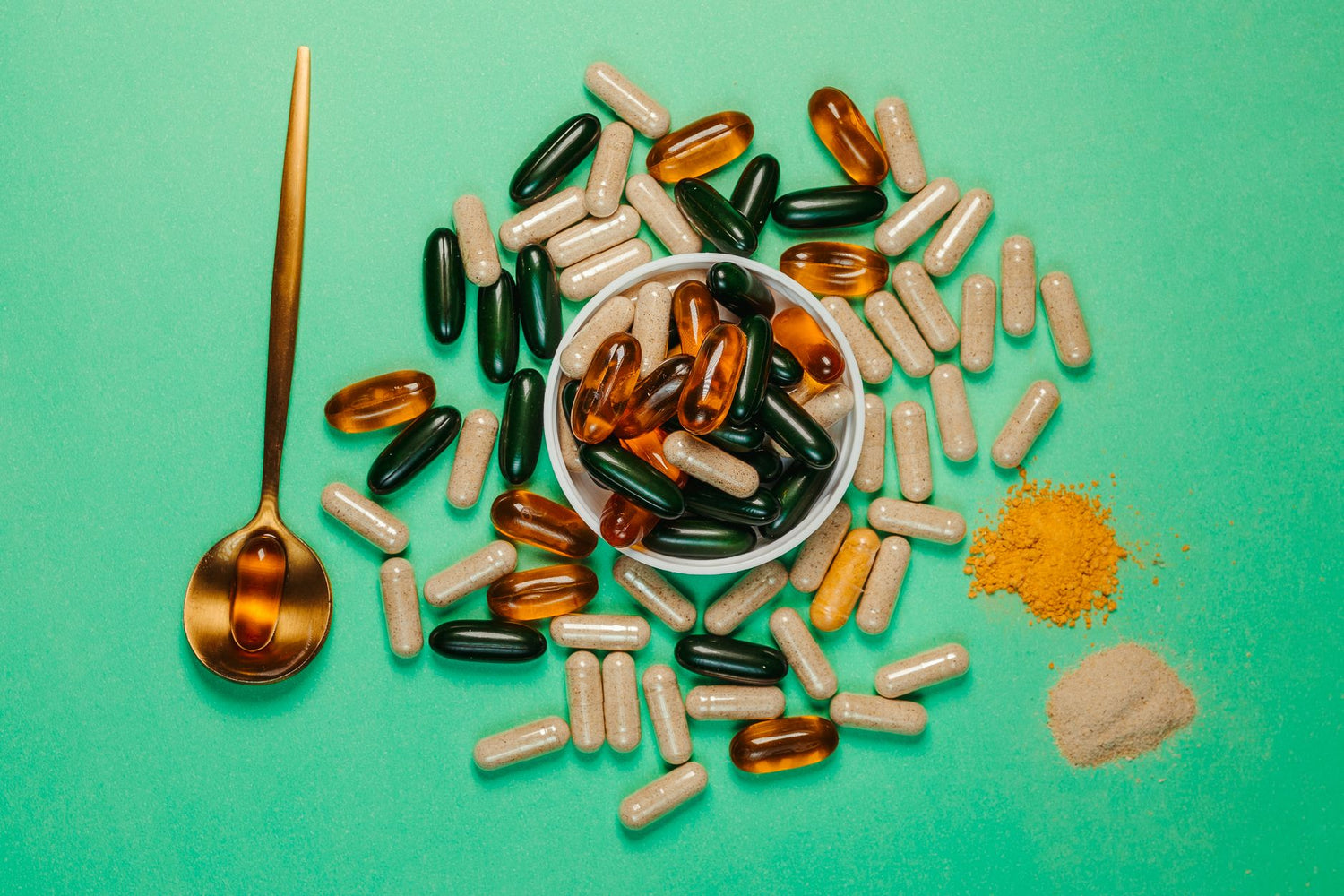
Concentration supplements are ingestible products — typically capsules, tablets, or drinkable powders — containing ingredients that may help support focus, attention span, and mental clarity.* The best options use clinically studied nootropic compounds at effective doses, targeting the neurotransmitter systems and brain pathways responsible for sustained cognitive function.
If you've found yourself re-reading the same email three times or losing your train of thought mid-sentence, you're not alone. A 2023 survey by the Centre for Attention Studies at King's College London found that 49% of UK adults feel their attention span has shortened. Whether it's the demands of a busy work schedule, age-related changes, or simply the relentless pull of digital distractions, millions of people are searching for vitamins for brain fog and natural focus supplements — and the market has responded with hundreds of options.
The problem? Most of those options are poorly formulated, under-dosed, or rely on ingredients with minimal evidence. This guide cuts through the noise. We'll examine exactly which concentration supplements have credible science behind them, the mechanisms that make them work, the clinical doses that matter, and how to choose a product that genuinely supports sharper thinking.
Key Takeaways
- Concentration is multi-system. It involves acetylcholine (sustained attention), dopamine (motivation and task persistence), and cortisol regulation (stress management). The most effective supplements address more than one pathway simultaneously.
- Five ingredients have the strongest clinical evidence: Citicoline, Bacopa Monnieri, L-Theanine, Rhodiola Rosea, and Lion's Mane — each targeting different cognitive mechanisms at specific studied doses [1–6].
- Dose matters far more than ingredient count. A supplement with three ingredients at clinical doses will likely outperform one with 20 ingredients at negligible amounts. Always check the label for exact milligram quantities.
- Transparency is non-negotiable. Avoid proprietary blends that hide individual ingredient doses. Choose brands that disclose every compound and its exact quantity.
- Supplements complement lifestyle foundations. Sleep, exercise, nutrition, and stress management come first. Concentration supplements may help optimise what's already working — they don't create a healthy baseline from nothing.
- Format affects absorption. Drinkable powder supplements generally offer faster absorption and allow higher doses of multiple active ingredients than standard capsules.
Why Concentration Fails: The Brain Chemistry Behind Focus
Concentration is not a single cognitive process — it's a coordinated effort across multiple neurotransmitter systems and brain regions. Understanding why focus and mental clarity break down helps explain how the right supplement might help restore them.
Three key systems drive your ability to concentrate and maintain attention:
- The cholinergic system: Acetylcholine is the primary neurotransmitter involved in learning, memory encoding, and sustained attention. When acetylcholine levels drop — due to stress, poor diet, or ageing — you experience that familiar "foggy" feeling where information refuses to stick and mental clarity evaporates.
- The dopaminergic system: Dopamine governs motivation, reward processing, and the ability to maintain focus on tasks that aren't immediately gratifying. Low dopamine availability is associated with procrastination, mental fatigue, and difficulty sustaining cognitive effort over time.
- The stress-attention axis: Cortisol, the primary stress hormone, has a curvilinear relationship with concentration. A small amount sharpens focus; chronic elevation — from overwork, poor sleep, or ongoing anxiety — actively degrades working memory and attention span. As research published in Neural Plasticity has demonstrated, sustained cortisol exposure impairs prefrontal cortex function — the very region responsible for executive attention.
Effective concentration supplements target one or more of these systems. The most comprehensive formulas address all three simultaneously, which is why multi-ingredient nootropic stacks tend to outperform single compounds for overall cognitive function support.*
Five Evidence-Based Ingredients in Concentration Supplements
Not all ingredients marketed for focus and mental clarity have the same level of evidence. Below are five with genuine clinical support — and the specific doses at which they've been studied.
1. Citicoline (CDP-Choline)
Citicoline is one of the most well-researched nootropic compounds for attention and cognitive function. It provides choline — a direct precursor to acetylcholine — and cytidine, which converts to uridine in the body to support synaptic plasticity and neuronal membrane repair.
A randomised controlled trial by McGlade et al. (2012) found that citicoline supplementation at 250mg daily significantly improved attention and psychomotor speed in healthy adults [1]. A further neuroimaging study by Silveri et al. (2008) showed increased frontal lobe bioenergetics via MRI — essentially, the brain's prefrontal cortex had more cellular energy available for focused cognitive work [2].* The clinically studied dose range is 250–500mg daily.
Quotable insight: "Citicoline doesn't just supply raw material for acetylcholine — it simultaneously supports the structural integrity of the neurons that use it."
2. Bacopa Monnieri
Bacopa Monnieri works through a different mechanism: it modulates acetylcholine and serotonin pathways while providing antioxidant protection to neurons via its active compounds, bacosides A and B. A 2014 meta-analysis by Kongkeaw et al. in the Journal of Ethnopharmacology concluded that Bacopa resulted in "significant improvement in memory free recall" and supported its use as a cognitive enhancer [3].* The effective dose is 300–600mg daily, standardised to 55% bacosides.
One important caveat: Bacopa is a slow-burn ingredient. Most studies show benefits emerging after 8–12 weeks of consistent use. It's not a quick fix for brain fog — it's a long-term investment in cognitive function and mental clarity.
3. L-Theanine
Found naturally in tea leaves, L-Theanine promotes alpha brain wave activity — the neural state associated with calm, relaxed alertness. It modulates GABA, serotonin, and dopamine, making it particularly useful for people whose concentration problems stem from anxiety, racing thoughts, or mental restlessness.
A study by Owen et al. (2008) published in Nutritional Neuroscience found that L-Theanine combined with caffeine improved both speed and accuracy on attention-switching tasks, outperforming either compound alone [4].* The studied dose is 100–200mg L-Theanine, often paired with 50–100mg caffeine for synergistic effects on attention span.
Quotable insight: "L-Theanine is the rare compound that sharpens focus without adding jitters — it supports concentration by calming the noise rather than amplifying the signal."
4. Rhodiola Rosea
Rhodiola is an adaptogenic herb that acts on the HPA axis to help regulate cortisol and adrenaline. For people whose focus problems are driven by chronic stress — an extremely common scenario for UK professionals — Rhodiola may address a root cause rather than just masking a symptom.*
A landmark study by Shevtsov et al. (2003) published in Phytomedicine demonstrated significant reductions in mental fatigue alongside improved associative thinking, short-term memory, and calculation speed in physicians working night shifts [5].* The effective dose is 200–600mg daily, standardised to 3% rosavins and 1% salidroside.
5. Lion's Mane Mushroom
Lion's Mane takes yet another approach: it stimulates the production of Nerve Growth Factor (NGF) and Brain-Derived Neurotrophic Factor (BDNF), which promote neurogenesis and myelin repair. A double-blind, placebo-controlled trial by Mori et al. (2009) published in Phytotherapy Research found significant improvements in cognitive function scores versus placebo in adults aged 50–80 with mild cognitive impairment [6].* The studied dose is 500–1000mg daily.
This makes Lion's Mane particularly interesting for adults over 40 who are noticing a gradual decline in mental sharpness and want to support long-term brain health.
How These Ingredients Compare: Mechanisms, Timelines, and Doses
| Ingredient | Primary Mechanism | Clinical Dose | Time to Effect | Best For |
|---|---|---|---|---|
| Citicoline | Acetylcholine precursor + neuronal membrane support | 250–500mg/day | 2–4 weeks | Sustained attention, mental energy |
| Bacopa Monnieri | Acetylcholine/serotonin modulation + neuroprotection | 300–600mg/day (55% bacosides) | 8–12 weeks | Memory, long-term cognitive function |
| L-Theanine | Alpha wave promotion + GABA/dopamine modulation | 100–200mg/day | 30–60 minutes | Calm focus, anxiety-driven brain fog |
| Rhodiola Rosea | HPA axis regulation + cortisol management | 200–600mg/day (3% rosavins) | 1–2 weeks | Stress-related mental fatigue |
| Lion's Mane | NGF/BDNF stimulation + neurogenesis | 500–1000mg/day | 4–8 weeks | Age-related cognitive decline |
How to Evaluate a Concentration Supplement
The supplement industry has a transparency problem. Here's a practical framework for choosing a cognitive function supplement that's actually worth your money — and what red flags to avoid.
Clinical Doses vs. Fairy Dusting
Many products include impressive ingredient lists but use doses far below what was tested in clinical trials. If a supplement contains 50mg of Bacopa Monnieri when the studied dose is 300–600mg, you're unlikely to see any meaningful benefit for attention span or mental clarity. Always check the label for exact milligram amounts and compare them to the doses in the studies table above.
No Proprietary Blends
"Proprietary blend" is a legal way for manufacturers to hide individual ingredient doses. A label that reads "Focus Blend 500mg: Citicoline, L-Theanine, Rhodiola Rosea" tells you nothing about whether any single ingredient is present at a meaningful concentration. Reputable brands disclose every ingredient and its exact quantity — full stop.
Format Affects Absorption
Drinkable supplements — powders dissolved in water — generally offer faster absorption than tablets or capsules. They also allow for higher doses of multiple active ingredients without requiring you to swallow six capsules each morning. For daily use, convenience is a genuine factor in consistency, and consistency is what drives results with nootropic compounds.
Third-Party Testing and UK Manufacturing
Look for brands that test for purity and contamination through independent laboratories. UK-based manufacturers are subject to MHRA and Food Standards Agency regulations, which provides an additional layer of assurance compared to many overseas producers.
| ✅ What to Look For | 🚩 Red Flags |
|---|---|
| Full ingredient disclosure with exact doses | Proprietary blends hiding individual amounts |
| Clinically studied doses (e.g. 300mg+ Bacopa) | Tiny amounts of many ingredients ("fairy dusting") |
| UK-based manufacturing and independent purity testing | No information on sourcing, testing, or country of origin |
| Clear mechanism of action explained for each ingredient | Vague claims like "supercharges your brain" or "limitless focus" |
| Study citations for key ingredients | Customer testimonials as the only form of "proof" |
The Lifestyle Foundations That Supplements Can't Replace
No concentration supplement will overcome the effects of chronic sleep deprivation, a sedentary lifestyle, or severe nutritional deficiencies. Before adding any nootropic to your routine, ensure these foundations are solid — they are the bedrock of sustained cognitive function and mental clarity.
- Sleep (7–9 hours): The NHS recommends 7–9 hours for adults. Even one night of poor sleep measurably reduces attention span and working memory. If sleep quality is your primary issue, addressing that first — potentially with the help of a calming supplement like Noobru Lucid — will do more for your concentration than any stimulant.*
- Movement (20+ minutes daily): A 2019 meta-analysis published in Translational Psychiatry found that even 20 minutes of moderate exercise improved concentration and executive function for up to two hours afterwards [7]. Regular physical activity also supports BDNF production — the same growth factor stimulated by Lion's Mane.
- Nutrition and B-vitamins: B-vitamin deficiencies — particularly B12 — are strongly associated with brain fog and accelerated cognitive decline. A 2008 study in Neurology by Vogiatzoglou et al. linked low B12 levels to increased brain volume loss in older adults [8].* Methylcobalamin (the bioactive form of B12) at 250–1000mcg daily is a sensible baseline for anyone concerned about mental clarity.
- Stress management: Chronic stress floods the brain with cortisol, directly impairing the prefrontal cortex — the region responsible for focus, decision-making, and working memory. Adaptogenic herbs like Rhodiola Rosea may help manage this response alongside lifestyle interventions such as mindfulness, boundary-setting, and regular breaks.*
Quotable insight: "Think of concentration supplements as the final 10–15% of cognitive optimisation once your foundations are strong. They amplify a healthy baseline — they don't create one from nothing."
How Noobru May Help Support Concentration and Mental Clarity
Noobru is a UK-based supplement brand built on a straightforward principle: use clinically studied ingredients at their effective doses, with full transparency on the label. No proprietary blends, no fairy dusting, and every product is independently tested for purity.
For readers specifically looking to support focus and cognitive function, Noobru Pro is the most directly relevant product. It's formulated with adaptogens designed for sustained mental energy and clarity under pressure — targeting the stress-attention axis that so often derails concentration for busy professionals.* All Noobru products come in a drinkable powder format for faster absorption, with free delivery on subscriptions and a 90-day money-back guarantee.
Depending on the root cause of your focus difficulties, other products in the range may also be worth considering:
- Sleep-related brain fog → Noobru Lucid supports healthy sleep patterns without next-day grogginess, helping you wake refreshed and mentally sharp.*
- Long-term brain health → Noobru Shield provides antioxidant support that may help protect neurons from oxidative stress — a key factor in age-related cognitive decline.*
Frequently Asked Questions About Concentration Supplements
Do concentration supplements actually work?
Several ingredients found in concentration supplements have clinical evidence supporting their use. Citicoline, Bacopa Monnieri, and L-Theanine have all demonstrated measurable improvements in attention span, cognitive function, and mental clarity in randomised controlled trials [1, 3, 4]. However, results depend on the specific ingredient, dose, duration of use, and individual biology. Supplements with ingredients at sub-clinical doses are unlikely to produce noticeable effects.
How long do concentration supplements take to work?
Onset varies significantly by ingredient. L-Theanine may support calm alertness within 30–60 minutes of ingestion.* Citicoline effects on attention have been observed within 28 days in clinical trials [1]. Bacopa Monnieri typically requires 8–12 weeks of consistent use before memory and focus benefits become noticeable [3]. Multi-ingredient formulas may produce partial benefits quickly while building full effects over time.
Are concentration supplements safe to take every day?
Most well-researched nootropic ingredients — including citicoline, L-Theanine, and Bacopa Monnieri — are considered safe for daily use at clinical doses based on available trial data. However, individual responses vary. You should always check for interactions with any medications you take and consult your healthcare provider before starting a new supplement regimen, particularly if you are pregnant, nursing, or managing a medical condition.
What is the best natural supplement for concentration?
There is no single "best" ingredient — the most effective approach combines complementary compounds targeting different cognitive pathways. Citicoline supports acetylcholine production for sustained attention, L-Theanine promotes calm focus by increasing alpha brain waves, and Bacopa Monnieri may support long-term memory retention.* A well-formulated multi-ingredient nootropic stack tends to outperform any single compound.
Can supplements replace good sleep and exercise for focus?
No. Concentration supplements work best as part of a healthy lifestyle, not as a replacement for adequate sleep (7–9 hours), regular exercise, and proper nutrition. Research consistently shows that these lifestyle factors have a larger impact on cognitive function than any supplement. Think of nootropics as the final 10–15% of optimisation once your foundations are solid.
What vitamins help with brain fog and mental clarity?
B-vitamins — particularly B12 (methylcobalamin) and B6 (pyridoxal-5-phosphate) — are strongly associated with cognitive function and mental clarity. Deficiencies in these vitamins are a common and correctable cause of brain fog, especially in adults over 50 and those following plant-based diets [8]. Beyond vitamins, nootropic compounds like citicoline and adaptogenic herbs like Rhodiola Rosea may also help support clearer thinking.*
References
- McGlade E, et al. (2012). Improved attentional performance following citicoline administration in healthy adult women. Food and Nutrition Sciences, 3(6), 769–773. PubMed
- Silveri MM, et al. (2008). Citicoline enhances frontal lobe bioenergetics as measured by phosphorus magnetic resonance spectroscopy. NMR in Biomedicine, 21(10), 1066–1075. PubMed
- Kongkeaw C, et al. (2014). Meta-analysis of randomized controlled trials on cognitive effects of Bacopa monnieri extract. Journal of Ethnopharmacology, 151(1), 528–535. PubMed
- Owen GN, et al. (2008). The combined effects of L-theanine and caffeine on cognitive performance and mood. Nutritional Neuroscience, 11(4), 193–198. PubMed
- Shevtsov VA, et al. (2003). A randomized trial of two different doses of a SHR-5 Rhodiola rosea extract versus placebo and control of capacity for mental work. Phytomedicine, 10(2–3), 95–105. PubMed
- Mori K, et al. (2009). Improving effects of the mushroom Yamabushitake (Hericium erinaceus) on mild cognitive impairment. Phytotherapy Research, 23(3), 367–372. PubMed
- Mandolesi L, et al. (2018). Effects of physical exercise on cognitive functioning and wellbeing. Frontiers in Psychology, 9, 509. PubMed
- Vogiatzoglou A, et al. (2008). Vitamin B12 status and rate of brain volume loss in community-dwelling elderly. Neurology, 71(11), 826–832. PubMed
Ready to find out what focused mental clarity actually feels like? Noobru's drinkable nootropic range uses clinically studied ingredients at effective doses — with full label transparency, UK-based purity testing, and free delivery on subscriptions.
Try Noobru Risk-Free With Our 90-Day Guarantee →*These statements have not been evaluated by the Food and Drug Administration or MHRA. This product is not intended to diagnose, treat, cure, or prevent any disease. Supplement products should not be used as a substitute for a varied and balanced diet and healthy lifestyle. Always consult your healthcare provider before starting any supplement regimen, particularly if you are pregnant, breastfeeding, taking medication, or managing a medical condition.


Leave a comment
All comments are moderated before being published.
This site is protected by hCaptcha and the hCaptcha Privacy Policy and Terms of Service apply.