




Rhodiola Rosea Supplement: What the Evidence Actually Says
A rhodiola rosea supplement is one of the most well-researched adaptogenic herbs available today, with clinical trials suggesting it may help reduce mental fatigue, support stress resilience, and improve cognitive performance under pressure.* But with dozens of stress relief supplement products on the market — capsules, powders, tinctures — how do you know which one actually works? This guide breaks down the science, the dosing, the different extract types, and what to look for in herbal supplement quality when choosing a rhodiola rosea supplement that delivers real results.
What Is Rhodiola Rosea and Why Does It Matter?
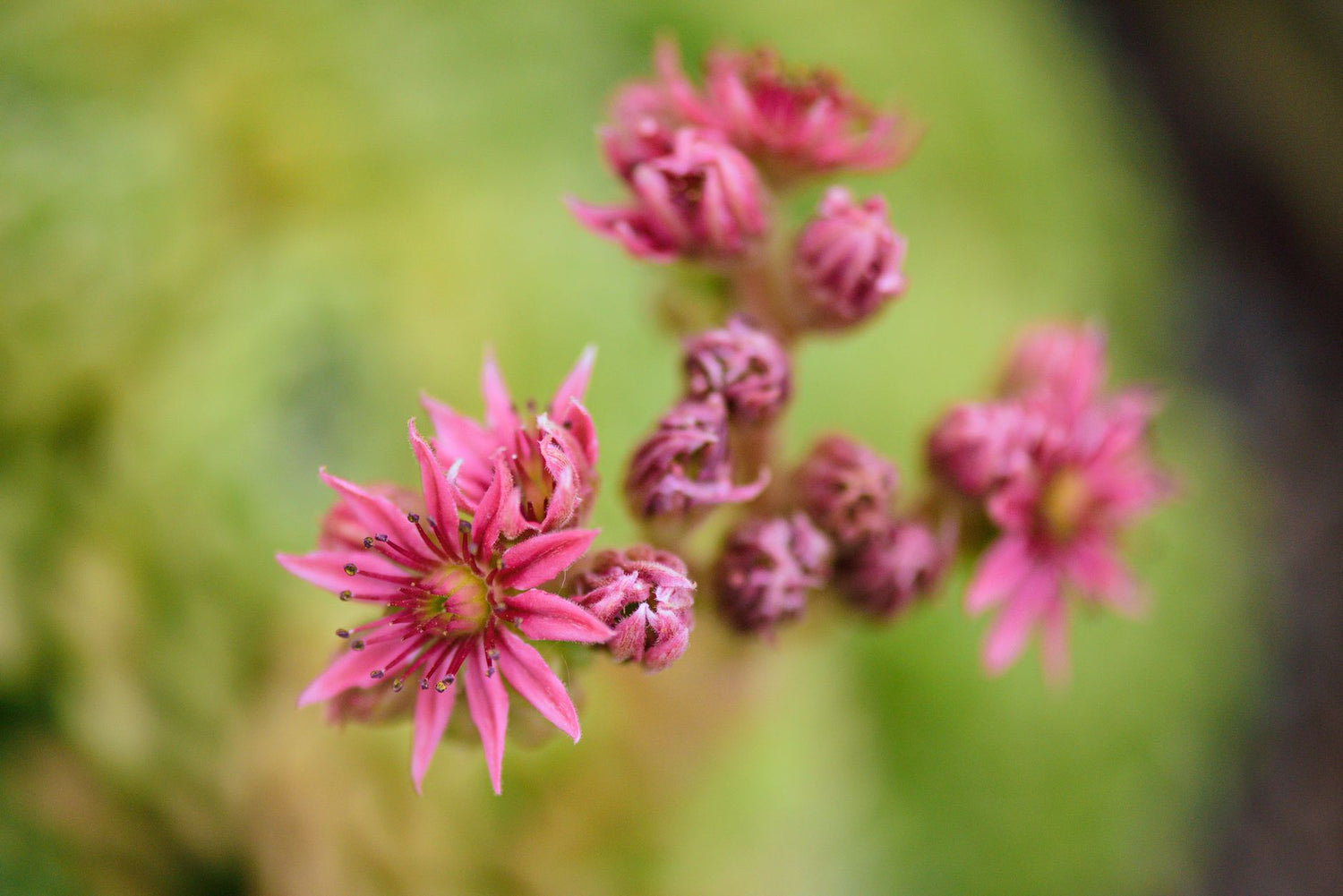
Rhodiola rosea is a flowering plant that grows in cold, mountainous regions of Europe and Asia, and it belongs to a specific adaptogen class of herbs that help the body resist broad-spectrum stressors. It has been used for centuries in traditional medicine across Scandinavia, Russia, and China — primarily to combat fatigue, improve work performance, and withstand harsh environmental stress.
What makes rhodiola genuinely interesting — rather than just historically charming — is the quality of modern research behind it. Unlike many herbal supplements that rely heavily on traditional use claims, rhodiola rosea has been the subject of multiple randomised, placebo-controlled trials. A comprehensive review published in Phytomedicine concluded that rhodiola demonstrates "clinically relevant effects" on physical and cognitive performance, mental health, and certain cardiovascular parameters [1]. The European Medicines Agency (EMA) has also recognised rhodiola rosea root as a traditional herbal medicine for temporary relief of stress symptoms — a notable endorsement for any adaptogenic herb.
The plant's active compounds — primarily rosavins and salidroside — are responsible for its biological effects. These compounds act on what scientists call the HPA axis (hypothalamic-pituitary-adrenal axis) — essentially the body's central stress-response system. Think of the HPA axis as a communication chain: the brain detects stress, sends signals through the hypothalamus and pituitary gland, and ultimately tells the adrenal glands to release stress hormones like cortisol and adrenaline. Rhodiola appears to help regulate this chain, preventing stress hormones from spiking out of control. It also appears to increase the availability of serotonin and dopamine — two brain chemicals critical for mood, motivation, and focus [2].*
The Key Benefits of a Rhodiola Rosea Supplement
Rhodiola rosea has been studied across several domains of human performance. Below are the benefits with the strongest evidence behind them — each drawn from peer-reviewed clinical research.
Mental Fatigue Reduction
Rhodiola rosea may significantly reduce mental fatigue within as little as two weeks of daily use.* This is where the herb truly stands out from the wider adaptogen class and other natural stress relief supplement options.
- The key study: A randomised, double-blind, placebo-controlled trial published in Phytomedicine (2000) by Darbinyan et al. found that rhodiola rosea extract (SHR-5) led to statistically significant reductions in mental fatigue, alongside improved associative thinking, short-term memory, and calculation speed [3].*
- The mechanism: Rhodiola appears to support the body's own energy production pathways by stimulating an enzyme called AMPK (adenosine monophosphate-activated protein kinase). AMPK works like a "master energy switch" inside your cells — when activated, it tells cells to produce more fuel and use it more efficiently, which is why you may notice improved mental stamina rather than just a temporary buzz [2].*
- Who it helps most: Anyone who hits a wall mid-afternoon — struggling through emails, losing focus during meetings, or simply running out of mental bandwidth.
Unlike caffeine, rhodiola doesn't create a spike followed by a crash. As one researcher put it: "Rhodiola doesn't lend you energy — it helps you find more of your own."
Stress Resilience and Cortisol Regulation
Rhodiola rosea may help support the body's stress response by keeping cortisol levels within a healthy range rather than allowing them to spike unchecked.* This makes it one of the most promising natural stress resilience supplements available.
- The evidence: A 2012 study published in Phytotherapy Research tracked 101 adults experiencing life-related stress over four weeks and found significant improvements in stress symptoms, disability, and functional impairment with rhodiola supplementation [4].*
- The UK context: According to the Mental Health Foundation, 74% of UK adults have felt so stressed at some point over the past year that they felt overwhelmed or unable to cope. The NHS lists chronic stress as a contributor to anxiety, sleep problems, and weakened immune function.
- How to think about it: Rhodiola doesn't eliminate stress. It may help raise your stress threshold — so you respond to challenging situations with greater resilience and less physiological fallout.*
Cognitive Performance Under Pressure
Rhodiola supplementation may help maintain accuracy and processing speed even when you're fatigued or under time pressure.*
- The research: A study by Shevtsov et al. (2003), published in Phytomedicine, tested rhodiola on young military cadets during stressful examination periods and found significant improvements in cognitive function, including perceptive and cerebral functions, compared to placebo [5].*
- Broader support: A systematic review published in BMC Complementary Medicine and Therapies found that rhodiola rosea demonstrated consistent positive effects on cognitive function and mental performance across multiple trials, particularly under conditions of fatigue and stress [10].*
- Practical relevance: This makes rhodiola particularly valuable for professionals, students, and anyone whose work demands sustained mental effort under deadlines.
Mood and Emotional Balance
By supporting serotonin and dopamine availability, rhodiola rosea may help promote a more stable, positive mood.*
- What the research shows: A 2015 randomised controlled trial published in Phytotherapy Research found rhodiola extract produced significant improvements in self-reported mood, insomnia, and emotional instability compared to placebo over six weeks [6].*
- What this means in practice: This isn't about euphoria — it's about reducing the emotional flatness and irritability that often accompany chronic stress and fatigue.
What to Look for in Herbal Supplement Quality
Not all rhodiola supplements are created equal. The quality of the extract — and how it's formulated — makes a significant difference to whether you'll actually experience the benefits documented in clinical research. Understanding herbal supplement quality markers is essential before you buy any adaptogenic herbs product.
Standardisation Matters
The clinical studies that produced positive results consistently used extract types standardised to 3% rosavins and 1% salidroside. This ratio mirrors the natural composition of the rhodiola rosea root and ensures you're getting the active compounds in the proportions shown to work. Any supplement worth considering should clearly state its standardisation on the label.
Extract Types: Root vs. Whole Plant
Always choose a root extract — specifically the SHR-5 extract or an equivalent standardised preparation. The root is where the highest concentrations of rosavins and salidroside are found. Whole-plant or aerial-part extracts contain significantly lower levels of these active compounds and have not been validated in clinical trials to the same degree.
Dosage Range
The effective dose range across studies is 200–600mg daily. Lower doses (200–400mg) tend to produce stimulating, energising effects, while higher doses may have a more calming, sedating influence. Starting at the lower end is sensible — you can always increase.
| Quality Factor | What to Look For | Red Flag |
|---|---|---|
| Standardisation | 3% rosavins, 1% salidroside | No standardisation listed |
| Daily dose | 200–600mg | Under 100mg ("fairy dusting") |
| Extract type | Root extract (SHR-5 or equivalent) | Whole plant or aerial parts only |
| Formulation | Full clinical dose, no proprietary blends | Hidden in a proprietary blend |
| Testing | Third-party purity testing | No testing or certificates available |
| Adaptogen class | Clearly labelled as adaptogenic herb | Vague "herbal blend" language |
Formulation Format
Rhodiola is available as capsules, tablets, tinctures, and drinkable powder blends. Drinkable formats offer faster absorption and the flexibility to combine rhodiola with complementary ingredients — such as other adaptogenic herbs and nootropics — in a single convenient serving. This is especially useful if you want rhodiola as part of a broader daily stack rather than taking multiple separate capsules.
Rhodiola Rosea and Complementary Ingredients
Rhodiola works well on its own, but its benefits may be enhanced when combined with complementary compounds. Research into ingredient synergy — sometimes called "stacking" in the nootropics community — suggests that certain combinations can produce effects greater than the sum of their parts.
Rhodiola + Ashwagandha: Both are adaptogenic herbs, but they work through different mechanisms. Rhodiola tends to be more energising and cognitively stimulating, while ashwagandha (at 300–600mg of KSM-66 extract) leans toward calming and cortisol-lowering effects.* Together, they may provide both resilience and calm focus — addressing stress from two complementary angles.* A 2021 review published in Nutrients supports the use of both as evidence-based adaptogens for stress management [7].*
Rhodiola + L-Theanine: L-theanine (100–200mg) promotes alpha brain wave activity associated with calm alertness.* Pairing it with rhodiola's fatigue-fighting properties can create a state of relaxed productivity — focused energy without jitteriness.* Research published in Nutrients confirms L-theanine's calming and attention-enhancing effects [8].*
Rhodiola + Vitamin B12: Vitamin B12 is essential for maintaining the myelin sheath — a protective coating around nerve fibres that works like insulation on an electrical wire, enabling fast signal transmission between brain cells. Without adequate myelin, nerve signals slow down and cognitive function suffers. Low B12 levels have been strongly associated with accelerated brain volume loss and cognitive decline in older adults, according to research published in Neurology [9].* Ensuring adequate B12 alongside rhodiola helps lay the nutritional groundwork for optimal cognitive function.*
How Noobru Pro May Help
If you're looking for a rhodiola rosea supplement that delivers clinical doses alongside proven complementary ingredients, Noobru Pro is designed precisely for this purpose. It's a drinkable nootropic formulation that combines adaptogenic herbs — including rhodiola rosea — with energising nootropics in a convenient daily sachet.
Noobru Pro is formulated for adults dealing with chronic stress, burnout, and energy crashes.* Rather than taking multiple capsules, you get a complete adaptogenic and nootropic stack in a single wild berry–flavoured drink. Every ingredient is listed at its full dose — no proprietary blends, no fairy dusting. What you see on the label is exactly what's in the sachet.
The Noobru range also includes Noobru Lucid for sleep and anxiety support*, Noobru Shield for daily immune resilience*, Noobru Zeus for men's hormonal health*, and Noobru Cheat for metabolic and blood sugar support* — so you can build a complete, evidence-based supplement routine tailored to your specific needs.
Practical Tips for Getting the Most from Rhodiola
Knowing the science is one thing — applying it effectively is another. Here are evidence-informed guidelines to optimise your experience with rhodiola rosea supplementation.
- Take it in the morning or early afternoon. Rhodiola's energising effects can interfere with sleep if taken too late in the day. Before breakfast or with your mid-morning routine is ideal.
- Be consistent. Adaptogens build their effects over time. Commit to at least 4–8 weeks of daily use before drawing conclusions about efficacy.
- Consider cycling. Some practitioners recommend cycling rhodiola — for example, 5 days on, 2 days off, or 8 weeks on, 2 weeks off — to maintain sensitivity. While there's limited formal research on cycling protocols, anecdotal evidence suggests it may help sustain long-term benefits.
- Pair it with lifestyle fundamentals. No stress relief supplement replaces sleep, movement, and nutrition. Rhodiola works best when your foundational habits are solid.
- Track your response. Keep a simple daily log of energy, focus, and stress levels. This helps you identify genuine effects rather than relying on subjective recall.
Frequently Asked Questions
How much rhodiola rosea should I take daily?
Most clinical studies use 200–600mg daily, standardised to 3% rosavins and 1% salidroside. Starting at the lower end and adjusting based on your response is a sensible approach.
When is the best time to take rhodiola rosea?
Rhodiola is best taken in the morning or early afternoon, ideally on an empty stomach or 30 minutes before meals. Taking it later in the day may interfere with sleep due to its energising effects.
How long does rhodiola rosea take to work?
Some people notice improvements in energy and mental clarity within the first week, but most studies measure outcomes at 4–12 weeks. Consistent daily use is key to experiencing the full adaptogenic benefits.
Can I take rhodiola rosea with other supplements?
Rhodiola is generally well-tolerated alongside other supplements, and it pairs well with fellow adaptogenic herbs like ashwagandha and nootropics like L-theanine. However, always consult your healthcare provider before combining supplements, especially if you take prescription medication.
Are there any side effects of rhodiola rosea?
Rhodiola is considered safe for most adults at recommended doses. Mild side effects can include dizziness, dry mouth, or restlessness, particularly at higher doses. Those on antidepressant or blood pressure medication should consult a doctor before starting supplementation.
What adaptogen class does rhodiola rosea belong to?
Rhodiola rosea is classified as a primary adaptogen — a substance that helps the body resist a broad spectrum of physical, chemical, and biological stressors by modulating the HPA axis (the brain-adrenal stress-response system). It belongs alongside ashwagandha, eleuthero, and schisandra in the most widely recognised adaptogen class.
Is rhodiola rosea a good stress relief supplement?
Rhodiola rosea is one of the most well-studied natural stress relief supplements available. Multiple clinical trials show it may help support the body's stress response by regulating cortisol levels and improving resilience to both mental and physical stressors.*
Key Takeaways
- Strong evidence base: Rhodiola rosea is one of the most clinically studied adaptogenic herbs, with multiple randomised, placebo-controlled trials supporting its role in reducing mental fatigue and supporting stress resilience [1][3].*
- Standardisation is non-negotiable: Look for extracts standardised to 3% rosavins and 1% salidroside at doses of 200–600mg daily.
- Root extract only: Choose SHR-5 or equivalent root extract types — avoid whole-plant or aerial-part extracts that lack clinical validation.
- Multiple mechanisms: Rhodiola works by regulating the body's stress-response system (HPA axis), supporting mood-related brain chemicals (serotonin and dopamine), and activating cellular energy pathways (AMPK).*
- Better together: Combining rhodiola with complementary ingredients like ashwagandha, L-theanine, and B vitamins may enhance its benefits as part of a complete stress relief supplement routine.*
- Patience pays off: Give it at least 4–8 weeks of consistent daily use for a fair assessment.
- Quality matters: Always choose supplements with full label transparency, no proprietary blends, and third-party testing.
Ready to experience the benefits of a rhodiola rosea supplement as part of a complete, clinically dosed adaptogenic formula? Noobru Pro combines rhodiola with proven nootropics and adaptogenic herbs in a convenient daily drink — with full ingredient transparency and no proprietary blends.
Try Noobru risk-free with our 90-day money-back guarantee →References
- Panossian, A., Wikman, G., & Sarris, J. (2010). Rosenroot (Rhodiola rosea): traditional use, chemical composition, pharmacology and clinical efficacy. Phytomedicine, 17(7), 481–493. PubMed
- Panossian, A., & Wikman, G. (2010). Effects of adaptogens on the central nervous system and the molecular mechanisms associated with their stress-protective activity. Pharmaceuticals, 3(1), 188–224. PubMed
- Darbinyan, V., Kteyan, A., Panossian, A., et al. (2000). Rhodiola rosea in stress induced fatigue — a double blind cross-over study of a standardized extract SHR-5. Phytomedicine, 7(5), 365–371. PubMed
- Edwards, D., Heufelder, A., & Zimmermann, A. (2012). Therapeutic effects and safety of Rhodiola rosea extract WS® 1375 in subjects with life-stress symptoms. Phytotherapy Research, 26(8), 1220–1225. PubMed
- Shevtsov, V. A., Zholus, B. I., Shervarly, V. I., et al. (2003). A randomized trial of two different doses of a SHR-5 Rhodiola rosea extract versus placebo and control of capacity for mental work. Phytomedicine, 10(2–3), 95–105. PubMed
- Cropley, M., Banks, A. P., & Boyle, J. (2015). The effects of Rhodiola rosea L. extract on anxiety, stress, cognition and other mood symptoms. Phytotherapy Research, 29(12), 1934–1939. PubMed
- Todorova, V., Ivanov, K., Delattre, C., et al. (2021). Plant adaptogens — history and future perspectives. Nutrients, 13(8), 2861. PubMed
- Hidese, S., Ogawa, S., Ota, M., et al. (2019). Effects of L-theanine administration on stress-related symptoms and cognitive functions in healthy adults. Nutrients, 11(10), 2362. PubMed
- Vogiatzoglou, A., Refsum, H., Johnston, C., et al. (2008). Vitamin B12 status and rate of brain volume loss in community-dwelling elderly. Neurology, 71(11), 826–832. PubMed
- Ivanova Stojcheva, E., & Quintela, J. C. (2022). The effectiveness of Rhodiola rosea L. preparations in alleviating various aspects of life-stress symptoms and stress-induced conditions. BMC Complementary Medicine and Therapies, 22, 80. Full text
*These statements have not been evaluated by the Food and Drug Administration (FDA), the Medicines and Healthcare products Regulatory Agency (MHRA), or the European Food Safety Authority (EFSA). This product is not intended to diagnose, treat, cure, or prevent any disease. Supplement benefits described in this article are based on published research and are not guaranteed individual results. Always consult your healthcare provider before starting any supplement regimen.

Leave a comment
All comments are moderated before being published.
This site is protected by hCaptcha and the hCaptcha Privacy Policy and Terms of Service apply.