




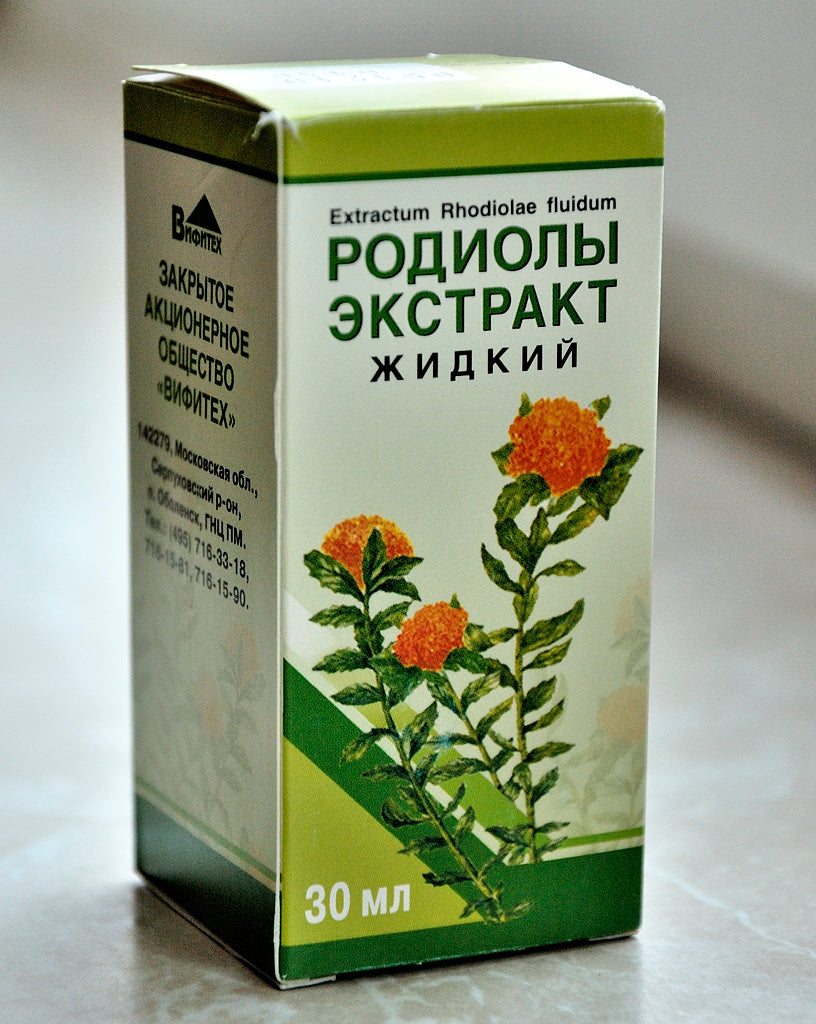
Most articles about rhodiola rosea for focus list the same general "adaptogen" benefits without telling you which studies actually measured focus — and which only measured stress or fatigue. That distinction matters, because the evidence is stronger in some areas than others.
I spent three weeks reading every English-language clinical trial on Rhodiola rosea and cognitive performance. Seven of them directly measured attentional accuracy, reaction time, or mental fatigue during focused tasks. Below, I rank those seven by how relevant they are to the question you're actually asking: will rhodiola help me concentrate better?
Why Rhodiola Rosea Works Differently from Caffeine and Racetams
Rhodiola rosea doesn't stimulate your central nervous system the way caffeine does. Instead, it may help regulate cortisol and support neurotransmitter balance — particularly serotonin and dopamine — which influence how well you sustain attention under pressure.* This is why researchers classify it as an adaptogen: a compound that may help the body resist physical and mental stressors [1].
The practical difference? Caffeine narrows your focus window and raises alertness but can increase anxiety and disrupt sleep. Rhodiola, by contrast, appears to protect cognitive function during stress without those trade-offs.* That makes it particularly interesting for people who need sustained concentration over hours, not a short spike.
Synthetic nootropics like piracetam target acetylcholine receptors directly. Rhodiola's mechanism is broader and less understood, but the European Medicines Agency has acknowledged its traditional use for "temporary relief of symptoms of stress, such as fatigue and sensation of weakness."
7 Clinical Trials on Rhodiola and Focus, Ranked by Relevance
Not all rhodiola studies are created equal. Some tested stressed medical students; others tested healthy adults doing proofreading tasks. Here's how they stack up when you filter specifically for attentional performance.
1. Shevtsov et al. (2003) — Single-Dose Acute Focus
This double-blind, placebo-controlled trial gave 161 military cadets a single dose of rhodiola extract (either 370 mg or 555 mg) before a battery of cognitive tests during night duty. The 370 mg group showed a statistically significant improvement in attentional accuracy compared to placebo — with results appearing within hours [2].
Why it matters: This is the strongest single-dose evidence for acute focus enhancement. Interestingly, the higher 555 mg dose did not outperform the lower one, suggesting more is not always better.
2. Spasov et al. (2000) — Focus Under Exam Stress
Forty medical students took 100 mg of standardised rhodiola extract daily for 20 days during an exam period. The rhodiola group scored higher on psychomotor tests and reported less mental fatigue, though the sample size was small [3].
Why it matters: Real-world stress context. But the low dose (100 mg) and small sample (n=40) limit how much weight we can give it.
3. Olsson et al. (2009) — Repeated Dosing and Work Capacity
This study tested 60 adults with stress-related fatigue using 576 mg of rhodiola extract (SHR-5) daily for 28 days. Participants showed improvements in attention and cognitive function measured by the Conners' Computerised Continuous Performance Test [4].
Why it matters: It demonstrates that benefits may build over weeks, not just hours. But participants were already fatigued, so the results may not generalise to healthy individuals.
4. Darbinyan et al. (2000) — Physician Night-Shift Performance
Young physicians on night duty took 170 mg of rhodiola extract. Their scores on cognitive tasks (short-term memory, calculation, audio-visual perception) improved by 20% compared to placebo during the first two weeks [5].
Why it matters: Practical relevance for anyone who needs to focus while sleep-deprived. However, the effect diminished by week three, raising questions about tolerance.
5. Cropley et al. (2015) — Mood, Anxiety, and Cognition
A UK-based trial gave 80 mildly anxious adults 200 mg of rhodiola twice daily for 14 days. Self-reported anxiety decreased, and there was a trend toward improved cognitive performance, though it did not reach statistical significance [6].
Why it matters: The focus improvements were secondary to mood changes. This suggests rhodiola may help focus indirectly by reducing anxiety.*
6. De Bock et al. (2004) — Physical and Mental Endurance
Healthy volunteers took 200 mg of rhodiola before an exercise and cognitive test. Reaction time improved slightly, but the study's primary focus was physical endurance, making the cognitive data secondary.
7. Punja et al. (2022) — Systematic Review
This meta-analysis of multiple rhodiola trials concluded that there is "promising but limited evidence" for cognitive benefits, calling for larger, better-designed studies. It's the most honest summary of the current evidence base [7].
What Dosage and Timing Actually Work for Focus?
Across these seven trials, a clear pattern emerges: 200–400 mg of standardised rhodiola extract, taken in the morning, appears most effective for focus.*
Here's what the data suggests:
- Acute focus: A single dose of 200–400 mg may improve attentional accuracy within 2–6 hours.*
- Sustained concentration: Daily doses of 400–600 mg over 2–4 weeks may help reduce mental fatigue during demanding periods.*
- Diminishing returns: Doses above 600 mg did not produce greater benefits in any trial — and the Shevtsov study suggests the lower dose was actually superior.
- Standardisation matters: All effective trials used extracts standardised to 3% rosavins and 1% salidroside (the SHR-5 extract or equivalent).
Timing also matters. Rhodiola has a mild stimulating quality, so taking it in the evening may interfere with sleep. Every trial that showed focus benefits administered the dose in the morning or before a demanding task.
How Rhodiola Compares to Other Natural Focus Supplements
Where does rhodiola fit if you're choosing between several nootropic ingredients? Here's an honest comparison based on the available evidence in 2026:
| Ingredient | Best For | Onset | Evidence Strength |
|---|---|---|---|
| Rhodiola rosea | Focus under stress/fatigue* | 2–6 hours | Moderate (7 relevant trials) |
| Caffeine | Alertness and reaction time | 20–45 minutes | Strong (hundreds of trials) |
| L-theanine | Calm focus (often paired with caffeine) | 30–60 minutes | Moderate |
| Panax ginseng | Working memory | 1–4 hours | Moderate |
| Bacopa monnieri | Long-term memory formation | 4–6 weeks | Moderate–strong |
The key insight: rhodiola's niche is focus under pressure. If you're well-rested and unstressed, caffeine will likely feel more impactful. If you're dealing with a demanding deadline, disrupted sleep, or chronic mental fatigue, rhodiola may offer something caffeine can't.*
Noobru Advantage combines several of these ingredients — including nootropic compounds that may complement rhodiola's adaptogenic effects — into a single drinkable formula designed for daily cognitive support.*
Rhodiola Rosea Side Effects: What the Trials Report
Rhodiola rosea has a strong safety profile across clinical studies. The most commonly reported side effects are mild and infrequent:
- Dizziness (rare, usually at higher doses)
- Dry mouth
- Occasional restlessness or vivid dreams
- Mild gastrointestinal discomfort
No serious adverse events were reported in any of the seven trials reviewed above. The European Medicines Agency has assessed rhodiola and permits its sale as a traditional herbal medicinal product for temporary stress-related fatigue.
However, rhodiola may interact with certain medications, including antidepressants (SSRIs) and blood-thinning drugs. Always consult your GP before adding it to your routine, particularly if you take prescription medication.
Key Takeaways: Should You Try Rhodiola for Focus?
After reviewing seven clinical trials that directly measured attentional performance, here's what I'd tell a friend asking whether rhodiola rosea is worth trying for focus:
- The evidence is promising but not conclusive. Seven trials show consistent trends toward improved focus under stress, but sample sizes are small and more research is needed.
- Dosage matters more than most people realise. 200–400 mg of a standardised extract (3% rosavins, 1% salidroside) taken in the morning is the sweet spot supported by data.*
- It works best for stressed or fatigued people. If you're already well-rested and calm, the effects may be minimal. Rhodiola's strength is protecting cognitive function when conditions are working against you.*
- Higher doses aren't better. The Shevtsov trial found 370 mg outperformed 555 mg — a rare and useful data point.
- It's not a replacement for sleep, exercise, or proper nutrition. No supplement is. But as part of a broader cognitive support strategy, rhodiola has more clinical backing than most herbal nootropics.
If you're exploring nootropic support for daily focus and concentration, Noobru's nootropic range includes science-backed ingredients that may complement rhodiola's adaptogenic properties.*
Frequently Asked Questions About Rhodiola Rosea and Focus
How long does rhodiola rosea take to work for focus?
Most clinical studies report measurable improvements in mental fatigue and focus within 2–6 hours of a single dose. Shevtsov et al. (2003) observed significant effects after just one 370 mg dose taken before cognitive testing [2].
What is the best rhodiola rosea dosage for concentration?
The dosage range supported by clinical evidence is 200–680 mg per day of a standardised extract (typically 3% rosavins, 1% salidroside). For acute focus, a single dose of 200–400 mg taken in the morning appears most effective based on trial data.*
Can you take rhodiola rosea with caffeine?
Yes. No adverse interactions between rhodiola and caffeine have been reported in clinical literature. Some users combine them because rhodiola may help smooth out the jitteriness associated with caffeine, though this specific combination has not been studied in a controlled trial.*
Does rhodiola rosea have side effects?
Rhodiola rosea is generally well tolerated. Reported side effects in clinical trials are mild and rare, including dizziness, dry mouth, and occasional restlessness. The European Medicines Agency classifies it as a traditional herbal medicinal product with a well-established safety profile.
Is rhodiola rosea better than ginseng for focus?
They work differently. Rhodiola appears to reduce mental fatigue under stress, while Panax ginseng has more evidence for sustained working memory. No head-to-head trial has compared them specifically for focus, so the best choice depends on whether your primary challenge is fatigue-related or memory-related.*
References
- Panossian A, Wikman G. "Effects of adaptogens on the central nervous system and the molecular mechanisms associated with their stress-protective activity." Pharmaceuticals. 2010;3(1):188-224. PubMed 22228617
- Shevtsov VA, et al. "A randomized trial of two different doses of a SHR-5 Rhodiola rosea extract versus placebo and control of capacity for mental work." Phytomedicine. 2003;10(2-3):95-105. PubMed 12725561
- Spasov AA, et al. "A double-blind, placebo-controlled pilot study of the stimulating and adaptogenic effect of Rhodiola rosea SHR-5 extract." Phytomedicine. 2000;7(2):85-89. PubMed 10839209
- Olsson EM, von Schéele B, Panossian AG. "A randomised, double-blind, placebo-controlled, parallel-group study of the standardised extract SHR-5 of the roots of Rhodiola rosea in the treatment of subjects with stress-related fatigue." Planta Med. 2009;75(2):105-112. PubMed 19016404
- Darbinyan V, et al. "Rhodiola rosea in stress induced fatigue — a double blind cross-over study." Phytomedicine. 2000;7(5):365-371. PubMed 11081987
- Cropley M, Banks AP, Boyle J. "The effects of Rhodiola rosea L. extract on anxiety, stress, cognition and other mood symptoms." Phytother Res. 2015;29(12):1934-1939. PubMed 25268730
- Punja S, et al. "Rhodiola rosea for mental and physical fatigue in nursing and healthcare students: a systematic review." Complement Ther Med. 2022;67:102832. PubMed 35748655
*These statements have not been evaluated by the Food and Drug Administration or MHRA. This product is not intended to diagnose, treat, cure, or prevent any disease. Always consult your healthcare provider before starting any supplement regimen.

Leave a comment
All comments are moderated before being published.
This site is protected by hCaptcha and the hCaptcha Privacy Policy and Terms of Service apply.