




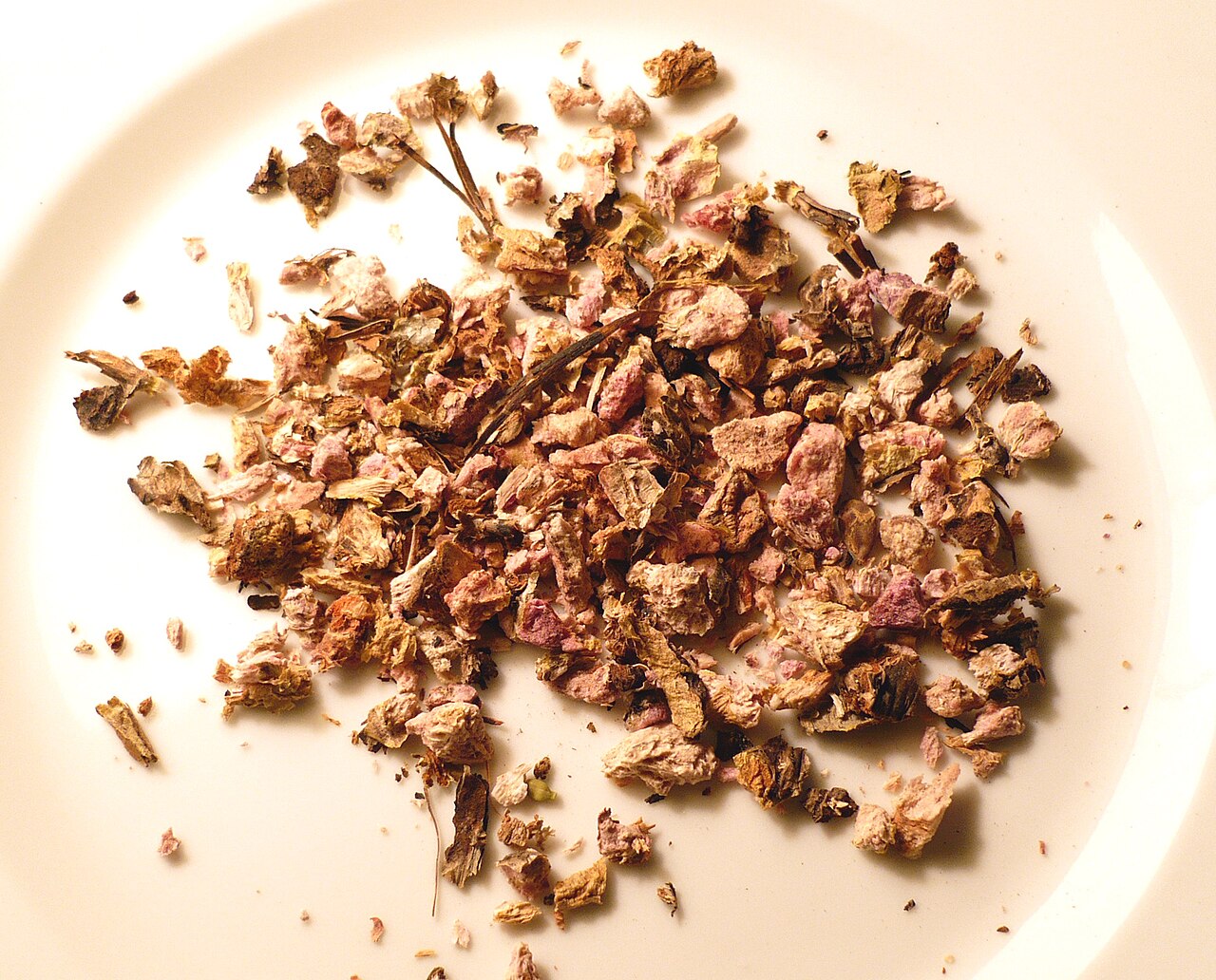
A rhodiola rosea supplement is one of the most evidence-backed adaptogenic herb options available in 2026, with clinical research supporting its role in helping to reduce mental fatigue, support stress resilience, and maintain sustained energy.* Also known as golden root or arctic root, rhodiola rosea has been used in traditional Scandinavian and Russian medicine for centuries. But it's the modern clinical data — including randomised controlled trials published in peer-reviewed journals — that makes this nootropic supplement genuinely interesting for anyone managing the demands of a high-performance lifestyle.
In this guide, we break down exactly what rhodiola rosea does in the body, the dosage ranges that clinical trials actually used, what to look for in a quality extract, potential side effects, and how it performs when combined with other adaptogens and nootropics.
What Is Rhodiola Rosea and How Does It Work?
Rhodiola rosea is a perennial flowering plant that thrives in cold, high-altitude regions of Europe, Asia, and the Arctic. Its root contains over 140 active compounds, but two families of bioactives drive most of its studied effects: rosavins (rosavin, rosin, and rosarin) and salidroside. These compounds are what make rhodiola one of the most researched adaptogenic herbs in modern phytotherapy.
At the biological level, rhodiola acts primarily on the body's central stress response system — a communication loop between the brain and the adrenal glands that controls how you react to pressure. When you experience stress, this system triggers the release of cortisol and adrenaline. Over time, chronic activation leads to what many people experience as burnout: persistent fatigue, poor concentration, and emotional flatness.
Rhodiola rosea helps modulate this response through several pathways:
- Stress hormone regulation: Rhodiola may help normalise cortisol output, preventing both excessive spikes and the blunted cortisol patterns associated with chronic stress [1].*
- Mood-related brain chemical support: It may increase the availability of serotonin and dopamine by slowing the enzymes that break them down, which is relevant to mood and motivation [2].*
- Cellular energy production: Rhodiola activates a key enzyme involved in how cells generate and use energy, which may explain the anti-fatigue effects reported in clinical trials [3].*
This multi-pathway action is what distinguishes rhodiola from single-mechanism stimulants like caffeine. Rather than artificially pushing your nervous system harder, rhodiola appears to help your body manage stress more efficiently.* Think of it as upgrading your stress tolerance, not overriding it.
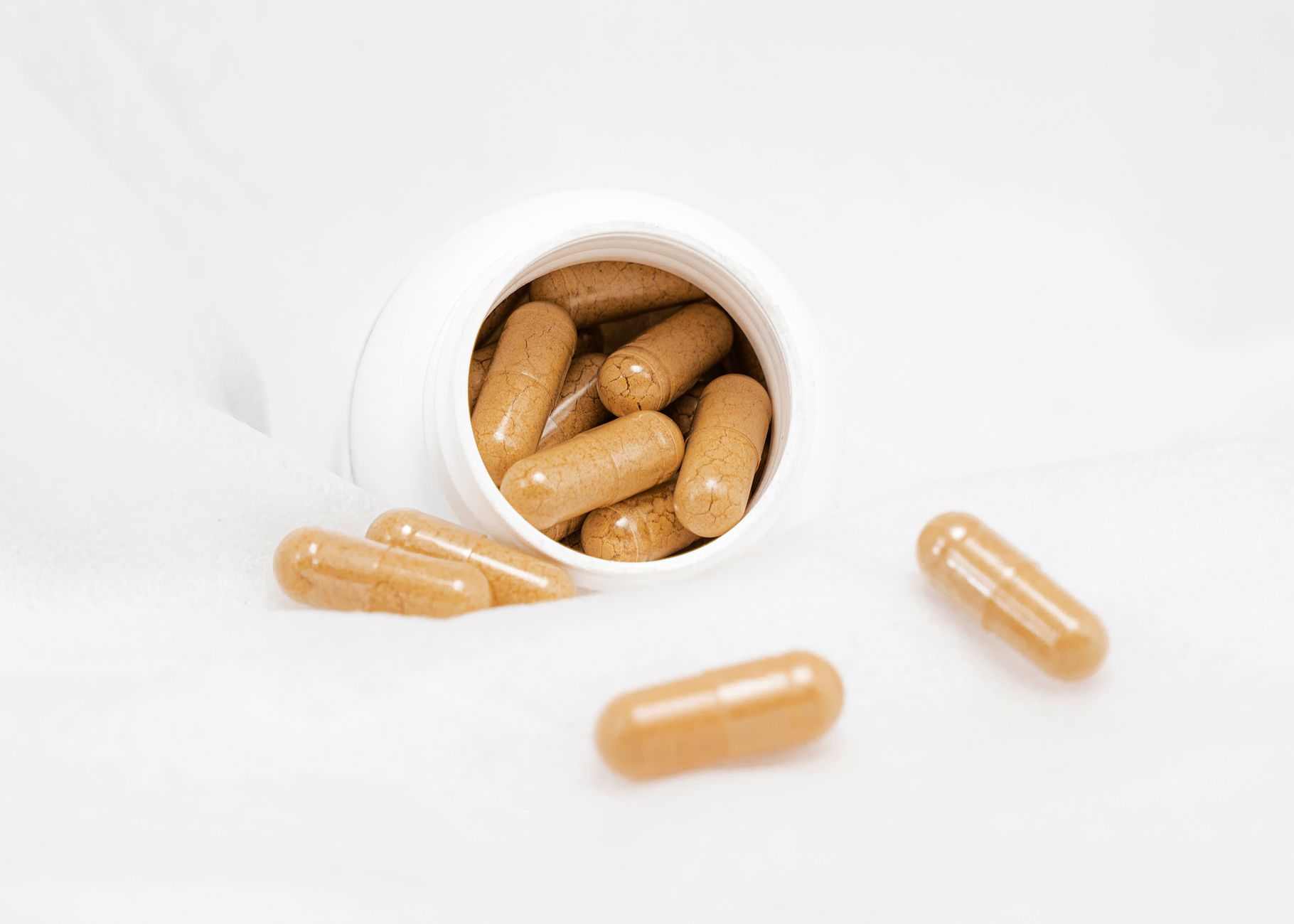
What Does the Clinical Evidence Say?
Rhodiola rosea has stronger clinical evidence behind it than most botanical supplements. Here's what the research actually shows — with specific study references so you can verify each claim yourself.
Mental Fatigue and Cognitive Performance
Rhodiola rosea may help reduce mental fatigue and improve cognitive speed under pressure.* A landmark study published in Phytomedicine found that rhodiola rosea extract produced a statistically significant reduction in mental fatigue and improved short-term memory, associative thinking, and calculation speed in physicians working overnight shifts [1]. The effect was observed at a dose of just 170 mg per day of standardised extract, with improvements measurable after two weeks.
A later systematic review by the European Medicines Agency concluded that rhodiola rosea preparations have "plausible" evidence supporting their traditional use for temporary relief of stress-related symptoms, including mental fatigue.
Stress, Burnout, and Resilience
Rhodiola may help improve how the body copes with ongoing life stress.* A 2012 study involving 101 participants experiencing life-stress symptoms found that 200 mg of rhodiola rosea extract taken twice daily led to significant improvements across multiple stress measures, including perceived stress, functional impairment, and overall wellbeing [2]. Notably, improvements were observed after just three days and continued building through the four-week study period.
A more recent 2012 trial published in Phytomedicine supported these findings, describing rhodiola as having a "favourable safety profile" and "clinically relevant" effects on stress symptoms [2].
Physical Endurance
Rhodiola's effects on physical performance are more nuanced. Some trials have shown modest improvements in exercise endurance and perceived effort, while others found no significant difference versus placebo. A 2012 review in BMC Complementary and Alternative Medicine concluded that current evidence is encouraging but inconsistent for exercise performance. The consensus: rhodiola may be more reliably beneficial for mental endurance and resilience under fatigue than for raw physical output.*
Mood Support
A pilot study published in Nordic Journal of Psychiatry examined rhodiola rosea in participants with mild-to-moderate low mood [4]. At doses of 340 mg and 680 mg daily over six weeks, the rhodiola groups showed significant improvements in mood-related measures compared to baseline. While larger trials are needed, the initial data suggests rhodiola may help support emotional balance alongside its cognitive benefits.*
What We Don't Yet Know
Transparency about limitations builds trust. Most rhodiola trials are relatively small (under 200 participants), and there is limited data on effects beyond 12 weeks of continuous use. We also lack large-scale head-to-head comparisons with other adaptogenic herbs like ashwagandha. The evidence is encouraging — but it's not yet at the same level as, say, vitamin D for bone health.
Optimal Dosage: What the Trials Actually Used
The effective dose of a rhodiola rosea supplement depends heavily on the extract's standardisation — not all rhodiola products deliver the same amount of active compounds.
| Factor | Recommended Range | Notes |
|---|---|---|
| Daily dose | 200–600 mg | Most trials used 200–400 mg |
| Rosavin content | ≥ 3% | Matches the natural ratio in the root |
| Salidroside content | ≥ 1% | Key active for anti-fatigue effects |
| Timing | Morning or early afternoon | May have mild stimulatory effects |
| Duration | 4–12 weeks minimum | Some acute effects within days |
The 3:1 ratio of rosavins to salidroside mirrors the natural composition of the rhodiola rosea root and is the standardisation used in most well-designed clinical trials. Products that only list total rhodiola content without specifying active compound percentages should be treated with caution — you simply don't know what you're getting.
A practical tip: Start at the lower end (200 mg daily) for the first week, then increase to 400 mg if needed. This allows you to assess your individual response, particularly if you're sensitive to the mild energising effects.
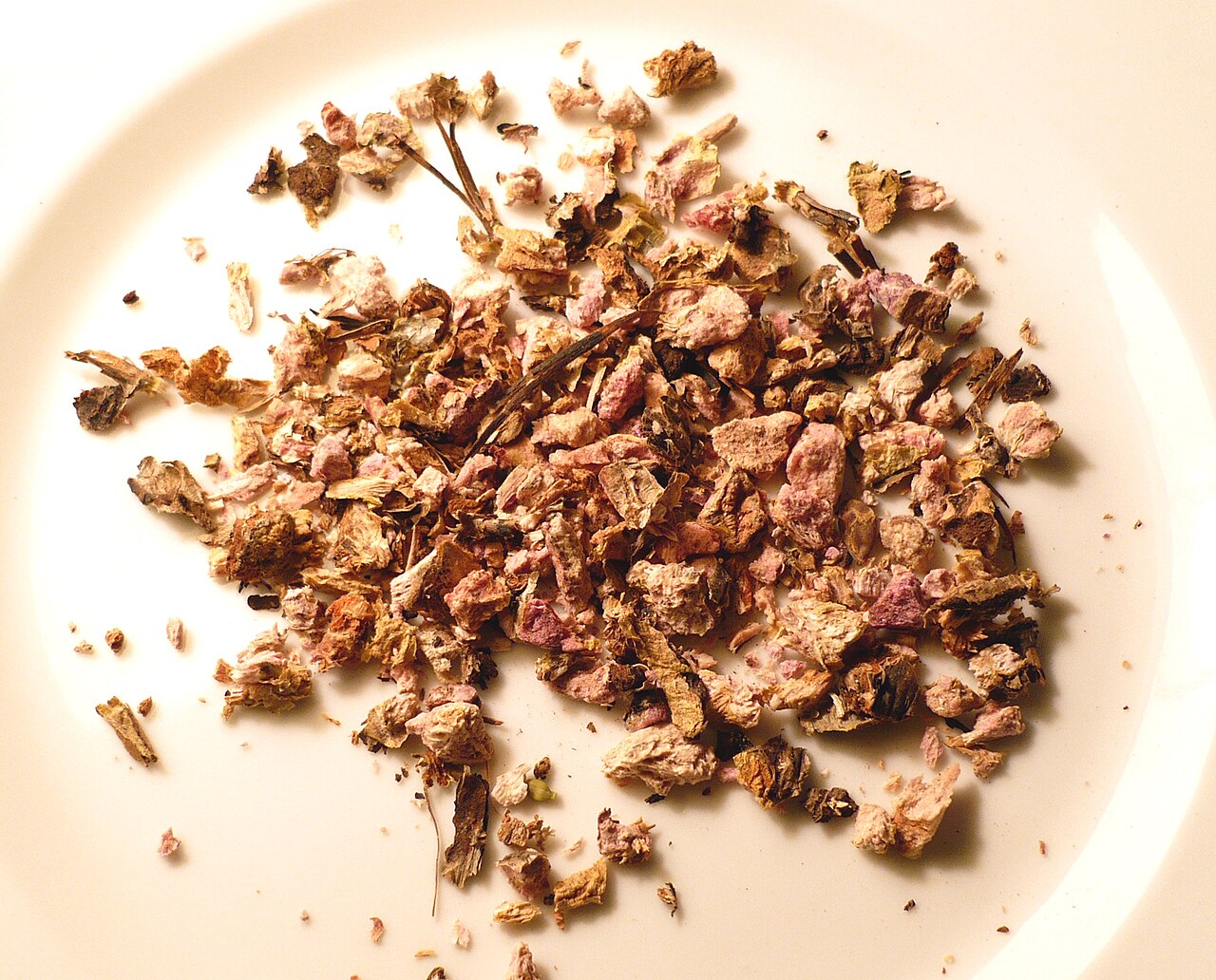
What to Look for in a Quality Rhodiola Rosea Supplement in 2026
Not all rhodiola products are created equal. A quality rhodiola rosea supplement should meet these specific, research-informed criteria:
- Standardised extract: Look for a minimum of 3% rosavins and 1% salidroside. This is non-negotiable for evidence-based dosing and matches what clinical trials have tested.
- Transparent labelling: Avoid proprietary blends that hide individual ingredient doses. You need to know the exact amount of rhodiola rosea you're consuming.
- Third-party testing: Heavy metals and adulterants are real concerns in the botanical supplement market. According to NCCIH (National Center for Complementary and Integrative Health), consumers should choose products with independent lab verification.
- Complementary ingredients: Rhodiola works well alongside other adaptogens and nootropic ingredients. Formulas that combine it with compounds like L-theanine, B vitamins, or ashwagandha can offer broader support.*
- Format and bioavailability: Drinkable formats may offer faster absorption compared to tablets, as liquids bypass the need for capsule dissolution in the stomach.
Rhodiola Rosea Side Effects and Safety
Rhodiola rosea is generally well tolerated at recommended doses, with a favourable safety profile documented across multiple clinical trials [2]. However, being informed about potential side effects is important for any supplement decision.
Commonly reported side effects (typically mild and dose-dependent):
- Mild dizziness or light-headedness
- Dry mouth
- Restlessness or feeling overstimulated, particularly at higher doses
- Sleep disruption if taken in the late afternoon or evening
Who should exercise caution:
- People taking medication for blood pressure, mood disorders, or blood-thinning — rhodiola may interact with these medicines.
- Pregnant or breastfeeding women, due to insufficient safety data.
- Anyone scheduled for surgery should stop rhodiola at least two weeks beforehand, as it may affect blood clotting.
Always consult your healthcare provider before adding any nootropic supplement to your routine, particularly if you take prescription medication.
Rhodiola Rosea and Complementary Ingredients
Rhodiola rarely works in isolation in practice. Research and practitioner experience suggest several evidence-backed pairings that may enhance its benefits.*
Rhodiola + Ashwagandha: Both are classified as adaptogenic herbs, but they work through different mechanisms. Ashwagandha primarily supports calming pathways and may help reduce cortisol, while rhodiola targets mood-related brain chemicals and cellular energy. Together, they may offer more comprehensive stress support than either alone.*
Rhodiola + L-Theanine: L-theanine promotes the kind of brain wave activity associated with calm, alert focus. Combined with rhodiola's anti-fatigue properties, this pairing may support sustained mental performance without the jitteriness that comes from stimulants like caffeine.*
Rhodiola + B Vitamins: B12 and B6 are essential helpers in the production of brain chemicals and in energy metabolism. Since rhodiola supports dopamine and serotonin pathways, ensuring adequate B vitamin intake may help optimise these effects.*
These synergies are why many people find a well-formulated nootropic supplement blend more effective than taking rhodiola on its own.
How Noobru Incorporates Rhodiola Rosea
Noobru Pro includes rhodiola rosea extract alongside a carefully selected blend of adaptogens and nootropic ingredients designed for sustained energy and stress management.* Unlike standalone rhodiola capsules, Noobru Pro combines rhodiola with complementary ingredients — including ashwagandha for stress support and L-theanine for focused calm — at clinically supported doses with full label transparency. No proprietary blends, no under-dosing.
As a drinkable supplement, Noobru Pro is formulated for rapid absorption and is designed for people who need to perform consistently under pressure: professionals managing chronic workloads, parents juggling competing demands, or anyone experiencing that persistent afternoon energy slump.
For those whose stress manifests more as anxiety or poor sleep, Noobru Lucid offers a complementary formula targeting relaxation and sleep quality without grogginess.* And if immune resilience is a concern — particularly during high-stress periods when the body's defences can dip — Noobru Shield provides year-round antioxidant and immune support.*
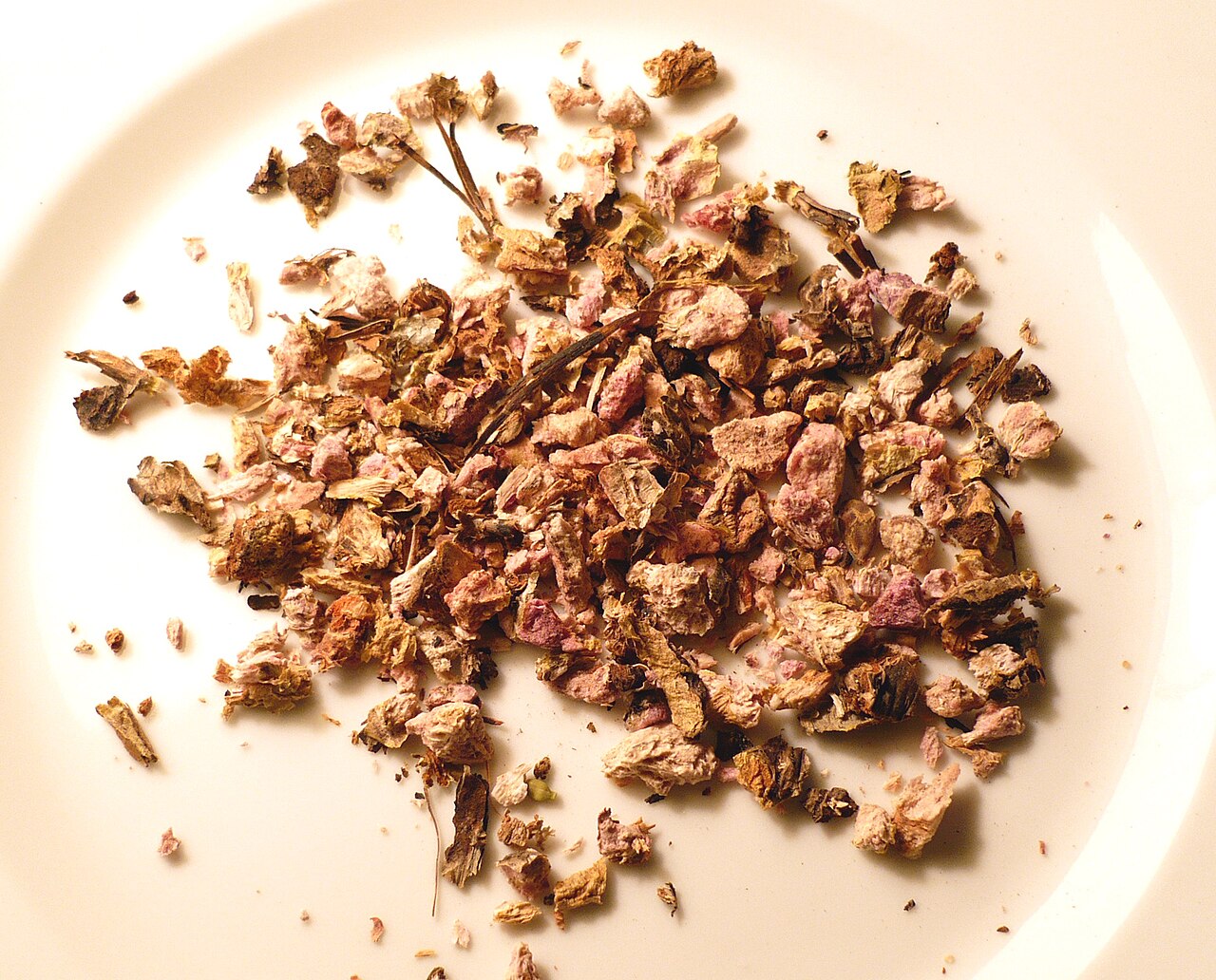
Frequently Asked Questions
How long does it take for rhodiola rosea to work?
Most people notice initial effects within the first week, particularly for acute mental fatigue. However, the full adaptogenic benefits — including sustained stress resilience and energy support — typically develop over 4 to 12 weeks of consistent daily use.
What is the best dosage for rhodiola rosea?
Clinical trials have used doses between 200 mg and 600 mg daily, standardised to at least 3% rosavins and 1% salidroside. A dose of 200–400 mg taken in the morning is the most commonly studied range for cognitive and stress-related benefits.
Can I take rhodiola rosea with other supplements?
Rhodiola pairs well with other adaptogenic herbs like ashwagandha and with nootropic ingredients such as L-theanine and citicoline. Because rhodiola may have mild stimulatory effects, combining it with high-dose caffeine or stimulant medications warrants caution. Always check with your healthcare provider.
Are there any side effects of rhodiola rosea?
Rhodiola rosea is generally well tolerated at recommended doses. Some people report mild dizziness, dry mouth, or restlessness, particularly at higher doses. Taking it in the morning rather than the evening may help avoid sleep disruption.
Is rhodiola rosea safe to take long term?
Studies lasting up to 12 weeks have shown a good safety profile [2]. Some practitioners recommend cycling rhodiola — for example, five days on, two days off — to maintain its adaptogenic effects, though long-term data beyond six months is limited.
Is rhodiola rosea a nootropic or an adaptogen?
Rhodiola rosea is classified as both. As an adaptogenic herb, it helps the body manage stress responses. As a nootropic supplement, it may support cognitive performance, focus, and mental endurance under fatigue.* This dual action is part of what makes it so popular in well-rounded supplement formulations.
Key Takeaways
- Strong clinical backing: Rhodiola rosea is one of the most evidence-backed adaptogenic herbs available, with peer-reviewed trials demonstrating benefits for mental fatigue, stress resilience, and cognitive performance under pressure [1][2].*
- Standardisation matters more than dose: Effective supplementation requires extracts standardised to at least 3% rosavins and 1% salidroside at doses of 200–600 mg daily. Without this standardisation, you cannot reliably replicate the clinical results.
- Multi-pathway advantage: Unlike caffeine or other single-action stimulants, rhodiola works across stress regulation, mood support, and cellular energy — making it a more sustainable option for long-term mental performance.*
- Better in combination: Rhodiola pairs effectively with ashwagandha, L-theanine, and B vitamins for broader nootropic and adaptogenic support, which is why multi-ingredient formulas often outperform standalone capsules.*
- Choose carefully in 2026: The supplement market is crowded. Prioritise transparent labelling, third-party testing, and clinically supported doses when choosing a rhodiola rosea supplement — your results depend on it.
If you're looking for a rhodiola-containing formula that combines clinical doses with complementary adaptogens and nootropic ingredients — all in a convenient, fast-absorbing drinkable format — Noobru Pro was built for exactly this purpose.
Try Noobru risk-free with our 90-day money-back guarantee →References
- Darbinyan V, Kteyan A, Panossian A, et al. Rhodiola rosea in stress induced fatigue — A double blind cross-over study of a standardized extract SHR-5 with a repeated low-dose regimen on the mental performance of healthy physicians during night duty. Phytomedicine. 2000;7(5):365-371. PubMed
- Edwards D, Heufelder A, Zimmermann A. Therapeutic effects and safety of Rhodiola rosea extract WS® 1375 in subjects with life-stress symptoms — Results of an open-label study. Phytomedicine. 2012;19(8-9):747-752. PubMed
- Panossian A, Wikman G, Sarris J. Rosenroot (Rhodiola rosea): traditional use, chemical composition, pharmacology and clinical efficacy. Phytomedicine. 2010;17(7):481-493. PubMed
- Darbinyan V, Aslanyan G, Amroyan E, et al. Clinical trial of Rhodiola rosea L. extract SHR-5 in the treatment of mild to moderate depression. Nordic Journal of Psychiatry. 2007;61(5):343-348. PubMed
- National Center for Complementary and Integrative Health (NCCIH). Rhodiola. nccih.nih.gov
*These statements have not been evaluated by the Food and Drug Administration or MHRA. This product is not intended to diagnose, treat, cure, or prevent any disease. The benefit claims marked with an asterisk (*) throughout this article relate to general wellness support and are based on preliminary or traditional evidence, not conclusive medical proof. Always consult your healthcare provider before starting any supplement regimen, particularly if you are pregnant, breastfeeding, or taking prescription medication.

Leave a comment
All comments are moderated before being published.
This site is protected by hCaptcha and the hCaptcha Privacy Policy and Terms of Service apply.