




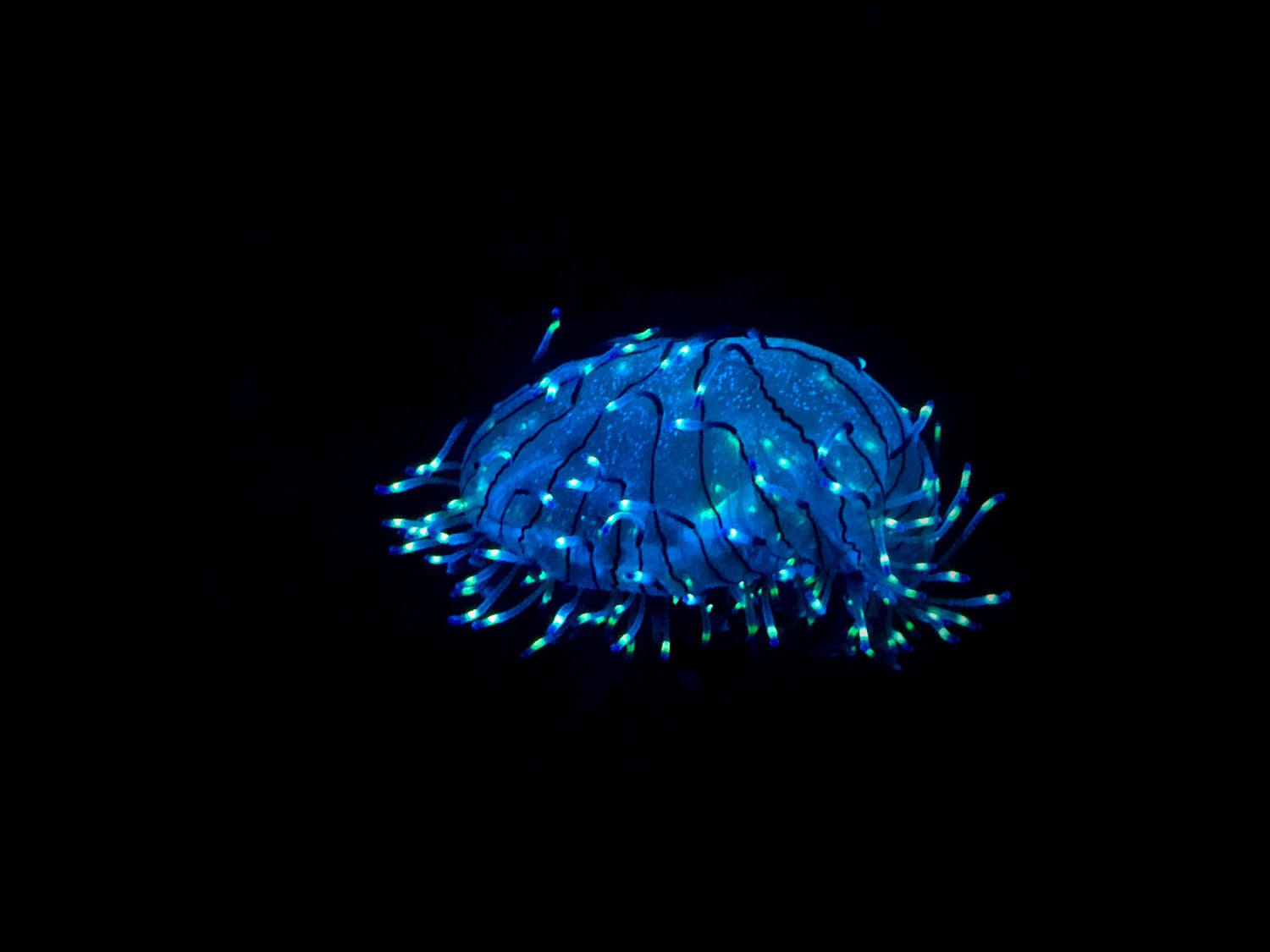
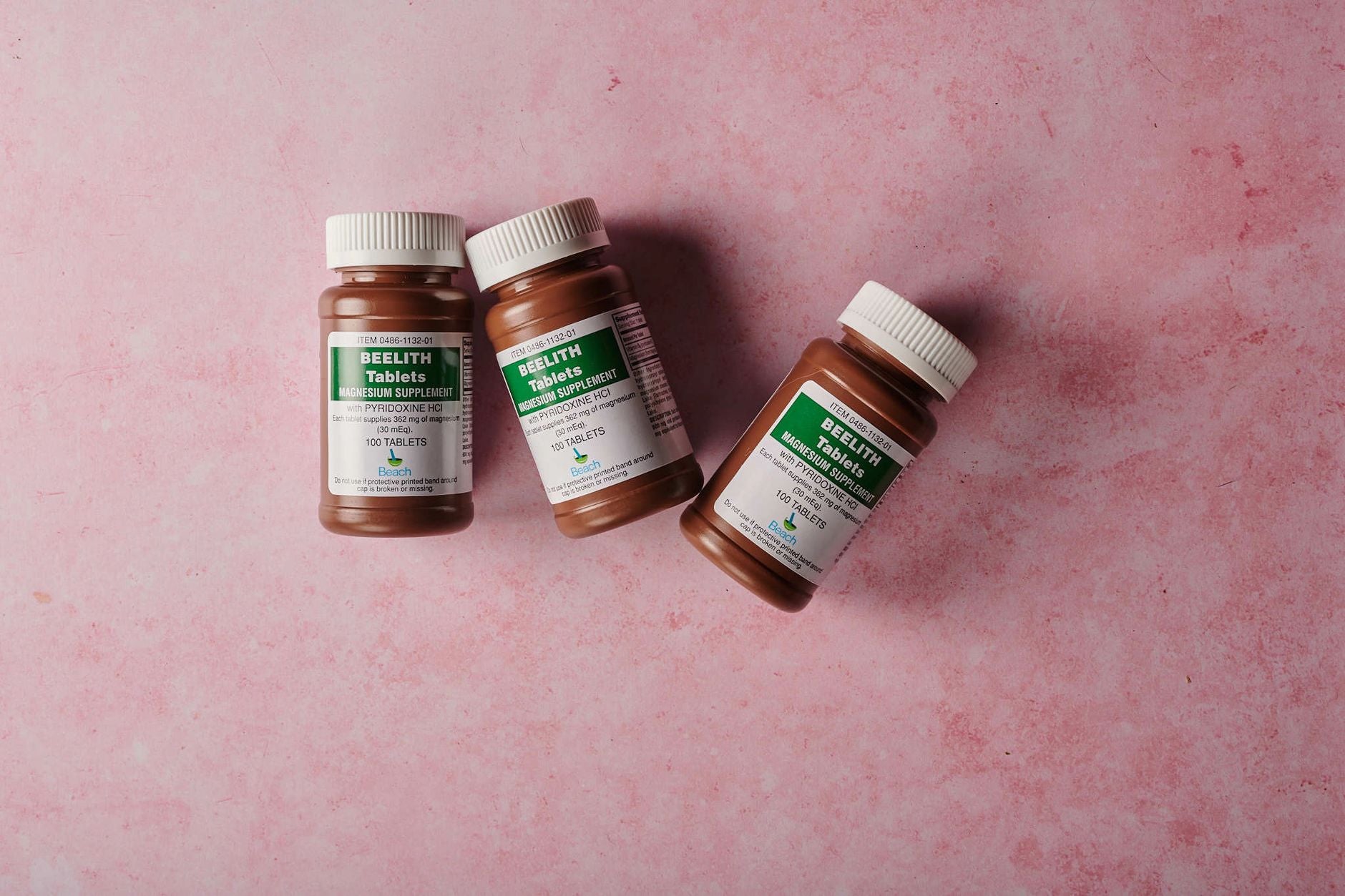
Is Prevagen a good brain supplement? Based on the current weight of published clinical evidence in 2026, apoaequorin — Prevagen's sole active ingredient — has a notably thinner research record than several other nootropic compounds. While Prevagen is heavily marketed for memory support, its single manufacturer-funded trial failed to show a statistically significant benefit across the full study population [1], and no independent replication studies have been published. This article applies a three-part evidence framework — independent replication, bioavailability plausibility, and dose transparency — to show where apoaequorin actually stands against ingredients with stronger clinical backing for cognitive enhancement.
Why Apoaequorin Is Supposed to Support the Brain
Apoaequorin is a calcium-binding protein originally isolated from the bioluminescent jellyfish Aequorea victoria. The theoretical mechanism is straightforward: as we age, calcium-regulating proteins in brain cells decline, potentially allowing excess calcium to accumulate and damage neurons. Apoaequorin is proposed to help manage intracellular calcium levels, thereby supporting neuronal health.*
The problem is one of basic biochemistry. Apoaequorin is a dietary protein. When you swallow it, digestive enzymes break it down into amino acids and peptides — just like any other protein you eat. A 2012 pharmacokinetic analysis noted that orally administered proteins are typically degraded in the gastrointestinal tract before systemic absorption [2]. There is no convincing published evidence that intact apoaequorin survives digestion in meaningful quantities, crosses the blood-brain barrier, and reaches neurons at a concentration high enough to bind calcium. This is the central scientific objection that independent researchers and regulatory bodies have raised repeatedly.
Compare this to compounds like L-theanine, a small amino acid that readily crosses the blood-brain barrier and has been detected in brain tissue within 30–60 minutes of oral ingestion, or phosphatidylserine, a phospholipid that integrates into cell membranes. These ingredients have demonstrable bioavailability pathways to the brain — apoaequorin does not.
The Madison Memory Study: What It Actually Found
The primary endpoint — computerised cognitive testing across several domains — showed no statistically significant difference between apoaequorin and placebo across the overall study population. This is the single most important finding, and it is often omitted from Prevagen's marketing materials.
The most commonly cited trial is the "Madison Memory Study," a 90-day randomised, double-blind, placebo-controlled study of 218 adults aged 40–91, published in Advances in Mind-Body Medicine in 2016 [1]. While the study design itself was reasonable — double-blinded, placebo-controlled, with a decent sample size — the results were not what the manufacturer hoped for.
The manufacturer later published a post-hoc sub-group analysis suggesting improvements in people with mild, self-reported cognitive impairment. However, post-hoc analyses are widely regarded as hypothesis-generating, not hypothesis-confirming. As the National Institutes of Health guidance on clinical trial methodology explains, testing multiple sub-groups substantially increases the probability of finding apparent effects by chance.
To date, no independent research group has attempted to replicate the Madison Memory Study. In the sciences, a finding that has not been independently replicated remains provisional at best — and after a decade without replication, confidence diminishes rather than grows.
The FTC Challenge and Its Implications
The U.S. Federal Trade Commission challenged Prevagen's advertising claims in 2017 [3], arguing that the company lacked adequate scientific support for its memory-improvement marketing. The FTC's complaint specifically cited the Madison Memory Study's failure to demonstrate a statistically significant benefit across its full study population.
The legal proceedings ultimately led to a settlement that placed restrictions on future advertising claims. This regulatory action is worth noting not because it proves apoaequorin is ineffective — absence of evidence is not evidence of absence — but because it demonstrates that even the U.S. government's consumer-protection agency found the marketing claims outpaced the science.
How Apoaequorin Compares to Better-Studied Nootropic Ingredients
The evidence gap between apoaequorin and other commonly used cognitive support ingredients is substantial. The table below summarises key differences in study depth and independence — the two factors that matter most when evaluating any memory support supplement.
| Ingredient | Key Finding | Evidence Base |
|---|---|---|
| Apoaequorin (Prevagen) | No significant effect in full study population; post-hoc sub-group benefit only [1] | 1 manufacturer-funded RCT; zero independent replications |
| Phosphatidylserine | May help support neurological function and cognitive performance under stress* [4] | Multiple independent peer-reviewed trials |
| Rhodiola rosea | Significant reduction in mental fatigue; improved short-term memory and calculation* [5] | Multiple independent peer-reviewed trials |
| L-theanine + Caffeine | Improved speed and accuracy of attention tasks versus either compound alone* [6] | Multiple independent peer-reviewed trials |
| Ashwagandha | Significant reduction in stress scores and serum cortisol versus placebo* [7] | Multiple independent peer-reviewed trials |
Each of the ingredients listed above has been studied across multiple independent research groups — not just by the company selling the product. This distinction matters enormously. Manufacturer-funded studies are not automatically invalid, but independent replication is what separates promising marketing claims from established nutritional science.
Three Criteria for Evaluating Any Brain Health Supplement
Rather than relying on brand recognition or advertising spend, use these three criteria when assessing whether a cognitive enhancement supplement is worth your money in 2026:
- Dose transparency: Does the label show exact milligram doses of every ingredient, or does it hide behind a "proprietary blend"? Proprietary blends make it impossible to verify whether you're getting a clinically meaningful dose. Any reputable supplement should disclose every ingredient and its exact quantity.
- Independent evidence: Has the active ingredient been studied by researchers who don't have a financial interest in the product? Look for trials indexed on PubMed from multiple independent research groups. A single manufacturer-funded study — no matter how well designed — is insufficient to establish a reliable cognitive benefit.
- Bioavailability plausibility: Does the ingredient have a clear, scientifically credible pathway to the brain? Oral proteins like apoaequorin face significant digestive and blood-brain-barrier hurdles that lipophilic compounds (like phosphatidylserine) or small amino acids (like L-theanine) do not.
Prevagen passes none of these three tests convincingly. It contains a single ingredient with a single manufacturer-funded trial showing no overall benefit, and that ingredient faces fundamental bioavailability questions that remain unanswered.
What About Supplements With Stronger Evidence?
If you're looking for a brain supplement built around ingredients with deeper, independently verified evidence bases, the key is to look for formulas that combine multiple well-studied compounds at clinically relevant doses — with full label transparency.
Noobru Advantage combines phosphatidylserine (50 mg), L-theanine (200 mg), ashwagandha (120 mg), and Huperzine A (200 mcg) in a drinkable format — with every dose printed on the label. Phosphatidylserine may help support neurological function and stress response* [4], while L-theanine has been shown to promote alpha brain wave activity associated with calm alertness* [6]. Ashwagandha demonstrated a significant reduction in stress assessment scores and serum cortisol levels versus placebo in a 2012 double-blind RCT* [7], which matters because chronic stress is one of the most well-documented drivers of cognitive decline.
For those whose cognitive dips are tied more to energy crashes and burnout, Noobru Pro includes Rhodiola rosea (200 mg) — an adaptogen that showed significant reduction in mental fatigue and improved short-term memory in a peer-reviewed trial* [5] — alongside Acetyl L-Carnitine (500 mg) for mitochondrial energy support* and Alpha GPC (150 mg) as an acetylcholine precursor*.
Full disclosure: Noobru is the publisher of this article, and we sell both products mentioned above. We've aimed to present the evidence fairly regardless, and every study cited is independently verifiable via the references below. We encourage you to check the primary sources yourself.
Noobru Advantage sachet next to a glass of mixed supplement drink, with the ingredient label visible showing exact milligram doses of phosphatidylserine, L-theanine, ashwagandha, and Huperzine A" width="800" height="450" loading="lazy" />Frequently Asked Questions
Does Prevagen actually improve memory?
Prevagen's sole manufacturer-funded trial (the Madison Memory Study) did not show a statistically significant improvement in memory across the full study population [1]. A post-hoc sub-group analysis suggested benefits for people with mild cognitive impairment, but post-hoc analyses are considered exploratory, not confirmatory. No independent replication studies have been published as of 2026.
What ingredient is in Prevagen?
Prevagen contains apoaequorin, a calcium-binding protein originally derived from the Aequorea victoria jellyfish and now produced synthetically. The standard supplement provides 10 mg of apoaequorin per capsule, though higher-dose versions are available.
Are there brain supplements with stronger clinical evidence than Prevagen?
Yes. Several nootropic ingredients have a more robust clinical evidence base than apoaequorin. These include phosphatidylserine, L-theanine (especially paired with caffeine), Rhodiola rosea, and ashwagandha — all of which have multiple independent, peer-reviewed trials supporting cognitive or stress-related benefits.*
Why did the FTC challenge Prevagen's advertising?
In 2017, the U.S. Federal Trade Commission filed a complaint alleging that Prevagen's advertising claims about memory improvement were not adequately supported by scientific evidence [3], citing the failure of the Madison Memory Study to show a significant effect across its full study population.
Can apoaequorin actually reach the brain when taken orally?
This remains undemonstrated. Apoaequorin is a dietary protein, and digestive enzymes typically break proteins into amino acids and peptides before absorption [2]. No published evidence shows that intact apoaequorin survives digestion, enters the bloodstream, and crosses the blood-brain barrier at functional concentrations.
Key Takeaways
- Prevagen's only clinical trial found no statistically significant cognitive benefit across the full study population [1]; the positive sub-group result comes from a post-hoc analysis, which is exploratory, not conclusive.
- Apoaequorin faces a fundamental bioavailability challenge: as an oral protein, it is likely digested before reaching the brain in any meaningful quantity [2].
- The U.S. FTC challenged Prevagen's marketing claims in 2017, resulting in advertising restrictions [3].
- Ingredients like phosphatidylserine, L-theanine, Rhodiola rosea, and ashwagandha each have multiple independent trials supporting their cognitive or stress-related benefits.*
- When evaluating any brain supplement for memory support, prioritise dose transparency, independent evidence, and a plausible mechanism of action over brand recognition or advertising spend.
References
- Moran DL, Underwood MY, Gabber TR, Schooley DA. "Effects of a supplement containing apoaequorin on verbal learning in older adults in the community." Advances in Mind-Body Medicine. 2016;30(1):4-11. PubMed
- Shen WC. "Oral peptide and protein delivery: unfulfilled promises?" Drug Discovery Today. 2003;8(14):607-608. PubMed
- Federal Trade Commission. "FTC, New York State Charge the Marketers of Prevagen With Making Deceptive Memory, Cognitive Improvement Claims." January 2017. FTC.gov
- Glade MJ, Smith K. "Phosphatidylserine and the human brain." Nutrition. 2015;31(6):781-786. PubMed
- Shevtsov VA, Zholus BI, Shervarly VI, et al. "A randomized trial of two different doses of a SHR-5 Rhodiola rosea extract versus placebo and control of capacity for mental work." Phytomedicine. 2003;10(2-3):95-105. PubMed
- Owen GN, Parnell H, De Bruin EA, Rycroft JA. "The combined effects of L-theanine and caffeine on cognitive performance and mood." Nutritional Neuroscience. 2008;11(4):193-198. PubMed
- Chandrasekhar K, Kapoor J, Anishetty S. "A prospective, randomized double-blind, placebo-controlled study of safety and efficacy of a high-concentration full-spectrum extract of ashwagandha root in reducing stress and anxiety in adults." Indian Journal of Psychological Medicine. 2012;34(3):255-262. PubMed
Looking for a brain supplement built on clinically studied ingredients at transparent doses? Noobru Advantage and Noobru Pro deliver phosphatidylserine, L-theanine, Rhodiola rosea, and ashwagandha in a convenient drinkable format — with every milligram disclosed on the label.
Try Noobru risk-free with our 90-day money-back guarantee →*These statements have not been evaluated by the Food and Drug Administration or MHRA. This product is not intended to diagnose, treat, cure, or prevent any disease. Always consult your healthcare provider before starting any supplement regimen.


Leave a comment
All comments are moderated before being published.
This site is protected by hCaptcha and the hCaptcha Privacy Policy and Terms of Service apply.