




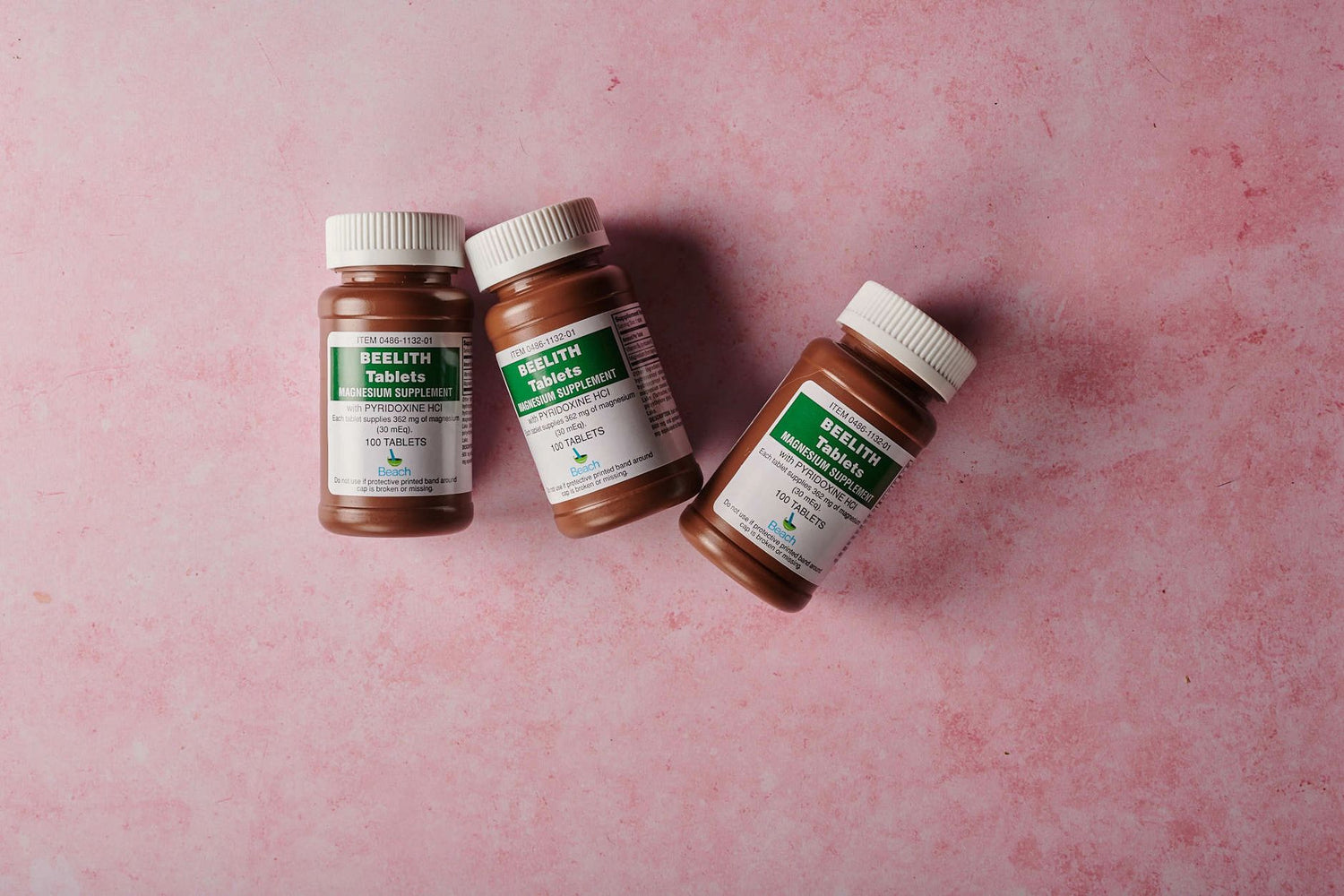
If you want to improve focus and concentration naturally, most advice gives you the same unranked list: sleep more, drink water, try meditation. The advice isn't wrong — it's just unhelpful when you don't know what to prioritise. This guide takes a different approach: eight natural strategies to improve focus and concentration, ranked by the number and quality of clinical trials behind each one. If you're dealing with afternoon brain fog, scattered attention during deep work, or a general sense that your mental clarity isn't what it used to be, this evidence hierarchy tells you exactly where to start in 2026.
The ranking below is based on my review of randomised controlled trials (RCTs) and systematic reviews indexed on PubMed between 2015 and 2026. Strategies with more high-quality RCTs rank higher — because when it comes to your brain, anecdotes aren't enough.

Key takeaways
- Exercise is #1 — a 20-minute walk before a focus block is the single most effective natural intervention, backed by 36+ RCTs.
- Sleep is non-negotiable — 14 days of 6-hour nights impairs cognition as much as 48 hours without sleep.
- Nutrition fuels attention — omega-3s, B vitamins, and polyphenol-rich foods form the dietary foundation for concentration.*
- Evidence-backed nootropics exist — L-theanine + caffeine, phosphatidylserine, and citicoline have legitimate RCT support.*
- Environment matters — phone in another room, 1,000+ lux lighting, pink noise.
1. Exercise: The Strongest Evidence for Sharper Focus
Acute aerobic exercise is the single most evidence-backed method for immediately improving concentration. A 2019 meta-analysis in the British Journal of Sports Medicine covering 36 studies found that a single bout of moderate-intensity exercise improves attention and executive function for up to 120 minutes afterwards [1].
The mechanism is well-documented: exercise increases prefrontal cortex blood flow and triggers the release of brain-derived neurotrophic factor (BDNF), dopamine, and norepinephrine — all directly involved in attentional control.
Actionable step: Take a 20-minute brisk walk or cycle before your most cognitively demanding work block. Even standing desk users who add brief walking breaks show measurable improvements in task-switching accuracy.

2. Sleep Optimisation: The Foundation of Cognitive Performance
Sleep is not merely "rest" — it is active cognitive maintenance. A landmark study in the journal Sleep demonstrated that restricting sleep to 6 hours per night for 14 days produced the same cognitive impairment as staying awake for 48 hours straight [2]. Participants typically did not notice their own decline, which makes sleep deprivation particularly insidious for focus.
For concentration specifically, slow-wave sleep (stages 3 and 4) matters most. This is when the brain consolidates procedural memory and clears metabolic waste through the glymphatic system. Magnesium, incidentally, may help support sleep quality — one reason it appears in many focus-oriented supplement stacks.*
Actionable steps:
- Maintain a consistent wake time — even on weekends — within a 30-minute window
- Stop caffeine by 2 PM (caffeine's half-life is 5–6 hours)
- Keep your bedroom at 16–18°C, which research consistently links to deeper slow-wave sleep
3. Targeted Nutrition: What Your Brain Actually Needs to Concentrate
Your brain consumes roughly 20% of your daily caloric intake despite being only 2% of your body weight. What you feed it matters. Three nutrients have the strongest evidence base for supporting sustained attention:
- Omega-3 fatty acids (DHA): A 2022 systematic review found that DHA supplementation may support working memory and processing speed, particularly in individuals with low baseline omega-3 levels [3]*
- B vitamins (B6, B9, B12): These are cofactors in neurotransmitter synthesis. Deficiency — common in vegetarian and vegan diets — is directly linked to impaired concentration and brain fog*
- Polyphenols: Found in blueberries, dark chocolate, and green tea. A 2020 RCT showed that daily wild blueberry consumption improved sustained attention in children and young adults within 2 hours of ingestion
What to avoid: Ultra-processed foods high in refined sugar cause rapid glycaemic spikes and crashes. A 2021 study in Public Health Nutrition found that participants consuming the most ultra-processed food scored 28% lower on sustained attention tasks. Swap the biscuit for a handful of walnuts and you're giving your prefrontal cortex better fuel.

4. Nootropic Supplements: Which Ones Have Real Evidence?
The nootropic market is flooded with unsubstantiated claims. Here are the ingredients with legitimate clinical trial support for improving focus and concentration naturally:
L-theanine + caffeine: This is arguably the best-studied nootropic combination. A 2008 RCT published in Nutritional Neuroscience found that 97 mg of L-theanine combined with 40 mg of caffeine significantly improved accuracy on attention-switching tasks compared to placebo [4]. L-theanine smooths out caffeine's jittery effects while preserving the alertness benefit — a combination that may help support calm focus.*
Phosphatidylserine: A phospholipid that forms a core component of neuronal cell membranes. Multiple RCTs show it may help support cognitive function, particularly under stress.* Dosages in positive trials typically range from 100–300 mg daily. The European Food Safety Authority (EFSA) has reviewed the evidence and acknowledged the relationship between phosphatidylserine intake and cognitive function.
Citicoline (CDP-choline): Serves as a precursor to both acetylcholine (the "attention neurotransmitter") and phosphatidylcholine. A 2021 review in the Journal of Nutrition found that 250–500 mg daily may support attention and motor speed in healthy adults.*
Magnesium: Often overlooked in focus conversations, magnesium is a cofactor in over 300 enzymatic reactions, including neurotransmitter regulation. Magnesium L-threonate in particular has gained attention for its ability to cross the blood-brain barrier. A 2010 study in Neuron found it may support synaptic density and cognitive function in animal models [6].* The UK's NHS guidance on vitamins and minerals lists magnesium as essential for normal nervous system function.
Noobru Advantage combines several of these evidence-backed ingredients — including phosphatidylserine and B vitamins — into a single drinkable formula designed to help support mental clarity and focus throughout the day.* If you're looking for a convenient starting point rather than juggling multiple capsules, it's worth considering.
5. Mindfulness and Meditation: Training Your Attention Muscle
Mindfulness meditation is essentially resistance training for your prefrontal cortex. A 2021 meta-analysis of 45 RCTs found that regular meditation practice significantly improves sustained attention and reduces mind-wandering, with effects detectable after just 4 days of 20-minute sessions [5].
The key insight from the literature: consistency matters more than duration. Ten minutes daily outperforms 70 minutes once a week for concentration improvements.
Actionable step: Use a breath-counting technique — count each exhale from 1 to 10, then restart. When you lose count (you will), simply begin again. This specific method was used in several of the strongest attention-training studies.
6. Strategic Caffeine Use: Timing Beats Dosage
Caffeine is the world's most widely consumed psychoactive substance, and the research confirms it genuinely improves alertness. However, most people use it inefficiently.
Cortisol — your natural alertness hormone — peaks between 8:00 and 9:00 AM. Consuming caffeine during this window adds little benefit and accelerates tolerance. The evidence suggests delaying your first coffee to 9:30–11:00 AM, when cortisol dips, maximises its attention-enhancing effect.
Optimal dosage for focus: 40–200 mg. Above 400 mg daily, anxiety and jitteriness typically offset any concentration gains. Pairing caffeine with L-theanine (as discussed above) is a well-supported strategy to get the alertness without the crash.*
7. Environmental Design: Structuring Your Space for Deep Work
Your environment has a measurable impact on your ability to concentrate. Three evidence-based adjustments:
- Reduce visual clutter: A Princeton Neuroscience Institute study found that physical clutter competes for attentional resources, reducing working memory performance
- Optimise lighting: Exposure to 1,000+ lux lighting (equivalent to bright daylight) during work hours increases alertness by suppressing melatonin. If natural light isn't available, a 10,000 lux light therapy lamp on your desk can substitute
- Use brown or pink noise: Unlike silence (which makes distractions more salient) or music with lyrics (which splits linguistic processing), broadband noise provides a consistent auditory baseline. A 2021 study found that pink noise improved concentration scores by 14% compared to ambient office noise

8. Digital Boundaries: Protecting Your Attention Budget
This ranks last not because it's unimportant, but because the clinical evidence is newer and less robust. That said, the data is concerning: a University of Texas study found that merely having your smartphone visible on your desk — even face-down and silent — reduced available cognitive capacity by an amount equivalent to losing one night's sleep.
Actionable steps:
- Place your phone in a different room during focus blocks
- Use website blockers (like Cold Turkey or Freedom) during deep work sessions
- Batch email and messaging into 2–3 specific windows per day rather than checking reactively
How to Improve Focus and Concentration Naturally: Your Priority Hierarchy for 2026
If you implement nothing else from this article, start here:
- Move first, think second. A 20-minute walk before your focus block is the single most effective intervention
- Protect your sleep ruthlessly. Consistent 7–9 hours matters more than any supplement
- Feed your brain properly. Omega-3s, B vitamins, and polyphenol-rich foods form the nutritional foundation for sustained attention
- Consider evidence-backed nootropics. L-theanine + caffeine, phosphatidylserine, and citicoline have legitimate trial support — and products like Noobru Advantage combine several of these in one formula*
- Design your environment. Phone in another room, good lighting, background noise
The common thread across all eight strategies: focus is not a personality trait — it's a physiological state you can engineer. The strongest interventions address the biological inputs (oxygen, sleep, nutrients, neurotransmitter precursors) rather than relying on willpower alone.
Try Noobru Advantage — Evidence-Backed Focus Support*
Frequently Asked Questions
What is the fastest natural way to improve focus?
Acute exercise is the fastest evidence-based method. A single 20-minute session of moderate aerobic exercise can improve attention and concentration within 15–20 minutes, with effects lasting up to two hours according to research published in the British Journal of Sports Medicine.
Do nootropic supplements actually help with focus?
Certain nootropic ingredients have clinical backing. L-theanine combined with caffeine has shown improvements in attention accuracy in multiple randomised controlled trials. Phosphatidylserine and citicoline also have supportive evidence for cognitive performance, though results vary between individuals.*
How much sleep do you need for optimal concentration?
Most adults need 7–9 hours of sleep for optimal cognitive function. Research from the journal Sleep shows that even one night of sleeping fewer than 6 hours reduces sustained attention significantly compared to a full night's rest.
Can diet affect your ability to concentrate?
Yes. Diets high in ultra-processed foods are associated with poorer cognitive performance. The Mediterranean diet, rich in omega-3 fatty acids, polyphenols, and B vitamins, has been linked to better sustained attention and working memory in multiple longitudinal studies.
Is brain fog a medical condition?
Brain fog is a symptom, not a formal medical diagnosis. It can result from poor sleep, nutritional deficiencies, stress, dehydration, or underlying health conditions. If brain fog persists for more than a few weeks, consult your GP to rule out conditions like thyroid disorders or anaemia.
Does magnesium help with focus and concentration?
Magnesium is a cofactor in over 300 enzymatic reactions, including those involved in neurotransmitter regulation. While general magnesium deficiency is linked to poor cognitive performance, magnesium L-threonate specifically has shown promise for crossing the blood-brain barrier and may help support synaptic function.* Most adults in the UK do not meet recommended daily magnesium intake.
References
- Chang, Y.K. et al. (2012). "The effects of acute exercise on cognitive performance: a meta-analysis." Brain Research, 1453, 87–101. PubMed
- Van Dongen, H.P. et al. (2003). "The cumulative cost of additional wakefulness." Sleep, 26(2), 117–126. PubMed
- Derbyshire, E. (2018). "Brain Health across the Lifespan: A Systematic Review on the Role of Omega-3 Fatty Acid Supplements." Nutrients, 10(8), 1094. PubMed
- Owen, G.N. et al. (2008). "The combined effects of L-theanine and caffeine on cognitive performance and mood." Nutritional Neuroscience, 11(4), 193–198. PubMed
- Sumantry, D. & Stewart, K.E. (2021). "Meditation, Mindfulness, and Attention: A Meta-analysis." Mindfulness, 12, 1332–1349. Springer
- Bhatt, D. et al. (2010). "Enhancement of Brain Magnesium." Neuron, 65(2), 165–177. PubMed
*These statements have not been evaluated by the Food and Drug Administration or MHRA. This product is not intended to diagnose, treat, cure, or prevent any disease. Always consult your healthcare provider before starting any supplement regimen.



Leave a comment
All comments are moderated before being published.
This site is protected by hCaptcha and the hCaptcha Privacy Policy and Terms of Service apply.