





How to Improve Focus and Concentration Naturally: 12 Evidence-Based Strategies
Struggling to focus at work, retain what you read, or stay sharp through the afternoon? You're not alone. A 2023 Microsoft Work Trend Index report found that 68% of people say they don't have enough uninterrupted focus time during the workday. The good news: you can improve focus and concentration naturally — without relying on endless cups of coffee or prescription stimulants.
This guide covers 12 practical, science-backed strategies for boosting mental clarity in 2026. Whether you're a student, professional, or simply someone who wants to think more clearly, these approaches address the root causes of poor concentration: nutrition, sleep, movement, environment, and targeted supplementation.
Why Is It So Hard to Focus? The Science Behind Concentration
Concentration depends on a network of brain regions — primarily the prefrontal cortex — working together with the right balance of neurotransmitters, particularly dopamine and noradrenaline [1]. When any part of that system is disrupted by poor sleep, nutritional gaps, stress, or digital overload, focus suffers.
Three factors make sustained focus harder than ever in 2026:
- Digital fragmentation: The average person checks their phone 96 times per day. Each interruption takes roughly 23 minutes to fully recover from, according to University of California research [2].
- Chronic under-sleep: One in three UK adults sleeps fewer than 6 hours per night, directly impairing attention and working memory.
- Nutrient-poor diets: Ultra-processed foods now make up 57% of calories in the average UK diet, displacing brain-essential nutrients like omega-3s, B vitamins, and magnesium.
Understanding these root causes is the first step. The strategies below target each one.
Nutrition: What to Eat (and Avoid) for Better Mental Clarity
Your brain consumes roughly 20% of your daily energy despite being only 2% of your body weight. What you eat directly shapes how well you think.
1. Prioritise Brain-Friendly Fats
Omega-3 fatty acids — especially DHA — are structural components of brain cell membranes. A 2022 meta-analysis in Translational Psychiatry found that omega-3 supplementation was associated with improved attention scores in adults [3].
Actionable step: Aim for two portions of oily fish per week (salmon, mackerel, sardines), or consider an algae-based DHA supplement if you're plant-based.
2. Stabilise Your Blood Sugar
Blood sugar spikes and crashes are one of the most common yet overlooked causes of brain fog. When glucose plummets after a high-sugar meal, the prefrontal cortex — your brain's "focus centre" — is among the first areas to be affected.
Actionable step: Combine complex carbohydrates with protein and healthy fats at every meal. Swap white toast for sourdough with eggs, or sugary cereal for porridge with nuts.
3. Close Your Nutrient Gaps
Specific micronutrients are essential for neurotransmitter production and cognitive function:
- Magnesium – supports synaptic plasticity and stress regulation. Up to 50% of Western populations may be deficient.
- Vitamin B12 – critical for myelin sheath integrity and nerve signalling.
- Iron – carries oxygen to brain tissue. Low iron is a leading cause of fatigue-related concentration problems, especially in women.
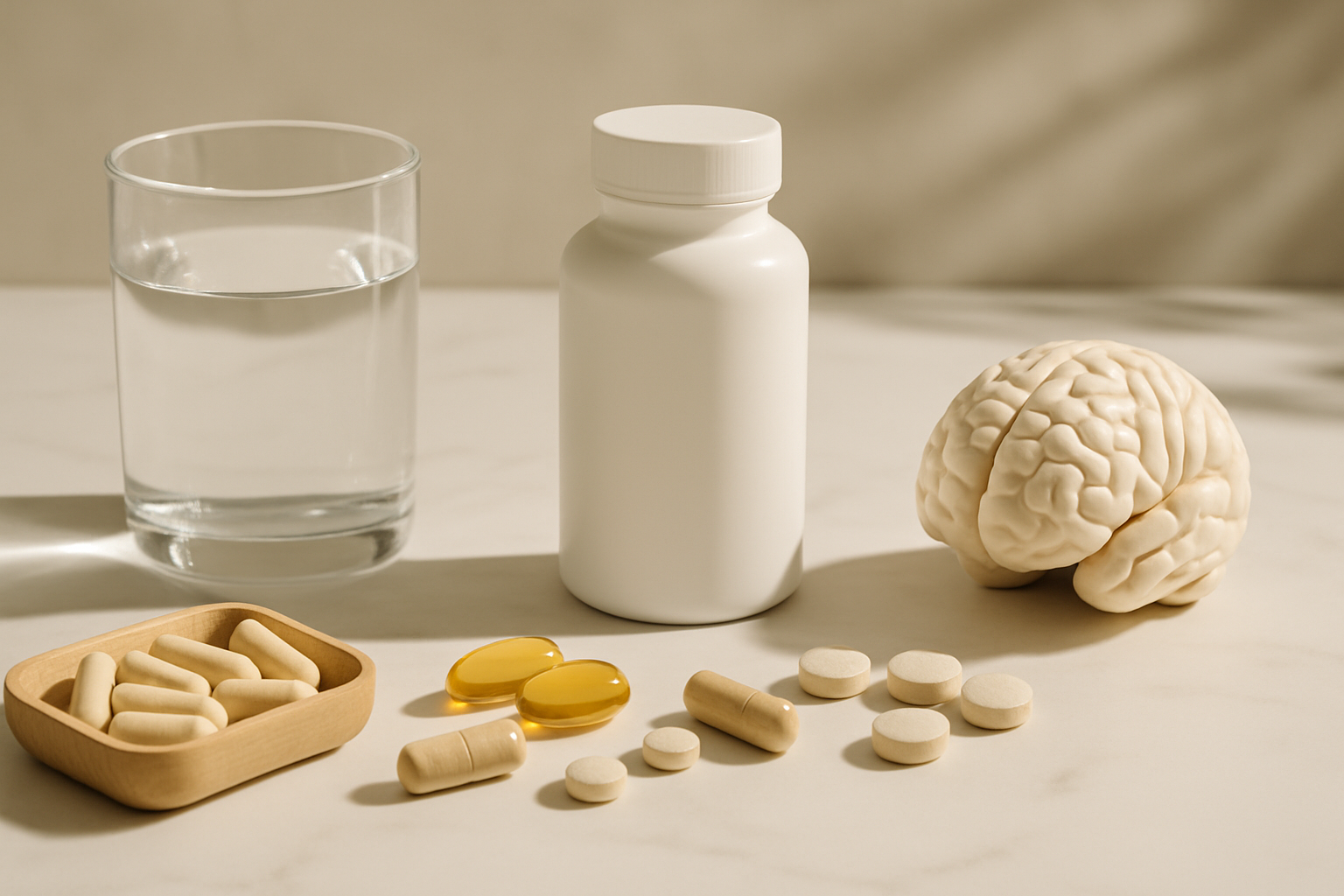
A targeted supplement can help fill these gaps. Noobru Advantage, for example, combines several brain-supporting nutrients — including phosphatidylserine and B vitamins — into a single drinkable formula designed to help support cognitive performance.*
Sleep: The Non-Negotiable Foundation of Focus
No supplement, strategy, or productivity hack can compensate for poor sleep. Sleep is when your brain consolidates memories, clears metabolic waste, and restores the neurotransmitter reserves you need for next-day attention.
4. Protect Your Sleep Window
A study in Nature Human Behaviour demonstrated that participants who slept fewer than 6 hours performed 30% worse on attention tasks than those sleeping 7–8 hours [4]. The deficit was cumulative — meaning sleep debt builds over multiple nights.
Actionable step: Set a fixed wake-up time seven days a week. Work backwards to schedule at least 7.5 hours of sleep opportunity.
5. Create a "Wind-Down" Buffer
Blue light from screens suppresses melatonin production by up to 50%. But light is only part of the problem — mental stimulation from emails or social media activates the sympathetic nervous system, making sleep onset harder.
Actionable step: Switch to low-stimulation activities 60 minutes before bed. Read a physical book, stretch, or practise a brief breathing exercise (try 4-7-8 breathing: inhale for 4, hold for 7, exhale for 8).
Movement: How Exercise Sharpens Your Brain
Exercise may be the single most powerful natural cognitive enhancer available. It increases blood flow to the brain, triggers the release of brain-derived neurotrophic factor (BDNF), and elevates dopamine and noradrenaline — the exact neurotransmitters that regulate attention.
6. Use the 20-Minute Rule
Research in the British Journal of Sports Medicine found that just 20 minutes of moderate aerobic exercise — a brisk walk, cycle, or swim — improved attention and processing speed immediately afterward and for up to two hours [5].
Actionable step: Schedule a 20-minute walk before your most demanding cognitive task of the day. If you work from home, this could be a lap of the neighbourhood before sitting at your desk.
7. Don't Overlook Resistance Training
A 2023 systematic review in Sports Medicine found that resistance training twice per week for 12 weeks significantly improved executive function — the set of mental skills that includes focus, working memory, and flexible thinking.
Actionable step: Even bodyweight exercises count. Two sessions per week of squats, press-ups, and rows can make a measurable difference over 3 months.
Nootropic Ingredients: What the Evidence Actually Says
Nootropics are compounds that may help support cognitive function, including focus, memory, and mental clarity.* Not all are created equal. Here's what the peer-reviewed research says about the most studied ingredients.
8. L-Theanine: Calm Focus Without Drowsiness
L-theanine, an amino acid found naturally in green tea, increases alpha brain wave activity — the pattern associated with relaxed yet alert mental states. A 2019 randomised controlled trial found that 200mg of L-theanine improved attention task performance and reduced mind-wandering.*
When combined with a small amount of caffeine (roughly 50–100mg), L-theanine may help deliver smoother, more sustained focus than caffeine alone — without the jitters or crash.*
9. Phosphatidylserine: Supporting Memory and Attention
Phosphatidylserine is a phospholipid that makes up about 15% of the brain's total phospholipid pool. Clinical trials have shown it may help support short-term memory, concentration, and cognitive processing speed, particularly under stress.* [6]
10. B Vitamins: The Underrated Cognitive Essentials
B vitamins — especially B6, B9 (folate), and B12 — are co-factors in the production of neurotransmitters like serotonin and dopamine. A 2022 Oxford University study found that adequate B-vitamin status was associated with slower rates of brain atrophy in older adults [7].
Noobru's nootropic range combines several of these evidence-based ingredients — including phosphatidylserine, B vitamins, and amino acids — in a convenient daily drink mix designed to help support mental clarity and focus.*
Environment and Habits: Structuring Your Day for Deep Focus
Even with perfect nutrition and sleep, a chaotic environment will sabotage concentration. These two strategies address the external factors.
11. Time-Block Your Deep Work
Multitasking is a myth. Cognitive science consistently shows that what we call "multitasking" is actually rapid task-switching, and each switch costs mental energy. Research from Stanford University found that heavy multitaskers performed significantly worse on attention tests than those who focused on one task at a time.
Actionable step: Block 90-minute "deep work" sessions into your calendar. During these blocks, close email, silence notifications, and work on a single task. Take a 15-minute break between blocks.
12. Manage Your Hydration
Even mild dehydration — just 1–2% of body mass — impairs attention, short-term memory, and reaction time. A study in the European Journal of Nutrition confirmed that cognitive performance declined measurably when participants were only slightly dehydrated [8].
Actionable step: Keep a water bottle visible at your desk. Aim for 1.5–2 litres daily. Adding a flavoured supplement like Noobru to your water can make hydration more consistent while delivering brain-supporting nutrients at the same time.*
Key Takeaways: Your Focus Improvement Checklist for 2026
Improving focus isn't about one silver bullet. It's about layering small, evidence-based changes across nutrition, sleep, movement, and environment. Here's a quick summary:
- Eat for your brain: Prioritise omega-3s, stabilise blood sugar, and close nutrient gaps (magnesium, B12, iron).
- Sleep 7–9 hours: Protect a consistent sleep window and create a 60-minute wind-down buffer.
- Move daily: 20 minutes of moderate exercise boosts focus for up to 2 hours afterward.
- Consider targeted nootropics: L-theanine, phosphatidylserine, and B vitamins have credible evidence supporting cognitive function.*
- Structure your environment: Time-block deep work, eliminate distractions, and stay hydrated.
Start with the one or two strategies that feel most achievable. Stack additional changes week by week. Consistency matters far more than perfection.
Frequently Asked Questions
What is the fastest natural way to improve focus?
Physical exercise is one of the fastest natural ways to improve focus. A single 20-minute session of moderate aerobic exercise can enhance attention and cognitive performance for up to two hours afterward, according to research published in the British Journal of Sports Medicine [5].
Which vitamins and minerals help with concentration?
B vitamins (especially B6 and B12), iron, magnesium, and omega-3 fatty acids all play important roles in cognitive function. Deficiencies in any of these may contribute to brain fog and poor concentration.
Do nootropic supplements actually work for focus?
Several nootropic ingredients have peer-reviewed evidence supporting their use for cognitive function. For example, L-theanine may help promote calm focus, while phosphatidylserine has been shown to support memory and attention in clinical trials.* Results vary between individuals.
How much sleep do I need for optimal focus?
Most adults need 7 to 9 hours of quality sleep per night for optimal cognitive performance. Even one night of poor sleep — under 6 hours — can reduce attention span, working memory, and decision-making ability by up to 30% [4].
Can dehydration affect concentration?
Yes. Research from the European Journal of Nutrition found that even mild dehydration of 1–2% body mass loss can impair attention, short-term memory, and reaction time [8]. Drinking at least 1.5 to 2 litres of water daily helps maintain cognitive performance.
Ready to Support Your Focus Naturally?
If you're looking for a convenient way to give your brain the nutrients it needs, explore Noobru's nootropic range. Each formula is designed with evidence-based ingredients like phosphatidylserine, B vitamins, and amino acids to help support cognitive clarity, focus, and mental energy.* Simply mix with water and drink daily.
References
- Arnsten AFT. Catecholamine influences on dorsolateral prefrontal cortical networks. Biol Psychiatry. 2011;69(12):e89-e99. PubMed
- Mark G, Gudith D, Klocke U. The cost of interrupted work: more speed and stress. CHI '08: Proceedings of the SIGCHI Conference. 2008. PDF
- Bos DJ et al. Effects of omega-3 polyunsaturated fatty acids on human brain morphology and function. Transl Psychiatry. 2022;12:187. PubMed
- Lowe CJ et al. The neurocognitive consequences of sleep restriction. Nat Hum Behav. 2018;2:738–749. PubMed
- Chang YK et al. The effects of acute exercise on cognitive performance. Br J Sports Med. 2012;46(14):1040-1052. PubMed
- Glade MJ, Smith K. Phosphatidylserine and the human brain. Nutrition. 2015;31(6):781-786. PubMed
- Smith AD et al. Homocysteine-lowering by B vitamins slows the rate of accelerated brain atrophy. PLoS One. 2010;5(9):e12244. PubMed
- Zhang N et al. Effects of dehydration and rehydration on cognitive performance and mood. Eur J Nutr. 2019;58:1373-1383. PubMed
*These statements have not been evaluated by the Food and Drug Administration or MHRA. This product is not intended to diagnose, treat, cure, or prevent any disease. Always consult your healthcare provider before starting any supplement regimen.

Leave a comment
All comments are moderated before being published.
This site is protected by hCaptcha and the hCaptcha Privacy Policy and Terms of Service apply.