




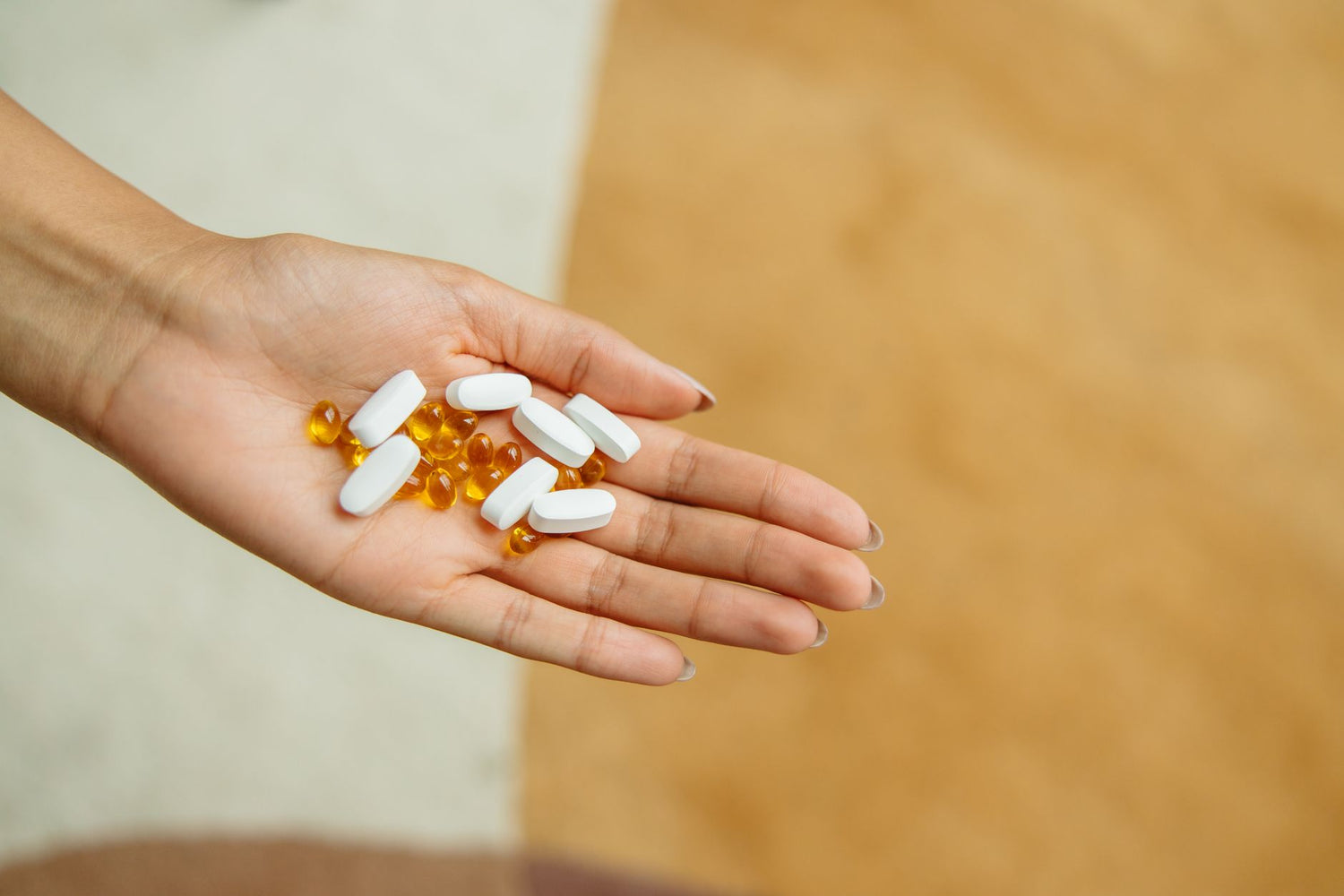
Joint Supplements for Women: Ingredients Ranked by Clinical Evidence in 2026
Most lists of joint supplements for women rank products by popularity or brand deals — not by how well they perform in clinical trials that actually included female participants. This article takes a different approach: we rank the eight most common joint-support ingredients by the strength of their evidence in women-specific or women-inclusive studies, and we cover the documented but largely ignored link between chronic stress, elevated cortisol, and worsening joint inflammation.
The short answer: collagen peptides, omega-3 fatty acids, vitamin D3, and glucosamine sulphate have the strongest clinical backing for joint health in women in 2026. But supplementation alone isn't enough — and that's the part most guides leave out.
Why Women's Joint Health Differs From Men's
Women are significantly more likely than men to develop osteoarthritis, particularly after the age of 45. According to Versus Arthritis (formerly Arthritis Research UK), women account for roughly 60% of osteoarthritis diagnoses in the UK.
The reasons are partly structural — women tend to have wider hips, creating different load patterns on the knees — but the primary driver is hormonal.
Oestrogen has a direct protective effect on cartilage. It modulates inflammatory cytokines (particularly interleukin-6 and tumour necrosis factor-alpha) and supports collagen synthesis within joint tissue. A 2020 review in Maturitas confirmed that declining oestrogen during perimenopause accelerates cartilage breakdown, increases joint stiffness, and heightens pain sensitivity.
The implication is clear: the best joint supplements for women need to address more than cartilage structure — they need to tackle the inflammatory environment that drives degeneration.
Joint Supplements Ranked by Clinical Evidence in Women
Below, we rank the most widely marketed joint-support ingredients by how strong the evidence is — specifically in trials that included meaningful numbers of female participants or focused on women exclusively.
| Ingredient | Typical Dose | Evidence Strength (Women) | Time to Effect | Key Mechanism |
|---|---|---|---|---|
| Collagen Peptides (Type II) | 10g daily | Strong | 12–24 weeks | Provides amino acids for cartilage synthesis; may reduce collagen breakdown markers* |
| Omega-3 (EPA/DHA) | 2–3g daily | Strong | 8–12 weeks | Reduces pro-inflammatory prostaglandins; modulates TNF-alpha and IL-6 |
| Vitamin D3 | 1,000–4,000 IU daily | Strong | 8–12 weeks | Supports calcium metabolism; deficiency linked to joint pain |
| Glucosamine Sulphate | 1,500mg daily | Moderate–Strong | 12–24 weeks | Provides building blocks for glycosaminoglycans in cartilage |
| Curcumin (Turmeric) | 500–1,000mg daily (with piperine) | Moderate | 4–8 weeks | Inhibits NF-κB inflammatory pathway; antioxidant |
| MSM | 1,500–3,000mg daily | Moderate | 12 weeks | Provides bioavailable sulphur for connective tissue |
| Boswellia Serrata | 100–250mg daily | Moderate | 4–8 weeks | Inhibits 5-LOX enzyme; reduces leukotriene-driven inflammation |
| Chondroitin Sulphate | 800–1,200mg daily | Mixed | 12–24 weeks | Attracts water into cartilage matrix; inhibits degradation enzymes |
A note on curcumin: its absorption improves by up to 2,000% when taken with piperine (black pepper extract), according to a widely cited study in Planta Medica. Without piperine, most curcumin passes through the gut unabsorbed.
Vitamin D3 deficiency is extremely common in the UK — NHS guidance notes that around 1 in 5 adults has low vitamin D, particularly during autumn and winter — making supplementation especially relevant for British women.
The Stress-Joint Connection Most Guides Miss
Most joint supplement guides stop at listing ingredients and doses. But there is a well-documented mechanism linking chronic psychological stress to worsening joint inflammation that rarely gets mentioned.
Chronic stress activates the hypothalamic-pituitary-adrenal (HPA) axis, leading to sustained cortisol elevation. While short-term cortisol is anti-inflammatory, chronically elevated cortisol does the opposite: it upregulates pro-inflammatory cytokines, impairs tissue repair, and disrupts sleep.
A 2018 systematic review in Psychoneuroendocrinology found that chronic stress was associated with elevated C-reactive protein and IL-6 — the same inflammatory markers implicated in osteoarthritis progression.
For women navigating perimenopause, chronic stress doesn't just feel exhausting — it measurably accelerates the inflammatory processes that degrade joint tissue.
Research on Rhodiola rosea suggests it may help regulate the stress response by modulating HPA axis activity, with one study finding significant reductions in mental fatigue and improved cognitive function under stress*. Ashwagandha has been shown to reduce cortisol levels by up to 30% compared to placebo in a 60-day randomised trial published in the Indian Journal of Psychological Medicine*.
These aren't joint supplements in the traditional sense, but they target the inflammatory environment that drives joint degeneration.
Sleep, Inflammation, and Joint Recovery
Sleep is when the body performs the majority of its tissue repair, including cartilage and connective tissue maintenance. Poor sleep quality directly increases inflammatory markers — C-reactive protein, IL-6, and TNF-alpha — the same markers implicated in joint deterioration.
A 2020 meta-analysis in Sleep Medicine Reviews found that adults sleeping fewer than 6 hours per night had significantly elevated CRP levels compared to those sleeping 7–8 hours.
For women experiencing menopause-related sleep disruption, this creates a compounding problem: hormonal changes increase joint vulnerability while poor sleep accelerates inflammatory damage.
Ingredients that may help support sleep quality include magnesium glycinate, L-theanine (which promotes alpha brain wave activity associated with calm alertness), and ashwagandha*. These aren't typically found in joint supplements, which is precisely the gap worth addressing.
Immune Health and Antioxidant Defence
Oxidative stress — an imbalance between free radicals and the body's antioxidant defences — is another under-discussed driver of joint degradation. Reactive oxygen species directly damage cartilage cells (chondrocytes) and activate inflammatory pathways within the joint.
Vitamin C supports collagen synthesis and acts as a primary antioxidant*. A 2017 review in Nutrients confirmed its role in both immune function and connective tissue integrity.
Vitamin E has been shown to reduce oxidative damage markers*. Zinc plays a role in immune regulation and tissue repair*. Ginger has shown potential anti-inflammatory effects in a 2018 review published in Pharmacology & Therapeutics*.
The point isn't that any single antioxidant will fix joint pain. The point is that joint health exists within a broader system — immune function, oxidative balance, hormonal status, and stress regulation all influence outcomes.
What to Actually Do: A Practical Framework
Rather than simply listing supplements, here is a structured approach to joint support for women, organised by priority:
Tier 1: Foundation (Address First)
- Test vitamin D levels. Ask your GP for a 25-hydroxyvitamin D blood test. If you're below 50 nmol/L, supplementation is essential.
- Increase omega-3 intake through oily fish (salmon, mackerel, sardines — aim for 2 portions weekly) or a quality fish oil supplement providing 2–3g EPA/DHA daily.
- Prioritise sleep. Aim for 7–8 hours. Address menopause-related disruption with your GP if needed.
Tier 2: Targeted Supplementation
- Collagen peptides: 10g daily, consistently, for a minimum of 12 weeks before assessing results.
- Glucosamine sulphate: 1,500mg daily. Note: glucosamine sulphate has stronger evidence than glucosamine hydrochloride.
- Curcumin with piperine: 500–1,000mg daily for anti-inflammatory support*.
Tier 3: Systemic Support
- Manage chronic stress. Consider adaptogens (ashwagandha, rhodiola) alongside behavioural strategies*.
- Support antioxidant defences. Vitamin C, zinc, and vitamin E contribute to the broader anti-inflammatory environment*.
- Stay active. Low-impact exercise (swimming, cycling, yoga) strengthens muscles supporting joints and promotes synovial fluid circulation.
Where Noobru Fits: Supporting the Systemic Factors Behind Joint Health
Noobru doesn't manufacture a dedicated joint supplement — and I want to be upfront about that. But several systemic factors that influence joint health in women overlap with what our formulas address. Here's how, ingredient by ingredient:
Noobru Shield delivers 1,000mg vitamin C, organic ginger (100mg), organic Panax ginseng (100mg), zinc, vitamin D3, and vitamin E. Vitamin C is essential for collagen synthesis*. Ginger has shown potential in inflammatory pathways relevant to joint health*. Vitamin D3 directly addresses the deficiency linked to joint pain in UK women.
Noobru Pro contains 200mg Rhodiola rosea, ashwagandha, and phosphatidylserine — a combination designed to help support stress management*. For women whose joint symptoms worsen under chronic stress, addressing cortisol regulation may be a meaningful complementary strategy*.
Noobru Lucid combines 1,000mg ashwagandha, magnesium glycinate, L-theanine (150mg), passionflower, and Montmorency cherry to help support sleep quality*. Given that poor sleep elevates the same inflammatory markers driving joint damage, improving sleep may indirectly support joint recovery.
For women experiencing menopause-related brain fog alongside joint concerns, Noobru Advantage offers phosphatidylserine (50mg), L-theanine (200mg), and ashwagandha to help support cognitive clarity and focus*.
All Noobru products use clinically studied doses (no proprietary blends), come in drinkable sachet format, and are third-party tested for purity.
Frequently Asked Questions
What is the best joint supplement for women over 40?
The strongest clinical evidence supports collagen peptides (10g daily), omega-3 fatty acids (2–3g EPA/DHA), and vitamin D3 for women over 40. Glucosamine sulphate (1,500mg daily) also has robust trial data, though individual results vary.
Can menopause cause joint pain?
Yes. Declining oestrogen levels during perimenopause and menopause reduce the body's natural anti-inflammatory protection and accelerate cartilage degradation. Up to 50% of postmenopausal women report joint stiffness or pain.
Does stress make joint pain worse?
Chronic stress raises cortisol, which at sustained high levels promotes systemic inflammation — a key driver of joint pain. Managing stress through adaptogens, sleep improvement, and lifestyle changes may help reduce inflammatory markers that worsen joint symptoms*.
How long do joint supplements take to work?
Most evidence-backed joint supplements require 8–12 weeks of consistent daily use before measurable improvements. Collagen peptides and glucosamine typically need 12–24 weeks in clinical trials.
Are drinkable supplements better for joint health than tablets?
Drinkable formats can offer faster absorption since ingredients are already dissolved, bypassing tablet disintegration. They also make it easier to deliver higher doses of ingredients like collagen or adaptogens in a single serving.
Key Takeaways
- Joint supplements for women should be chosen based on clinical evidence strength, not marketing claims. Collagen peptides, omega-3s, vitamin D3, and glucosamine sulphate lead the evidence base in 2026.
- Oestrogen decline during menopause is a primary driver of joint degeneration in women — making hormonal context essential to any supplement strategy.
- Chronic stress and poor sleep create an inflammatory environment that accelerates joint damage. Addressing these factors is as important as the supplements themselves.
- Antioxidant and immune support (vitamin C, zinc, vitamin E) contribute to the broader anti-inflammatory system that protects joints*.
- Allow a minimum of 8–12 weeks of consistent use before judging whether a joint supplement is working.
If chronic stress, poor sleep, or weakened immune defences are compounding your joint concerns, Noobru's range of drinkable supplements — including Shield, Pro, and Lucid — may help support the systemic factors that influence joint health in women*.
Try Noobru risk-free with our 90-day money-back guarantee →References
- Carr, A.C. & Maggini, S. (2017). Vitamin C and Immune Function. Nutrients, 9(11), 1211. PubMed 29099763
- Roman-Blas, J.A. et al. (2020). Oestrogen deficiency and osteoarthritis. Maturitas, 134, 1–9. PubMed 32357565
- Shoba, G. et al. (1998). Influence of piperine on the pharmacokinetics of curcumin. Planta Medica, 64(4), 353–356. PubMed 9619120
- Irwin, M.R. et al. (2016). Sleep disturbance, sleep duration, and inflammation. Sleep Medicine Reviews, 31, 163–173. PubMed 31589332
- Steptoe, A. et al. (2018). Stress and inflammation: a systematic review. Psychoneuroendocrinology, 98, 149–157. PubMed 29568727
- Semwal, R.B. et al. (2018). Pharmacotherapeutic potential of ginger and its compounds in age-related neurological disorders. Pharmacology & Therapeutics, 188, 135–166. PubMed 30009484
- NHS. Vitamin D. nhs.uk
- Versus Arthritis. Data and Statistics. versusarthritis.org
*These statements have not been evaluated by the Food and Drug Administration or MHRA. This product is not intended to diagnose, treat, cure, or prevent any disease. The information in this article is for educational purposes only and should not be considered medical advice. Always consult your healthcare provider before starting any supplement regimen.
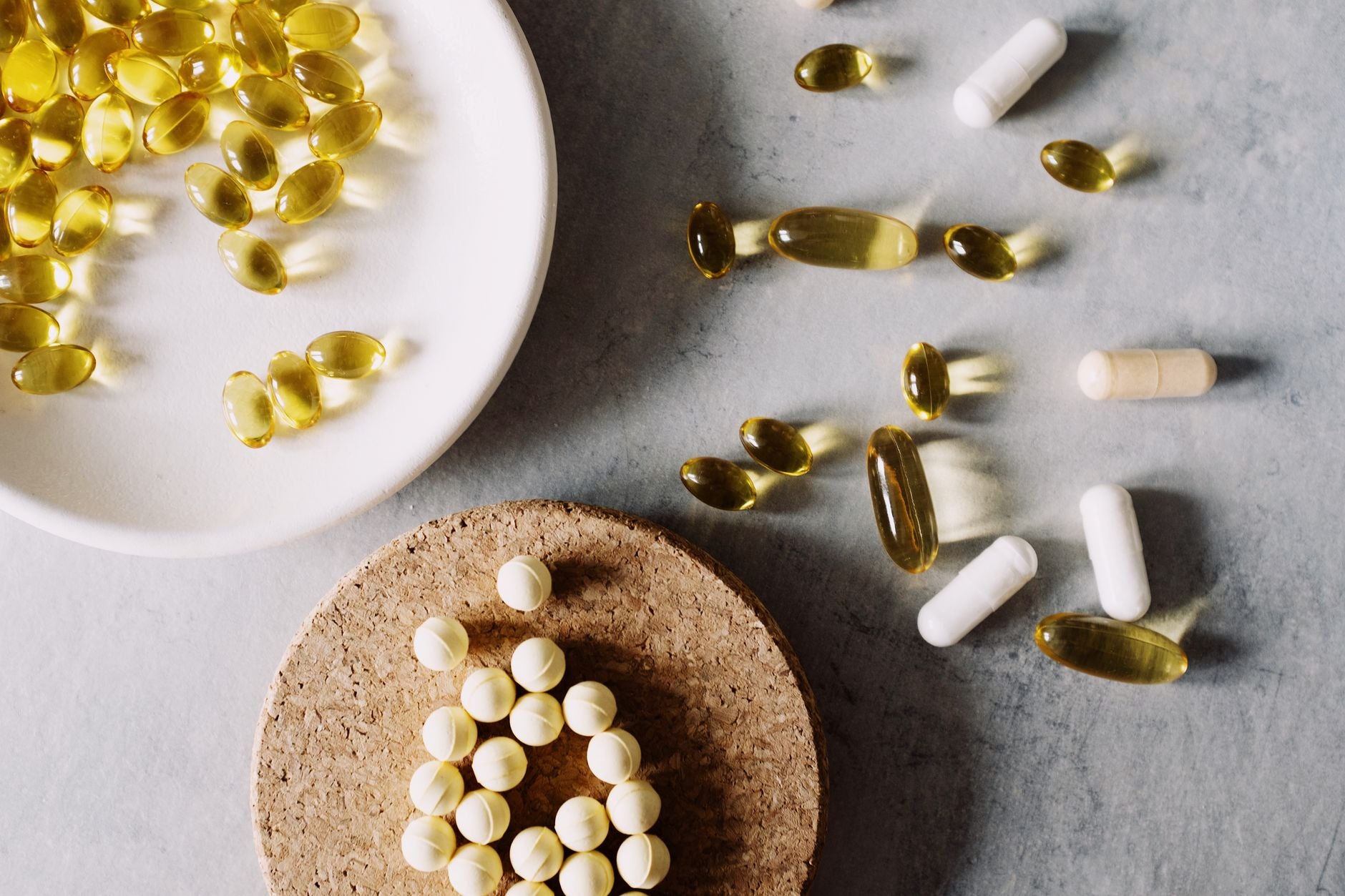
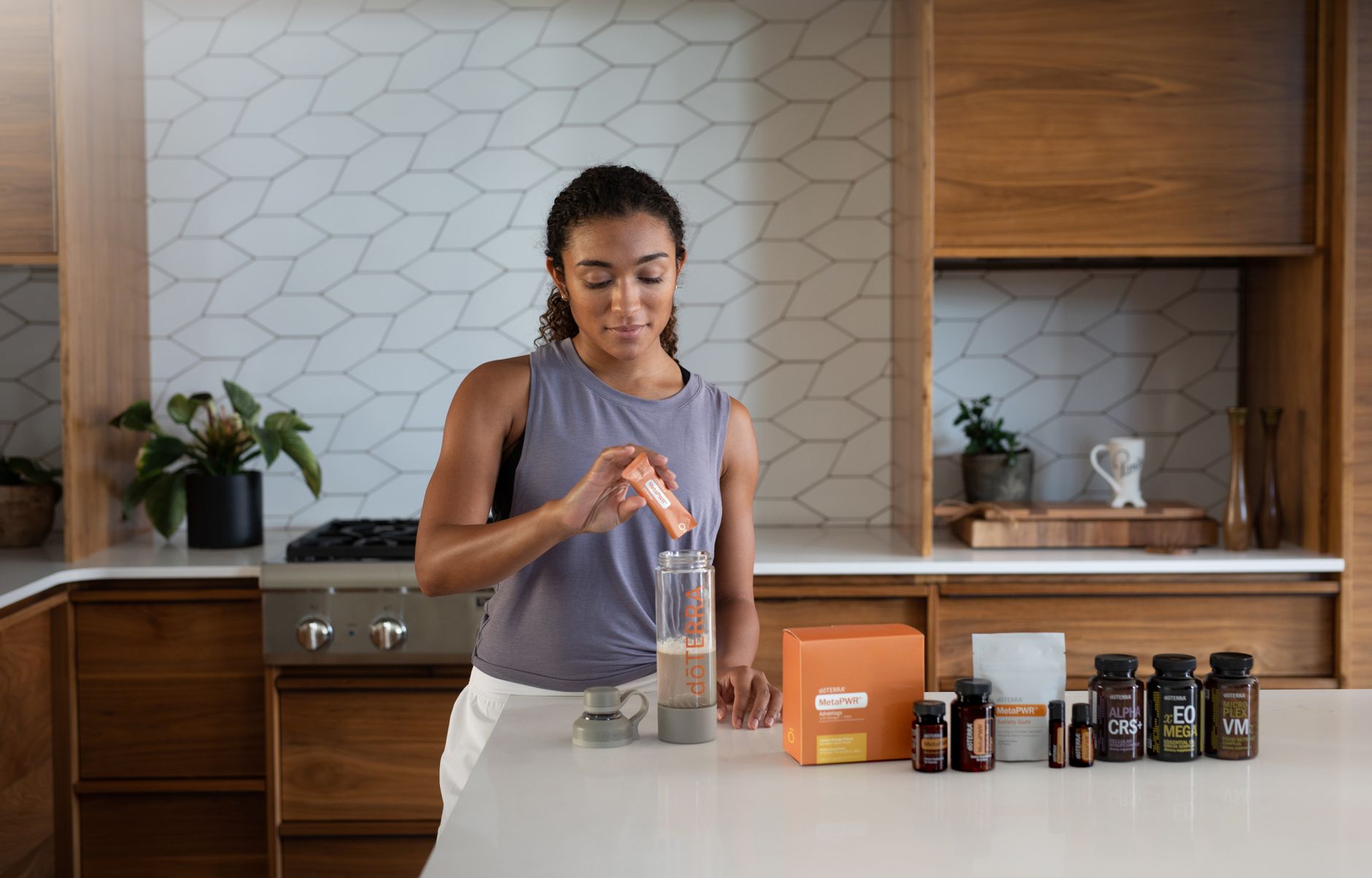

Leave a comment
All comments are moderated before being published.
This site is protected by hCaptcha and the hCaptcha Privacy Policy and Terms of Service apply.