




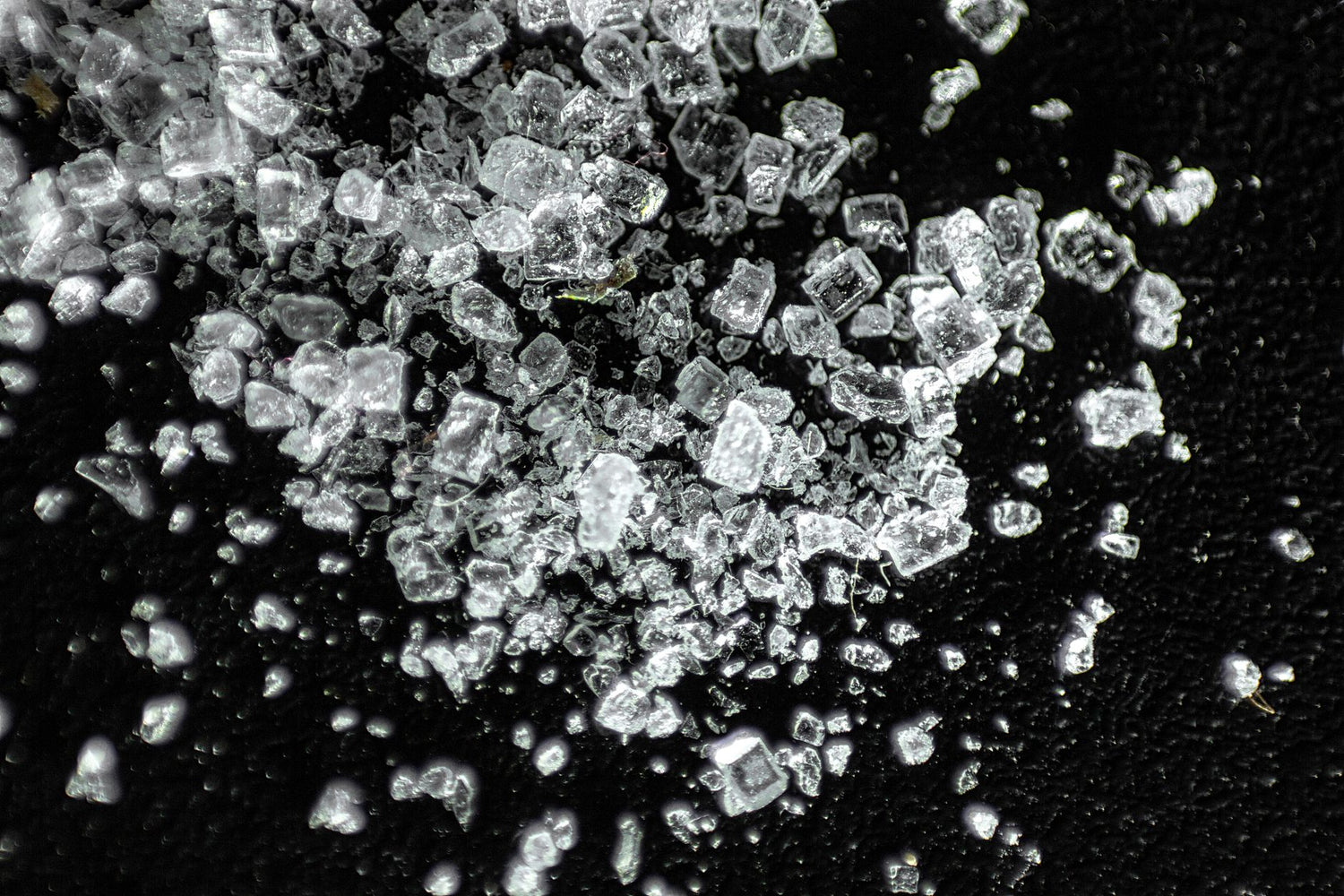
Magnesium Glycinate: Why the Form You Choose Matters More Than the Dose
Magnesium glycinate outperforms cheaper alternatives like magnesium oxide by roughly ten-fold in absorption studies — yet most supplement guides lump all forms together as if they're interchangeable. They aren't. Each chelate steers magnesium toward different tissues and outcomes, and the wrong choice means paying for a benefit you'll never notice.
This article, updated for 2026, maps the five most common magnesium forms to specific use cases using published bioavailability data — and explains the dosage maths that supplement labels routinely obscure. If your goal is better sleep, less muscle tension, or calmer evenings, here's how to choose well.
What Is Magnesium Glycinate, Exactly?
Magnesium glycinate (also called magnesium bisglycinate) is an organic salt in which a magnesium ion bonds to two molecules of glycine. This chelation does two useful things simultaneously.
First, it shields the magnesium from phytic acid and other gut compounds that normally block absorption. Second, it delivers glycine — a conditionally essential amino acid that doubles as an inhibitory neurotransmitter.
The practical result is a magnesium form that is highly bioavailable, gentle on the stomach, and particularly well-suited for relaxation and sleep support.* Unlike magnesium oxide (which delivers roughly 4% of its elemental magnesium to the bloodstream), glycinate is tolerated well even at higher doses.
How the Five Main Magnesium Forms Compare
Not all magnesium supplements are created equal. The table below compares the five forms you're most likely to find on UK shelves in 2026, ranked by relative bioavailability and matched to their strongest use case.
| Form | Bound To | Relative Bioavailability | Best Use Case | Common Downside |
|---|---|---|---|---|
| Magnesium Glycinate | Glycine | High | Sleep, relaxation, anxiety support* | Larger capsule/dose needed for elemental Mg |
| Magnesium Threonate | Threonic acid | High (CNS-targeted) | Cognitive function, memory* | Expensive; limited human trials |
| Magnesium Citrate | Citric acid | Moderate–High | General deficiency, constipation | Laxative effect at higher doses |
| Magnesium Taurate | Taurine | Moderate–High | Cardiovascular support* | Less widely available |
| Magnesium Oxide | Oxygen | Low (~4%) | Laxative, antacid | Poor systemic absorption |
The blunt summary: if your primary goal is better sleep or calmer evenings, magnesium glycinate wins by a comfortable margin. If you're after cognitive support, threonate has intriguing early data. And if you're correcting a deficiency on a budget, citrate offers solid middle ground — just brace for its digestive personality.
Why Magnesium Glycinate Is Favoured for Sleep and Relaxation
Magnesium glycinate may support sleep quality through two complementary mechanisms that no other form replicates.* First, magnesium itself regulates the parasympathetic nervous system and modulates GABA-A receptors — the same receptors targeted by many prescription sleep aids.
Second, the glycine component has been shown in small clinical trials to lower core body temperature at night. That temperature drop is a key physiological trigger for sleep onset — and it's the reason glycinate edges ahead of citrate or taurate for bedtime use.
A 2012 double-blind trial in the Journal of Research in Medical Sciences found that 500 mg of magnesium daily for eight weeks significantly improved subjective sleep quality, total sleep time, and serum melatonin levels in elderly participants with insomnia (Abbasi et al., 2012).* While that study used a different salt form, the evidence supports magnesium's systemic role in sleep — and glycinate's superior absorption means more mineral reaches the relevant receptors.
Separately, research published in the Journal of Pharmacological Sciences found that 3 g of glycine before bed improved subjective sleep quality and reduced next-day sleepiness in participants with mild sleep complaints (Bannai & Kawai, 2012).* With magnesium glycinate, you get both compounds in a single ingredient.
"Choosing magnesium oxide over glycinate for sleep is like choosing a dripping tap over a glass of water — technically both deliver H₂O, but only one does the job efficiently."
Magnesium Glycinate Dosage: The Maths Most Labels Hide
The UK Nutrient Reference Value (NRV) for magnesium is 375 mg per day. But population surveys consistently show many of us fall short. Data from the National Diet and Nutrition Survey indicates that around 20% of UK women aged 19–64 consume less than the Lower Reference Nutrient Intake for magnesium.
Here's where labels get slippery. When reading supplement packaging, you must distinguish between the total weight of magnesium glycinate and the elemental magnesium it delivers:
- Magnesium glycinate is roughly 14% elemental magnesium by weight
- A supplement listing "1,000 mg magnesium glycinate" provides approximately 140 mg of actual magnesium
- To hit 300 mg of elemental magnesium from glycinate alone, you'd need around 2,140 mg of the compound
Most clinical studies use 200–400 mg of elemental magnesium daily, typically split into two doses or taken as a single evening dose. Start at the lower end — especially if you're new to magnesium — and increase gradually.
Consult your GP if you take medication for blood pressure or kidney conditions, as magnesium can interact with certain prescriptions.
Magnesium Glycinate vs. Citrate: Which Should You Choose?
This is the most common comparison, and the answer maps cleanly to your primary goal.
Choose magnesium glycinate if:
- Your primary goal is better sleep or nighttime relaxation*
- You have a sensitive stomach or are prone to digestive issues
- You want the added calming benefits of glycine*
- You plan to supplement daily without worrying about laxative effects
Choose magnesium citrate if:
- You want to address general magnesium deficiency quickly
- You experience occasional constipation (citrate's osmotic effect can help)
- Budget is a primary concern — citrate is typically cheaper per serving
Both forms dramatically outperform magnesium oxide. But glycinate's gentleness and its dual-action mechanism (magnesium + glycine) make it the stronger option for anyone focused on sleep, stress, and evening wind-down routines.*
Potential Side Effects and Who Should Be Cautious
Magnesium glycinate is one of the best-tolerated magnesium forms available. Side effects are uncommon at recommended doses but can include mild drowsiness (which, for evening use, is arguably a feature), nausea, or soft stools.
Speak to a healthcare provider before supplementing if you:
- Have chronic kidney disease (your kidneys regulate magnesium excretion)
- Take blood pressure medications, antibiotics, or bisphosphonates
- Are pregnant or breastfeeding
- Take other supplements containing magnesium (the European Food Safety Authority sets the tolerable upper limit at 400 mg elemental magnesium from supplements alone)
Building a Sleep Stack Around Magnesium Glycinate
Magnesium glycinate works well alone, but the sleep research increasingly points toward multi-pathway approaches. Sleep quality depends on managing stress hormones, neurotransmitter balance, and mineral status simultaneously — and a single ingredient only addresses one piece of that puzzle.
Ingredients with complementary evidence include:
- Ashwagandha — a 2019 meta-analysis in PLOS One found it significantly reduced cortisol and improved stress assessment scores*
- L-theanine (150–200 mg) — may promote alpha brainwave activity associated with relaxed wakefulness*
- Passion flower — traditionally used as a mild anxiolytic, with small trials supporting improved subjective sleep quality*
- Montmorency cherry — naturally rich in melatonin precursors and anthocyanins*
Noobru Lucid combines magnesium glycinate with all four of these ingredients in a drinkable sachet format. The liquid format offers a practical advantage: it bypasses the tablet-dissolution step, meaning ingredients reach your digestive tract faster. Every dose is listed on the label — no proprietary blends, no "fairy-dusting."*
For those whose poor sleep connects to daytime stress and burnout, Noobru Pro takes a complementary morning approach — pairing Rhodiola Rosea (studied for reducing mental fatigue) with Acetyl L-Carnitine and phosphatidylserine for sustained energy without the crash.* The two formulas pair well as a morning-and-evening routine.
Key Takeaways
- Magnesium glycinate is the top choice for sleep and relaxation support — a highly bioavailable, gentle form bound to the calming amino acid glycine.*
- Oxide is not a substitute. Magnesium oxide delivers roughly 4% bioavailability; glycinate and citrate are dramatically better absorbed, but glycinate avoids the laxative effect.
- Read labels carefully. The UK NRV is 375 mg/day. "1,000 mg magnesium glycinate" on a label means only ~140 mg of actual magnesium. Aim for 200–400 mg elemental.
- Multi-ingredient stacks outperform solo supplements when sleep is the goal — combining magnesium with adaptogens and calming amino acids addresses more of the problem.*
- Always check with your GP before supplementing if you have kidney conditions or take prescription medication.
Frequently Asked Questions
What is magnesium glycinate best used for?
Magnesium glycinate is best suited for supporting sleep quality, relaxation, and nighttime muscle recovery.* The glycine it's bound to has independent calming properties, making this form particularly well-suited for evening use.
How much magnesium glycinate should I take daily?
Most clinical studies use between 200–400 mg of elemental magnesium daily. The UK Nutrient Reference Value is 375 mg. Start at the lower end and adjust, ideally with guidance from your GP or a registered nutritionist.
Can I take magnesium glycinate every day?
Yes, magnesium glycinate is generally well tolerated for daily use. Unlike magnesium citrate or oxide, glycinate rarely causes digestive discomfort, making it one of the safest forms for long-term supplementation.
What is the difference between magnesium glycinate and magnesium citrate?
Magnesium glycinate is bound to the amino acid glycine and is optimised for calm, sleep, and gentle absorption. Magnesium citrate is bound to citric acid, absorbs reasonably well but has a mild laxative effect, making it better suited for digestive regularity than relaxation.
Does magnesium glycinate help with anxiety?
Preliminary research suggests magnesium may help support a healthy stress response and reduce subjective anxiety, particularly in people with low magnesium status. Glycinate's additional glycine component may further support calming neurotransmitter activity.* Always consult a healthcare provider for persistent anxiety.
Ready to put this research into practice? Noobru Lucid combines magnesium glycinate with ashwagandha, L-theanine, passion flower, and Montmorency cherry in a drinkable evening sachet — designed to support deep, restorative sleep without next-day grogginess.*
Try Noobru risk-free with our 90-day money-back guarantee →References
- Abbasi B, Kimiagar M, Sadeghniiat K, et al. The effect of magnesium supplementation on primary insomnia in elderly: A double-blind placebo-controlled clinical trial. Journal of Research in Medical Sciences. 2012;17(12):1161–1169. PubMed
- Bannai M, Kawai N. New therapeutic strategy for amino acid medicine: glycine improves the quality of sleep. Journal of Pharmacological Sciences. 2012;118(2):145–148. PubMed
- Stress management and the role of Rhodiola rosea: a review. Phytomedicine. PubMed
- Taurine Regulation of Neuroendocrine Function. Advances in Experimental Medicine and Biology.
- National Diet and Nutrition Survey: results from Years 9 to 11 (combined). GOV.UK
*These statements have not been evaluated by the Food and Drug Administration or MHRA. This product is not intended to diagnose, treat, cure, or prevent any disease. Always consult your healthcare provider before starting any supplement regimen.

Leave a comment
All comments are moderated before being published.
This site is protected by hCaptcha and the hCaptcha Privacy Policy and Terms of Service apply.