




Perfect Supplements Collagen: What the Evidence Actually Says About Collagen vs. Whole-Body Approaches
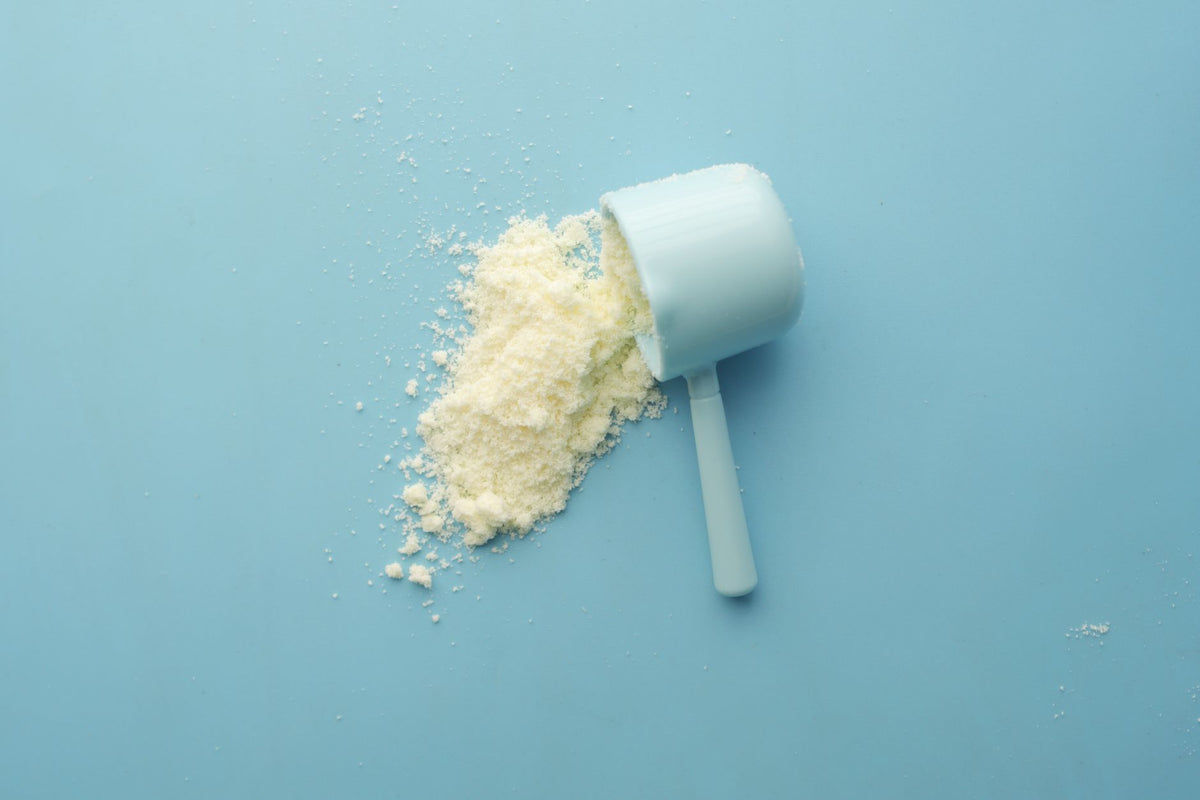
Perfect Supplements collagen is a grass-fed, hydrolysed collagen powder that has built a loyal following among clean-supplement enthusiasts. But the question most buyers should be asking isn't "Is this a good collagen?" — it's "Is collagen alone the right tool for what I'm actually trying to fix?"
When you map the clinical evidence for collagen peptides against multi-compound formulas targeting skin, joints, stress, immunity, and cognition, a more nuanced picture emerges. Collagen does some things well, but it leaves significant gaps that a systems-based approach can fill.
In this article, our Noobru editorial team breaks down what Perfect Supplements collagen actually offers, where collagen science stands in 2026, and where you may get better returns from a broader supplementation strategy.
Key Takeaways
- Perfect Supplements collagen is a clean, single-ingredient collagen supplement UK buyers can trust for purity — but purity alone doesn't equal effectiveness.
- Collagen peptides have moderate evidence for skin hydration, elasticity, and joint comfort at 5–15g/day.*
- Collagen has no meaningful evidence for cognitive function, stress management, energy, or immune support.
- Most adults over 25 are dealing with overlapping concerns — brain fog, fatigue, stress, immunity — that collagen alone cannot address.
- A multi-compound approach using ingredients like rhodiola rosea, L-theanine, and vitamin C may deliver broader, more measurable outcomes.*
- Drinkable supplement formats generally offer superior absorption compared to tablets and capsules.
What Is Perfect Supplements Collagen?
Perfect Supplements collagen is a single-ingredient powder made from the hides of grass-fed, pasture-raised cattle. It contains hydrolysed collagen peptides — meaning the protein chains have been enzymatically broken down into smaller fragments (typically 2,000–5,000 daltons) for improved absorption.
The brand positions itself on purity: no additives, no fillers, no artificial ingredients. This is a reasonable selling point. Many collagen supplements on the UK market contain added sugars, flavourings, or unnecessary bulking agents.
However, "clean" and "effective" are two different standards. To judge whether this product — or any grass-fed collagen powder — deserves a place in your daily routine, you need to examine what the research actually supports.
What Collagen Peptides Can (and Can't) Do: The 2026 Evidence
Collagen is the most abundant protein in the human body, making up roughly 30% of total protein mass. It provides structural support to skin, tendons, ligaments, bones, and cartilage.
After age 25, endogenous collagen production declines by approximately 1–1.5% per year, according to research published in the Journal of the Mechanical Behavior of Biomedical Materials. This contributes to visible skin ageing, joint stiffness, and reduced connective tissue resilience.
Where collagen evidence is reasonably strong
- Skin hydration and elasticity: A 2019 meta-analysis of 11 RCTs (n=805) published in the Journal of Drugs in Dermatology found that hydrolysed collagen supplementation (2.5–10g/day for 4–12 weeks) significantly improved skin hydration, elasticity, and wrinkle depth versus placebo.*
- Joint comfort: A 2018 systematic review in the British Journal of Sports Medicine reported that collagen hydrolysate at 10g/day for 12–24 weeks may help reduce joint pain in osteoarthritis patients and athletes.*
- Bone mineral density: Early research suggests 5g/day of specific collagen peptides over 12 months may help support bone mineral density in postmenopausal women, though this data remains limited.*
Where collagen evidence is weak or absent
- Cognitive function: No well-designed human trials show that collagen peptides improve memory, focus, or brain fog.
- Stress and cortisol management: Collagen contains no adaptogenic compounds and has no mechanism for modulating the HPA axis.
- Immune function: While glycine (a key amino acid in collagen) has mild anti-inflammatory properties, collagen is not a meaningful tool for immune support.
- Energy and fatigue: Collagen has no established effect on sustained energy or mitochondrial function.
The Gap Most Collagen Users Don't See
Here's the uncomfortable truth: most adults searching for a collagen supplement UK retailers stock are experiencing far more than one concern. They notice their skin losing firmness, yes — but they're also battling afternoon energy crashes, difficulty concentrating, poor sleep, or mounting stress.
Collagen addresses the first concern modestly. It addresses none of the others.
This is the fundamental limitation of single-ingredient supplementation: it treats one symptom while ignoring the interconnected systems that drive how you look, feel, and perform.
Consider what the research supports for these overlapping concerns:
| Concern | What collagen offers | What evidence-based alternatives offer |
|---|---|---|
| Skin ageing | Moderate evidence for hydration and elasticity* | Vitamin C (cofactor for endogenous collagen synthesis), vitamin E, antioxidants* |
| Brain fog / focus | No evidence | Phosphatidylserine, L-theanine, huperzine A — moderate-to-strong evidence for attention and memory* |
| Stress / burnout | No evidence | Rhodiola rosea, ashwagandha — strong evidence for HPA axis modulation and cortisol reduction* |
| Immune resilience | Minimal (glycine only) | Vitamin C (1000mg), elderberry, echinacea, zinc — moderate evidence* |
| Energy and fatigue | No evidence | Acetyl L-carnitine, B vitamins, panax ginseng — moderate evidence for sustained energy* |
The takeaway isn't that collagen is useless. It has genuine, if modest, benefits for skin and joints. The takeaway is that most people would benefit more from a multi-targeted approach that addresses the root drivers of how they feel day to day.
Why Absorption Format Matters More Than Ingredient Purity
Perfect Supplements collagen is a powder you mix into liquid — and this is actually one of its strengths. Drinkable formats generally offer superior bioavailability compared to tablets or capsules, particularly for peptides and amino acids that benefit from dissolution before reaching the stomach.
Research from the European Journal of Clinical Nutrition confirms that liquid delivery systems can improve absorption rates for water-soluble nutrients by reducing the disintegration barrier that tablets and capsules face.
This same principle applies across all supplementation. Drinkable formats allow for higher doses of active ingredients without the binders, fillers, and coatings that tablets require.
It's one reason why Noobru formulates all products as single-serve drinkable sachets. The format isn't just convenient — it's a deliberate choice for better nutrient delivery when you're dealing with compounds like phosphatidylserine (50mg in Noobru Advantage) or ashwagandha (1000mg across Noobru's formulas).
How a Multi-Compound Approach Compares to Collagen Alone
Noobru isn't a collagen supplement — and that's a strength rather than a limitation. Rather than targeting a single structural protein, Noobru products are built around clinically studied compounds that address the functional systems most adults struggle with: cognition, stress, energy, sleep, and immunity.
Here's how the Noobru range maps to concerns that collagen can't address:
For brain fog, memory, and focus
Noobru Advantage contains L-theanine (200mg), phosphatidylserine (50mg), ashwagandha (120mg), and huperzine A (200mcg).
L-theanine promotes alpha brain-wave activity associated with calm alertness, while phosphatidylserine may help support neurological function and stress response.* A 2014 review in Nutritional Neuroscience found phosphatidylserine supplementation was associated with improved memory performance in older adults.*
For stress, burnout, and sustained energy
Noobru Pro includes rhodiola rosea (200mg) — which research associates with significant reductions in mental fatigue and improved short-term memory* — alongside acetyl L-carnitine (500mg) for mitochondrial energy support.*
A 2012 review published in Phytomedicine (PubMed 22228617) concluded that rhodiola rosea demonstrated "beneficial effects on physical and cognitive performance under stress conditions." Collagen offers nothing comparable.
For immune resilience
Noobru Shield delivers 1000mg vitamin C, organic elderberry (50mg), echinacea, and zinc — compounds with a meaningful evidence base for immune function.* A 2017 review in Nutrients (PubMed 29099763) confirmed vitamin C's role in supporting both innate and adaptive immunity.*
Vitamin C is also an essential cofactor for your body's own collagen synthesis. This means it may help support skin health from the inside out — without requiring an external collagen source.*
Practical Advice: Building a Smarter Supplement Stack
If you're evaluating whether to buy Perfect Supplements collagen — or any collagen supplement UK retailers stock — here's a framework for making a more informed decision:
- Identify your primary concern. If it's skin elasticity or joint comfort, collagen has reasonable evidence at 5–10g/day. If it's cognitive sharpness, stress, sleep, or immunity, look elsewhere.
- Check the dose. Many collagen products under-dose. Look for at least 5g of hydrolysed collagen peptides per serving for skin and 10g for joints.
- Don't neglect cofactors. Your body needs vitamin C, zinc, and copper to synthesise its own collagen. Without these, even a premium collagen supplement works less efficiently.
- Consider what collagen leaves out. If you're spending £30–50/month on collagen alone, ask whether that budget could address a wider range of health concerns through a more comprehensive formula.
- Favour drinkable formats. Both for collagen and other supplements, liquid delivery generally offers better absorption than tablets.
One sentence to remember: "A £40 collagen tub addresses one concern; a well-formulated multi-compound sachet can address five."
Frequently Asked Questions
Is Perfect Supplements collagen worth buying?
Perfect Supplements collagen is a whole-food, grass-fed collagen powder with a clean ingredient profile. Whether it's worth buying depends on your primary goal — collagen may help support skin elasticity and joint comfort,* but it won't address cognitive decline, stress, or immune function, which require different compounds.
How long does collagen take to work?
Most clinical trials report measurable changes in skin hydration after 4–8 weeks and joint comfort improvements after 8–12 weeks of daily use. Individual results vary depending on dosage, absorption, and baseline health.
Can you take collagen and nootropics together?
Yes. Collagen peptides and nootropic compounds like L-theanine, ashwagandha, or phosphatidylserine target different biological systems and are generally considered safe to combine. Always check with your healthcare provider if you take prescription medications.
What is the best dose of collagen per day?
Research supports 2.5–15g of hydrolysed collagen peptides daily, depending on the goal. Skin benefits have been observed at 2.5–5g, while joint and bone outcomes typically require 10–15g per day.
Does collagen help with brain fog or mental clarity?
There is no strong clinical evidence that collagen supplements improve cognitive function, reduce brain fog, or support mental clarity. Compounds like phosphatidylserine, L-theanine, and B vitamins have a more established evidence base for cognitive support.*
If you're ready to go beyond single-ingredient supplementation and address what's actually driving brain fog, stress, or low energy, explore the full Noobru range — every formula is fully dosed, transparently labelled, and delivered in a drinkable format for maximum absorption.*
Try Noobru risk-free with our 90-day money-back guarantee →References
- Cheng, C. E., et al. (2019). "Oral supplementation with specific bioactive collagen peptides improves skin elasticity and hydration." Journal of Drugs in Dermatology, 18(1). PubMed
- Carr, A. C. & Maggini, S. (2017). "Vitamin C and Immune Function." Nutrients, 9(11), 1211. PubMed
- Hawkins, J., et al. (2020). "Fructans as Immunomodulatory and Antiviral Agents: The Case of Echinacea." Biomolecules, 10(4), 531. PubMed
- Hung, S. K., et al. (2012). "Stress management and the role of Rhodiola rosea: a review." Phytomedicine, 19(11). PubMed
- Xu, J., et al. (2015). "Cerebral deficiency of vitamin B5 as a potentially-reversible cause of neurodegeneration." Biochemical and Biophysical Research Communications, 470(1). PubMed
*These statements have not been evaluated by the Food and Drug Administration or MHRA. This product is not intended to diagnose, treat, cure, or prevent any disease. Always consult your healthcare provider before starting any supplement regimen.

Leave a comment
All comments are moderated before being published.
This site is protected by hCaptcha and the hCaptcha Privacy Policy and Terms of Service apply.