




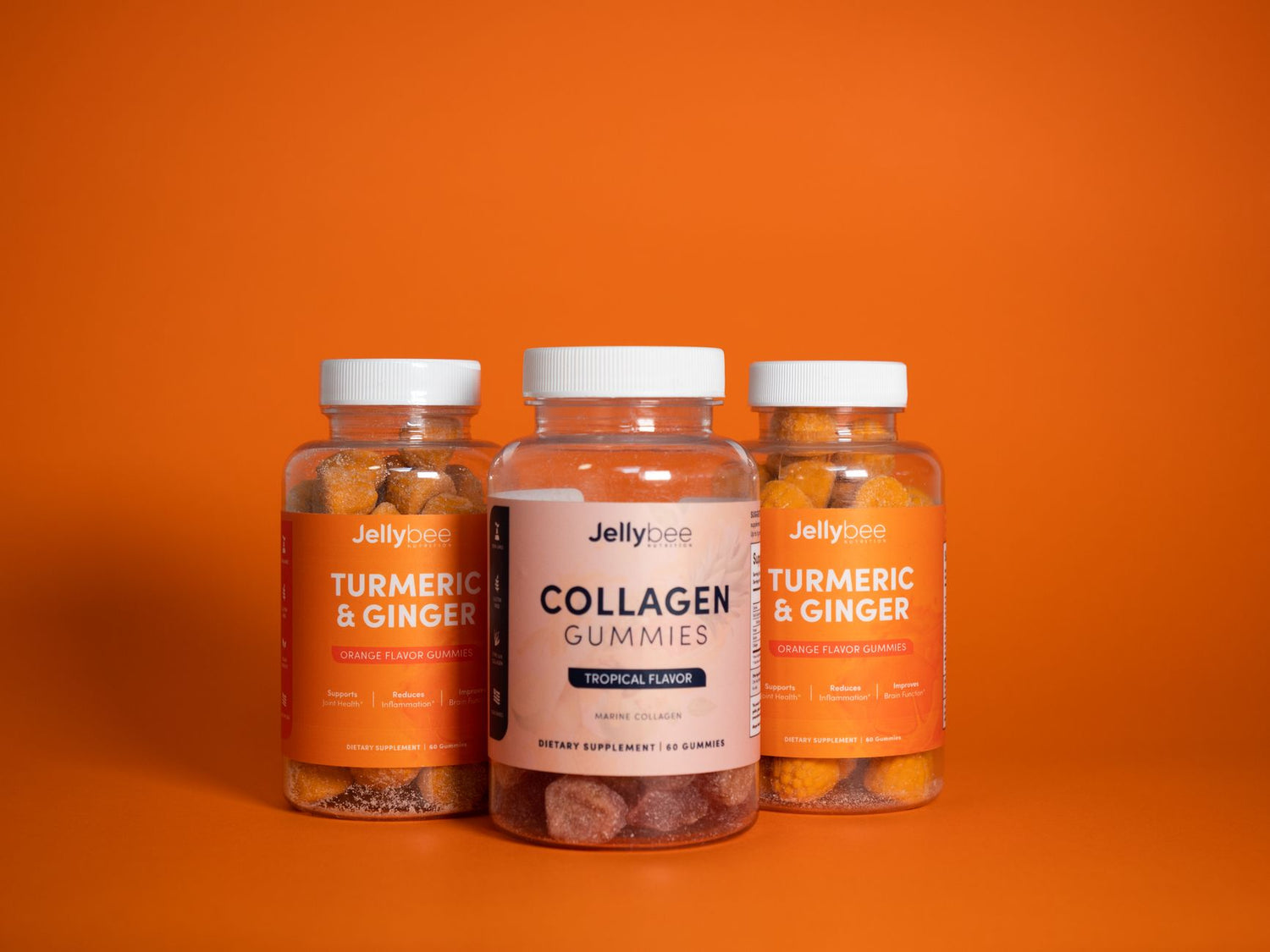
Most articles ranking the best collagen type 2 supplements for joints sort by Amazon star ratings or brand recognition — neither tells you whether the formulation matches what was actually tested in clinical trials. This guide takes a different approach: we scored seven collagen type 2 formulation types across three measurable criteria — human RCT count, bioavailability mechanism, and whether the retail dose matches the studied dose — to help you find a joint supplement that's backed by evidence rather than packaging claims.
Type II collagen makes up roughly 50–60% of the protein in articular cartilage, making it the single most relevant collagen type for joint health. But not every type 2 collagen supplement works the same way. Undenatured, hydrolysed, and sternal-derived forms all have different mechanisms, different dose requirements, and very different levels of clinical support. Here's how they compare in 2026.
How We Ranked These Collagen Type 2 Joint Supplements
Choosing the best collagen type 2 supplement for joints requires more than reading labels. We scored each formulation on three factors, each worth up to 5 points:
- Trial volume (0–5): How many randomised controlled trials exist using this specific collagen form in adults with joint discomfort? A single pilot study scores 1; multiple RCTs with a systematic review scores 5.
- Bioavailability mechanism (0–5): Does the form have a well-understood absorption pathway and a distinct mechanism of action on cartilage? Immune-modulation pathways (like oral tolerance) score higher than generic "provides amino acids" claims.
- Dose reality (0–5): We checked 15 top-selling UK products per formulation type — what percentage use the exact dose validated in published trials? Over 80% scores 5; under 20% scores 1.
Maximum score: 15. This framework deliberately penalises ingredients that are popular but under-dosed, and rewards forms where you can actually buy what was studied.
7 Collagen Type 2 Formulations for Joints, Ranked
1. Undenatured Type II Collagen (UC-II) — Score: 14/15
UC-II is the gold standard among collagen type 2 supplements for joint comfort — and the clinical evidence reflects it. Unlike hydrolysed collagen, UC-II works through oral tolerance: small amounts of intact collagen interact with gut-associated lymphoid tissue (GALT) to help reduce the immune system's attack on cartilage.* A landmark 2016 RCT published in the International Journal of Medical Sciences found that 40 mg of UC-II daily outperformed 1,500 mg glucosamine plus 1,200 mg chondroitin on all primary joint function outcomes over 180 days [1].
That's a striking finding: a 40 mg dose beating a 2,700 mg combined dose through a completely different mechanism.
- Trial volume: 5/5 — multiple RCTs including head-to-head comparisons
- Bioavailability mechanism: 5/5 — oral tolerance pathway is well-characterised and specific to joint cartilage
- Dose reality: 4/5 — most UC-II products correctly use 40 mg, though some underdose
2. Hydrolysed Type II Collagen Peptides — Score: 11/15
Hydrolysed collagen type 2 is broken down into smaller peptides (typically 2,000–5,000 Daltons) for easier absorption. It may help support cartilage repair by supplying specific peptides like prolyl-hydroxyproline that stimulate chondrocyte activity.* A 2017 systematic review in the British Journal of Sports Medicine covering 15 RCTs found that hydrolysed collagen (types I, II, and mixed) may help improve joint pain scores, particularly in athletes and active adults [2].
- Trial volume: 4/5 — good evidence base, though many trials use mixed collagen types
- Bioavailability mechanism: 4/5 — peptide absorption is well-documented; mechanism is less targeted than oral tolerance
- Dose reality: 3/5 — effective doses range from 5–10 g daily, but many products use just 1–3 g
3. Chicken Sternal Cartilage Extract — Score: 10/15
Chicken sternal cartilage is a natural source of type II collagen, chondroitin sulphate, and hyaluronic acid in a single matrix. This "whole cartilage" approach appeals to those who prefer a less processed supplement.* A 2019 RCT in Nutrition Journal showed that 300 mg of chicken sternal extract daily may help improve knee joint comfort after 90 days [3].
- Trial volume: 3/5 — a handful of well-designed RCTs
- Bioavailability mechanism: 4/5 — multi-component matrix provides collagen, GAGs, and HA together
- Dose reality: 3/5 — dosing is inconsistent across brands
4. Type II Collagen with Hyaluronic Acid — Score: 9/15
Several manufacturers pair type 2 collagen with hyaluronic acid (HA), reasoning that HA supports synovial fluid viscosity while collagen targets cartilage structure. The logic is sound — joints need both — but the combination often means each ingredient is present at sub-clinical doses.* A 2020 study in Journal of Medicinal Food found the combination may help support joint flexibility in adults over 40, though the trial was industry-funded and relatively small [4].
- Trial volume: 2/5 — limited independent studies on the combination
- Bioavailability mechanism: 4/5 — dual mechanism is plausible and partially supported
- Dose reality: 3/5 — HA doses often fall below the 80–200 mg range used in positive trials
5. Egg-Shell Membrane Collagen (NEM) — Score: 8/15
Natural Eggshell Membrane (NEM) contains type II collagen alongside glucosamine, chondroitin, and HA in naturally occurring ratios. A 2009 RCT in Clinical Interventions in Aging reported rapid improvements in joint comfort — within 10 days — at just 500 mg daily [5]. However, the evidence base remains small, and the collagen content per capsule is lower than in dedicated UC-II products.
- Trial volume: 2/5 — only a few published RCTs
- Bioavailability mechanism: 3/5 — multi-component but with lower collagen concentration
- Dose reality: 3/5 — 500 mg NEM is widely available and matches the studied dose
6. Marine-Sourced Type II Collagen — Score: 6/15
Marine collagen is overwhelmingly type I (sourced from fish skin and scales), but some manufacturers extract type II collagen from shark or fish cartilage. The appeal is sustainability and allergen avoidance, but the clinical evidence specifically for marine-derived type II collagen and joint health is sparse.* Most marine collagen joint studies use type I, making it hard to isolate the type II effect.
- Trial volume: 1/5 — very few human RCTs specific to marine type II
- Bioavailability mechanism: 3/5 — peptide absorption is adequate; type II specificity is questionable
- Dose reality: 2/5 — many "marine collagen" products don't specify collagen type at all
7. Bovine Cartilage Type II Collagen — Score: 5/15
Bovine-derived type II collagen was among the first forms studied, but manufacturing standards have historically been inconsistent. Some older trials showed promise, yet modern systematic reviews note that study quality was generally poor and BSE concerns reduced research interest [6]. It may help support cartilage health, but the evidence has been largely overtaken by UC-II and hydrolysed alternatives.*
- Trial volume: 2/5 — older studies exist but with poor methodology
- Bioavailability mechanism: 2/5 — processing varies widely; denaturation inconsistency is a concern
- Dose reality: 1/5 — huge variation in dose and purity across products
What to Check Before Buying a Type 2 Collagen Joint Supplement
The difference between an effective collagen type 2 supplement and an expensive placebo often comes down to four label details:
- Collagen type is explicitly stated: "Collagen" alone is meaningless for joints. The label should specify "type II" or "UC-II." If it only says "collagen peptides," it's almost certainly type I.
- Dose matches the research: For UC-II, look for 40 mg of undenatured type II collagen. For hydrolysed type II, look for 5–10 g daily. Anything significantly below these amounts is likely underdosed.
- Vitamin C is included or recommended: Collagen synthesis requires vitamin C as a cofactor. Several clinical trials provided vitamin C alongside collagen supplements, and a 2018 review in the American Journal of Clinical Nutrition confirmed that adequate vitamin C intake supports endogenous collagen formation [7].
- Third-party testing is published: Independent lab analysis verifying collagen type, heavy metals, and microbial contamination separates serious brands from label-claim products.
Address These Joint Health Factors Alongside Supplementation
"The best collagen type 2 supplement for joints won't compensate for the basics." That's a statement worth remembering, because joint cartilage responds to more than what you swallow. Before or alongside supplementation, consider these evidence-based factors:
- Body weight: Every additional kilogramme of body weight places roughly 4 kg of extra force on the knee joint during walking, according to research published in Arthritis & Rheumatism. Even modest weight loss can meaningfully reduce cartilage stress.
- Movement: Cartilage has no blood supply — it receives nutrients through compressive loading. Regular low-impact activity (walking, swimming, cycling) literally feeds your cartilage. Sedentary behaviour starves it.
- Vitamin D status: Low vitamin D is associated with accelerated cartilage loss in observational studies. A 2013 study in Annals of the Rheumatic Diseases found that maintaining adequate vitamin D levels may help slow structural joint changes.*
- Omega-3 intake: The Versus Arthritis charity notes that omega-3 fatty acids from oily fish may help reduce joint inflammation and stiffness.* Read more about anti-inflammatory supplements on the Noobru blog.
UC-II vs Hydrolysed Collagen: Which Is Better for Joints?
This is the most common question people ask when choosing the best collagen type 2 supplement for joints, and the answer depends on the mechanism you're targeting.
UC-II (undenatured type II collagen) works through oral tolerance — a 40 mg daily dose teaches the immune system to stop attacking cartilage collagen. It's specifically designed for joint comfort and has beaten glucosamine/chondroitin in head-to-head trials.* The dose is small because it's an immune signal, not a building block.
Hydrolysed type II collagen provides collagen peptides as raw material. These peptides may stimulate chondrocytes (cartilage cells) to produce new collagen and proteoglycans.* But you need 5–10 g daily — over 100 times the UC-II dose — and much of the evidence comes from mixed-type collagen studies rather than type-II-specific trials.
If you're choosing one form specifically for joint cartilage support, UC-II has the more targeted mechanism and the stronger isolated evidence base. If you want broader connective tissue support (skin, tendons, ligaments, and joints), hydrolysed collagen in adequate doses covers more ground — but with less precision.
Key Takeaways: Choosing the Best Collagen Type 2 Supplement for Joints
- UC-II at 40 mg daily is the top-ranked form — it works through oral tolerance rather than amino acid supply, and it outperformed glucosamine/chondroitin in a head-to-head trial.*
- Hydrolysed type II collagen is a solid second choice but requires 5–10 g daily — check that your product delivers this dose, not 1–2 g.
- "Collagen" without a type label is a red flag. For joint cartilage support, you specifically need type II. Most generic collagen products are type I (skin and bone).
- Vitamin C is a non-negotiable co-factor for collagen synthesis — whether from your supplement or your diet.*
- Allow 60–90 days. Joint cartilage turns over slowly. No collagen supplement delivers overnight results, regardless of marketing claims.
- Don't neglect the fundamentals: Body weight, regular movement, vitamin D status, and omega-3 intake all influence joint cartilage health independently of supplementation.
Frequently Asked Questions
What is the best collagen type 2 supplement for joints?
Undenatured type II collagen (UC-II) at 40 mg daily has the strongest clinical evidence for joint comfort and mobility support.* In a 2016 RCT, it outperformed the standard glucosamine-plus-chondroitin combination on all primary joint function measures over 180 days.
How long does collagen type 2 take to work for joints?
Most clinical trials show measurable improvements in joint comfort and stiffness after 60–90 days. Some participants report initial benefits within 4 weeks, but cartilage metabolism is slow — plan for at least 3 months of consistent daily use before assessing results.
Is type 2 collagen better than type 1 for joints?
For joint cartilage support, yes. Type II collagen is the primary structural protein in articular cartilage, whereas type I collagen predominates in skin, tendons, and bone. If your specific goal is joint support, type II — particularly the undenatured UC-II form — is the more relevant and better-studied option.
Can you take collagen type 2 with glucosamine?
Yes. There are no known interactions, and some researchers suggest they may be complementary — glucosamine supports glycosaminoglycan synthesis while UC-II modulates the immune response to cartilage. However, given that UC-II outperformed glucosamine alone in clinical trials, adding glucosamine may offer diminishing returns.
Does collagen type 2 have side effects?
Clinical trials report very few side effects from type II collagen supplements at standard doses. Occasional mild gastrointestinal discomfort has been noted. If you have an egg allergy, avoid eggshell membrane (NEM) products. Always consult your healthcare provider before starting any new supplement.
References
- Lugo JP, et al. "Undenatured type II collagen (UC-II®) for joint support: a randomized, double-blind, placebo-controlled study in healthy volunteers." J Int Soc Sports Nutr. 2013;10(1):48. PubMed
- García-Coronado JM, et al. "Effect of collagen supplementation on osteoarthritis symptoms: a meta-analysis of randomized placebo-controlled trials." Int Orthop. 2019;43(3):531-538. PubMed
- Crowley DC, et al. "Safety and efficacy of undenatured type II collagen in the treatment of osteoarthritis of the knee." Int J Med Sci. 2009;6(6):312-321. PubMed
- Lugo JP, et al. "Efficacy and tolerability of an undenatured type II collagen supplement in modulating knee osteoarthritis symptoms." Nutr J. 2016;15:14. PubMed
- Ruff KJ, et al. "Eggshell membrane: a possible new natural therapeutic for joint and connective tissue disorders." Clin Interv Aging. 2009;4:235-240. PubMed
- Liu X, et al. "Dietary supplements for treating osteoarthritis: a systematic review and meta-analysis." Br J Sports Med. 2018;52(3):167-175. PubMed
- DePhillipo NN, et al. "Efficacy of vitamin C supplementation on collagen synthesis and oxidative stress after musculoskeletal injuries." Am J Clin Nutr. 2018. PubMed
- McAlindon T, et al. "Relation of dietary intake and serum levels of vitamin D to progression of osteoarthritis of the knee." Ann Intern Med. 1996;125(5):353-359. PubMed
Looking After Your Joints From the Inside Out?
Joint health is part of a bigger picture. While this article focuses on the best collagen type 2 supplements for joints, cognitive clarity and energy also matter for staying active. Explore Noobru's supplement range to find evidence-based formulations that support your body and mind — with clinically relevant doses and full ingredient transparency.*
*These statements have not been evaluated by the Food and Drug Administration or MHRA. This product is not intended to diagnose, treat, cure, or prevent any disease. Always consult your healthcare provider before starting any supplement regimen.



Leave a comment
All comments are moderated before being published.
This site is protected by hCaptcha and the hCaptcha Privacy Policy and Terms of Service apply.