




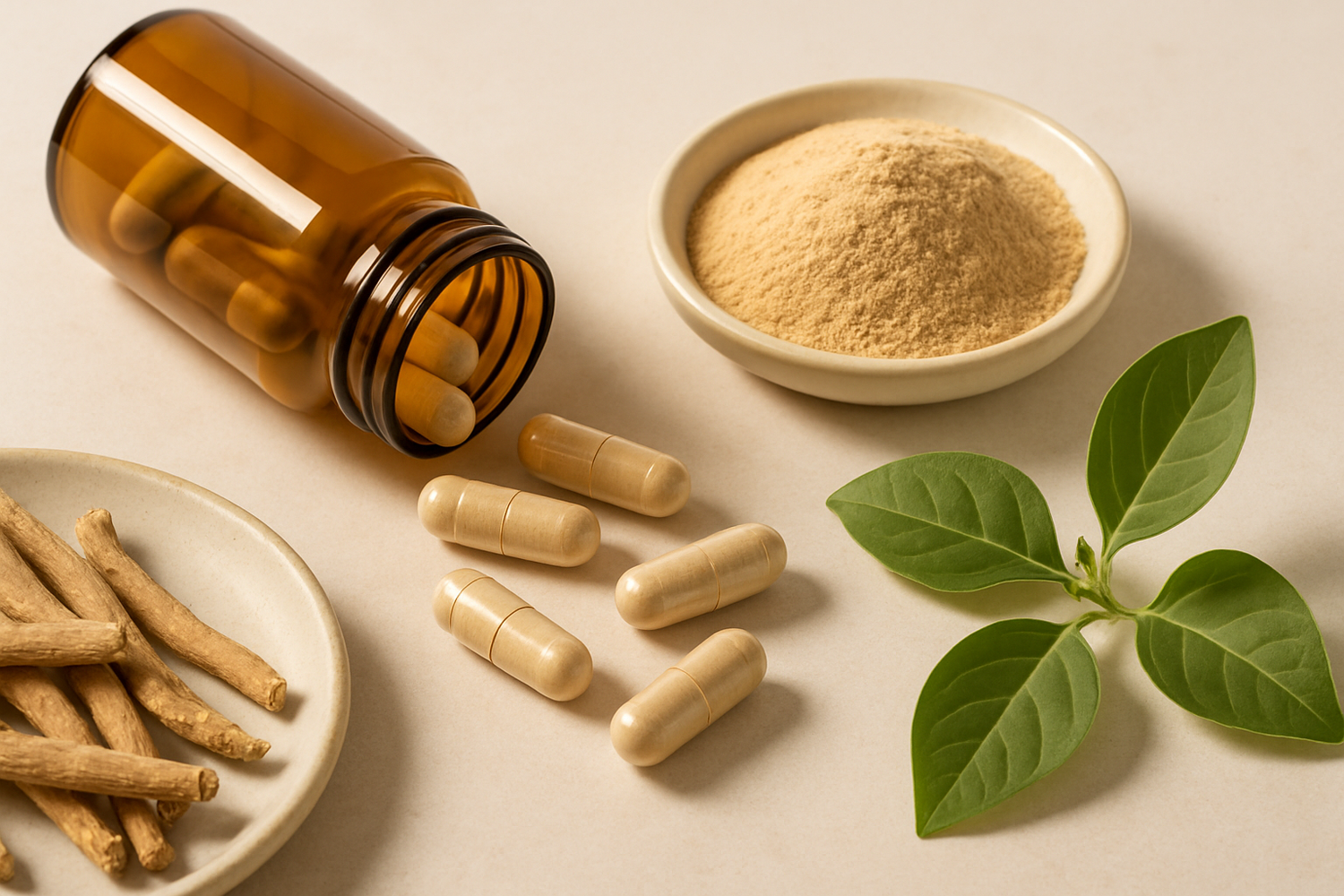
Ashwagandha for anxiety is one of the most searched supplement topics in 2026 — yet most articles either hype ashwagandha as a miracle herb or dismiss it without comparison. This article does neither. Instead, I rank ashwagandha against five alternative anxiolytic supplements by a single practical metric: hours from ingestion to measurable anxiety reduction, using cortisol and validated self-report data from clinical trials published between 2009 and 2024. The result is a framework that tells you not just whether ashwagandha helps, but when it helps — and which alternatives work faster or slower.
If you're weighing ashwagandha for anxiety against options like L-theanine, rhodiola, or magnesium, this speed-based comparison removes the guesswork. I'll cover dosages, study quality, side effects, and how to stack fast- and slow-acting compounds for layered calm.
Why Hours-to-Effect Matters for Anxiety Supplements
Anxiety doesn't follow a schedule, and neither should your supplement strategy. Some people need fast-acting relief before a presentation; others need a baseline reduction in chronic stress over weeks. Knowing exactly when a compound starts working lets you match the tool to the situation — or layer multiple compounds across different time windows for comprehensive support.*
Every supplement below meets three inclusion criteria: at least one randomised, placebo-controlled trial in adults with anxiety or stress; a validated anxiety measure (Hamilton Anxiety Scale, DASS, PSS, or equivalent); and a clearly reported onset timeframe.
Ashwagandha for Anxiety: What the Evidence Actually Shows
Ashwagandha (Withania somnifera) may help reduce anxiety by lowering cortisol, the body's primary stress hormone.* A widely cited 2012 RCT in the Indian Journal of Psychological Medicine gave 300 mg of KSM-66 ashwagandha extract twice daily and found a 44% reduction in perceived stress scores and a 27.9% reduction in serum cortisol compared to placebo after 60 days (Chandrasekhar et al., 2012).
A 2019 systematic review of five RCTs confirmed these findings, concluding that ashwagandha supplementation significantly reduced cortisol and anxiety scores across studies (Lopresti et al., 2019). However, here's the detail that most articles gloss over: significant anxiety reduction in these trials took 2–4 weeks to appear, with full benefits at 6–8 weeks. Ashwagandha is not a rescue remedy — it's a foundation builder.
- Effective dosage: 300–600 mg/day of standardised root extract (KSM-66 or Sensoril).
- Onset: 2–4 weeks for measurable anxiety reduction; peak effect at 6–8 weeks.
- Key strength: Cortisol reduction of 11–32% across studies — one of the largest effects among herbal anxiolytics.
- Limitations: May cause drowsiness; can interact with thyroid medication. Not suitable during pregnancy. Mild GI discomfort possible at higher doses.
The honest takeaway: ashwagandha for anxiety has strong evidence, but its slow onset means it works best as part of a layered approach — not as a standalone solution for acute stress.
5 Alternatives to Ashwagandha for Anxiety, Ranked by Speed
1. L-Theanine — Onset: 30–60 Minutes
L-theanine is the fastest-acting natural anxiolytic with clinical support.* A 2019 RCT in Nutrients found that 200 mg of L-theanine reduced stress-related symptoms and improved cognitive function within one hour of a single dose (Hidese et al., 2019). It promotes alpha brain wave activity — the neural signature of calm alertness.
- Dosage: 100–400 mg per day.
- Best for: Acute situational anxiety — before meetings, exams, or high-pressure tasks.
- Advantage over ashwagandha: Works in under an hour rather than weeks. No drowsiness. No known drug interactions.
- Limitation: Effects are modest in severe or chronic anxiety — it calms, it doesn't sedate.
Noobru Advantage includes L-theanine as a core ingredient, delivered in a drinkable format for faster absorption than capsules — making it a practical option for same-day calm focus.*
2. Rhodiola Rosea — Onset: 30 Minutes–2 Hours
Rhodiola may help reduce anxiety specifically tied to fatigue and burnout.* A 2012 open-label study found that 200 mg twice daily improved generalised anxiety, stress, and overall mood within 3 days, with progressive improvement over 14 days (Edwards et al., 2012).
- Dosage: 200–600 mg/day, standardised to 3% rosavins.
- Best for: Stress-related mental fatigue. If your anxiety worsens as the day wears on, rhodiola is worth trying.*
- Advantage over ashwagandha: Faster acute effects; more energising rather than sedating.
- Limitation: Less robust evidence base. Benefits are more pronounced in fatigued individuals.
3. Magnesium (Glycinate / Threonate) — Onset: 1–4 Weeks
Magnesium deficiency is strongly correlated with anxiety, and supplementation may help restore calm in those with suboptimal levels.* A 2017 systematic review in Nutrients concluded that magnesium supplementation had a positive effect on subjective anxiety across 18 studies (Boyle et al., 2017).
- Dosage: 200–400 mg elemental magnesium per day (glycinate or threonate forms preferred for bioavailability).
- Best for: People with poor dietary magnesium intake, muscle tension, or disrupted sleep alongside anxiety.
- Advantage over ashwagandha: Addresses a common nutritional deficiency, not just symptom modulation.
- Limitation: Minimal benefit if magnesium levels are already adequate. Citrate form can cause loose stools.
4. Passionflower (Passiflora incarnata) — Onset: 30 Minutes–2 Hours
Passionflower may help reduce acute anxiety with surprising speed.* A 2001 double-blind RCT in the Journal of Clinical Pharmacy and Therapeutics found passionflower extract comparable to oxazepam (a benzodiazepine) for generalised anxiety, with lower impairment of job performance (Akhondzadeh et al., 2001).
- Dosage: 250–500 mg of standardised extract per day.
- Best for: Pre-sleep anxiety and restlessness.
- Advantage over ashwagandha: Faster onset for acute episodes; acts on GABA pathways.
- Limitation: Can cause drowsiness, especially at higher doses. Not ideal for daytime use when focus is needed.
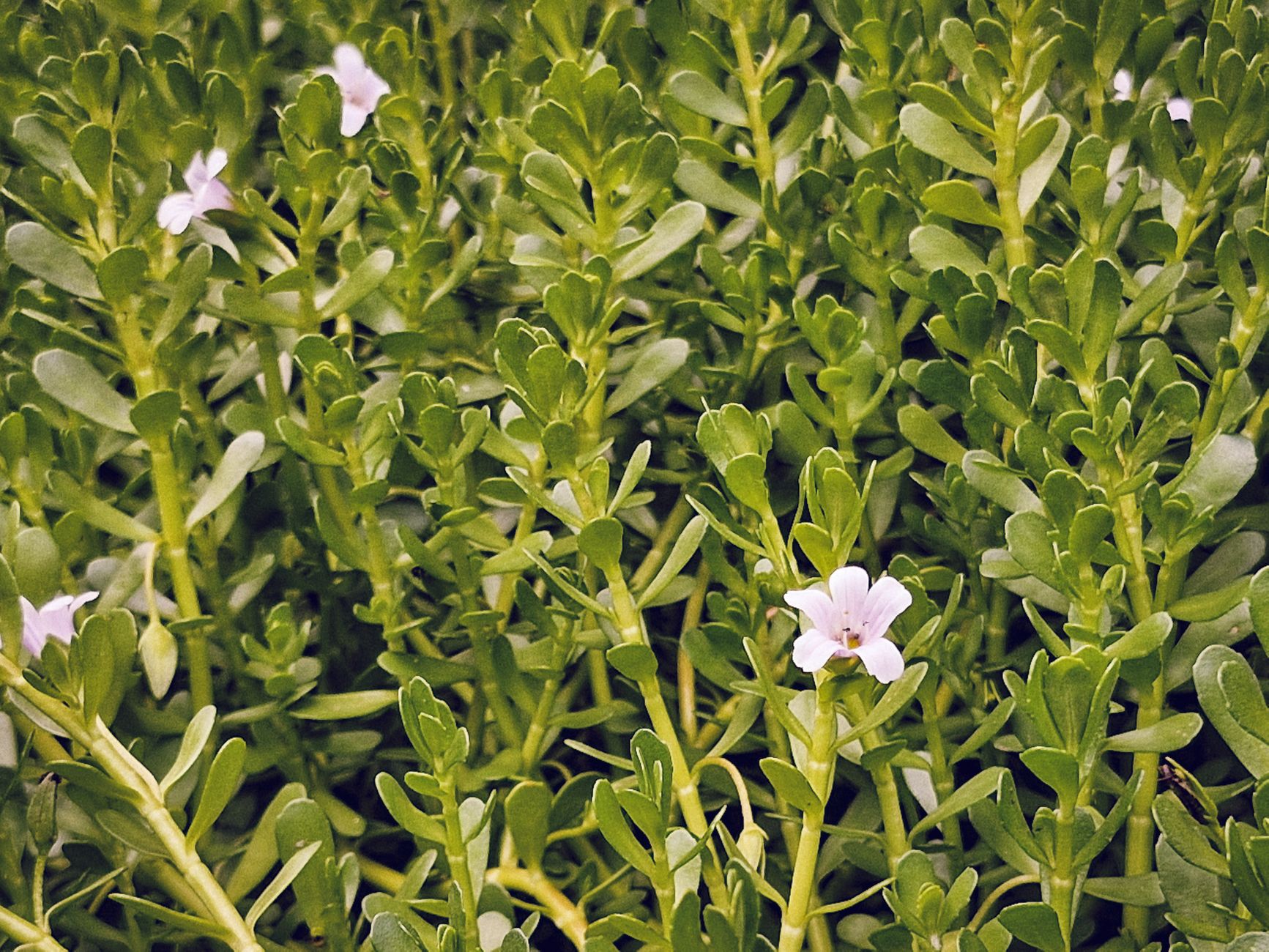
5. Bacopa Monnieri — Onset: 4–6 Weeks
Bacopa is better known for memory, but a 2014 meta-analysis also found it significantly reduced anxiety scores across nine RCTs (Kongkeaw et al., 2014). Its anxiolytic mechanism likely involves serotonin modulation alongside its cognitive benefits.*
- Dosage: 300–600 mg/day, standardised to ≥45% bacosides.
- Best for: People wanting anxiety reduction and improved memory — two birds, one herb.
- Advantage over ashwagandha: Dual cognitive-anxiolytic action with a strong evidence base.
- Limitation: Slowest onset of any option here. Commonly causes nausea on an empty stomach.
How to Stack Ashwagandha With Faster Alternatives
The smartest approach to ashwagandha for anxiety isn't choosing it or a faster alternative — it's layering both.* Here's a practical stacking framework based on the clinical timelines above:
- Immediate layer (0–1 hour): L-theanine or passionflower for same-day calming when anxiety spikes.
- Bridge layer (1–4 weeks): Magnesium glycinate to correct any underlying deficiency while ashwagandha builds.
- Foundation layer (2–8 weeks): Ashwagandha (KSM-66, 300 mg twice daily) for sustained cortisol reduction.
This means you feel calmer from day one while building deeper hormonal resilience over weeks. Noobru Advantage was designed around this layered philosophy — combining fast-acting L-theanine with compounds that may help support sustained mental clarity and calm.*
A note on what not to do: Stacking five sedating herbs simultaneously is counterproductive. Pick one from each time layer, keep dosages within the clinical ranges listed above, and add compounds one at a time so you can identify what's actually working.
What to Avoid When Buying Ashwagandha Supplements
- Non-standardised extracts: Generic "ashwagandha powder" varies wildly in withanolide content. Look for KSM-66 (≥5% withanolides) or Sensoril (≥10% withanolides) — these are the extracts used in clinical trials.
- Proprietary blends: If the label says "Calm Blend 500 mg" without specifying ashwagandha dosage, you can't verify the dose is effective.
- Unrealistic claims: Any product claiming to "cure anxiety" or "replace medication" is making illegal medical claims and should be avoided entirely.
- No third-party testing: Ashwagandha is a root crop susceptible to heavy metal contamination. Insist on brands that publish Certificates of Analysis. The Noobru range undergoes third-party quality testing for every batch.
Key Takeaways
- Ashwagandha for anxiety works — but slowly. Expect 2–4 weeks for noticeable results, with cortisol reductions of 11–32% at full effect.
- L-theanine is the fastest natural option, delivering measurable calm within 30–60 minutes without drowsiness.
- Stacking beats single ingredients. Layer a fast-acting compound (L-theanine) with ashwagandha's slow-building cortisol support for all-day resilience.*
- Extract standardisation matters more than brand. KSM-66 and Sensoril are the only ashwagandha extracts with strong clinical backing at specific dosages.
- "Hours-to-effect" is the question nobody asks — but it's the most useful filter for choosing the right supplement for your situation.
Frequently Asked Questions
How long does ashwagandha take to work for anxiety?
Most people notice reduced anxiety within 2–4 weeks of daily supplementation at 300–600 mg (KSM-66 extract). Full cortisol-lowering benefits typically peak at 6–8 weeks. Some mild calming effects may appear within hours, but sustained results require consistent daily use.
Can you take ashwagandha and L-theanine together?
Yes — they complement each other well. L-theanine delivers fast-acting calm within 30–60 minutes, while ashwagandha builds long-term stress resilience over weeks. No adverse interactions have been reported in the clinical literature.
What is the best ashwagandha dosage for anxiety?
Clinical trials showing significant anxiety reduction used 300–600 mg per day of standardised root extract. The most common protocol is 300 mg twice daily. Doses below 300 mg are undertested, and exceeding 600 mg has not shown proportionally greater benefit.
Does ashwagandha lower cortisol?
Yes. Across five RCTs reviewed systematically, ashwagandha reduced serum cortisol by 11–32% compared to placebo. The effect is most pronounced in chronically stressed individuals.
Is ashwagandha safe to take every day?
Daily use for up to 12 weeks is well-supported by clinical trial data. Mild side effects can include drowsiness and stomach upset. Ashwagandha may interact with thyroid medications and immunosuppressants — always consult your healthcare provider before starting.
Ready to Build Your Calm Focus Stack?
Noobru Advantage combines L-theanine with other evidence-backed ingredients in a drinkable formula designed for rapid absorption — giving you fast-acting calm focus while longer-term supplements like ashwagandha build in the background.* Explore the full Noobru range.
*These statements have not been evaluated by the Food and Drug Administration or MHRA. This product is not intended to diagnose, treat, cure, or prevent any disease. Always consult your healthcare provider before starting any supplement regimen.

Leave a comment
All comments are moderated before being published.
This site is protected by hCaptcha and the hCaptcha Privacy Policy and Terms of Service apply.