




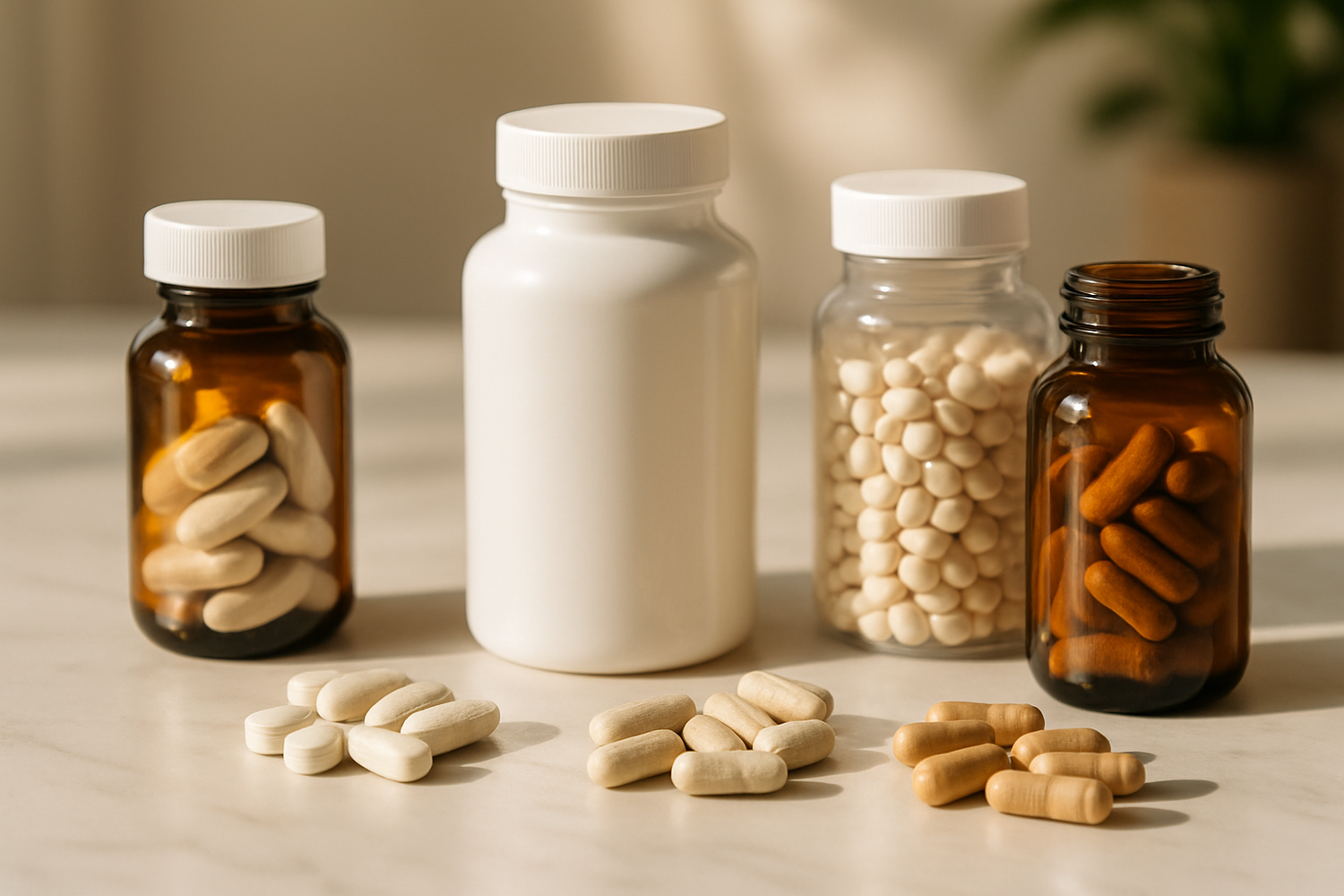
Most "best nootropics" lists rank supplements by vague quality scores or brand reputation — which tells you nothing about when you'll actually feel a difference. This guide takes a different approach: we compare the best nootropic supplements for focus in 2026 by their clinically observed onset time, from 20 minutes to 12 weeks, so you can match an ingredient to the speed of result you need.
Whether you're after an immediate boost before a presentation or a long-term upgrade to daily concentration, onset time is the single most practical way to choose. Below, we break down six evidence-backed nootropic ingredients — what the research says, how quickly each one works, and who each is best suited for.
Why Onset Time Matters More Than Ingredient Lists
The speed at which a nootropic ingredient reaches peak cognitive effect determines whether it's useful for acute tasks (exams, deadlines) or cumulative brain health.* Most supplement labels don't tell you this, so consumers end up abandoning effective products after just three days because they expected instant results from an ingredient that needs six weeks.
A 2016 review in Evidence-Based Complementary and Alternative Medicine noted that adaptogenic nootropics like Bacopa monnieri show "significant improvements only after chronic administration" [1]. Meanwhile, a 2008 study on L-theanine recorded measurable alpha brain wave changes within 40 minutes of a single dose [2].
Understanding this spectrum prevents two common mistakes:
- Quitting too early — dropping Bacopa after one week when it needs eight.
- Over-relying on fast-acting stimulants — using caffeine alone without building a foundation of longer-term support.*
Fast-Acting Nootropics (20–60 Minutes)
1. L-Theanine + Caffeine — The Benchmark Stack
L-theanine is an amino acid found in green tea that promotes calm alertness by increasing alpha brain wave activity.* Paired with caffeine, it may help sharpen focus while reducing the jitteriness and crash associated with caffeine alone.*
- Onset: 20–40 minutes
- Effective dose range (from studies): 100–200 mg L-theanine with 50–100 mg caffeine
- Evidence: A 2010 study in Nutritional Neuroscience found the combination significantly improved attention and task-switching accuracy compared with placebo [3].
- Best for: Immediate pre-task focus — meetings, study sessions, creative work
Quotable takeaway: "L-theanine with caffeine is the most reliable same-day nootropic stack, backed by more randomised trials than any other natural pairing for focus."
2. Citicoline (CDP-Choline) — Rapid Cholinergic Support
Citicoline may support focus by increasing levels of acetylcholine, a neurotransmitter critical to attention and working memory.* While some users report noticeable effects within a single session, the strongest clinical data points to benefits building over 1–4 weeks.
- Onset: Partial effects from 1–2 hours; peak benefits at 14–28 days
- Effective dose: 250–500 mg daily
- Evidence: A 2014 study in Food and Nutrition Sciences found that 28 days of 250 mg citicoline supplementation improved sustained attention and reduced omission errors on cognitive performance tests [4].
- Best for: Daily supplementation with a fast initial response
Citicoline is one of the key ingredients in Noobru Advantage, formulated at a clinically relevant dose alongside complementary focus-supporting nutrients.*
Noobru Advantage sachet mixed in a glass of water on a desk next to a laptop" width="800" height="450" loading="lazy" />Medium-Term Nootropics (1–4 Weeks to Peak Effect)
3. Phosphatidylserine — The Cell Membrane Builder
Phosphatidylserine (PS) is a phospholipid that forms part of every brain cell membrane. Supplementation may help support memory, focus, and processing speed, particularly in adults experiencing age-related cognitive decline.*
- Onset: 2–4 weeks for measurable cognitive effects
- Effective dose: 100–300 mg daily
- Evidence: A 2010 study in the Journal of Clinical Biochemistry and Nutrition found 300 mg PS daily improved memory recognition and recall in older adults with mild cognitive complaints after six weeks [5].
- Best for: Adults 40+ seeking sustained concentration and memory support*
4. Rhodiola Rosea — The Fatigue Fighter
Rhodiola is an adaptogenic herb that may help maintain focus under stress and fatigue rather than boosting baseline cognition.* This makes it particularly useful during high-pressure periods.
- Onset: Some anti-fatigue effects within 1–3 hours; full adaptogenic benefit at 1–2 weeks
- Effective dose: 200–400 mg standardised extract (3% rosavins, 1% salidroside)
- Evidence: A 2012 systematic review in BMC Complementary and Alternative Medicine concluded Rhodiola may help improve mental performance during periods of stress and fatigue [6].
- Best for: High-workload periods, shift workers, exam revision
Long-Term Nootropics (4–12 Weeks to Peak Effect)
5. Bacopa Monnieri — The Slow-Burn Memory Herb
Bacopa monnieri is an Ayurvedic herb that may help enhance memory consolidation and attention — but only with consistent use over several weeks.* It's the nootropic most frequently abandoned prematurely because users expect fast results.
- Onset: 6–12 weeks for significant cognitive effects
- Effective dose: 300–450 mg standardised to 55% bacosides
- Evidence: A 2014 meta-analysis in the Journal of Ethnopharmacology analysed nine RCTs and concluded Bacopa significantly improved attention, cognitive processing, and working memory [7].
- Best for: Students, lifelong learners, and anyone prioritising long-term cognitive maintenance*
6. Lion's Mane Mushroom — The Nerve Growth Activator
Lion's mane (Hericium erinaceus) contains compounds called hericenones and erinacines that may stimulate nerve growth factor (NGF) production.* This is a genuinely long-term play — most human studies run 8–16 weeks before observing cognitive improvements.
- Onset: 8–16 weeks
- Effective dose: 500–3,000 mg daily (fruiting body extract)
- Evidence: A 2009 study in Phytotherapy Research found 16 weeks of supplementation improved cognitive function scores in older adults with mild cognitive impairment compared to placebo [8].
- Best for: Long-term neuroprotective support, particularly in adults 50+*
How to Choose: Matching Nootropics to Your Timeline
The most effective approach isn't picking one ingredient — it's layering by onset speed.* A practical framework:
| Your Need | Best Ingredient(s) | Expected Onset |
|---|---|---|
| Focus for a meeting in 30 minutes | L-theanine + caffeine | 20–40 min |
| Sharper daily concentration | Citicoline | 1–4 weeks |
| Focus under high stress | Rhodiola rosea | Hours to 2 weeks |
| Long-term memory and attention | Bacopa monnieri | 6–12 weeks |
| Neuroprotection over months | Lion's mane | 8–16 weeks |
Noobru Advantage was designed around this layering principle — combining fast-onset ingredients like L-theanine with medium-term builders like citicoline in a single daily drinkable sachet.*
Key Takeaways
- Not all nootropics work on the same timeline. Onset ranges from 20 minutes (L-theanine + caffeine) to 16 weeks (lion's mane).
- Most people quit effective nootropics too early. If you're taking Bacopa and feel nothing after a week, that's expected — not a failure.
- Layering fast-acting and slow-building ingredients is the most practical strategy for sustained daily focus.*
- Dose matters. Every ingredient above has a clinically studied dose range. Under-dosing is the most common reason supplements "don't work."
- Citicoline offers the best balance of fast initial response and cumulative benefit, which is why it's a core ingredient in formulations like Noobru supplements.*
Frequently Asked Questions
What is the fastest-acting nootropic for focus?
Caffeine combined with L-theanine is the fastest-acting nootropic stack for focus, with effects typically noticed within 20–40 minutes. L-theanine promotes alpha brain wave activity, which may help smooth out the jittery edge of caffeine alone.*
Are nootropic supplements safe to take every day?
Most well-researched nootropic ingredients — such as citicoline, L-theanine, and Bacopa monnieri — have been used safely in daily doses across clinical trials lasting 8–12 weeks. However, you should always consult your healthcare provider before starting any daily supplement regimen.
Do nootropics actually work for concentration?
Several nootropic ingredients have clinical evidence supporting their effects on concentration. For example, a 2008 study in Nutritional Neuroscience found citicoline improved attentional performance after 28 days [4], and a 2014 meta-analysis confirmed Bacopa monnieri's positive effects on attention and cognitive processing [7].*
What is the difference between natural and synthetic nootropics?
Natural nootropics are derived from plants, amino acids, or nutrients — such as Bacopa monnieri, L-theanine, and lion's mane mushroom. Synthetic nootropics include lab-created compounds like racetams. Natural nootropics generally have longer safety records and are available without prescription in the UK.
How long do nootropic supplements take to work?
Onset time varies dramatically by ingredient. Caffeine and L-theanine work within 20–40 minutes. Citicoline and phosphatidylserine may show effects within 1–4 weeks. Bacopa monnieri and lion's mane typically require 4–12 weeks of consistent daily use to reach peak benefit.*
References
- Kongkeaw, C. et al. (2014). Meta-analysis of randomised controlled trials on cognitive effects of Bacopa monnieri extract. Journal of Ethnopharmacology, 151(1), 528–535. PubMed
- Nobre, A.C. et al. (2008). L-theanine, a natural constituent in tea, and its effect on mental state. Asia Pacific Journal of Clinical Nutrition, 17(S1), 167–168. PubMed
- Owen, G.N. et al. (2008). The combined effects of L-theanine and caffeine on cognitive performance and mood. Nutritional Neuroscience, 11(4), 193–198. PubMed
- McGlade, E. et al. (2012). Improved attentional performance following citicoline administration in healthy adult women. Food and Nutrition Sciences, 3(6), 769–773. PubMed
- Kato-Kataoka, A. et al. (2010). Soybean-derived phosphatidylserine improves memory function of elderly Japanese subjects. Journal of Clinical Biochemistry and Nutrition, 47(3), 246–255.
- Hung, S.K. et al. (2011). The effectiveness and efficacy of Rhodiola rosea L.: a systematic review. Phytomedicine, 18(4), 235–244. PubMed
- Kongkeaw, C. et al. (2014). [As reference 1].
- Mori, K. et al. (2009). Improving effects of the mushroom Yamabushitake on mild cognitive impairment. Phytotherapy Research, 23(3), 367–372. PubMed
Ready to Try a Clinically Dosed Nootropic?
Noobru Advantage combines citicoline, L-theanine, and other focus-supporting nutrients in a single drinkable sachet — designed for both fast-onset and cumulative benefit.* Browse all Noobru supplements →
*These statements have not been evaluated by the Food and Drug Administration or MHRA. This product is not intended to diagnose, treat, cure, or prevent any disease. Always consult your healthcare provider before starting any supplement regimen.


Leave a comment
All comments are moderated before being published.
This site is protected by hCaptcha and the hCaptcha Privacy Policy and Terms of Service apply.