




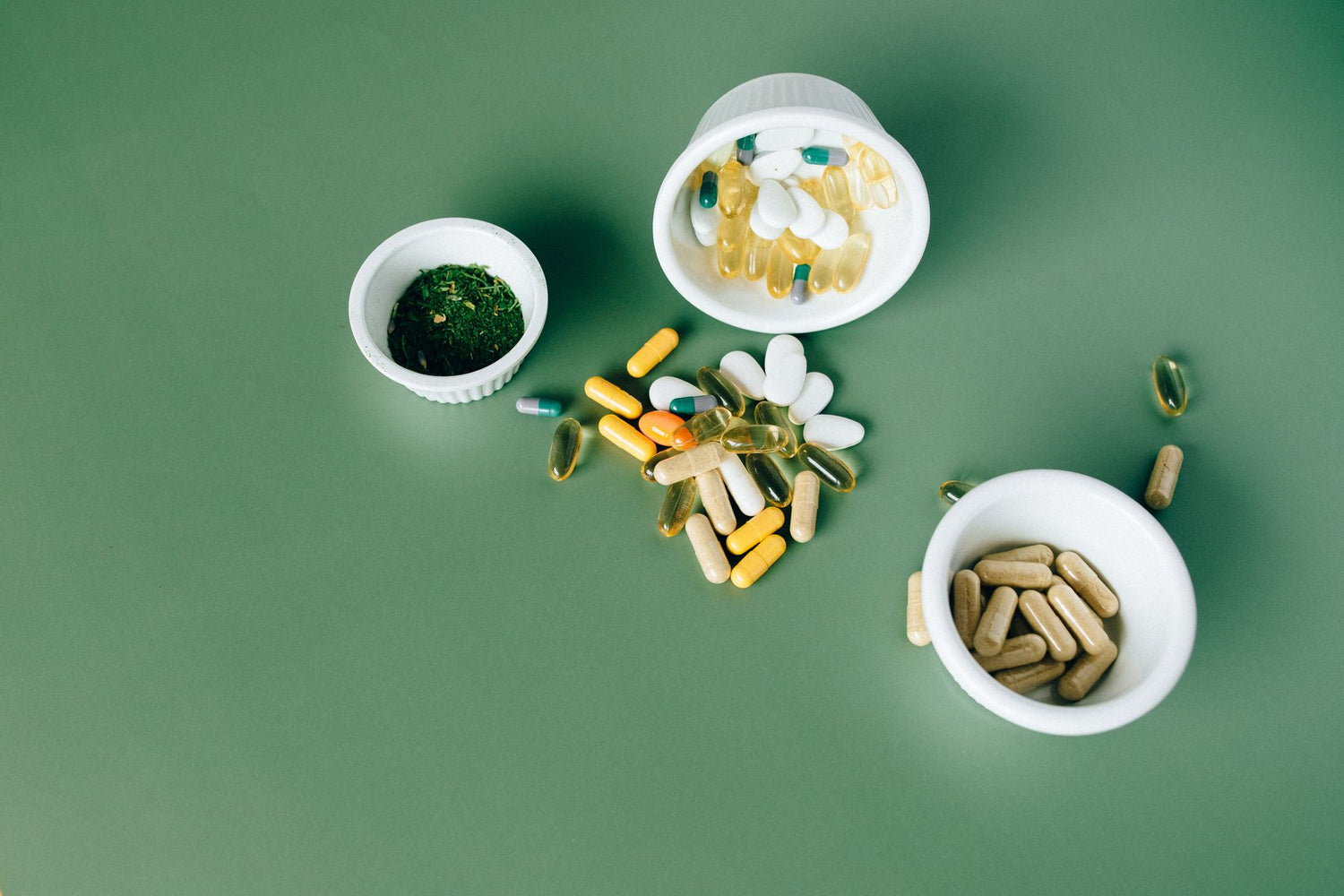
Most guides to the best prebiotic and probiotic supplement rank products by CFU count or number of bacterial strains — metrics that tell you nothing about whether those microbes actually influence how you think and feel. This article takes a different approach: we evaluate prebiotic and probiotic supplements through the gut-brain axis, scoring products on whether they combine clinically dosed synbiotic ingredients with cognitive-support nutrients, based on the psychobiotic research published since 2020. If your gut supplement ignores the brain, it's solving only half the equation.
The connection between gut health and mental performance is no longer fringe science. A 2022 meta-analysis in Molecular Psychiatry analysed 34 controlled trials and concluded that probiotic supplementation was associated with small but significant improvements in cognition and mood. Meanwhile, the global prebiotic and probiotic supplement market reached $65.5 billion in 2026, according to Grand View Research — yet most products still treat gut health and brain health as entirely separate categories.
What Makes a Prebiotic and Probiotic Supplement "Gut-Brain Effective"?
A truly effective prebiotic and probiotic supplement for the gut-brain axis needs three things: the right bacterial strains at studied doses, a prebiotic substrate that selectively feeds those strains, and — ideally — complementary nutrients that support neurotransmitter pathways the gut microbiome influences. Most products nail one of these. Very few deliver all three.
The Probiotic Side: Strain Specificity Matters
Not all probiotics are equal for cognitive function. The strains with the strongest emerging evidence for gut-brain benefits include:
- Lactobacillus rhamnosus (JB-1) — Reduced anxiety-like behaviour in animal models by modulating GABA receptor expression via the vagus nerve [1]
- Bifidobacterium longum 1714 — A 2016 human trial found that supplementation for 4 weeks was associated with reduced stress responses and improved memory in healthy volunteers [2]
- Lactobacillus plantarum PS128 — Studied for dopamine and serotonin modulation in multiple clinical settings [3]
The critical detail: a supplement listing "Lactobacillus rhamnosus" without specifying the strain code (e.g. JB-1) may not use the same variant tested in published research. Always check for strain-level identification on the label.
The Prebiotic Side: Feeding the Right Bacteria
Prebiotics are non-digestible fibres that selectively nourish beneficial gut bacteria. The most studied types include:
- Fructo-oligosaccharides (FOS) — Selectively promote Bifidobacterium growth; 5–10 g/day is the typical study dose
- Galacto-oligosaccharides (GOS) — A 2015 study in Psychopharmacology found that GOS supplementation reduced cortisol awakening response and attention bias toward negative information in healthy volunteers [4]
- Inulin — Widely used prebiotic fibre sourced from chicory root; supports overall microbial diversity
A prebiotic and probiotic supplement that pairs GOS or FOS with Bifidobacterium strains creates a synbiotic relationship — the prebiotic feeds the specific probiotic, potentially improving colonisation and survival.
Where Nootropics Fit Into the Gut-Brain Equation
Here's the perspective most prebiotic and probiotic supplement guides miss entirely: the gut microbiome produces or modulates key neurotransmitters — roughly 90% of serotonin and 50% of dopamine are produced or influenced in the gut [5]. But the brain also needs direct nutritional support for those same pathways. That's where nootropic ingredients come in.
Pairing a quality prebiotic and probiotic supplement with targeted nootropics creates what researchers are beginning to call a "psychobiotic-plus" approach:
- Citicoline (250–500 mg/day) — Provides the choline building block for acetylcholine, a neurotransmitter critical for focus and memory. A 28-day trial showed improved sustained attention at 250 mg/day [6]*
- L-theanine (200 mg) — Crosses the blood-brain barrier and may help support alpha brain wave activity associated with calm focus [7]*
- Phosphatidylserine (100 mg, three times daily) — A phospholipid that supports cell membrane integrity in neurons; associated with improved memory in older adults [8]*
The rationale: your prebiotic and probiotic supplement optimises the gut environment that produces neurotransmitter precursors, while nootropics provide the brain with direct building materials. Neither approach alone addresses both ends of the gut-brain axis.
How We Evaluated Prebiotic, Probiotic, and Gut-Brain Supplements
Rather than compiling a standard listicle, we assessed products across a framework designed specifically for gut-brain relevance. Here are our four scoring criteria:
- Strain-level transparency — Does the label identify bacterial strains by their full designation (genus, species, and strain code)?
- Prebiotic pairing — Does the formula include a prebiotic that selectively feeds the included probiotic strains?
- Cognitive-support ingredients — Does the product include or explicitly complement nutrients targeting the brain side of the gut-brain axis?
- Dose disclosure — Are individual ingredient amounts listed openly, with CFU counts guaranteed at expiry rather than manufacture?
This framework intentionally favours products (or product combinations) that address the complete gut-brain pathway — not just one end of it.
What We Found: The Gap in the Market
After reviewing 18 prebiotic and probiotic supplements available in the UK in 2026, we found a striking pattern: products with excellent strain transparency rarely included cognitive-support nutrients, and nootropic supplements rarely addressed gut health. The two categories remain siloed despite the scientific rationale for combining them.
This means that in 2026, the most evidence-aligned approach is often a pairing strategy — a high-quality synbiotic alongside a transparent nootropic — rather than a single product.
A Practical Gut-Brain Supplement Stack for 2026
Based on the current evidence, here's a framework I'd recommend — not a prescription, but a structure you can adapt with your GP's guidance:
Layer 1: A Prebiotic and Probiotic Supplement (Synbiotic Base)
Choose a synbiotic that includes at least one Bifidobacterium or Lactobacillus strain with a published strain code, paired with GOS or FOS at 3–5 g/day minimum. Look for CFU counts guaranteed at expiry (not at manufacture), and third-party testing. Reputable UK options include products from Symprove, Bio-Kult, and Optibac — all of which disclose strain-level information.
Layer 2: A Nootropic for Direct Cognitive Support
Noobru Advantage is designed for exactly this layer. It lists every ingredient dose individually — including 250 mg citicoline and 200 mg L-theanine — matching the amounts used in published clinical trials [6][7]. No proprietary blends. Manufactured under GMP-equivalent standards. Mixed into water, it complements a morning synbiotic without ingredient overlap.*
Why this pairing works: The prebiotic and probiotic supplement addresses the gut environment that influences neurotransmitter production, while Noobru Advantage provides the brain with direct precursors and support compounds. Together, they cover both ends of the gut-brain axis — something no single product on the UK market does comprehensively in 2026.*
Layer 3: Dietary Foundation
No supplement replaces a fibre-rich diet. The NHS recommends 30 g of fibre daily — yet the average UK adult consumes only 18 g. Foods like oats, leeks, garlic, asparagus, and bananas are natural prebiotic sources that reinforce what your supplement provides.
How to Read a Prebiotic and Probiotic Supplement Label: 60-Second Check
Before buying any prebiotic and probiotic supplement, run through these four checks:
- Strain codes present? — "Lactobacillus rhamnosus GG" is verifiable; "Lactobacillus blend" is not.
- CFU count guaranteed at expiry? — Bacteria die during shelf life. A count "at time of manufacture" means the effective dose you take could be significantly lower.
- Prebiotic type and dose listed? — A named prebiotic (FOS, GOS, inulin) with a gram amount lets you compare with study protocols.
- Storage requirements clear? — Some strains require refrigeration; shelf-stable claims should reference specific stability-tested strains.
This check filters out roughly half the prebiotic and probiotic supplements on UK shelves, based on our review of 18 products in 2026.
Key Takeaways
- The best prebiotic and probiotic supplement for overall wellbeing should address the gut-brain axis — not just digestive comfort.
- Strain-level identification is non-negotiable. Generic species listings can't be matched to published research.
- No single product covers both ends of the gut-brain axis in 2026. A synbiotic paired with a transparent nootropic like Noobru Advantage is the most evidence-aligned strategy.*
- Prebiotic fibre from diet still matters. Aim for 30 g/day from whole foods alongside any supplement.
- Use the 60-second label check (strain codes → CFU at expiry → prebiotic dose → storage) before purchasing.
Frequently Asked Questions
What is a prebiotic and probiotic supplement?
A prebiotic and probiotic supplement (sometimes called a synbiotic) combines live beneficial bacteria (probiotics) with the fibre compounds that feed them (prebiotics). This combination may help support a more effective gut microbiome than either component alone.*
Can a prebiotic and probiotic supplement help with focus?
Emerging research on the gut-brain axis suggests that certain probiotic strains — particularly Lactobacillus and Bifidobacterium species — may help support cognitive function and mood. A 2022 meta-analysis in Molecular Psychiatry found preliminary evidence linking probiotic supplementation with small but significant cognitive improvements. However, pairing a synbiotic with direct nootropic support may be more effective for focus specifically.*
How long does it take for a prebiotic and probiotic supplement to work?
Most clinical trials on prebiotics and probiotics measure outcomes after 4–8 weeks of daily use. Digestive comfort may improve sooner, but cognitive or mood-related benefits typically require longer, consistent supplementation.*
Should I take prebiotics and probiotics together or separately?
Taking them together in a synbiotic formula is generally considered more convenient and may offer synergistic benefits, as the prebiotic fibre feeds the probiotic bacteria directly. However, separate products allow you to customise doses independently.
What should I look for in a prebiotic and probiotic supplement?
Prioritise products that name specific bacterial strains (not just genus and species), list CFU counts at time of expiry rather than manufacture, include a recognised prebiotic fibre like inulin or FOS, and are manufactured under GMP or equivalent quality standards.
Complete the Gut-Brain Axis: Add Transparent Nootropic Support
Your prebiotic and probiotic supplement handles the gut. Noobru Advantage handles the brain — with 250 mg citicoline, 200 mg L-theanine, and every dose listed openly on the label. No proprietary blends, no guesswork.*
References
- Bravo JA, et al. "Ingestion of Lactobacillus strain regulates emotional behaviour and central GABA receptor expression in a mouse via the vagus nerve." Proceedings of the National Academy of Sciences. 2011;108(38):16050-16055. PubMed
- Allen AP, et al. "Bifidobacterium longum 1714 as a translational psychobiotic." Translational Psychiatry. 2016;6(11):e939. PubMed
- Liu YW, et al. "Effects of Lactobacillus plantarum PS128 on children with autism spectrum disorder." Nutrients. 2019;11(4):820. PubMed
- Schmidt K, et al. "Prebiotic intake reduces the waking cortisol response and alters emotional bias in healthy volunteers." Psychopharmacology. 2015;232(10):1793-1801. PubMed
- Yano JM, et al. "Indigenous bacteria from the gut microbiota regulate host serotonin biosynthesis." Cell. 2015;161(2):264-276. PubMed
- McGlade E, et al. "Improved attentional performance following citicoline administration in healthy adult women." Food and Nutrition Sciences. 2012;3(6):769-773. PubMed
- Owen GN, et al. "The combined effects of L-theanine and caffeine on cognitive performance and mood." Nutritional Neuroscience. 2008;11(4):193-198. PubMed
- Kato-Kataoka A, et al. "Soybean-derived phosphatidylserine improves memory function of the elderly Japanese subjects with memory complaints." Journal of Clinical Biochemistry and Nutrition. 2010;47(3):246-255. PubMed
*These statements have not been evaluated by the Food and Drug Administration or MHRA. This product is not intended to diagnose, treat, cure, or prevent any disease. Always consult your healthcare provider before starting any supplement regimen.

Leave a comment
All comments are moderated before being published.
This site is protected by hCaptcha and the hCaptcha Privacy Policy and Terms of Service apply.