




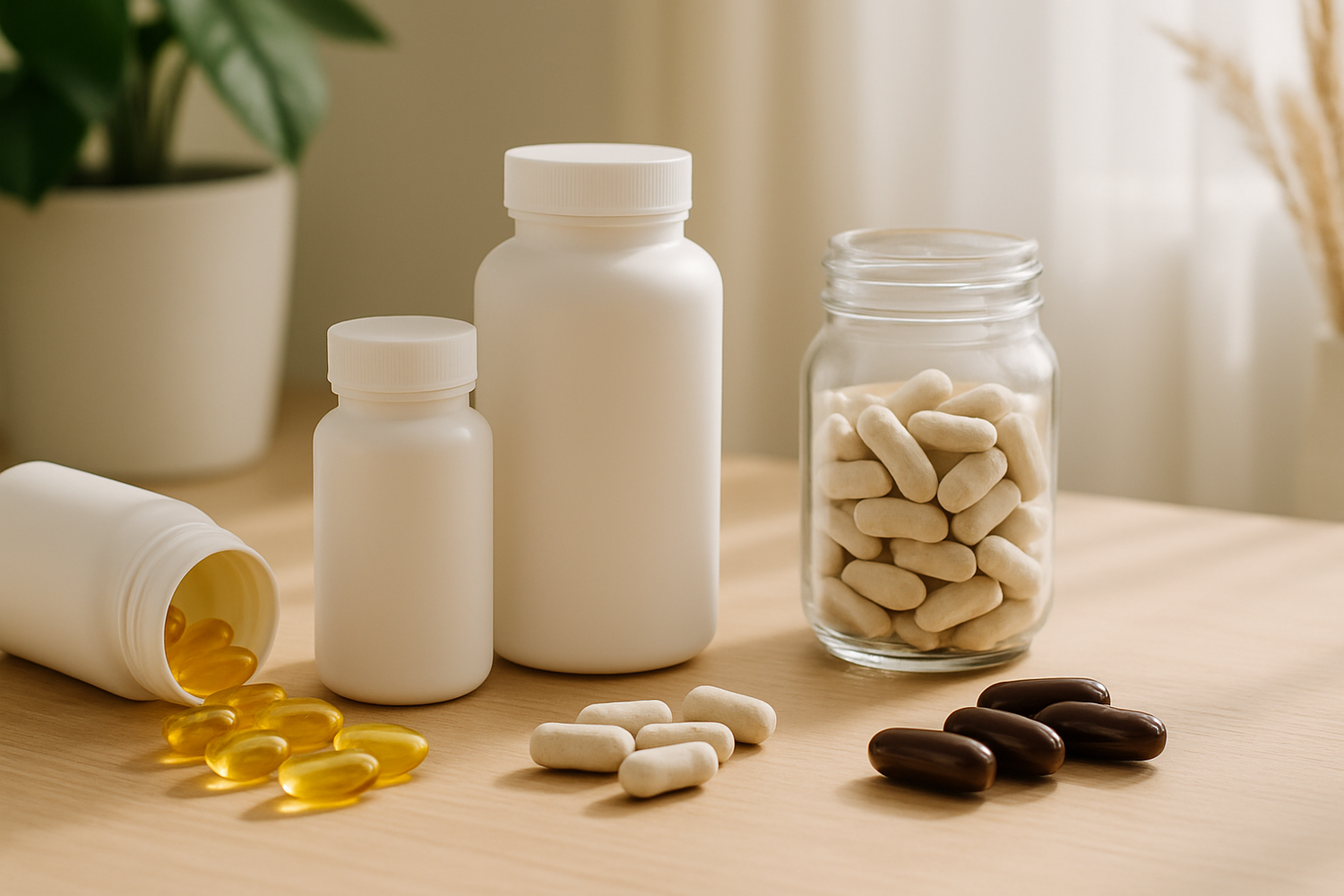
The best supplements for seniors over 80 aren't simply the same recommendations given to younger adults at higher doses — they're the nutrients that an ageing body can actually absorb and use. After 80, nutrient absorption drops so sharply that a supplement's format and bioavailability matter as much as the ingredient itself.
Stomach acid drops by as much as 40%, intrinsic factor production declines, kidney filtration slows, and polypharmacy introduces dozens of potential interactions. A supplement that works brilliantly for a 50-year-old may pass through an 80-year-old's system largely unused.
This guide ranks the most evidence-backed supplements for seniors over 80 in 2026, organised not by popularity but by the specific absorption and bioavailability challenges that make each nutrient critical — and often under-delivered — at this stage of life. We cover the science, the doses that matter, the formats that work, and where drinkable supplements may offer a genuine advantage over tablets for elderly nutrition.
Why Supplement Needs Change Dramatically After 80
The body at 80-plus is biochemically different from the body at 60. Understanding these changes in nutrient absorption and elderly nutrition is the first step toward choosing supplements that actually deliver results.
Reduced Gastric Acid and Nutrient Absorption
Atrophic gastritis affects an estimated 20–30% of adults over 80, significantly reducing the stomach's ability to liberate nutrients from food and dissolve tablet-form supplements. According to a review published in The American Journal of Clinical Nutrition (2000), this impairs absorption of vitamin B12, iron, calcium, and magnesium — the very nutrients most critical for this age group.
Declining Intrinsic Factor and B12 Status
Even when B12 is consumed in adequate amounts, the glycoprotein required for its absorption in the ileum diminishes with age. Studies have found that up to 40% of over-80s have suboptimal B12 status as a direct result.
Reduced Renal Function
The kidneys filter roughly 10% less efficiently per decade after 40, meaning fat-soluble vitamins and minerals can accumulate more readily. This makes dose precision — not dose maximisation — the priority for elderly nutrition.
Polypharmacy Interactions
The average UK adult over 80 takes four or more prescription medications. Proton pump inhibitors reduce mineral absorption; statins may deplete CoQ10; anticoagulants interact with vitamin K and omega-3s.
Every supplement choice must account for these interactions.
Swallowing Difficulties (Dysphagia)
Up to 15% of community-dwelling over-80s and 50% of care-home residents experience some degree of dysphagia. Large tablets and capsules become impractical or even dangerous, making liquid, powder, and drinkable formats meaningfully superior for compliance and bioavailability.

The 7 Most Important Supplements for Seniors Over 80
Below, we've ranked the supplements with the strongest evidence base for adults over 80, prioritised by how often each nutrient is both critically needed and poorly absorbed at this age.
1. Vitamin D3 — The Non-Negotiable Foundation
Vitamin D deficiency is near-universal in UK adults over 80 who don't supplement. The skin's capacity to synthesise vitamin D from sunlight declines by approximately 75% between age 20 and 80.
The NHS recommends a minimum of 10 mcg (400 IU) daily for everyone over 65, though many clinicians now suggest 1,000–2,000 IU for over-80s, particularly during October to March.
Vitamin D3 (cholecalciferol) is the preferred form over D2, as it raises serum 25(OH)D levels more effectively and sustains them longer. It supports bone mineralisation, immune regulation, and may help support cognitive function.* Look for supplements that combine D3 with a small amount of fat or piperine for improved bioavailability.
2. Vitamin B12 (Methylcobalamin) — Protecting Cognition and Nerve Function
Low B12 is one of the most correctable causes of cognitive decline in older adults. A study published in Neurology (Vogiatzoglou et al., 2008) found that low B12 levels are strongly associated with accelerated brain volume loss.
For over-80s with atrophic gastritis, oral crystalline B12 (the form found in supplements, not food-bound) bypasses much of the absorption challenge, though higher doses of 500–1,000 mcg are typically needed to compensate for reduced intrinsic factor.
Methylcobalamin is the bioactive form that crosses the blood-brain barrier, making it preferable to cyanocobalamin for cognitive support.* Drinkable and sublingual formats may offer nutrient absorption advantages over standard tablets in this age group.
3. Vitamin C — Immune Resilience and Antioxidant Protection
Immune senescence — the gradual decline of immune function — accelerates after 80, making infections more frequent and more dangerous.
Vitamin C supports multiple cellular functions of both the innate and adaptive immune system, as documented in a comprehensive review by Carr and Maggini (2017) in Nutrients.* A daily intake of 200–500 mg is well-tolerated and helps maintain tissue levels that decline with age.
Vitamin C also enhances iron absorption, which can be valuable for seniors with borderline anaemia.
4. Zinc — The Overlooked Immune Mineral
Zinc deficiency is remarkably common in older adults, with estimates suggesting 35–45% of over-80s consume less than the recommended daily intake.
As a cofactor for over 300 enzymatic reactions, zinc supports immune function, wound healing, and taste perception — all areas that commonly decline in the over-80 population. A systematic review in Nutrients (Sanna et al., 2018) confirmed the relationship between zinc status and immune regulation.*
Doses of 15–25 mg daily are generally appropriate, though zinc should be taken separately from calcium supplements to avoid competition for absorption.
5. Magnesium — For Muscle Function, Sleep, and Heart Rhythm
Magnesium depletion affects an estimated 50% of older adults, driven by reduced dietary intake, impaired intestinal absorption, and increased renal excretion (often worsened by diuretic medications).
Magnesium glycinate is among the best-absorbed forms and has the added benefit of the calming amino acid glycine, which may help support sleep quality.*
Standard magnesium oxide — the most common form in cheap supplements — has bioavailability as low as 4%, making it a poor choice for elderly nutrition in this age group.

6. Omega-3 Fatty Acids (EPA and DHA)
The evidence for omega-3 supplementation in over-80s centres on cardiovascular health, cognitive maintenance, and anti-inflammatory effects. DHA is a structural component of brain cell membranes, and intake tends to decline sharply in older adults who eat less oily fish.
A combined EPA/DHA dose of 1,000–2,000 mg daily is commonly recommended. Liquid omega-3 formats (or small softgels) are preferable for those with swallowing difficulties.
7. Phosphatidylserine — Targeted Cognitive Support
Phosphatidylserine is a phospholipid concentrated in brain cell membranes that naturally declines with age. Research indicates it may help support memory, attention, and processing speed in older adults.*
At doses of 100–300 mg daily, phosphatidylserine has a strong safety profile and minimal drug interactions, making it one of the more practical cognitive-support options for the over-80 demographic.
Format Matters: Why Drinkable Supplements Suit Seniors Over 80
Supplement format is not a marketing detail for older adults — it's a clinical consideration. Here's why drinkable and powder-based supplements deserve serious consideration for this age group:
- No swallowing risk: Eliminates the choking hazard associated with large tablets and capsules
- Pre-dissolved nutrients: Bypasses the need for strong stomach acid to break down tablet binders and coatings
- Faster absorption: Liquid-form nutrients reach the small intestine more quickly, which matters when gastric motility is slowed
- Easier to combine with meals: A drink can be incorporated into a morning routine more naturally than a handful of pills
- Better compliance: Studies consistently show that simplified, pleasant-tasting supplement formats improve adherence in older adults
Nutrients to Approach With Caution After 80
Not every popular supplement is appropriate for over-80s. These require particular care:
| Supplement | Concern for Over-80s | Recommendation |
|---|---|---|
| Iron | Reduced clearance; risk of overload without confirmed deficiency | Only supplement if blood tests confirm deficiency |
| Calcium (high-dose) | Potential cardiovascular risk at doses above 500 mg; kidney stone risk | Prefer dietary calcium; supplement modestly if needed |
| Vitamin A (retinol) | Fat-soluble accumulation; liver toxicity risk | Avoid high-dose retinol; beta-carotene is safer |
| Vitamin E (high-dose) | May increase bleeding risk, especially with anticoagulants | Keep below 400 IU; check with GP if on blood thinners |
| St John's Wort | Interacts with numerous prescription medications | Avoid unless cleared by pharmacist |
How Noobru's Drinkable Formats Compare
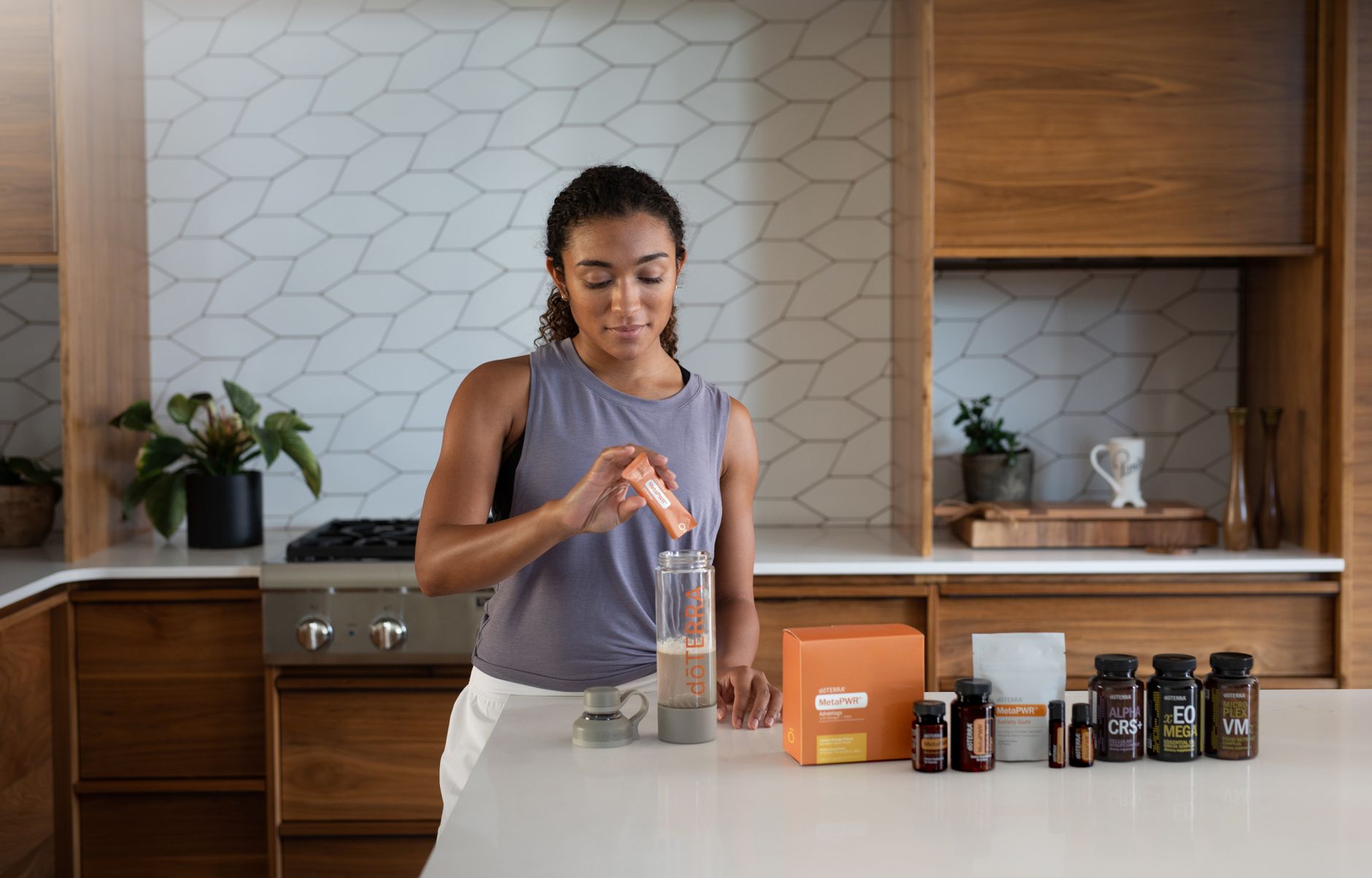
If you're helping an elderly parent or grandparent navigate supplement choices, format and ingredient transparency matter enormously. Noobru's range of drinkable sachet-based supplements addresses several of the nutrient absorption challenges we've outlined.
For Cognitive Support
Noobru Advantage is specifically formulated for age-related cognitive concerns. It includes phosphatidylserine (50 mg), L-theanine (200 mg), and huperzine A (200 mcg) — ingredients with evidence for supporting memory clarity and reducing brain fog.*
The drinkable powder format dissolves fully in water, making it practical for seniors who struggle with tablets. It also contains vitamin B5 (30 mg), which research has linked to neurological health — one study found that cerebral deficiency of vitamin B5 may contribute to neurodegeneration (Xu et al., 2020, Biochemical and Biophysical Research Communications).*
For Immune Health
Noobru Shield delivers 1,000 mg of vitamin C alongside organic elderberry, echinacea, zinc, vitamin D3, and vitamin E — a comprehensive immune-support formula in a single daily sachet.*
For over-80s dealing with frequent colds or weakened immunity, this covers multiple evidence-based immune nutrients without requiring multiple tablets. Research published in Biomolecules has confirmed echinacea's immunomodulatory properties (Frieri, 2021)*, and vitamin E has been shown to enhance immune response specifically in aged individuals (Meydani et al., 2005, Immunological Reviews).*
For Sleep Quality
For seniors experiencing sleep difficulties — which affect over 50% of adults past 80 — Noobru Lucid combines magnesium glycinate with ashwagandha (1,000 mg), L-theanine (150 mg), and Montmorency cherry in a calming evening drink that may help support restorative sleep without next-day grogginess.*
All Noobru products use no proprietary blends, list every ingredient with its exact dose, and are tested for purity — standards that matter when a supplement is being taken alongside prescription medications.

Frequently Asked Questions
What is the most important supplement for someone over 80?
Vitamin D3 is widely considered the single most important supplement for adults over 80. The NHS recommends 10 mcg (400 IU) daily for everyone over 65, as the skin produces significantly less vitamin D with age and deficiency rates in UK care homes exceed 70%.
Are drinkable supplements better than tablets for elderly people?
For many seniors over 80, drinkable supplements offer a practical advantage. Reduced stomach acid, slower gastric motility, and difficulty swallowing tablets can all limit nutrient absorption from solid-form supplements, whereas liquid or powder formats bypass some of these bioavailability barriers.
Can seniors over 80 take cognitive supplements safely?
Many cognitive-support ingredients like phosphatidylserine, L-theanine, and B vitamins have favourable safety profiles in older adults. However, drug-nutrient interactions are common at this age, so a GP or pharmacist review is essential before starting any new supplement.
Should someone over 80 take a multivitamin?
A broad-spectrum multivitamin can help fill nutrient gaps, but generic formulas often under-dose critical nutrients like vitamin D and B12 while including unnecessary iron. Targeted individual supplements based on blood-test results are generally more effective for this age group.
How much vitamin B12 should an 80-year-old take?
Many researchers suggest 500–1,000 mcg of methylcobalamin daily for adults over 80, as up to 40% of older adults have reduced intrinsic factor production, which limits B12 absorption from food. A GP can confirm deficiency with a simple blood test.
Key Takeaways
🔑 Absorption Is the Real Bottleneck
After 80, reduced stomach acid, declining intrinsic factor, and slower kidney function mean supplement format and bioavailability matter as much as the ingredient itself.
🔑 Five Foundational Nutrients Come First
Vitamin D3, B12, vitamin C, zinc, and magnesium are the nutrients most frequently deficient in over-80s and most strongly supported by evidence for elderly nutrition.
🔑 Drinkable Formats Offer Measurable Advantages
Powder and liquid supplements benefit seniors with dysphagia, atrophic gastritis, or polypharmacy concerns by bypassing tablet-dissolution barriers.
🔑 Avoid Blanket High-Dose Approaches
Iron, calcium, and fat-soluble vitamins require caution and ideally blood-test confirmation before supplementing in this age group.
🔑 Always Involve a Healthcare Professional
A GP or pharmacist should review any new supplement alongside existing medications — interactions are the rule, not the exception, after 80.
🔑 Phosphatidylserine and L-Theanine Stand Out for Cognitive Support
These are among the most practical evidence-based cognitive-support options for the over-80 demographic, with favourable safety profiles and minimal drug interactions.*
If you're exploring drinkable supplement options for yourself or an elderly loved one, Noobru's range of powder-sachet formulas — including Advantage for cognitive support and Shield for immune health — delivers clinically dosed ingredients in an easy-to-absorb format. Every ingredient and dose is listed transparently on the label.
Try Noobru risk-free with our 90-day money-back guarantee →References
- Russell, R.M. (2000). The aging process as a modifier of metabolism. The American Journal of Clinical Nutrition, 72(2), 529S–532S. PubMed
- Vogiatzoglou, A. et al. (2008). Vitamin B12 status and rate of brain volume loss in community-dwelling elderly. Neurology, 71(11), 826–832. PubMed
- Carr, A.C. & Maggini, S. (2017). Vitamin C and immune function. Nutrients, 9(11), 1211. PubMed
- Sanna, A. et al. (2018). Zinc status and autoimmunity: a systematic review and meta-analysis. Nutrients, 10(1), 68. PubMed
- Xu, J. et al. (2020). Cerebral deficiency of vitamin B5 (d-pantothenic acid) as a potentially-reversible cause of neurodegeneration. Biochemical and Biophysical Research Communications, 527(3), 676–680.
- Frieri, M. (2021). Fructans as immunomodulatory and antiviral agents: the case of Echinacea. Biomolecules, 11(2), 159.
- Meydani, S.N. et al. (2005). Vitamin E and immune response in the aged: molecular mechanisms and clinical implications. Immunological Reviews, 205(1), 269–284.
*These statements have not been evaluated by the Food and Drug Administration or MHRA. This product is not intended to diagnose, treat, cure, or prevent any disease. Always consult your healthcare provider before starting any supplement regimen.

Leave a comment
All comments are moderated before being published.
This site is protected by hCaptcha and the hCaptcha Privacy Policy and Terms of Service apply.