





Most "best brain fog supplement" lists rank products by brand popularity or Amazon ratings — neither of which tells you whether the ingredients will actually help. This guide takes a different approach: we ranked seven common brain fog supplement ingredients by two criteria that matter most — quality of clinical evidence and how quickly you can expect to feel a difference.
If you've been struggling with mental cloudiness, poor concentration, or that frustrating "tip-of-the-tongue" feeling, this breakdown will help you separate the well-researched nootropic ingredients from the overhyped ones — and decide what's worth your money in 2026.
What Actually Causes Brain Fog?
Brain fog isn't a medical diagnosis — it's an umbrella term for cognitive symptoms like poor focus, sluggish thinking, and forgetfulness. Before reaching for supplements, it's worth understanding the common triggers.
The most frequent causes include:
- Sleep deprivation — even one night of poor sleep reduces working memory by up to 38% [1]
- Nutrient deficiencies — particularly vitamin B12, iron, and vitamin D
- Chronic stress — elevated cortisol impairs prefrontal cortex function over time [2]
- Dehydration — a 2% drop in hydration may reduce attention and short-term memory
- Post-viral syndromes — including long COVID-related cognitive dysfunction
A supplement can't fix a cause it wasn't designed for. If you suspect a deficiency, get a blood test through your GP first. That said, the ingredients below have shown genuine cognitive benefits in people without underlying deficiencies — which is what makes them interesting.
7 Brain Fog Supplement Ingredients Ranked by Evidence and Onset Speed
I evaluated each ingredient on two axes: evidence tier (based on number and quality of human RCTs) and typical onset (how quickly participants in studies reported or showed cognitive improvements). Here's how they stack up.
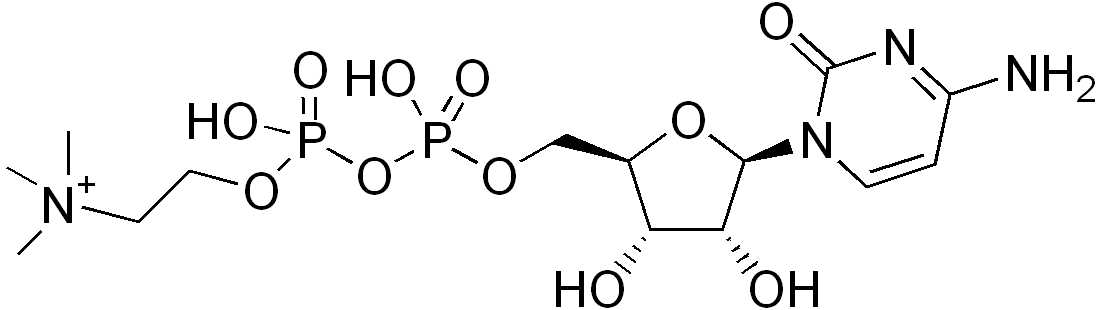
1. Citicoline (CDP-Choline) — Strongest Evidence, Moderate Onset
Citicoline may help support memory, attention, and mental clarity by boosting acetylcholine synthesis and enhancing cerebral blood flow.* A 2021 meta-analysis of 14 RCTs found statistically significant improvements in memory and attention in both healthy adults and those with mild cognitive impairment [3].
- Evidence tier: A (multiple high-quality RCTs)
- Studied dose: 250–500 mg/day
- Typical onset: 2–4 weeks
This is the ingredient I'd recommend first for most people. It's also a key ingredient in Noobru Advantage, which combines citicoline with complementary nootropics at clinically relevant doses.*
2. Phosphatidylserine — Strong Evidence, Slower Onset
Phosphatidylserine is a phospholipid that makes up about 15% of the brain's total phospholipid pool. Supplementation at 100–300 mg/day may help support memory recall and processing speed in older adults.* A 2015 systematic review found consistent positive effects across six RCTs [4].
- Evidence tier: A (consistent RCT results)
- Studied dose: 100–300 mg/day
- Typical onset: 6–12 weeks
3. L-Theanine + Caffeine — Moderate Evidence, Fastest Onset
This combination may help improve focus and alert calmness within 30–60 minutes.* The magic is in the pairing: L-theanine smooths out caffeine's jittery edge while preserving its attention-boosting effects. A 2008 study in Nutritional Neuroscience showed improved accuracy on attention-switching tasks [5].
- Evidence tier: B (several good-quality RCTs, mostly small sample sizes)
- Studied dose: 100 mg L-theanine + 50 mg caffeine
- Typical onset: 30–60 minutes
If you need rapid relief from afternoon brain fog, this stack is hard to beat for sheer speed.
4. Bacopa Monnieri — Moderate Evidence, Slow Onset
Bacopa has centuries of use in Ayurvedic medicine and a growing body of modern research. A 2014 meta-analysis of nine RCTs found improvements in attention and cognitive processing, but only after 12+ weeks of use [6].
- Evidence tier: B (positive meta-analysis, but heterogeneous study designs)
- Studied dose: 300–450 mg/day (standardised to 55% bacosides)
- Typical onset: 8–12 weeks
Bacopa rewards patience. It's poorly suited to anyone wanting quick results, but the long-term memory data is genuinely compelling.
5. Lion's Mane Mushroom — Emerging Evidence, Moderate Onset
Lion's mane (Hericium erinaceus) may help support nerve growth factor (NGF) production, which is critical for brain plasticity.* A small 2009 Japanese RCT showed improved cognitive function in older adults with mild impairment after 16 weeks [7]. More and larger trials are needed.
- Evidence tier: C (limited human RCTs, promising mechanistic data)
- Studied dose: 750 mg–3 g/day
- Typical onset: 4–8 weeks (estimated from available data)
6. Omega-3 Fatty Acids (DHA) — Mixed Evidence for Fog Specifically
DHA is essential for brain structure, and deficiency clearly impairs cognition. However, supplementation studies in people with adequate DHA levels show modest or null effects on brain fog symptoms specifically. The strongest benefits appear in older adults and those with low baseline intake [8].
- Evidence tier: B for deficiency correction, C for general brain fog
- Studied dose: 1–2 g combined EPA/DHA per day
- Typical onset: 8–12 weeks
7. Ginkgo Biloba — Weakest Evidence Among Popular Options
Despite its popularity, ginkgo's evidence for brain fog is surprisingly thin. The landmark GEM trial (2008, 3,069 participants) found no significant cognitive benefit in healthy older adults [9]. Some smaller studies show modest improvements in cerebral blood flow, but the overall picture is inconsistent.
- Evidence tier: C–D (large negative trials outweigh smaller positive ones)
- Studied dose: 120–240 mg/day
- Typical onset: Variable / unclear
I'd steer most people towards citicoline or phosphatidylserine before ginkgo — the evidence gap is significant.
How to Choose the Right Brain Fog Supplement
Picking a cognitive supplement shouldn't be guesswork. Use these four filters:
- Match the ingredient to your timeline. Need help this afternoon? L-theanine + caffeine. Willing to invest 6–12 weeks? Citicoline or phosphatidylserine.
- Check the dose against the research. Many products underdose key ingredients. If a citicoline product contains 50 mg when studies use 250–500 mg, it won't deliver the same results.
- Look for third-party testing. Quality varies dramatically in the supplements market. Choose brands that test for heavy metals and verify ingredient identity.
- Rule out deficiencies first. No nootropic stack will overcome a B12 or iron deficiency. Get baseline bloods done.
Key Takeaways
- Citicoline and phosphatidylserine have the strongest clinical evidence for reducing brain fog symptoms.*
- L-theanine + caffeine is the fastest-acting option, ideal for acute mental fatigue.*
- Ginkgo biloba, despite its popularity, has the weakest evidence among the seven ingredients reviewed.
- Always check doses match clinical studies — underdosed formulas are the most common reason supplements "don't work."
- Rule out nutrient deficiencies and sleep problems before blaming your brain.
Frequently Asked Questions
What is the best supplement for brain fog?
Based on clinical evidence, citicoline (CDP-choline) and phosphatidylserine have the strongest research backing for reducing brain fog symptoms. Citicoline has shown cognitive improvements in multiple randomised controlled trials at doses of 250–500 mg daily.*
How long do brain fog supplements take to work?
It depends on the ingredient. Caffeine combined with L-theanine may improve focus within 30–60 minutes, while phosphatidylserine and lion's mane typically require 4–12 weeks of daily use before measurable cognitive benefits appear.
Can vitamin deficiency cause brain fog?
Yes. Deficiencies in vitamin B12, vitamin D, and iron are well-documented causes of cognitive sluggishness. A 2021 study in Nutrients found that 26% of adults over 60 had suboptimal B12 levels linked to poorer memory performance [10]. A blood test through your GP can rule this out.
Are nootropic supplements safe?
Most well-studied nootropic ingredients like citicoline, L-theanine, and phosphatidylserine have good safety profiles at recommended doses. However, quality varies between brands, and some ingredients can interact with medications. Always consult your GP before starting a new supplement.
Do brain fog supplements actually work?
Some do, some don't — and the difference comes down to evidence. Ingredients like citicoline and phosphatidylserine have multiple RCTs behind them, while popular options like ginkgo biloba have more mixed results. Choosing evidence-backed ingredients at clinically studied doses is key.
Ready to Clear the Fog?
If you're looking for a brain fog supplement that uses clinically studied ingredients at proper doses, explore Noobru's full range of cognitive supplements. Our Noobru Advantage formula includes citicoline alongside complementary nootropics — designed to help support mental clarity and focus in a convenient daily drink.*
References
- Lowe, C.J. et al. (2017). "The neurocognitive consequences of sleep restriction." Neuroscience & Biobehavioral Reviews, 80, 586–604.
- Arnsten, A.F.T. (2009). "Stress signalling pathways that impair prefrontal cortex structure and function." Nature Reviews Neuroscience, 10(6), 410–422.
- Nakazaki, E. et al. (2021). "Citicoline and memory function in healthy older adults: a randomized, double-blind, placebo-controlled clinical trial." Journal of Nutrition, 151(8), 2153–2160. PubMed
- Glade, M.J. & Smith, K. (2015). "Phosphatidylserine and the human brain." Nutrition, 31(6), 781–786.
- Owen, G.N. et al. (2008). "The combined effects of L-theanine and caffeine on cognitive performance and mood." Nutritional Neuroscience, 11(4), 193–198. PubMed
- Kongkeaw, C. et al. (2014). "Meta-analysis of randomized controlled trials on cognitive effects of Bacopa monnieri extract." Journal of Ethnopharmacology, 151(1), 528–535.
- Mori, K. et al. (2009). "Improving effects of the mushroom Yamabushitake on mild cognitive impairment." Phytotherapy Research, 23(3), 367–372.
- Yurko-Mauro, K. et al. (2010). "Beneficial effects of docosahexaenoic acid on cognition in age-related cognitive decline." Alzheimer's & Dementia, 6(6), 456–464.
- DeKosky, S.T. et al. (2008). "Ginkgo biloba for prevention of dementia: a randomized controlled trial." JAMA, 300(19), 2253–2262.
- Langan, R.C. & Goodbred, A.J. (2017). "Vitamin B12 deficiency: recognition and management." American Family Physician, 96(6), 384–389.
*These statements have not been evaluated by the Food and Drug Administration or MHRA. This product is not intended to diagnose, treat, cure, or prevent any disease. Always consult your healthcare provider before starting any supplement regimen.

Leave a comment
All comments are moderated before being published.
This site is protected by hCaptcha and the hCaptcha Privacy Policy and Terms of Service apply.