




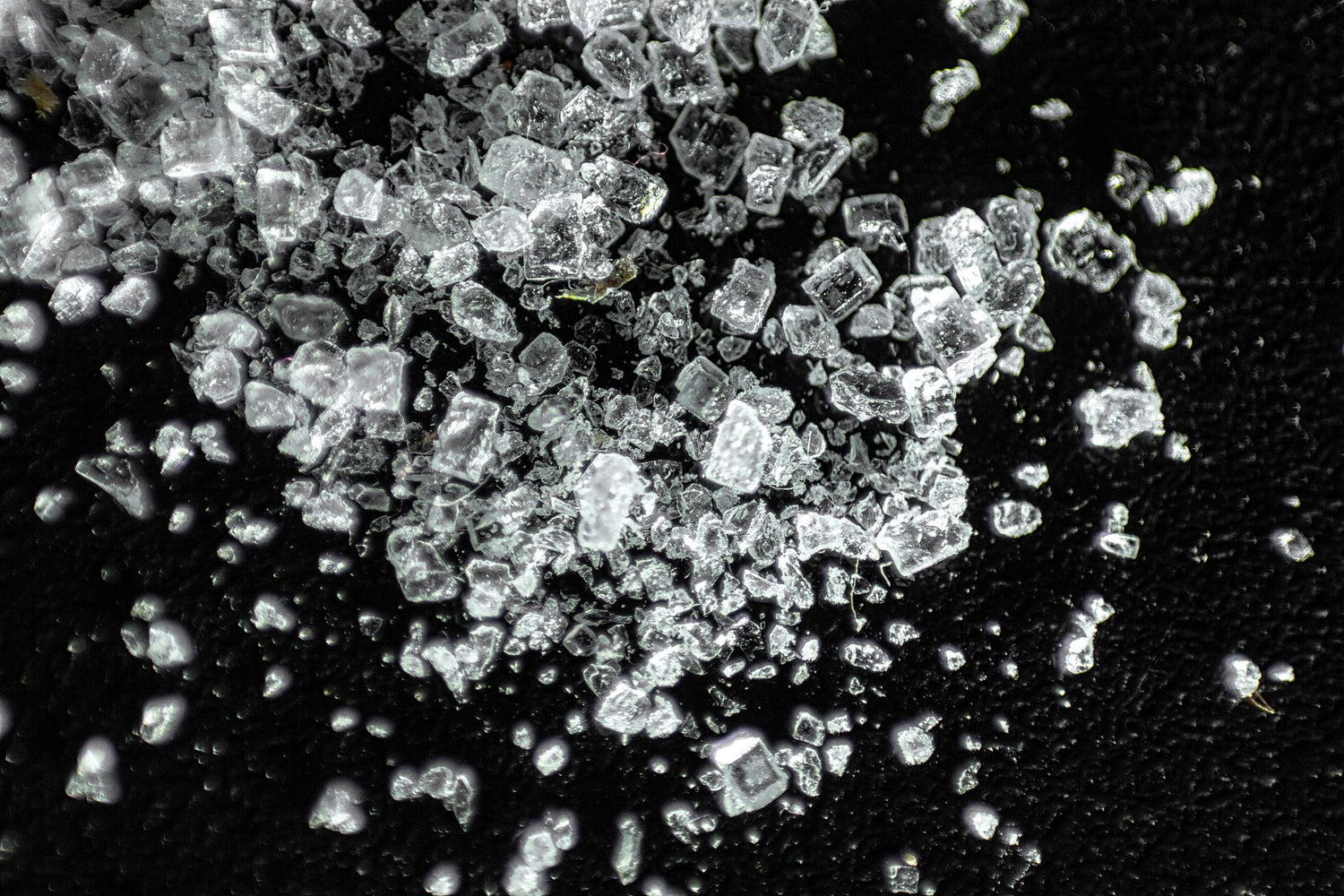
Most magnesium guides tell you to take 400 mg and call it a day — but which form you take determines how much of that 400 mg actually reaches your cells. Magnesium glycinate stands apart from the dozen-plus forms on the market in 2026 because it delivers magnesium chelated to glycine, an inhibitory amino acid that independently supports relaxation and sleep.* That dual mechanism means dose-per-dose comparisons with oxide, citrate, or threonate are genuinely misleading unless you account for absorption rate, tolerability, and the bonus effects of the carrier molecule.
Below, our editorial team breaks down what the absorption data actually says, compares magnesium glycinate head-to-head against the most popular alternatives, explains who benefits most, and shows you how to build an effective supplement stack around it.
What Is Magnesium Glycinate, and How Does Chelation Work?
Magnesium glycinate is a chelated form of magnesium in which each magnesium ion is bound to two molecules of glycine, the smallest amino acid. Chelation — from the Greek chele, meaning "claw" — describes this protective bond structure.
The chelation shields the magnesium from anti-nutrients in the gut — phytates, oxalates, and dietary fibre — that would otherwise bind to free magnesium ions and carry them out of the body unabsorbed. Instead of relying on passive paracellular diffusion (the route used by inorganic forms like oxide), chelated magnesium glycinate is absorbed through active amino acid transport channels in the intestinal wall.
The practical result: significantly higher bioavailability. A 2003 study in the Journal of the American College of Nutrition found that organic magnesium salts, including glycinate, demonstrated substantially greater absorption than inorganic forms like oxide, which has an estimated absorption rate of just 4% (Firoz & Graber, 2001).
Why Absorption Rate Matters More Than Headline Dose
The cheapest magnesium supplement on the shelf almost always contains magnesium oxide — and that's no accident. Oxide packs the most elemental magnesium per gram, so the label looks impressive. But what the label doesn't show is how little of that magnesium your body actually retains.
The UK Reference Nutrient Intake (RNI) is 300 mg/day for men and 270 mg/day for women. The National Diet and Nutrition Survey (NDNS) has consistently shown that a significant proportion of UK adults fall below these thresholds, with women aged 19–64 and older adults at greatest risk.
Simply taking "more magnesium" doesn't solve the problem if most of it passes through unabsorbed. Here's how forms compare on the metrics that actually matter:
| Magnesium Form | Elemental Mg per 500 mg | Estimated Absorption | Primary Use Case | GI Tolerability |
|---|---|---|---|---|
| Glycinate | ~70 mg | High | Sleep, relaxation, anxiety* | Excellent |
| Citrate | ~80 mg | Moderate–High | General deficiency, digestion | Moderate (laxative) |
| Threonate | ~48 mg | Moderate–High | Cognitive function* | Good |
| Oxide | ~302 mg | Low (~4%) | Laxative effect | Poor at higher doses |
| Taurate | ~50 mg | Moderate | Cardiovascular support* | Good |
| Malate | ~63 mg | Moderate | Energy, muscle recovery* | Good |
The takeaway is counterintuitive: the form with the lowest elemental magnesium per gram can deliver the most to your bloodstream. You're paying for what you absorb, not what's printed on the label.
The Glycine Advantage: Two Active Ingredients in One Molecule
Most mineral supplements attach their mineral to a biologically inert carrier — a filler that's excreted without effect. Magnesium glycinate is fundamentally different because glycine itself is a functional compound with a well-documented role in nervous system regulation.
Here's what glycine does independently of the magnesium it carries:
- GABA-A receptor modulation — Glycine potentiates GABA signalling, the brain's primary inhibitory pathway, which may help quiet racing thoughts before sleep.*
- Core body temperature reduction — Research published in the Journal of Pharmacological Sciences showed that glycine promotes peripheral vasodilation, lowering core body temperature — a physiological prerequisite for sleep onset (Kawai et al., 2015).*
- NMDA receptor co-agonism — At synaptic concentrations, glycine acts as a co-agonist at NMDA receptors, supporting synaptic plasticity and learning.*
- Anti-inflammatory action — Glycine inhibits inflammatory macrophage activation, which may support recovery and general wellbeing.*
A 2007 study in Sleep and Biological Rhythms found that 3 g of glycine taken before bed improved subjective sleep quality and reduced next-day fatigue in participants with self-reported sleep complaints (Inagawa et al., 2006).* These effects compound with magnesium's own calming properties, making glycinate a genuinely dual-action ingredient.
Magnesium Glycinate vs Citrate: The Most Common Question
Magnesium citrate is the most widely sold form in the UK, partly because it's affordable and partly because it has decent bioavailability. But the two forms differ in ways that matter depending on your goals.
Tolerability
Citrate has a well-known osmotic laxative effect. At doses above 200 mg of elemental magnesium, many people experience loose stools. Glycinate rarely causes this because its chelated structure is absorbed through amino acid transport channels rather than relying on passive paracellular absorption.
Calming effect
If your primary goal is sleep or stress support, glycinate has a clear edge. The glycine component provides independent calming benefits that citric acid simply doesn't offer.* Citrate delivers magnesium effectively, but nothing more.
Cost and value
Glycinate typically costs 20–40% more per serving than citrate. For general mineral repletion where GI tolerance isn't an issue, citrate is adequate. For targeted relaxation or sleep support, glycinate is the more evidence-aligned choice.*
When citrate is the better pick
If you're dealing with occasional constipation or simply need an affordable way to top up magnesium intake without specific sleep goals, citrate's mild laxative effect becomes a feature rather than a drawback.
Who Benefits Most From Magnesium Glycinate?
Magnesium glycinate is broadly relevant given population-level deficiency data. But certain groups tend to notice the most meaningful effects:*
People with sleep difficulties
Magnesium supports GABA activity and melatonin production, while glycine independently promotes sleep onset by lowering core body temperature. For adults who struggle to wind down after a demanding day, this combination may help establish a healthier sleep routine.*
Stressed professionals
Chronic psychological stress increases urinary magnesium excretion, creating a depletion cycle. Adaptogens like ashwagandha have been shown to modulate cortisol, and when combined with magnesium glycinate, the adaptogenic and mineral-replenishing effects may work synergistically.*
Adults over 40
Magnesium absorption declines with age, and older adults are statistically more likely to be deficient. The NIH Office of Dietary Supplements notes that ageing reduces intestinal magnesium absorption and increases renal excretion, making form selection even more critical in this group.
Anyone sensitive to GI side effects
If you've tried magnesium oxide or citrate and experienced digestive discomfort, glycinate's chelated structure offers a gentler alternative absorbed through different intestinal pathways.
How to Take Magnesium Glycinate Effectively
Getting the most from magnesium glycinate requires more than picking the right form. These evidence-based guidelines help you optimise absorption and results:
- Timing: Take it 30–60 minutes before bed if your goal is sleep support. Glycine takes roughly 30 minutes to begin lowering core body temperature.*
- Dose: Start with 200 mg of elemental magnesium. Check the label carefully — "magnesium glycinate 1,000 mg" typically contains only ~140 mg of elemental magnesium. Increase gradually if needed.
- Combine thoughtfully: Magnesium glycinate pairs well with L-theanine, which promotes alpha brain wave activity associated with calm alertness.* Avoid taking it alongside high-dose calcium or iron supplements, which compete for absorption.
- Allow time to build: Magnesium stores take 4–6 weeks to replenish fully. Don't judge effectiveness after a single night.
- Food context: Taking it with food may reduce any mild stomach sensitivity, though glycinate is already among the best-tolerated forms.
Stacking Magnesium Glycinate With Complementary Ingredients
I spent several years taking magnesium glycinate on its own before realising that sleep and cognitive performance are multi-pathway processes — and that isolated ingredients rarely match the results of a well-designed stack. Here's what the research supports for combination approaches:
For evening relaxation and sleep
Magnesium glycinate addresses mineral-level calming. Adding ashwagandha (which modulates the HPA axis to reduce cortisol), L-theanine (which promotes alpha brain waves), and passion flower (which supports GABA pathways through a different mechanism) creates a multi-target approach to winding down.*
This is the rationale behind Noobru Lucid, which combines these ingredients alongside lavender and Montmorency cherry in a drinkable format.* The sachet format itself supports faster absorption compared to tablets that must first dissolve in the stomach.
For daytime focus and clarity
A different stack applies during the day. Phosphatidylserine supports cell membrane integrity in neurons, huperzine A inhibits acetylcholinesterase to preserve acetylcholine levels, and vitamin B5 (pantothenic acid) plays a role in acetylcholine synthesis.* Noobru Advantage combines these with L-theanine for calm focus without jitteriness.*
The point isn't that standalone magnesium glycinate is ineffective — it isn't. But if you're already investing in a nightly supplement routine, combining complementary mechanisms tends to produce more noticeable results than any single ingredient alone.
Frequently Asked Questions
What is magnesium glycinate best used for?
Magnesium glycinate is most commonly used for sleep support, relaxation, and stress management. The glycine carrier adds independent calming effects through GABA modulation and core body temperature reduction, making this form particularly well-suited for evening use.*
How much magnesium glycinate should I take daily?
Most studies use 200–400 mg of elemental magnesium daily. Because glycinate has high bioavailability, lower doses may still be effective. Check your supplement label carefully — "1,000 mg magnesium glycinate" typically contains only ~140 mg of elemental magnesium. Consult your healthcare provider before starting.
Can I take magnesium glycinate every day?
Yes, magnesium glycinate is generally considered safe for daily use at recommended doses. Its chelated structure makes it less likely to cause digestive discomfort than oxide or citrate, making it suitable for ongoing supplementation.
What is the difference between magnesium glycinate and magnesium citrate?
Magnesium citrate has a mild osmotic laxative effect and is often used for digestive regularity, while magnesium glycinate is absorbed through amino acid transport channels with fewer GI side effects. Glycinate also delivers glycine, an amino acid that may independently support relaxation and sleep.*
Does magnesium glycinate help with sleep?
Magnesium glycinate may help improve sleep quality through two mechanisms: magnesium activates the parasympathetic nervous system and supports GABA activity, while glycine lowers core body temperature — a key physiological trigger for sleep onset.*
What does chelated magnesium mean?
Chelation means the magnesium ion is bonded to an organic molecule — in glycinate's case, two molecules of glycine. This bond prevents the magnesium from reacting with phytates, oxalates, and fibre in the gut, allowing absorption through amino acid transport pathways rather than less efficient passive diffusion.
Key Takeaways
- Absorption rate beats headline dose. Magnesium glycinate's chelated structure delivers significantly more usable magnesium than oxide, with fewer GI side effects than citrate.
- Glycine is a functional carrier, not filler. It independently supports GABA signalling, lowers core body temperature for sleep onset, and has anti-inflammatory properties.*
- Start with 200 mg elemental magnesium taken 30–60 minutes before bed. Allow 4–6 weeks for full mineral store repletion.
- Multi-ingredient stacks outperform solo minerals. Combining magnesium glycinate with L-theanine, ashwagandha, and complementary calming ingredients addresses multiple sleep and relaxation pathways simultaneously.*
- UK deficiency is common. NDNS data shows a significant proportion of adults fall short of recommended magnesium intakes — correcting this alone may improve sleep, mood, and energy.*
Looking for magnesium glycinate as part of a complete sleep and relaxation formula? Noobru Lucid combines it with ashwagandha, L-theanine, passion flower, and eight other calming ingredients in a drinkable sachet designed for faster absorption.*
Try Noobru risk-free with our 90-day money-back guarantee →References
- Firoz, M. & Graber, M. (2001). Bioavailability of US commercial magnesium preparations. Magnesium Research, 14(4), 257–262. PubMed
- Inagawa, K., Hiraoka, T., Kohda, T. et al. (2006). Subjective effects of glycine ingestion before bedtime on sleep quality. Sleep and Biological Rhythms, 4(1), 75–77. PubMed
- Kawai, N., Sakai, N., Okuro, M. et al. (2015). The sleep-promoting and hypothermic effects of glycine are mediated by NMDA receptors in the suprachiasmatic nucleus. Neuropsychopharmacology, 40(6), 1405–1416. PubMed
- National Diet and Nutrition Survey: Results from Years 9 to 11 (2016/2017 to 2018/2019). Public Health England / Food Standards Agency. GOV.UK
- Magnesium: Fact Sheet for Health Professionals. National Institutes of Health, Office of Dietary Supplements. NIH ODS
*These statements have not been evaluated by the Food and Drug Administration or MHRA. This product is not intended to diagnose, treat, cure, or prevent any disease. Always consult your healthcare provider before starting any supplement regimen.


Leave a comment
All comments are moderated before being published.
This site is protected by hCaptcha and the hCaptcha Privacy Policy and Terms of Service apply.