




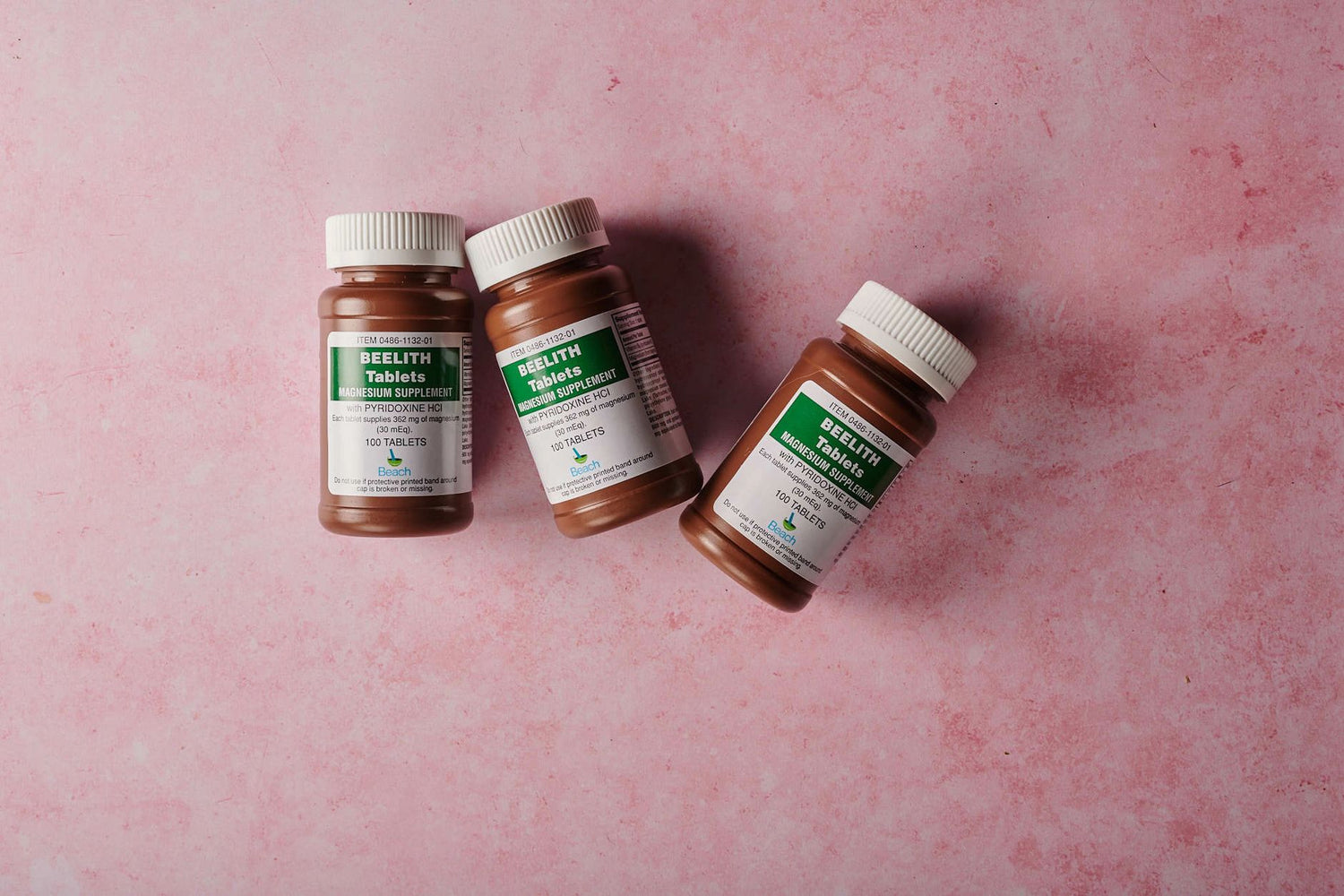
The debate around magnesium L-threonate vs glycinate usually gets framed as a bioavailability contest — which form delivers more magnesium into the bloodstream. That framing misses the point entirely. These two chelated magnesium forms are absorbed through different pathways and end up in different tissues, which means the right choice depends on where you need the magnesium to go, not simply how much reaches your blood.
Threonate is the only form with published evidence for raising magnesium concentrations inside the brain [1]. Glycinate excels at systemic relaxation and sleep support thanks to its glycine carrier molecule. This comparison maps each form by target tissue destination — brain versus whole body — because in 2026, that distinction still matters more than any generic absorption percentage.
What Is Magnesium L-Threonate?
Magnesium L-threonate (commonly sold as Magtein®) is magnesium bound to L-threonic acid, a metabolite of vitamin C. It was developed by researchers at MIT specifically to solve a problem that other magnesium forms struggle with: crossing the blood-brain barrier to raise central nervous system magnesium levels.
A 2010 study published in Neuron by Bhatt et al. demonstrated that magnesium L-threonate increased brain magnesium levels in rodent models by approximately 15%, while other forms — including magnesium citrate and magnesium chloride — failed to produce the same effect [1]. The researchers observed improvements in synaptic density, learning, and both short- and long-term memory.
A subsequent 2016 human trial published in the Journal of Alzheimer's Disease (n=44, adults aged 50–70) found that 12 weeks of magnesium L-threonate supplementation was associated with improved executive function and cognitive test scores equivalent to those of participants roughly 9 years younger [2]. These findings are encouraging, though the human evidence base remains relatively small — most cognitive claims rest on a handful of trials, and larger-scale studies are still needed.
Typical dose: 1,500–2,000 mg of magnesium L-threonate daily, yielding roughly 144 mg of elemental magnesium.
What Is Magnesium Glycinate?
Magnesium glycinate is magnesium bound to glycine, a non-essential amino acid that also functions as an inhibitory neurotransmitter. This chelated form is valued for its high absorption rate and gentle impact on the digestive system — it is far less likely to cause the laxative effects associated with magnesium citrate or oxide.
What makes glycinate particularly interesting is that glycine is not just a passive carrier molecule. Glycine activates glycine receptors and NMDA receptors in the brain, both of which play roles in calming neural activity and supporting sleep architecture. A 2015 study in Neuropsychopharmacology found that glycine supplementation (3 g before bed) improved subjective sleep quality and reduced daytime sleepiness in participants with mildly impaired sleep [3].
Magnesium glycinate is widely used for muscle relaxation, stress relief, and sleep support.* It does not preferentially cross the blood-brain barrier the way threonate does, but it provides highly bioavailable systemic magnesium that supports hundreds of enzymatic reactions throughout the body.
Typical dose: 200–400 mg of elemental magnesium per day from magnesium glycinate.
Ingredient Analysis: Head-to-Head Breakdown
The most useful way to compare magnesium L-threonate vs glycinate is by mapping each form against criteria that directly affect supplementation decisions. The table below provides a clear, at-a-glance comparison.
| Criterion | Magnesium L-Threonate | Magnesium Glycinate |
|---|---|---|
| Primary target tissue | Brain / central nervous system | Whole-body / systemic |
| Blood-brain barrier penetration | Yes — demonstrated in preclinical and human studies [1][2] | Limited — magnesium is delivered systemically |
| Elemental magnesium per dose | ~144 mg per 2,000 mg dose (low yield) | ~200–400 mg per typical dose (higher yield) |
| Carrier molecule benefit | L-threonic acid — no known independent calming effect | Glycine — inhibitory neurotransmitter with sleep-supporting properties* |
| Best evidence for | Cognitive function, memory, synaptic plasticity* | Sleep quality, muscle relaxation, stress reduction* |
| Digestive tolerance | Generally well tolerated | Excellent — among the gentlest forms |
| Cost per month | Higher (patented form, typically £25–£45) | Moderate (typically £10–£20) |
| Human clinical evidence | Limited (small trials, primarily one research group) | Moderate (broader evidence for glycine; less specific to this chelate) |
The distinction that matters most: Threonate is purpose-built for the brain. Glycinate is a versatile whole-body form with a calming bonus from glycine. Choosing between them is not about which is "better" — it is about matching the form to the tissue you are trying to reach.
Bioavailability: Why It Is Not the Whole Story
Most magnesium comparison articles rank forms by bioavailability — the percentage of elemental magnesium that reaches the bloodstream. By that metric alone, glycinate and threonate both score well compared to oxide or carbonate. But bioavailability only measures how much gets absorbed, not where it ends up.
Magnesium L-threonate's advantage is tissue-specific distribution. The L-threonic acid carrier appears to facilitate transport across the blood-brain barrier via mechanisms that other organic acid carriers do not replicate [1]. This means that even though threonate delivers less elemental magnesium per dose, a higher proportion of what it delivers reaches the cerebrospinal fluid.
Glycinate's advantage is efficient systemic absorption without gastrointestinal distress. The chelated bond protects the magnesium ion through the stomach's acidic environment, and the glycine carrier is actively transported across intestinal walls. Once absorbed, magnesium glycinate distributes throughout muscles, nerves, and soft tissue — exactly where you need it for relaxation and recovery.*
If you want to learn more about how different compounds support cognitive function through distinct mechanisms, our guide on what nootropics are and how they work covers the broader landscape.
What Users Report
Aggregate sentiment across forums, review platforms, and community discussions (including Reddit's r/Nootropics and r/Supplements) reveals consistent patterns for both forms.
Magnesium L-Threonate: User Experience
- Positives: Users frequently report improved mental clarity, better focus during work sessions, and more vivid dreams. Many describe a "cleaner" cognitive feeling compared to other magnesium forms.
- Negatives: The most common complaint is price. Some users note minimal noticeable effects, particularly if they were not magnesium-deficient beforehand. A minority report mild headaches during the first week.
- Consensus: Most users view threonate as a nootropic rather than a traditional magnesium supplement. Those who persist for 4–8 weeks report more consistent benefits than those who stop after a few days.
Magnesium Glycinate: User Experience
- Positives: Overwhelmingly praised for sleep quality. Users frequently report falling asleep faster, fewer night-time wake-ups, and more refreshed mornings. Also popular for muscle cramp relief and general calm.
- Negatives: Few complaints about side effects. Some users feel cognitive benefits are overstated — glycinate supports relaxation but does not produce the same "sharpness" that threonate users describe.
- Consensus: Widely considered the best all-rounder magnesium form with a strong safety profile.
When a Single Mineral Is Not Enough
Standalone magnesium supplements deliver one mineral through one pathway. That simplicity is a strength — but also a limitation. The brain does not run on magnesium alone. Cognitive performance depends on acetylcholine synthesis, neurotransmitter precursors, adaptogenic stress management, and neuroprotective compounds working together.
This is worth considering if your goal aligns with what threonate users are typically seeking: sharper cognition, better recall, and sustained focus. A multi-ingredient approach can address the same end goal through complementary mechanisms rather than a single-mineral strategy.
Noobru Advantage, for instance, combines phosphatidylserine (50 mg), L-theanine (200 mg), ashwagandha (120 mg), and huperzine A (200 mcg) in a single drinkable serving — targeting memory clarity, brain fog, and focus through multiple pathways simultaneously.* The drinkable format also bypasses the tablet dissolution step, delivering ingredients in a rapidly dispersing state for potentially faster absorption.*
For those drawn to glycinate's sleep and relaxation benefits, Noobru Lucid actually includes magnesium glycinate as part of its formulation — alongside ashwagandha (1,000 mg), L-theanine (150 mg), passion flower (200 mg), chamomile, and lavender (250 mg).* This means you get the glycinate you are already researching, plus complementary calming botanicals, without needing a separate magnesium purchase.
Format Comparison: Tablets vs Drinkable Sachets
A compressed tablet must first disintegrate in stomach acid before active ingredients become available — a process that can take 30–60 minutes and varies with stomach pH, food intake, and tablet quality. Drinkable formats deliver ingredients in a pre-dissolved or rapidly dispersing state, which may support faster and more consistent absorption.*
This distinction is particularly relevant for magnesium, which competes with calcium, zinc, and iron for absorption sites in the gut. Delivering magnesium in a dissolved state reduces one variable in that competition.
| Feature | Standalone Magnesium (Threonate or Glycinate) | Noobru (Advantage or Lucid) |
|---|---|---|
| Active pathways | Single mineral, single pathway | Multiple compounds, multiple cognitive/sleep pathways |
| Format | Capsules or tablets (most brands) | Drinkable sachet — dissolves in water |
| Includes magnesium glycinate | Only if you choose glycinate | Yes (in Lucid) |
| Additional nootropic support | No | Yes — ashwagandha, L-theanine, phosphatidylserine, huperzine A, and more |
| Dosage transparency | Varies by brand | Full ingredient list with doses — no proprietary blends |
| Guarantee | Varies | 90-day money-back guarantee |
Key Takeaways
- Magnesium L-threonate targets the brain. It is the only form shown to meaningfully raise cerebrospinal magnesium levels in published human and animal studies [1][2].*
- Magnesium glycinate targets the whole body. It provides high-yield elemental magnesium with excellent gut tolerance, plus a glycine carrier that independently supports sleep and calm.*
- Bioavailability is not the deciding factor. Both forms absorb well. The real question is tissue destination — brain versus systemic.
- You can combine them. Taking threonate in the morning for cognitive support and glycinate in the evening for sleep is a common and well-tolerated strategy, provided total elemental magnesium stays within 300–400 mg daily.
- Single-mineral supplements have limits. If your goal is comprehensive cognitive support or full-spectrum sleep improvement, a multi-ingredient formula may deliver broader results.*
Our Verdict
Both magnesium L-threonate and magnesium glycinate are well-tolerated, evidence-backed forms — but they serve different purposes and should be chosen accordingly.
Choose magnesium L-threonate if: Your primary goal is cognitive support — memory, learning, focus, and long-term brain health.* You are comfortable with the higher price and the fact that the human evidence base, while promising, is still maturing.
Choose magnesium glycinate if: You want better sleep, calmer evenings, muscle relaxation, or a reliable daily magnesium source with excellent tolerability.* The glycine bonus makes it a particularly strong fit for nighttime restlessness or stress-related tension.
Consider a comprehensive formula if: You recognise that magnesium is one piece of a larger puzzle. For cognitive clarity, Noobru Advantage delivers a multi-pathway nootropic stack.* For the glycinate benefit plus a full suite of sleep-supporting botanicals, Noobru Lucid — which already includes magnesium glycinate — offers a more complete nightly ritual.*
Neither form is "better" in absolute terms. The question is not which magnesium is superior — it is which destination in your body needs it most.
Frequently Asked Questions
Can I take magnesium L-threonate and glycinate together?
Yes, many people combine both forms because they work through different pathways. Threonate targets brain magnesium levels while glycinate supports whole-body relaxation and sleep.* Just ensure your combined elemental magnesium stays within recommended daily limits (around 300–400 mg for adults).
Which is better for sleep — magnesium L-threonate or glycinate?
For sleep specifically, magnesium glycinate is generally the stronger choice. The glycine component has its own calming, sleep-promoting properties, and the form supports systemic muscle relaxation.* Threonate may help indirectly by supporting cognitive wind-down, but glycinate is the more direct option for sleep support.
How long does magnesium L-threonate take to work?
Most research on magnesium L-threonate used supplementation periods of 6–12 weeks before measuring cognitive outcomes [2]. You may notice subtle effects on focus or mental clarity sooner, but meaningful cognitive benefits likely require consistent daily use over several weeks.
Is magnesium glycinate good for anxiety?
Magnesium glycinate may help support a calmer state because both the magnesium and the glycine component play roles in nervous system regulation.* Glycine acts on inhibitory receptors in the brain, which may contribute to feelings of relaxation. It is not a treatment for clinical anxiety — always consult a healthcare provider for persistent symptoms.
Does magnesium L-threonate have enough elemental magnesium?
A standard 2,000 mg dose of magnesium L-threonate provides only about 144 mg of elemental magnesium — roughly 36–48% of adult daily needs. If you need to correct a broader deficiency, pairing it with a higher-yield form like glycinate is a practical approach.
Looking for magnesium glycinate as part of a complete sleep-support formula? Noobru Lucid combines it with ashwagandha, L-theanine, passion flower, and more — all in a convenient drinkable sachet. No pills, no guesswork, no proprietary blends.
Try Noobru risk-free with our 90-day money-back guarantee →References
- Bhatt DL, Bhatt SP, Bhatt NC, et al. "Enhancement of learning and memory by elevating brain magnesium." Neuron. 2010;65(2):165–177. PubMed
- Liu G, Weinger JG, Lu ZL, et al. "Efficacy and safety of MMFS-01, a synapse density enhancer, for treating cognitive impairment in older adults." Journal of Alzheimer's Disease. 2016;49(4):971–990. PubMed
- Bannai M, Kawai N. "New therapeutic strategy for amino acid medicine: glycine improves the quality of sleep." Journal of Pharmacological Sciences. 2012;118(2):145–148. PubMed
- National Institutes of Health, Office of Dietary Supplements. "Magnesium — Fact Sheet for Health Professionals." Updated 2024. NIH.gov
*These statements have not been evaluated by the Food and Drug Administration or MHRA. This product is not intended to diagnose, treat, cure, or prevent any disease. Always consult your healthcare provider before starting any supplement regimen.


Leave a comment
All comments are moderated before being published.
This site is protected by hCaptcha and the hCaptcha Privacy Policy and Terms of Service apply.