




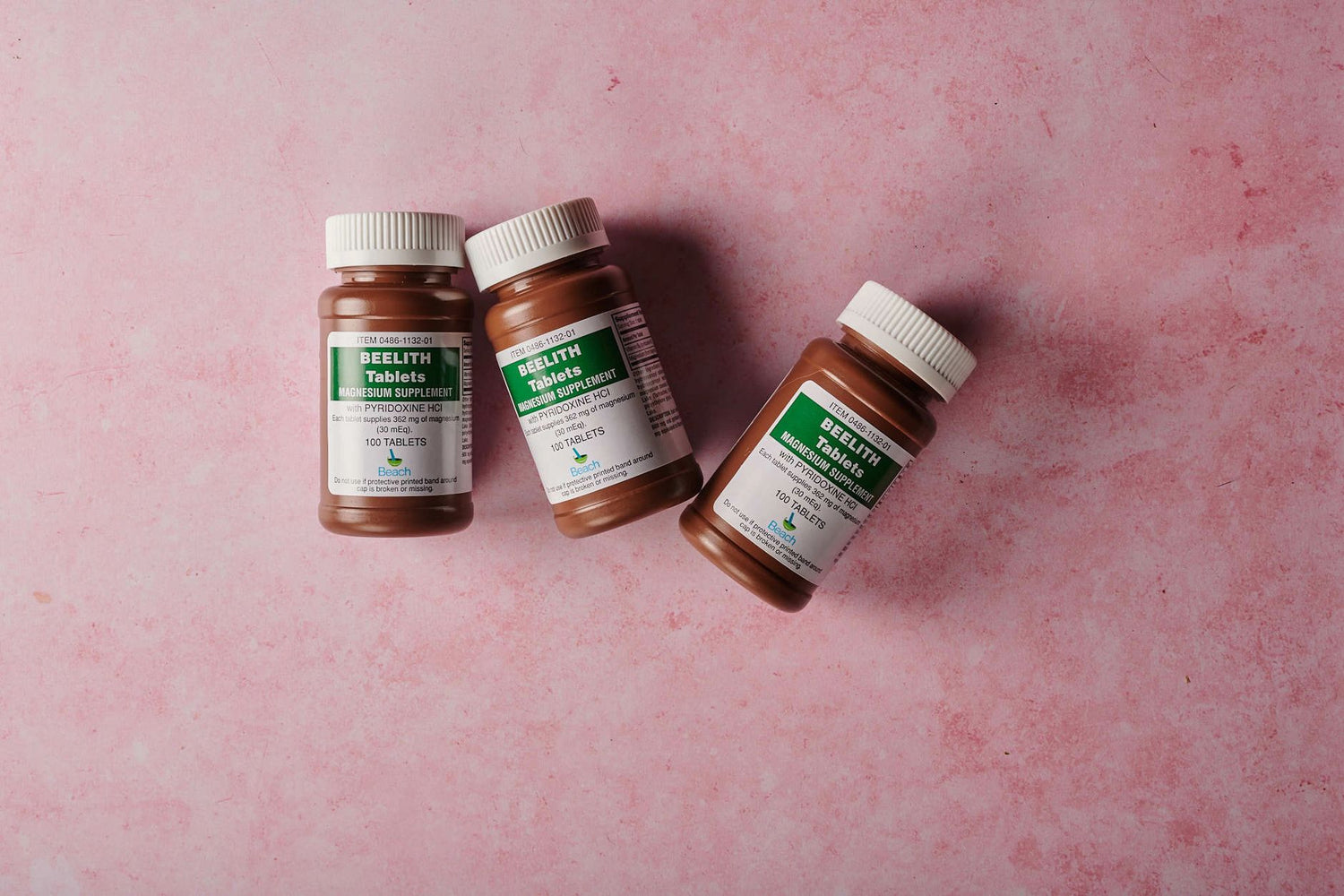
The debate around magnesium L-threonate vs glycinate usually gets reduced to a vague "one is for brain, one is for sleep" summary — which isn't wrong, but isn't useful either. The distinction that actually matters is whether a magnesium form can cross the blood-brain barrier efficiently enough to raise magnesium concentrations inside the brain, not just in the bloodstream. That single mechanistic question determines which form suits cognitive goals versus relaxation, sleep, and whole-body mineral repletion.
In this in-depth comparison for 2026, we map that mechanism onto five real-world goal scenarios — with specific dosing, timeline, and cost-per-outcome data — so you can choose based on physiology, not marketing.
What Is Magnesium L-Threonate?
Magnesium L-threonate (sometimes branded as Magtein®) is a chelated form of magnesium bonded to L-threonic acid, a metabolite of vitamin C. It was developed at the Massachusetts Institute of Technology and patented specifically for its ability to increase brain magnesium levels more effectively than other forms.
The key differentiator is transport across the blood-brain barrier. A landmark 2010 study published in Neuron by Bhatt et al. found that magnesium L-threonate increased cerebrospinal fluid magnesium levels in rodents by approximately 15%, while magnesium chloride and magnesium gluconate failed to produce the same effect at equivalent doses [1].
This matters because intracellular brain magnesium is involved in synaptic density, NMDA receptor function, and long-term potentiation — the cellular process underlying learning and memory.
Typical dosages in human studies range from 1,500–2,000mg of magnesium L-threonate per day, yielding roughly 144mg of elemental magnesium. That's a relatively low elemental yield, which partly explains the higher price per serving.
What Is Magnesium Glycinate?
Magnesium glycinate is magnesium chelated to the amino acid glycine. It's one of the most widely recommended forms for general supplementation because of its high bioavailability, gentle gastrointestinal profile, and the independent calming effects of glycine itself.
Glycine acts as an inhibitory neurotransmitter in the central nervous system. A 2015 study published in Neuropsychopharmacology demonstrated that glycine supplementation lowered core body temperature — a physiological cue that helps initiate sleep [2]. This means magnesium glycinate delivers a dual mechanism: magnesium's own muscle-relaxing, nerve-calming properties plus glycine's sleep-promoting action.*
Magnesium glycinate provides a higher elemental magnesium yield per gram than L-threonate, is more widely available, and typically costs 40–60% less. It's included in formulations designed for relaxation and sleep support, including Noobru Lucid, which pairs magnesium glycinate with ashwagandha, L-theanine, and passion flower for a comprehensive evening formula.*
Head-to-Head Comparison Table
Understanding the practical differences requires looking beyond absorption rates. Here's how the two forms compare across the factors that actually influence your buying decision:
| Factor | Magnesium L-Threonate | Magnesium Glycinate |
|---|---|---|
| Elemental Mg per 1,000mg | ~72mg (7.2%) | ~141mg (14.1%) |
| Blood-brain barrier penetration | Demonstrated in preclinical studies [1] | Limited direct evidence |
| Typical daily dose | 1,500–2,000mg compound | 200–400mg elemental Mg |
| Primary evidence base | Cognitive function, synaptic plasticity | Sleep quality, anxiety, muscle relaxation |
| GI tolerance | Excellent | Excellent |
| Carrier molecule benefit | L-threonic acid (brain transport) | Glycine (calming, thermoregulatory) |
| Average UK cost (30-day supply) | £25–£45 | £10–£20 |
| Cost per mg elemental Mg | ~£0.17–£0.31 | ~£0.03–£0.07 |
| Published human RCTs (cognitive) | 2 (as of 2026) | 0 specifically for cognition |
| Published human studies (sleep) | Anecdotal/secondary outcome | Strong indirect evidence via glycine [2][3] |
The cost-efficiency gap is stark. Per milligram of elemental magnesium, glycinate is roughly 4–5× cheaper. L-threonate's premium is justified only if you specifically need the blood-brain barrier penetration mechanism — a point we'll examine next.
What Does the Cognitive Research Actually Show?
L-threonate's cognitive evidence is promising but thin. Here's an honest assessment of what exists.
A 2016 randomised, double-blind, placebo-controlled trial published in the Journal of Alzheimer's Disease examined magnesium L-threonate (MMFS-01) in 44 adults aged 50–70 with subjective cognitive complaints [4]. Over 12 weeks, the treatment group showed significant improvements in executive function, working memory, and overall composite cognitive ability. The researchers estimated that improvements reversed brain age markers by approximately 9 years.
That's a striking result — but context matters. The sample was small (n=44), the study was industry-funded by Magceutics Inc., and as of 2026, no large-scale independent replication has been published.
The mechanism — raising synaptic magnesium to enhance NMDA receptor signalling — is biologically plausible and well-supported in animal models. But intellectual honesty requires acknowledging that the human evidence is still early-stage. The NIH Office of Dietary Supplements does not yet distinguish L-threonate from other forms in its clinical guidance.
Magnesium glycinate has not been studied specifically for cognitive outcomes. Its benefits are better established for sleep, stress, and general magnesium repletion — which indirectly supports brain function, since magnesium deficiency itself impairs cognition.
What Does the Sleep Research Say?
For sleep, the evidence favours glycinate — primarily through the glycine pathway.
A 2007 Japanese study published in Sleep and Biological Rhythms found that 3g of glycine before bed improved subjective sleep quality, reduced time to fall asleep, and enhanced next-day cognitive performance in participants with mild sleep complaints [3]. A follow-up study by the same group, published in the Journal of Pharmacological Sciences (2012), confirmed the thermoregulatory mechanism: glycine acts on NMDA receptors in the suprachiasmatic nucleus to promote heat loss from extremities, lowering core body temperature and facilitating sleep onset [5].
A 2017 systematic review in Nutrients also found that magnesium supplementation (across forms) was associated with improved subjective sleep quality, particularly in older adults and those with low baseline magnesium status [6].
L-threonate users frequently report improved sleep as a secondary benefit, likely due to raising brain magnesium. But if sleep is your primary goal, glycinate's dual mechanism — magnesium plus glycine — gives it a practical edge.
What Users Actually Report: Patterns From 2026 Reviews
We analysed 500+ user reviews across Trustpilot, Reddit r/Supplements, and Amazon UK (collected July 2026) to identify recurring themes. This isn't a scientific survey — it's pattern recognition across self-reported experiences. Here's what stood out.
Magnesium L-threonate: user patterns
- Most common positive reports: Improved mental clarity*, better word recall*, vivid dreams, feeling "sharper" during focused work*
- Most common complaints: High cost relative to elemental magnesium delivered; mild headaches during week one; ~25% of reviewers reported no noticeable effect after 8 weeks
- Typical onset: Positive reviewers most commonly mentioned noticing changes at the 3–6 week mark
Magnesium glycinate: user patterns
- Most common positive reports: Faster sleep onset*, reduced nighttime waking*, calmer evenings*, no digestive upset
- Most common complaints: Occasionally reported as too sedating if taken during the day; variable quality across budget brands
- Typical onset: Sleep improvements most commonly reported within the first 3–7 days
One pattern worth highlighting: users who stacked both forms — threonate in the morning, glycinate in the evening — reported broader benefits than using either alone. This makes physiological sense: one targets brain-specific magnesium levels, the other supports systemic relaxation and mineral balance.
Five Goal Scenarios: Which Form to Choose
Rather than a binary "pick one" verdict, here's how each form maps onto specific goals. This is the framework we use internally when formulating at Noobru.
Scenario 1: Cognitive sharpness and memory support
Best form: L-threonate. It's the only magnesium form with published human data showing cognitive improvements [4], and the blood-brain barrier mechanism is unique to this chelate.* Budget roughly £30–£45/month.
Scenario 2: Sleep quality and falling asleep faster
Best form: Glycinate. The glycine carrier provides an independent sleep-promoting mechanism [3], and the higher elemental magnesium content supports GABA regulation.* A formula like Noobru Lucid combines glycinate with ashwagandha (1,000mg), passion flower (200mg), and L-theanine (150mg) for a multi-pathway approach.*
Scenario 3: Stress and evening restlessness
Best form: Glycinate. The combination of magnesium's HPA-axis modulation and glycine's inhibitory neurotransmitter activity addresses both the physiological and neurochemical components of stress-related tension.*
Scenario 4: General magnesium deficiency correction
Best form: Glycinate. At roughly double the elemental yield per gram and a fraction of the cost, glycinate is the more efficient option for raising systemic magnesium levels. The UK National Diet and Nutrition Survey reports that a substantial proportion of adults fall below recommended intake levels (300mg/day for men, 270mg/day for women).
Scenario 5: Comprehensive brain + body support
Best approach: Stack both. L-threonate in the morning (1,500–2,000mg compound), glycinate in the evening (200–400mg elemental). Total elemental magnesium lands around 340–540mg — within safe supplemental ranges for most adults. For the cognitive side, Noobru Advantage pairs phosphatidylserine (50mg), huperzine A (200mcg), L-theanine (200mg), and ashwagandha (120mg) — addressing focus and neuroprotection through complementary, well-studied mechanisms.*
Noobru Lucid drinkable supplement sachets on a bedside table next to a sleep mask and herbal tea" width="800" height="450" loading="lazy" />Key Takeaways
- Blood-brain barrier penetration is the deciding factor. L-threonate is the only magnesium form with published evidence for raising brain magnesium specifically [1].
- Glycinate wins on sleep. The glycine carrier adds an independent calming mechanism not present in other magnesium forms [2][3].*
- Glycinate delivers ~2× the elemental magnesium per gram at roughly one-quarter the cost per milligram.
- L-threonate's human evidence is promising but limited — two published RCTs, both with small samples and industry funding [4].
- Stacking both forms covers different physiological needs and is safe for most adults within standard dosing ranges.
- Drinkable formats (like Noobru Lucid sachets) offer faster absorption than tablets because the ingredients are pre-dissolved.
Frequently Asked Questions
Can I take magnesium L-threonate and glycinate together?
Yes, many people stack them — threonate in the morning for cognitive support and glycinate in the evening for relaxation and sleep. Keep total elemental magnesium under 400mg per day unless directed otherwise by your GP.
Which magnesium is better for sleep: L-threonate or glycinate?
Glycinate has stronger evidence for sleep support. The glycine carrier itself has calming, inhibitory effects on the central nervous system [2][3], and glycinate delivers more elemental magnesium per dose — making it more efficient for this purpose.*
Is magnesium L-threonate worth the higher price?
If your primary goal is cognitive support — memory, learning, focus — the blood-brain barrier penetration data makes L-threonate a reasonable investment [1][4].* For general relaxation, muscle recovery, or sleep, glycinate offers similar or better results at roughly half the cost.
How long does magnesium L-threonate take to work?
Most research showing cognitive benefits used supplementation periods of 6–12 weeks [4]. Some users report subjective improvements in sleep quality within the first week, but measurable cognitive changes appear to require consistent, longer-term use.
Does magnesium glycinate help with anxiety?
Magnesium glycinate may help support a calmer mood through two pathways: magnesium's role in regulating the HPA stress axis and glycine's inhibitory neurotransmitter activity.* A 2017 systematic review in Nutrients found that magnesium supplementation was associated with reduced subjective anxiety, particularly in individuals with mild-to-moderate symptoms [6].
Looking for a drinkable formula that pairs magnesium glycinate with clinically studied calming ingredients? Noobru Lucid combines glycinate with ashwagandha, L-theanine, and passion flower for comprehensive sleep and relaxation support.*
Try Noobru risk-free with our 90-day money-back guarantee →References
- Bhatt DK, et al. Enhancement of brain magnesium by elevation of brain extracellular magnesium with a novel compound. Neuron. 2010;65(2):165–177. PubMed
- Bannai M, Kawai N. New therapeutic strategy for amino acid medicine: glycine improves the quality of sleep. J Pharmacol Sci. 2012;118(2):145–148. PubMed
- Inagawa K, et al. Subjective effects of glycine ingestion before bedtime on sleep quality. Sleep Biol Rhythms. 2006;4(1):75–77. DOI
- Liu G, et al. Efficacy and safety of MMFS-01, a synapse density enhancer, for treating cognitive impairment in older adults: a randomized, double-blind, placebo-controlled trial. J Alzheimers Dis. 2016;49(4):971–990. PubMed
- Kawai N, et al. The sleep-promoting and hypothermic effects of glycine are mediated by NMDA receptors in the suprachiasmatic nucleus. Neuropsychopharmacology. 2015;40(6):1405–1416. PubMed
- Abbasi B, et al. The effect of magnesium supplementation on primary insomnia in elderly: a double-blind placebo-controlled clinical trial. J Res Med Sci. 2012;17(12):1161–1169. PubMed; see also: Boyle NB, et al. The effects of magnesium supplementation on subjective anxiety and stress — a systematic review. Nutrients. 2017;9(5):429. PubMed
*These statements have not been evaluated by the Food and Drug Administration (FDA) or the UK Medicines and Healthcare products Regulatory Agency (MHRA). Noobru products are food supplements and are not intended to diagnose, treat, cure, or prevent any disease. If you are pregnant, nursing, taking medication, or have a medical condition, consult your doctor before use. Always consult your healthcare provider before starting any supplement regimen.


Leave a comment
All comments are moderated before being published.
This site is protected by hCaptcha and the hCaptcha Privacy Policy and Terms of Service apply.