




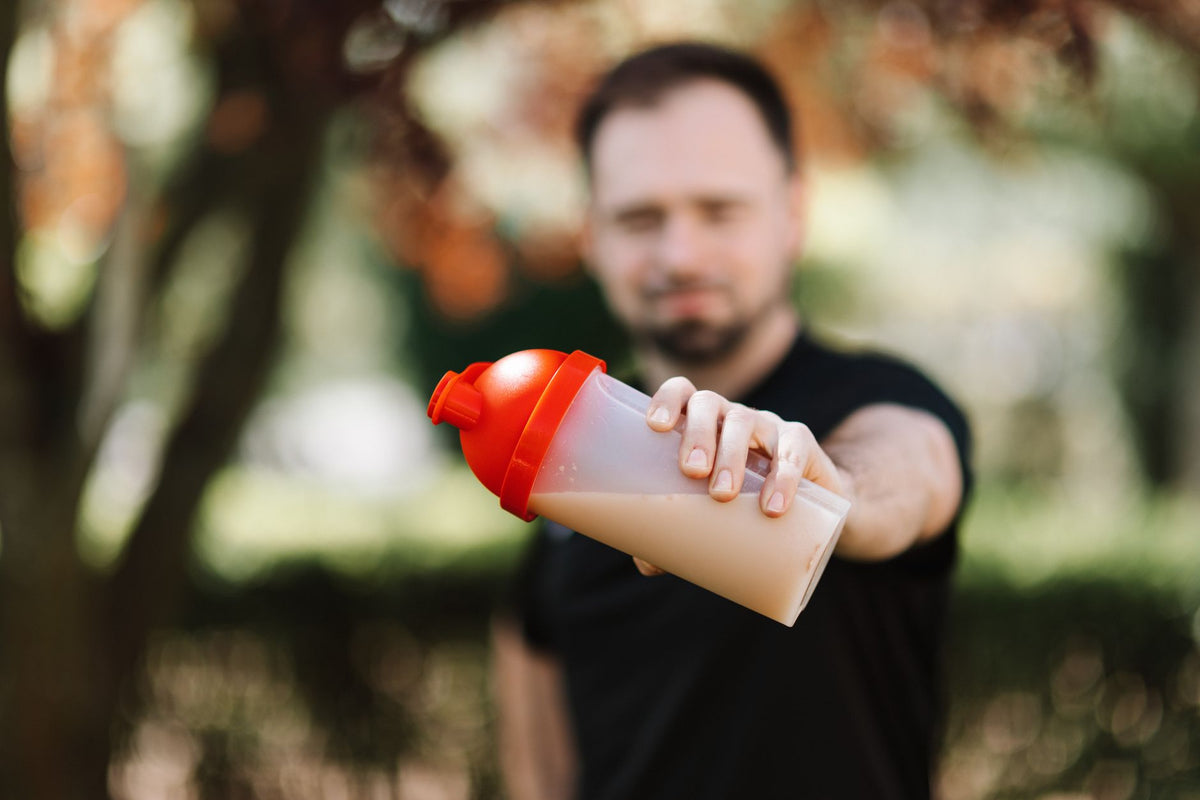
Protein Supplements: Which Type Actually Works Best for You?
Most protein supplement guides rank products by brand reputation or taste. That is not particularly helpful when you are trying to decide between whey, casein, plant, or collagen. This article compares the four main types of protein supplements across three criteria that actually matter: absorption speed, leucine density (the amino acid most responsible for triggering muscle protein synthesis), and digestive tolerance — so you can match the right protein to your specific goal in 2026.
Whether you are a gym regular chasing faster recovery, a busy professional plugging dietary gaps, or someone over 50 looking to preserve lean mass, the "best" protein supplement depends entirely on when you take it, why you take it, and how your gut responds.
Why Protein Supplements Matter: The Gap Most Diets Leave
Protein supplements exist to close a consistent gap between what people need and what they eat. The British Nutrition Foundation recommends a minimum of 0.75 g of protein per kilogram of body weight daily [1]. For a 75 kg adult, that is 56 g — a target that sounds modest until you track it honestly.
Research published in the British Journal of Nutrition found that approximately 25% of UK adults fail to meet even this baseline at one or more meals [2]. The shortfall widens for vegetarians, older adults, and anyone doing regular resistance training, where recommendations climb to 1.6–2.2 g per kg per day [3].
A well-chosen protein supplement does not replace whole food. It fills the specific meal or timing window where real food falls short — a post-workout shake, a mid-afternoon snack, or a quick breakfast addition.
The Four Main Types of Protein Supplements Compared
Below is our head-to-head comparison framework. We have scored each type across the three criteria that most influence real-world results.
Whey Protein (Concentrate & Isolate)
Best for: Post-workout recovery and muscle protein synthesis.
- Absorption speed: Fast — peak amino acid levels in blood within 60–90 minutes [3].
- Leucine density: High — approximately 10–12% leucine per serving, the highest of any common protein source.
- Digestive tolerance: Moderate. Isolate removes most lactose, but concentrate can cause bloating in lactose-sensitive individuals.
Whey remains the most-studied protein supplement. A 2022 systematic review in Sports Medicine confirmed that whey supplementation, combined with resistance training, significantly increased lean body mass compared to placebo across 74 trials [3]. If you tolerate dairy and want the fastest post-training amino acid spike, whey isolate is the strongest evidence-based choice.*
Casein Protein
Best for: Sustained amino acid release, especially before bed.
- Absorption speed: Slow — casein forms a gel in the stomach, delivering amino acids over 5–7 hours [4].
- Leucine density: Moderate — roughly 8–9% per serving.
- Digestive tolerance: Lower than whey isolate. The slow digestion can cause discomfort in some people.
A 2019 study in Frontiers in Nutrition found that 40 g of casein taken before sleep improved overnight muscle protein synthesis by 22% in active men [4]. Casein is not better or worse than whey — it is a different tool for a different timing window.
Plant Protein Blends (Pea, Rice, Hemp, Soy)
Best for: Vegans, those with dairy sensitivities, or anyone seeking digestive comfort.
- Absorption speed: Moderate — slightly slower than whey, faster than casein.
- Leucine density: Lower individually (6–8%), but pea-rice blends achieve a complete amino acid profile comparable to whey [5].
- Digestive tolerance: Generally high. Fewer allergens than dairy-based options.
The key insight with plant protein: single-source products (pea alone, rice alone) have incomplete amino acid profiles. Blended formulas solve this. A 2019 study in the Journal of the International Society of Sports Nutrition found that pea protein produced equivalent muscle thickness gains to whey over 12 weeks of resistance training [5]. If you choose plant, choose a blend.*
Collagen Protein
Best for: Joint, skin, and connective tissue support — not muscle building.
- Absorption speed: Moderate — hydrolysed collagen peptides absorb within 1–2 hours.
- Leucine density: Very low — collagen contains almost no leucine and is not a complete protein.
- Digestive tolerance: High. Generally well-tolerated.
Collagen is excellent at what it does — a 2019 review in Nutrients linked hydrolysed collagen supplementation to improved skin elasticity and reduced joint pain [6].* However, it is a poor choice if your goal is muscle protein synthesis. Think of collagen as a complementary protein supplement, not a primary one.
How to Choose the Right Protein Supplement for Your Goal
Matching protein type to purpose is more important than chasing the "highest quality" label. Here is a simple decision framework:
- Goal: post-workout muscle recovery → Whey isolate (fastest leucine delivery).
- Goal: overnight recovery → Casein (sustained release over 5–7 hours).
- Goal: daily protein top-up without dairy → Pea-rice plant blend.
- Goal: skin/joint support → Hydrolysed collagen peptides alongside a complete protein source.
- Goal: general health + cognitive function → Combine a quality protein with targeted micronutrient support. The Noobru supplement range includes ingredients like L-theanine and phosphatidylserine that may help support cognitive function alongside your protein routine.*
How Much Protein Do You Actually Need?
The right dose depends on your body weight, activity level, and goals. Here are evidence-based ranges:
- Sedentary adults: 0.75–1.0 g per kg body weight per day [1].
- Recreational exercisers: 1.2–1.4 g per kg per day.
- Strength/power athletes: 1.6–2.2 g per kg per day [3].
- Older adults (65+): 1.0–1.2 g per kg per day to help counteract age-related muscle loss.*
Most protein supplements deliver 20–30 g per serving. For the average person, one to two servings per day is sufficient to bridge the dietary gap — not replace meals.
Three Mistakes to Avoid with Protein Supplements
After years of writing about supplements for the Noobru blog, we see the same errors repeatedly:
- Using collagen as your only protein source. Collagen lacks essential amino acids needed for muscle synthesis. Pair it with whey or a plant blend.
- Ignoring total daily intake. A protein shake does not help if your overall intake is already adequate. Track for one week before supplementing blindly.
- Choosing by taste alone. The best-tasting protein powder is irrelevant if it causes bloating or contains fillers. Check the ingredient list: the fewer items, the better.
Key Takeaways
- Protein supplements are tools to fill dietary gaps, not meal replacements.
- Whey isolate leads for post-workout absorption speed and leucine content.
- Plant blends (pea + rice) match whey for muscle gains when dosed correctly.*
- Casein is purpose-built for overnight recovery.
- Collagen supports joints and skin but cannot replace a complete protein.*
- Match your protein type to your timing and goal, not to marketing claims.
Frequently Asked Questions About Protein Supplements
What is the best type of protein supplement?
There is no single best type. Whey protein isolate absorbs fastest and has the highest leucine content, making it ideal for post-workout recovery. Plant protein blends suit those with dairy sensitivities, while casein is best taken before bed for sustained amino acid release.
How much protein supplement should I take per day?
Most adults benefit from 20–40 g of supplemental protein per day, depending on activity level. The British Nutrition Foundation recommends 0.75 g of protein per kg of body weight daily as a minimum, with active individuals needing up to 1.6–2.2 g per kg [1][3].
Are protein supplements safe?
For most healthy adults, protein supplements are safe when used as directed. However, those with kidney conditions should consult a healthcare provider first. Look for products that carry third-party testing certifications such as Informed Sport or NSF.
Can protein supplements help with weight loss?
Protein may help support weight management by promoting satiety and preserving lean muscle during calorie restriction.* A 2020 meta-analysis in the Journal of the American College of Nutrition found higher protein intake was associated with greater fat loss when combined with resistance training [7].
Do I need protein supplements if I eat enough food?
Not necessarily. Supplements are most useful when whole-food protein intake falls short — common among vegetarians, older adults, and people with demanding training schedules. If you consistently hit your protein target through meals, supplementation is optional.
References
- British Nutrition Foundation — Protein
- Roberts C et al. (2018). Protein intake in the UK National Diet and Nutrition Survey. British Journal of Nutrition.
- Morton RW et al. (2022). Protein supplementation and resistance training: a systematic review. Sports Medicine.
- Trommelen J & van Loon LJC (2019). Pre-sleep protein ingestion and muscle recovery. Frontiers in Nutrition.
- Banaszek A et al. (2019). Pea vs whey protein on muscle thickness. Journal of the International Society of Sports Nutrition.
- Choi FD et al. (2019). Oral collagen supplementation: a review. Nutrients.
- Wycherley TP et al. (2020). High-protein diets and body composition. Journal of the American College of Nutrition.
Support Your Body and Mind
Protein covers the building blocks. For targeted cognitive support, explore the Noobru supplement range — drinkable formulas designed to help support focus, memory, and mental clarity.* Find the right stack for your goals.
*These statements have not been evaluated by the Food and Drug Administration or MHRA. This product is not intended to diagnose, treat, cure, or prevent any disease. Always consult your healthcare provider before starting any supplement regimen.


Leave a comment
All comments are moderated before being published.
This site is protected by hCaptcha and the hCaptcha Privacy Policy and Terms of Service apply.