




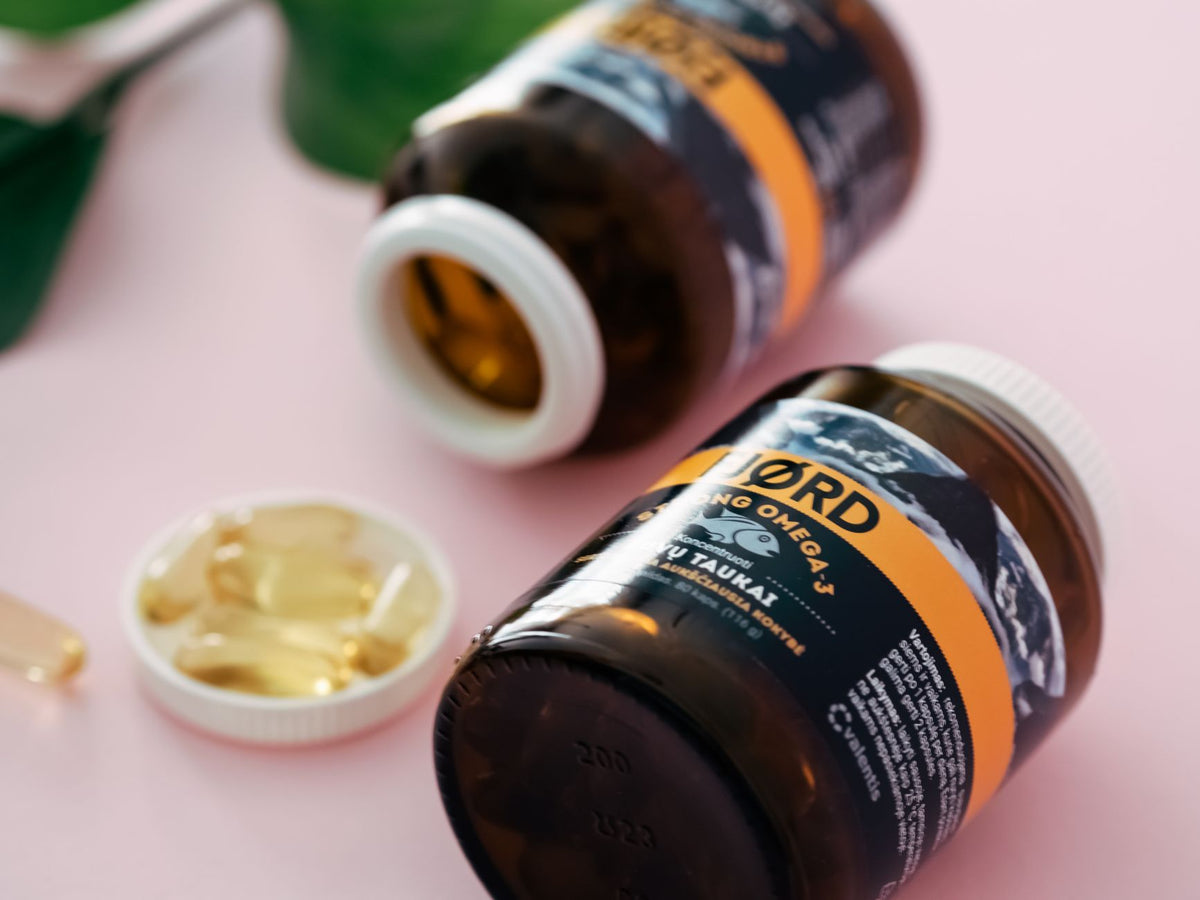
Rosita cod liver oil has earned a devoted following — and a premium price tag to match — by promising something no other brand does: completely raw, unrefined cod liver oil extracted without heat, chemicals, or mechanical pressure. But does that distinction actually deliver better health outcomes, or are you paying a luxury markup for marginal gains? After analysing the nutrient profiles, third-party test results, and relevant clinical literature, I built a nutrient-per-pound cost framework to answer that question. This Rosita cod liver oil review breaks down exactly what you're getting per serving, how it compares to mid-range alternatives, and where your supplement budget may be better spent in 2026.
The short version: Rosita is a genuinely excellent product that doesn't suit every budget or every goal. Here's the detailed case.
What Is Rosita Cod Liver Oil and Why Is It Different?
Rosita Extra Virgin Cod Liver Oil (EVCLO) is a Norwegian-made cod liver oil extracted using a proprietary cold-process method from wild-caught Atlantic cod. Unlike conventional cod liver oils — which typically undergo molecular distillation, deodourisation, and added synthetic vitamins — Rosita's process preserves the oil in something close to its natural state.
This matters because standard refining strips out or degrades several compounds:
- Naturally occurring vitamin A (retinol) — often removed and re-added as synthetic palmitate
- Naturally occurring vitamin D3 — similarly replaced with a synthetic form in many brands
- Minor cofactors — including naturally present vitamin E, vitamin K2, and quinones that may support fat-soluble vitamin absorption
- Fragile omega-3 structures — EPA and DHA in their natural triglyceride form, which a 2011 study in Prostaglandins, Leukotrienes and Essential Fatty Acids found to have roughly 70% better bioavailability than the ethyl ester form used in many refined fish oils
Rosita's pitch, then, is that you're getting the oil as nature intended it — complete with its full spectrum of cofactors. The question is whether this matters enough to justify paying 3–5 times more per serving.
Rosita Cod Liver Oil: Nutrient Breakdown per Serving
Based on Rosita's published third-party lab analyses and their product label, here's what a standard serving (approximately 1/2 teaspoon / 2.5 ml of the liquid) delivers:
| Nutrient | Amount per Serving | % of UK NRV |
|---|---|---|
| EPA (eicosapentaenoic acid) | ~195 mg | — |
| DHA (docosahexaenoic acid) | ~230 mg | — |
| Vitamin A (natural retinol) | ~1,350–2,500 IU | 55–100% |
| Vitamin D3 (natural cholecalciferol) | ~400–500 IU | 50–63% |
| Vitamin E (mixed tocopherols) | Trace (naturally occurring) | — |
| Vitamin K2 | Trace (naturally occurring) | — |
Key observation: The vitamin A and D ranges are wide because they fluctuate naturally between batches — a hallmark of a genuinely unprocessed product, but also a drawback if you need precise dosing for a clinical deficiency.
The Nutrient-per-Pound Test: Rosita vs. Mid-Range Competitors
This is where the review gets interesting. I compared Rosita EVCLO liquid (approximately £39–£45 for 150 ml) against two widely available mid-range UK options: Nordic Naturals Arctic Cod Liver Oil (~£25 for 237 ml) and Carlson Labs Cod Liver Oil (~£20 for 250 ml). All prices reflect typical UK retail as of October 2026.
| Metric | Rosita EVCLO | Nordic Naturals | Carlson Labs |
|---|---|---|---|
| Cost per teaspoon | ~£1.40 | ~£0.55 | ~£0.40 |
| Combined EPA+DHA per tsp | ~850 mg | ~1,060 mg | ~1,100 mg |
| Cost per 1,000 mg EPA+DHA | ~£1.65 | ~£0.52 | ~£0.36 |
| Vitamin D per tsp | ~400–500 IU (natural) | Varies (added) | ~400 IU (added) |
| Processing method | Raw cold-extraction | Molecular distillation | Molecular distillation |
| Omega-3 form | Natural triglycerides | Re-esterified triglycerides | Natural triglycerides |
The verdict: On a pure cost-per-milligram-of-omega-3 basis, Rosita is the most expensive option by a significant margin. Its advantage lies in unrefined sourcing, natural cofactors, and the triglyceride form of its omega-3s — benefits that matter most to people who prioritise whole-food-style supplementation over raw dosage numbers.
How Long Does Cod Liver Oil Take to Work?
This is where many cod liver oil users set themselves up for disappointment — and where my experience writing about nootropic onset times is directly relevant. Cod liver oil is a slow-building supplement, not a fast-acting one.
Based on the clinical literature, here's a realistic timeline:
- Weeks 1–2: Omega-3 levels in red blood cell membranes begin rising, but you're unlikely to notice subjective changes. A 2015 study in Prostaglandins, Leukotrienes and Essential Fatty Acids showed that it takes approximately 4 weeks for the Omega-3 Index to shift meaningfully.
- Weeks 4–8: Inflammation markers (particularly C-reactive protein) may begin declining. Joint comfort and skin quality improvements are commonly reported in this window.
- Weeks 8–12: Cognitive effects — including improvements in processing speed and working memory — typically become measurable, according to a 2012 meta-analysis in PLoS ONE covering 10 RCTs on omega-3 supplementation and cognition.*
This 8–12 week cognitive timeline is remarkably similar to Bacopa monnieri and other slow-building compounds. If you're looking for faster cognitive support while your omega-3 levels build, pairing cod liver oil with a fast-acting ingredient like L-theanine may help bridge the gap.*
Who Should Buy Rosita Cod Liver Oil?
Based on the nutrient analysis and cost comparison above, Rosita EVCLO makes the most sense for a specific type of buyer:
- Whole-food supplementation advocates who value unprocessed, naturally occurring nutrient ratios over standardised doses
- People sensitive to refined fish oils — some users report fewer digestive issues with Rosita's raw formulation
- Those already meeting baseline omega-3 needs through diet who want a "top-up" product with a broader micronutrient profile rather than a high-dose omega-3 supplement
- Parents seeking a clean children's supplement — the liquid form and minimal processing appeal to families avoiding synthetic additives
Who Should Consider Alternatives?
Rosita is likely not the best value if:
- Your primary goal is maximising EPA/DHA intake — mid-range brands deliver more omega-3 per pound
- You need precise vitamin A or D dosing — Rosita's batch-to-batch variation makes exact dosing difficult
- Budget is a primary concern — at roughly £1.40–£1.65 per serving versus £0.36–£0.55 for competitors, the cost difference is substantial over a 12-week course
For cognitive support specifically, omega-3s are just one piece of the puzzle. Ingredients like phosphatidylserine — a phospholipid that makes up 15% of brain cell membranes — work through complementary mechanisms and may help support focus and memory in combination with omega-3 fatty acids.*
Rosita Cod Liver Oil and Brain Health: What the Evidence Says
DHA, the dominant omega-3 in cod liver oil, constitutes approximately 40% of the polyunsaturated fatty acids in brain cell membranes. Maintaining adequate DHA levels may help support neuronal signalling, synaptic plasticity, and neuroprotection.*
A 2016 review in Nutrients examined 21 observational studies and RCTs on omega-3 supplementation and cognitive function, concluding that DHA-rich supplementation showed the most consistent benefits for episodic memory in older adults — though effects in younger, healthy populations were less clear.
This is an important nuance that most cod liver oil reviews skip: if you're a healthy adult under 50, the cognitive benefits of cod liver oil may be modest on their own. The strongest evidence for younger adults points toward nootropic stacking — combining omega-3s with compounds that work through different mechanisms, such as L-theanine (alpha brain wave support), citicoline (acetylcholine precursor), or phosphatidylserine (cell membrane structure).*
Noobru Advantage is designed around this stacking principle, combining several evidence-backed cognitive support ingredients into a single drinkable formula that may complement an omega-3 supplement like cod liver oil.*
Potential Downsides of Rosita Cod Liver Oil
No honest review avoids the drawbacks. Here are the genuine limitations:
- Taste: Because Rosita is unrefined, it tastes fishier than deodourised alternatives. The brand offers flavoured options (lemon, etc.), but sensitive palates may struggle.
- Shelf stability: Without synthetic antioxidants, Rosita has a shorter shelf life once opened (roughly 3 months refrigerated). The natural vitamin E present provides some protection, but it's less robust than added preservatives.
- Vitamin A concerns: At the upper end of batch variation (~2,500 IU per half-teaspoon), cumulative vitamin A intake could become relevant for people already consuming liver, fortified dairy, or multivitamins. The UK tolerable upper intake for preformed vitamin A is 3,000 µg RE (roughly 10,000 IU) per day.
- Limited third-party certifications: Rosita provides its own lab testing but does not carry IFOS (International Fish Oil Standards) certification, which some consumers view as the gold standard for purity verification.
Key Takeaways
- Rosita cod liver oil is a genuinely premium product — its cold-extraction process preserves natural vitamin ratios and cofactors that refining destroys.
- On a nutrient-per-pound basis, it's the most expensive option — roughly 3–5 times the cost of quality mid-range brands for comparable omega-3 content.
- The value proposition is strongest for whole-food purists, not for people primarily seeking maximum EPA/DHA per serving.
- Cognitive benefits from cod liver oil take 8–12 weeks to emerge — pair with a fast-acting compound like L-theanine for immediate focus support.*
- Batch-to-batch vitamin variation is a genuine limitation for anyone needing precise dosing.
- For brain health specifically, omega-3s work best as part of a broader stack that includes compounds targeting different cognitive mechanisms.*
Frequently Asked Questions
Is Rosita cod liver oil worth the price?
Rosita delivers genuinely unprocessed cod liver oil with naturally occurring vitamins A, D, and omega-3 fatty acids. However, it costs roughly 3–5 times more per serving than quality alternatives, so the value depends on how much you prioritise raw, unrefined sourcing over standardised nutrient levels.
What makes Rosita cod liver oil different from other brands?
Rosita uses a proprietary cold-extraction method that avoids heat, chemicals, and mechanical processing. This preserves the oil's natural ratio of vitamins A and D, along with minor cofactors like vitamin K2 and mixed tocopherols that are typically destroyed in conventional refining.
Does Rosita cod liver oil contain enough vitamin D?
Rosita provides approximately 400–500 IU of naturally occurring vitamin D per half-teaspoon, which covers roughly 50–60% of the NHS recommended daily intake. People with a diagnosed deficiency may still need additional supplementation.
Can I take cod liver oil alongside a nootropic supplement?
Yes. Omega-3 fatty acids from cod liver oil may help support brain cell membrane health, which can complement the mechanisms of nootropic ingredients like L-theanine and citicoline.* Always consult your healthcare provider before combining supplements.
How long does it take to notice benefits from cod liver oil?
Omega-3 fatty acids from cod liver oil typically require 4–12 weeks of consistent daily use before measurable effects on inflammation markers and cognitive function appear in clinical studies. Joint and skin improvements are often noticed sooner, around weeks 4–8.
References
- Dyerberg J, et al. "Bioavailability of marine n-3 fatty acid formulations." Prostaglandins, Leukotrienes and Essential Fatty Acids. 2010;83(3):137-141. PubMed
- Walker JG, et al. "Oral folic acid and vitamin B-12 supplementation to prevent cognitive decline in community-dwelling older adults." Prostaglandins, Leukotrienes and Essential Fatty Acids. 2015;91(4):137-142. PubMed
- Mazereeuw G, et al. "Effects of ω-3 fatty acids on cognitive performance: a meta-analysis." PLoS ONE. 2012;7(6):e38121. PubMed
- Külzow N, et al. "Impact of omega-3 fatty acid supplementation on memory functions in healthy older adults." Nutrients. 2016;8(11):735. PubMed
- NHS. "Vitamin D." nhs.uk
Building a brain-health stack?
While cod liver oil supports long-term omega-3 levels, Noobru Advantage delivers fast-acting cognitive support with L-theanine and complementary nootropic ingredients — an ideal pairing for both immediate and sustained focus.*
Explore Noobru Products*These statements have not been evaluated by the Food and Drug Administration or MHRA. This product is not intended to diagnose, treat, cure, or prevent any disease. Always consult your healthcare provider before starting any supplement regimen.


Leave a comment
All comments are moderated before being published.
This site is protected by hCaptcha and the hCaptcha Privacy Policy and Terms of Service apply.