




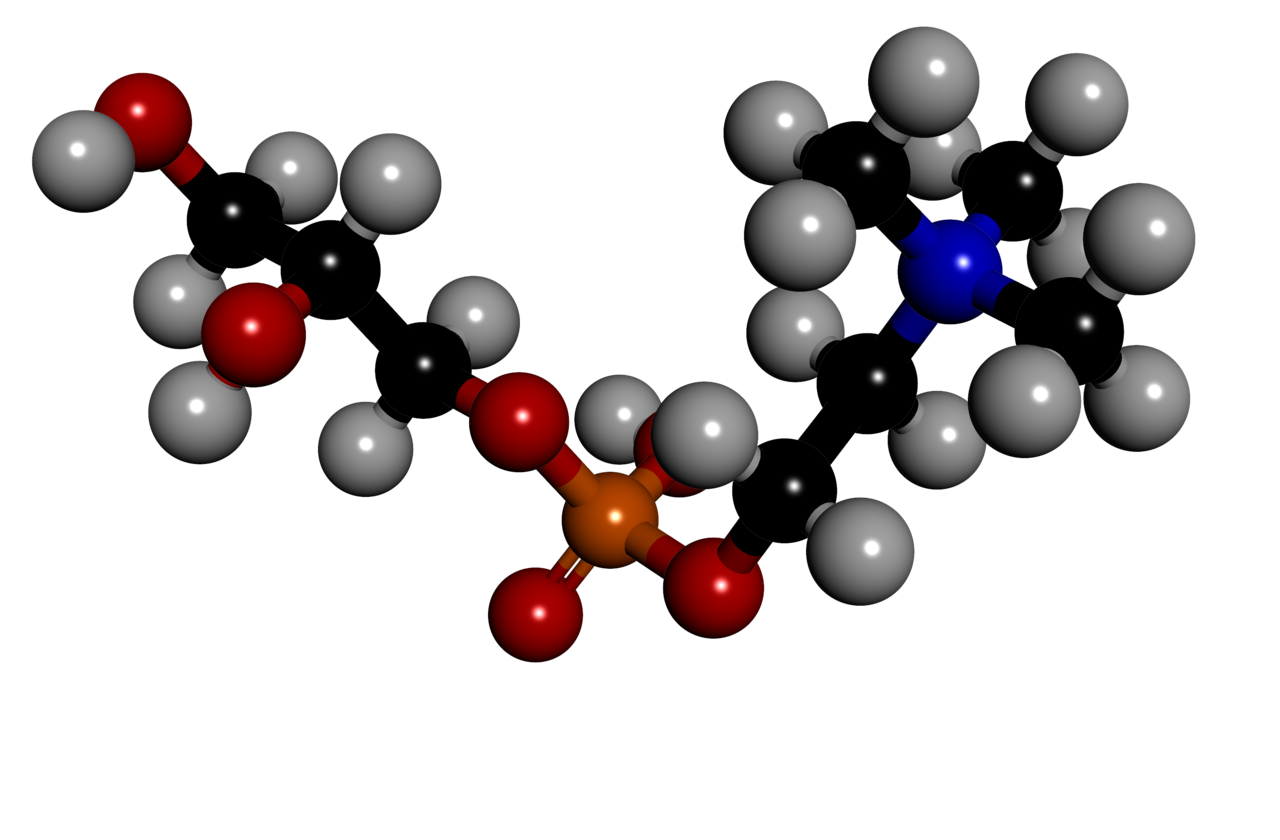
Alpha GPC: Every Claimed Benefit Ranked by the Clinical Evidence Behind It (2026)
Alpha GPC (L-alpha-glycerylphosphorylcholine) is one of the most bioavailable choline supplements available in 2026 — but the gap between what marketers claim it does and what controlled human trials actually show is wide enough to waste your money. This guide maps each alpha GPC benefit to its specific biochemical mechanism and ranks it by the number of controlled human trials supporting it, so you can build a nootropic stack based on evidence rather than hype.
Whether you're a professional chasing sharper recall during back-to-back meetings, a student preparing for exams, or an athlete wanting better mind-muscle connection, the question isn't whether alpha GPC works — it's which effects are well-proven, which are promising, and which are still speculative.
What Is Alpha GPC and How Does It Work in the Brain?
Alpha GPC is a phospholipid compound found naturally in the brain and in small amounts in foods like eggs, organ meats, and soy lecithin. Once ingested, it crosses the blood-brain barrier and splits into two active components: choline and glycerophosphate.
The choline feeds acetylcholine synthesis — the neurotransmitter your brain relies on for memory encoding, focused attention, and rapid learning. The glycerophosphate contributes to neuronal membrane repair and fluidity [1].

This dual action is what distinguishes alpha GPC from simpler choline sources:
- Choline bitartrate raises plasma choline but crosses the blood-brain barrier less efficiently, making it a weaker cognitive-support option.
- Citicoline (CDP-choline) follows a different metabolic pathway — it donates a cytidine group that converts to uridine, supporting synaptic plasticity alongside choline delivery [2].
- Alpha GPC is the most direct acetylcholine precursor, which explains its prevalence in both nootropic stacks and sport-performance formulas.
A useful rule of thumb: alpha GPC is roughly 40% choline by weight. A 300 mg dose delivers approximately 120 mg of actual choline — meaningful, but not enough to cover the full UK adequate intake of ~400 mg daily for adults on its own [3].
Three Alpha GPC Benefits — Ranked by Strength of Evidence
Most alpha GPC articles list benefits as though they're all equally proven. They aren't. Here's an honest ranking based on the number and quality of controlled human trials behind each claim.
1. Cognitive Function and Memory — Moderate-to-Strong Evidence
Alpha GPC may help support memory clarity and processing speed by increasing acetylcholine availability in the brain.*
Multiple European trials have studied alpha GPC at 1,200 mg daily (3 × 400 mg) in adults with age-related cognitive concerns. A key Italian multicentre trial followed 2,044 patients over 180 days, reporting statistically significant improvements across memory tests and clinician-rated cognitive scales [1]. A 2023 systematic review in Nutrients confirmed these findings across several controlled studies [4].
At lower nootropic doses (150–600 mg), evidence from healthy young adults is thinner but directionally positive. Subjective improvements in recall and mental clarity are commonly reported when alpha GPC is combined with complementary ingredients like phosphatidylserine or huperzine A.
2. Physical Performance and Power Output — Moderate Evidence
Alpha GPC at 600 mg may help support explosive power output and growth hormone secretion when taken before exercise.*
A 2012 study in the Journal of the International Society of Sports Nutrition found that 600 mg alpha GPC taken 90 minutes before exercise significantly increased peak bench press force compared to placebo [5]. A separate trial published in Nutrition reported enhanced growth hormone secretion and fat oxidation in young adults after alpha GPC supplementation [6].
The mechanism likely involves alpha GPC's stimulation of cholinergic pathways in the hypothalamus, which influence growth hormone releasing hormone (GHRH) secretion. Results are more consistent when alpha GPC is combined with a structured training programme — it's not a magic pill, but it does appear to amplify the signal your body already sends during intense exercise.
3. Neuroprotection — Preliminary Evidence
Alpha GPC contributes glycerophosphate to neuronal membranes, which may help maintain membrane fluidity and resilience as we age.*
This phospholipid repair mechanism is distinct from the antioxidant approaches used by compounds like resveratrol or glutathione. Cell and animal studies support the pathway [7], but large-scale human trials confirming long-term protective effects are still needed. Consider this benefit "biochemically plausible but clinically unproven" — a reasonable reason to include alpha GPC in a long-term formula, but not a basis for bold claims.
Alpha GPC Dosage: Exact Doses From Human Trials
The right dose depends entirely on your goal. Here's what the research actually used — not what supplement labels loosely suggest:
| Goal | Dose Range | Context & Notes |
|---|---|---|
| Cognitive support (nootropic stack) | 100–300 mg daily | Combined with synergistic ingredients like huperzine A, phosphatidylserine, or L-theanine |
| Standalone cognitive support | 300–600 mg daily | Healthy adults seeking sharper recall and focus |
| Age-related cognitive decline (clinical) | 1,200 mg daily (3 × 400 mg) | European clinical trials over 3–6 months [1][4] |
| Sport performance / power output | 300–600 mg, 30–90 min pre-exercise | Acute dosing before training [5][6] |
One detail most guides miss: because alpha GPC is only 40% choline by weight, a standalone 300 mg dose provides roughly 120 mg choline. That's a meaningful contribution but falls well short of the UK adequate intake (~400 mg/day). Many effective formulas include both alpha GPC and choline bitartrate for complementary coverage.
Timing and Stacking: Getting the Most From Alpha GPC
Alpha GPC is absorbed quickly — plasma choline levels rise within 1–2 hours of oral ingestion. For cognitive tasks, taking it in the morning or early afternoon aligns with natural circadian peaks in cholinergic activity. For exercise, dose 30–90 minutes before training [5].
Alpha GPC pairs well with several other nootropic ingredients through distinct, complementary mechanisms:
- Huperzine A: Inhibits acetylcholinesterase (the enzyme that breaks down acetylcholine), so the acetylcholine that alpha GPC helps produce stays active longer.*
- Phosphatidylserine: Supports neuronal membrane integrity from a different angle, complementing alpha GPC's glycerophosphate contribution.*
- L-theanine: Promotes alpha brain wave activity and calm focus, balancing the increased cholinergic drive from alpha GPC.*
- Rhodiola rosea: Addresses the cortisol-stress axis independently — helpful because chronic stress depletes acetylcholine reserves [8].*
- Caffeine (low dose): Blocks adenosine to increase alertness while alpha GPC supports deeper cognitive processing — covering both speed and depth of thought.*
This multi-pathway approach — targeting acetylcholine production, breakdown, membrane health, and stress simultaneously — is why well-designed nootropic stacks consistently outperform single-ingredient approaches in real-world use.

Alpha GPC vs Citicoline: Which Choline Supplement Should You Choose?
This is the most common question in nootropic forums, and the honest answer is: it depends on what else is in your stack.
- Choose alpha GPC if your primary goal is direct acetylcholine production and you're already getting membrane support from phosphatidylserine or omega-3s.
- Choose citicoline if you want the added uridine pathway for synaptic plasticity and aren't taking other membrane-support ingredients [2].
- Consider both if you're building a comprehensive nootropic stack — they don't compete for the same receptors.
Alpha GPC has stronger sport-performance data. Citicoline has slightly more research on sustained attention in healthy adults. Neither is categorically "better" — the right choice depends on the rest of your formula.
Side Effects and Safety Considerations
Alpha GPC is generally well tolerated at standard doses. The most commonly reported side effects are mild:
- Headaches — sometimes indicating excess cholinergic stimulation; reducing the dose usually resolves this.
- Heartburn or gastrointestinal discomfort — more common on an empty stomach.
- Fishy body odour — occurs at very high doses due to trimethylamine metabolism.
If you're taking anticholinergic medications or have a condition affecting cholinergic pathways, consult your healthcare provider before supplementing. Pregnant or breastfeeding individuals should also seek medical advice first.
Where Alpha GPC Appears in Noobru Formulas
Full disclosure: Noobru is the publisher of this guide, and three of our drinkable formulas contain alpha GPC. We're including this section because the stacking logic behind each formula illustrates the dosing principles covered above — but the evidence-based information in this article applies regardless of which brand you choose.
| Product | Alpha GPC Dose | Key Stack Partners | Primary Use Case |
|---|---|---|---|
| Noobru Pro | 150 mg | Rhodiola rosea (200 mg), acetyl L-carnitine (500 mg), huperzine A (100 mcg), phosphatidylserine (50 mg) | Sustained energy and stress management* |
| Noobru Advantage | Included (see full formula) | L-theanine (200 mg), huperzine A (200 mcg), phosphatidylserine (50 mg), ashwagandha (120 mg) | Memory clarity and brain fog reduction* |
| Noobru Shield | 100 mg | Vitamin C (1,000 mg), organic panax ginseng (100 mg), elderberry (50 mg) | Immune resilience with added cognitive support* |
The stacking principle in practice: Noobru Pro pairs alpha GPC with huperzine A to both increase acetylcholine production and slow its breakdown. Noobru Advantage adds ashwagandha for stress-axis support alongside a higher huperzine A dose (200 mcg).*
Frequently Asked Questions About Alpha GPC
What does alpha GPC do?
Alpha GPC is a choline compound that crosses the blood-brain barrier and increases acetylcholine production — the neurotransmitter most closely linked to learning, memory formation, and muscle contraction.
How much alpha GPC should I take per day?
Most nootropic users take 150–600 mg daily for cognitive support. Clinical trials for age-related cognitive decline used 1,200 mg daily (3 × 400 mg), while sport performance studies typically used 300–600 mg as a single pre-exercise dose [1][5].
Can I take alpha GPC with caffeine?
Yes. Alpha GPC supports acetylcholine levels while caffeine blocks adenosine receptors — they work through entirely different mechanisms. Some users report that this combination helps maintain focus without the jitteriness caffeine alone can produce.
Are there side effects of alpha GPC?
Alpha GPC is generally well tolerated at standard doses. Some people report headaches, heartburn, or digestive discomfort — particularly above 600 mg. Starting at a lower dose and increasing gradually is a sensible approach.
Is alpha GPC better than choline bitartrate?
Alpha GPC crosses the blood-brain barrier more efficiently than choline bitartrate, delivering a larger proportion of its choline to the central nervous system. Both supply roughly 40% choline by weight, but alpha GPC is the superior cognitive-support form. Many nootropic stacks include both for complementary effects.
How does alpha GPC compare to citicoline?
Both are highly bioavailable choline sources, but they follow different metabolic pathways. Alpha GPC is a more direct acetylcholine precursor, while citicoline donates a cytidine group that converts to uridine and supports synaptic plasticity [2]. The choice depends on your goals and the rest of your nootropic stack.
Key Takeaways
The bottom line: alpha GPC is the most efficient way to raise brain acetylcholine levels via a choline supplement, but its benefits vary dramatically depending on dose, context, and what else you're taking alongside it.
- Alpha GPC is a highly bioavailable choline source that crosses the blood-brain barrier and directly supports acetylcholine production — the neurotransmitter behind learning, memory, and focus.*
- Dosage matters by goal: 100–300 mg works in synergistic stacks; 300–600 mg for standalone cognitive support; 1,200 mg daily was used in clinical trials for age-related decline [1].
- It stacks most effectively with huperzine A, phosphatidylserine, and L-theanine — combinations that address multiple cholinergic and neuronal pathways simultaneously.*
- Sport performance evidence is real but specific — 300–600 mg doses show meaningful effects on power output and growth hormone secretion when combined with structured training [5][6].*
- Neuroprotection claims remain preliminary. The biochemistry is plausible, but don't choose alpha GPC primarily for this reason until more human data arrives.
- Look for transparent dosing. Alpha GPC is frequently under-dosed in proprietary blends — if the label doesn't state the exact milligrams, you can't assess whether you're getting an effective amount.
Want to see how alpha GPC works in a fully transparent nootropic stack? Every Noobru formula lists exact doses of every ingredient — no proprietary blends, no guesswork.
Browse all Noobru formulas — 90-day money-back guarantee →References
- De Jesus Moreno Moreno, M. (2003). Cognitive improvement in mild to moderate Alzheimer's dementia after treatment with the cholinergic precursor choline alfoscerate. Clinical Therapeutics, 25(1), 178–193. PubMed 12637119
- Secades, J.J. & Lorenzo, J.L. (2006). Citicoline: pharmacological and clinical review. Methods and Findings in Experimental and Clinical Pharmacology, 28(Suppl B), 1–56. PubMed 17171187
- EFSA Panel on Dietetic Products, Nutrition and Allergies. (2016). Dietary Reference Values for choline. EFSA Journal, 14(8), e04484. EFSA
- Sagaro, G.G. et al. (2026). Activity of choline alphoscerate on cognitive functions: a systematic review. Nutrients, 15(8), 1924. PubMed 37111138
- Ziegenfuss, T. et al. (2008). Acute supplementation with alpha-glycerylphosphorylcholine augments growth hormone response to, and peak force production during, resistance exercise. Journal of the International Society of Sports Nutrition, 5(Suppl 1), P15. PubMed 18718001
- Kawamura, T. et al. (2012). Glycerophosphocholine enhances growth hormone secretion and fat oxidation in young adults. Nutrition, 28(11–12), 1122–1126. PubMed 22673596
- Abbiati, G. et al. (1993). Absorption, tissue distribution and excretion of radiolabelled compounds in rats after administration of [14C]-L-alpha-glycerylphosphorylcholine. European Journal of Drug Metabolism and Pharmacokinetics, 18(2), 173–180. PubMed 8243501
- Panossian, A. & Wikman, G. (2010). Effects of adaptogens on the central nervous system and the molecular mechanisms associated with their stress-protective activity. Pharmaceuticals, 3(1), 188–224. PubMed 27713248
Reviewed by the Noobru Editorial Team. Last updated: 17 July 2026.
*These statements have not been evaluated by the Food and Drug Administration or MHRA. This product is not intended to diagnose, treat, cure, or prevent any disease. Always consult your healthcare provider before starting any supplement regimen.



Leave a comment
All comments are moderated before being published.
This site is protected by hCaptcha and the hCaptcha Privacy Policy and Terms of Service apply.