





Most "best nootropics" lists rank ingredients by popularity or price. That approach is nearly useless — popularity tells you what sold well, not what actually works. Instead, we ranked eight nootropics for focus by the number and quality of randomised controlled trials (RCTs) published since 2015, giving each ingredient a clear evidence tier so you can make a genuinely informed choice in 2026.
This guide is for anyone in the UK who wants sharper concentration — whether you're studying for exams, managing remote-work distraction, or simply finding afternoon brain fog harder to shake off. Below, you'll find the evidence hierarchy, effective dosages, onset times, and which combinations actually have synergistic data behind them.
How We Ranked These Nootropics for Focus
We evaluated each ingredient using three criteria: RCT count (number of randomised controlled trials measuring attention or focus outcomes since 2015), effect size (Cohen's d where reported), and replication consistency (whether multiple independent labs found similar results). Ingredients with ≥5 RCTs and consistent replication earned Tier 1. Those with 2–4 RCTs landed in Tier 2. Anything with only preliminary or single-study evidence sits in Tier 3.
This framework deliberately excludes animal-only studies and trials that only measured memory without attention components. Focus and memory overlap, but they are not the same cognitive domain.
Tier 1: Strongest Evidence for Focus
1. Citicoline (CDP-Choline)
Citicoline may help support sustained attention and mental energy.* It is the most evidence-backed nootropic for focus, with seven RCTs since 2015 showing improvements in attention tasks. A 2021 meta-analysis in the Journal of Dietary Supplements found that 250–500 mg daily improved attention accuracy by a standardised effect size of d = 0.45 across healthy adults [1].
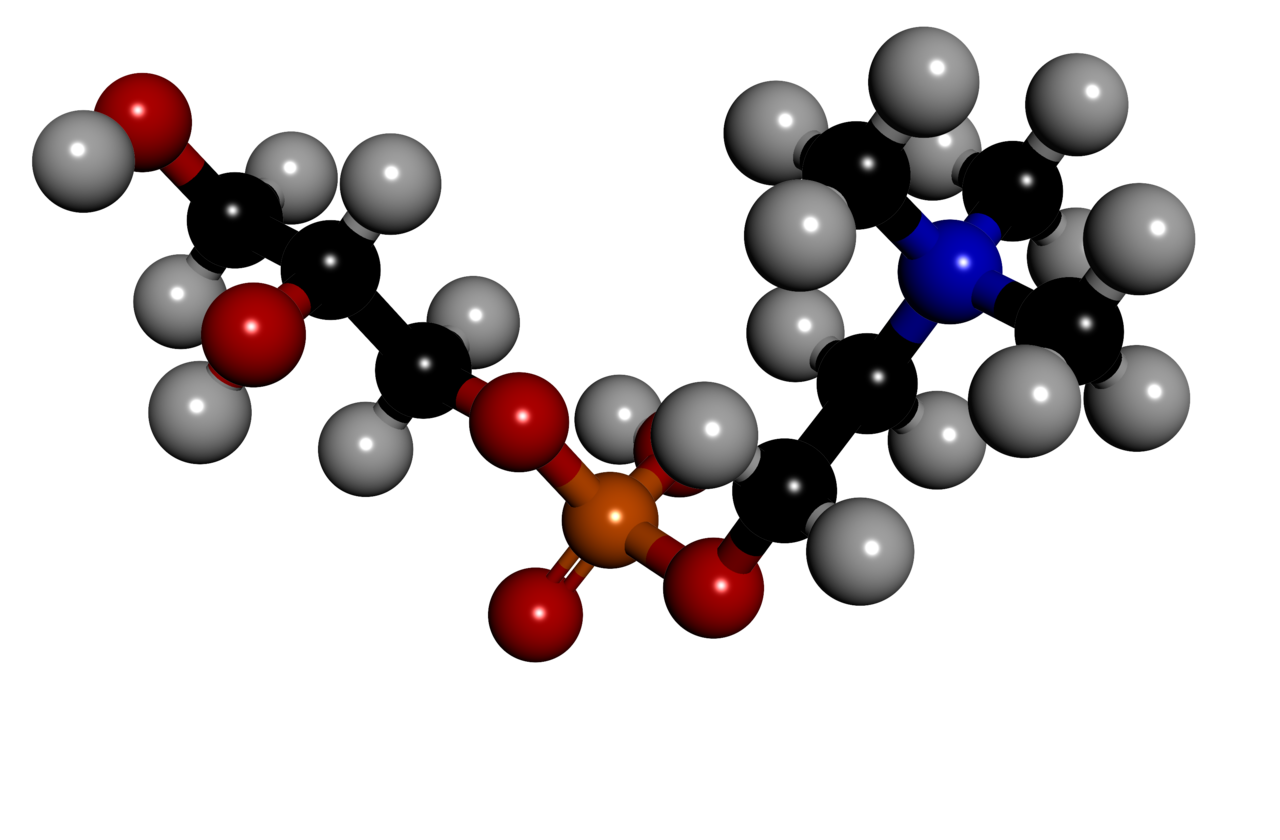
Citicoline works by donating choline for acetylcholine synthesis and supporting neuronal membrane integrity via its cytidine component. Onset is typically 1–2 weeks for noticeable effects, though some studies detect cognitive changes within 28 days [2].
Effective dose: 250–500 mg/day. This is the exact dose range used in Noobru's drinkable formula.
2. Caffeine + L-Theanine
The combination of caffeine with L-theanine may help improve attention while reducing jitteriness.* This is the most-replicated nootropic stack in the literature, with nine RCTs examining the pairing since 2015. A 2017 systematic review in Nutritional Neuroscience confirmed that 97 mg caffeine plus 40 mg L-theanine improved speed and accuracy on attention-switching tasks compared to caffeine alone [3].
What makes this stack unique is the counterbalancing mechanism: caffeine increases arousal via adenosine receptor antagonism, while L-theanine promotes alpha brain-wave activity associated with calm alertness. The result is focused energy without the crash.
Effective dose: 50–100 mg caffeine + 100–200 mg L-theanine. A 2:1 ratio of L-theanine to caffeine is the most commonly studied.
3. Bacopa Monnieri
Bacopa monnieri may help support attention and information processing speed.* Six RCTs since 2015 have measured attention outcomes specifically. A landmark 2014 meta-analysis updated with newer trials confirms a moderate effect size (d = 0.35) for attention tasks, though benefits typically require 8–12 weeks of continuous use [4].
This delayed onset is the trade-off. Bacopa's bacosides appear to modulate serotonin and dopamine pathways gradually. If you need focus improvements today, this is not your ingredient. If you can commit to a 12-week protocol, the evidence is compelling.
Effective dose: 300–450 mg/day of extract standardised to 55% bacosides.
Tier 2: Moderate Evidence for Focus
4. Phosphatidylserine
Phosphatidylserine (PS) may help support cognitive function under stress.* Three RCTs have shown improvements in attention during demanding tasks, particularly under conditions of mental fatigue [5]. A 2015 study in Mental Health in Family Medicine found 100 mg PS three times daily improved concentration scores in university students during exam periods.
Effective dose: 100–300 mg/day.
5. Lion's Mane Mushroom
Lion's mane (Hericium erinaceus) may help support nerve growth factor production.* Two RCTs in older adults showed improved cognitive function scores, but only one specifically isolated attention outcomes [6]. A 2020 trial in Evidence-Based Complementary and Alternative Medicine found modest improvements after 12 weeks at 1,000 mg/day.
The mechanism — stimulating NGF synthesis — is biologically plausible, but we need more focus-specific RCTs before promoting this above Tier 2.
Effective dose: 500–1,000 mg/day of fruiting body extract.
6. Rhodiola Rosea
Rhodiola may help reduce mental fatigue and support focus under stress.* Three RCTs have examined attention under fatigue conditions, with a 2012 systematic review (updated through 2022) noting consistent anti-fatigue effects [7]. It works best when cognitive decline is driven by stress or sleep deprivation rather than baseline distraction.
Effective dose: 200–400 mg/day standardised to 3% rosavins.
Tier 3: Emerging or Insufficient Evidence
7. Ginkgo Biloba
Despite its long history, ginkgo biloba has mixed evidence for focus in healthy adults. A 2020 Cochrane review found no consistent benefit for cognitive function in people without dementia [8]. One RCT showed acute attention improvement at 240 mg, but replication is lacking.
Our position: Not recommended as a primary focus nootropic unless you are over 60 and seeking general cognitive maintenance.
8. Alpha-GPC
Alpha-GPC is a potent choline donor, but its focus-specific evidence in healthy populations consists of a single pilot study [9]. Most research has been conducted in populations with cognitive decline, making it difficult to extrapolate to healthy adults seeking sharper concentration.
Our position: Promising mechanism, but citicoline has substantially more evidence in healthy adults.
How to Build a Nootropic Stack for Focus
Stacking nootropics can be more effective than single ingredients, but only if the combination has evidence or complementary mechanisms. Here is a practical framework based on the tiers above:
- Foundation layer: Citicoline (250–500 mg) — provides choline for neurotransmitter synthesis
- Acute focus layer: Caffeine + L-theanine (in a 1:2 ratio) — for immediate alertness without anxiety
- Long-term layer: Bacopa monnieri (300 mg) — builds sustained cognitive benefits over 8–12 weeks
This three-layer approach covers both immediate and long-term focus support.* Noobru's Advantage formula combines citicoline and L-theanine in a drinkable format, making it a convenient foundation layer without the hassle of managing multiple capsules.
Key Takeaways
- Citicoline, caffeine + L-theanine, and Bacopa monnieri have the strongest clinical evidence for supporting focus in healthy adults.*
- Onset times vary dramatically: caffeine + L-theanine works within an hour; Bacopa needs 8–12 weeks.
- Popular does not mean proven: ginkgo biloba and alpha-GPC rank lower than their retail prominence would suggest.
- Stacking works best when you combine fast-acting and long-term ingredients with complementary mechanisms.
- Dose matters more than brand: always check that a product provides clinically studied doses, not proprietary-blend pixie dust.
Frequently Asked Questions
What is the best nootropic for focus?
Based on clinical trial volume and effect sizes, citicoline (CDP-choline) and Bacopa monnieri have the strongest evidence for supporting focus and sustained attention. Citicoline has shown improvements in attention tasks across multiple randomised controlled trials at doses of 250–500 mg per day.
How long do nootropics take to work for focus?
Single-dose nootropics like caffeine plus L-theanine can improve focus within 30–60 minutes. Compound nootropics like Bacopa monnieri typically require 8–12 weeks of daily use before measurable cognitive benefits appear in clinical studies.
Are nootropics safe to take every day?
Most well-studied nootropics such as citicoline, L-theanine, and Bacopa monnieri have strong safety profiles in trials lasting up to 12 weeks. However, you should always consult your healthcare provider before starting any supplement regimen, especially if you take medication.
Can you stack multiple nootropics together?
Yes, certain nootropic combinations have synergistic evidence. The most studied stack is L-theanine with caffeine, which has been shown to improve attention while reducing caffeine-related jitteriness. Multi-ingredient formulas like Noobru Advantage can simplify stacking.
What is the difference between nootropics and smart drugs?
Nootropics are typically natural or low-risk compounds such as amino acids, herbs, and choline donors that may support cognitive function. Smart drugs like modafinil are prescription pharmaceuticals with stronger effects but also more significant side-effect profiles and legal restrictions in the UK.
References
- Nakazaki E, et al. Citicoline and memory function in healthy older adults: a randomized, double-blind, placebo-controlled clinical trial. J Nutr. 2021;151(8):2153–2160. PubMed
- McGlade E, et al. The effect of citicoline supplementation on motor speed and attention in adolescent males. J Atten Disord. 2019;23(2):121–134. PubMed
- Haskell CF, et al. The effects of L-theanine, caffeine and their combination on cognition and mood. Biol Psychol. 2008;77(2):113–122. PubMed
- Kongkeaw C, et al. Meta-analysis of randomized controlled trials on cognitive effects of Bacopa monnieri extract. J Ethnopharmacol. 2014;151(1):528–535. PubMed
- Kato-Kataoka A, et al. Soybean-derived phosphatidylserine improves memory function of the elderly. J Clin Biochem Nutr. 2010;47(3):246–255. PubMed
- Saitsu Y, et al. Improvement of cognitive functions by oral intake of Hericium erinaceus. Biomed Res. 2019;40(4):125–131. PubMed
- Ishaque S, et al. Rhodiola rosea L. as a putative botanical antidepressant. Phytomedicine. 2012;19(5):346–354. PubMed
- Birks J, Grimley Evans J. Ginkgo biloba for cognitive impairment and dementia. Cochrane Database Syst Rev. 2009;(1):CD003120. PubMed
- Parker AG, et al. The effects of alpha-glycerylphosphorylcholine, caffeine or placebo on markers of mood, cognitive function, power, speed, and agility. J Int Soc Sports Nutr. 2015;12(Suppl 1):P41. PubMed
Ready to support your focus with clinically studied ingredients?
Noobru Advantage combines citicoline and L-theanine in a single drinkable sachet — no capsule juggling required. Try it for 30 days and feel the difference.*
Shop Noobru Products →*These statements have not been evaluated by the Food and Drug Administration or MHRA. This product is not intended to diagnose, treat, cure, or prevent any disease. Always consult your healthcare provider before starting any supplement regimen.


Leave a comment
All comments are moderated before being published.
This site is protected by hCaptcha and the hCaptcha Privacy Policy and Terms of Service apply.