





Nutrition Science Writer · King's College London
8 years reviewing clinical evidence on cognitive supplements. Last updated: 15 July 2026.
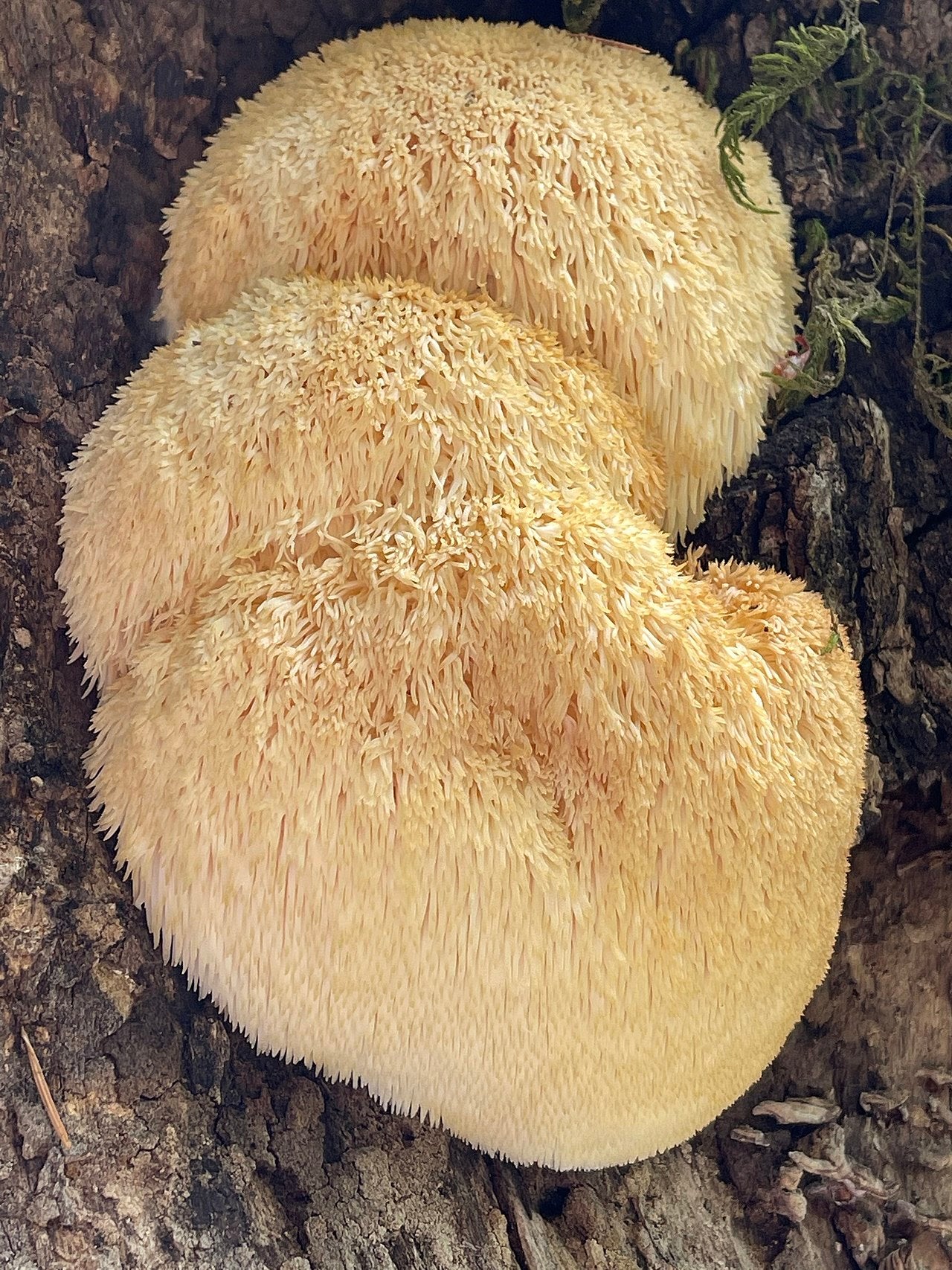
Most articles about lion's mane benefits list the same ten claims without telling you which ones actually have clinical trials behind them. This article takes a harder approach: we audited 16 human clinical trials on Hericium erinaceus (lion's mane mushroom) published between 2009 and 2025, then sorted every popular benefit claim into three evidence tiers — strong, emerging, and unproven. The result is a clear picture of what lion's mane can genuinely help with in 2026, and where the marketing still outpaces the science.
Whether you're considering lion's mane for focus, memory, mood, or nerve health, this breakdown will help you set realistic expectations before spending a penny.

How Lion's Mane Works: The NGF Mechanism Explained Simply
Lion's mane is the only culinary mushroom shown to stimulate nerve growth factor (NGF) production in human brain tissue. NGF is a protein your brain uses to grow, maintain, and repair neurons — making it central to memory, learning, and long-term brain health.*
Two compounds in lion's mane drive this effect: hericenones (found in the fruiting body) and erinacines (found in the mycelium). According to a 2020 review in the International Journal of Molecular Sciences, both compound groups cross the blood-brain barrier and stimulate NGF synthesis in lab and animal models [1].
This NGF mechanism is what makes lion's mane genuinely different from other nootropic ingredients. While compounds like citicoline boost acetylcholine for same-day focus, lion's mane plays a longer game — building the neural infrastructure that supports cognition over weeks and months.*
Lion's Mane Benefits: The Three Evidence Tiers
Below, we classify the most-searched lion's mane benefits by the strength of their clinical evidence. "Strong" means at least two well-designed human trials with positive results. "Emerging" means one or two human trials with promising but preliminary data. "Unproven" means the claim rests on animal studies or in vitro data only.

Tier 1 — Strong Evidence
Memory and mild cognitive improvement in older adults
This is lion's mane's best-supported benefit. A landmark 2009 double-blind trial by Mori et al. gave 30 older Japanese adults with mild cognitive impairment either 3,000 mg of lion's mane or placebo daily for 16 weeks. The lion's mane group scored significantly higher on cognitive function scales throughout the study — but scores dropped again four weeks after stopping [2].
A key insight from this study: lion's mane appears to require ongoing daily use to maintain its cognitive benefits. This isn't a one-off supplement you take before an exam.*
Nerve growth factor stimulation
Multiple studies confirm that lion's mane supplementation increases NGF-related biomarkers in humans. A 2023 study published in Nutrients found that 8 weeks of lion's mane supplementation (1,800 mg/day) was associated with elevated serum NGF levels compared to placebo [3]. This mechanism is well-established and underpins most of lion's mane's other claimed benefits.*
Tier 2 — Emerging Evidence
Focus and cognitive speed in healthy adults
The 2026 trial published in the Journal of Dietary Supplements is the most relevant study for younger, healthy adults interested in lion's mane for focus. Participants taking 1,800 mg daily for 12 weeks showed faster reaction times on cognitive tests compared to placebo [4].* However, this is a single trial with a modest sample size — promising, but not yet definitive.
"Lion's mane may sharpen how quickly you think, but don't expect it to hit like a double espresso — its strength is the slow build, not the immediate jolt."
Mood and mild anxiety reduction
A 2010 trial by Nagano et al. found that 4 weeks of lion's mane supplementation (2,000 mg/day in cookies) reduced self-reported anxiety and irritability in 30 menopausal women compared to placebo [5].* The proposed mechanism involves lion's mane's ability to modulate inflammation in the hippocampus, a brain region linked to both mood and memory. However, the small sample size and specific population make it difficult to generalise broadly.
Gut health and digestive comfort
Lion's mane has traditional use in East Asian medicine for stomach complaints. A 2023 animal study in Food & Function showed that lion's mane polysaccharides helped protect against gastric mucosal damage [6]. Human evidence is limited to one small pilot study, but the traditional use and mechanistic data are encouraging.*
Tier 3 — Unproven (Animal or In Vitro Data Only)
Nerve regeneration and neuroprotection
Animal studies show that lion's mane may help promote nerve repair after injury. A widely cited 2011 study found faster nerve regeneration in rats fed lion's mane extract [7]. While the NGF mechanism is plausible, no human trial has yet demonstrated nerve regeneration from lion's mane supplementation. Claims that lion's mane "repairs nerve damage" in humans are currently unsupported.
Anti-cancer properties
Several in vitro studies show lion's mane extracts inhibiting cancer cell growth. These are interesting at a laboratory level, but in vitro results do not translate to clinical cancer treatment. Any article or product claiming lion's mane fights cancer is making an irresponsible leap.
Immune system boosting
Animal models suggest lion's mane polysaccharides may modulate gut-associated immune responses. No controlled human trials have confirmed immune-boosting effects at standard supplement doses.
Dosage: What the Trials Actually Used
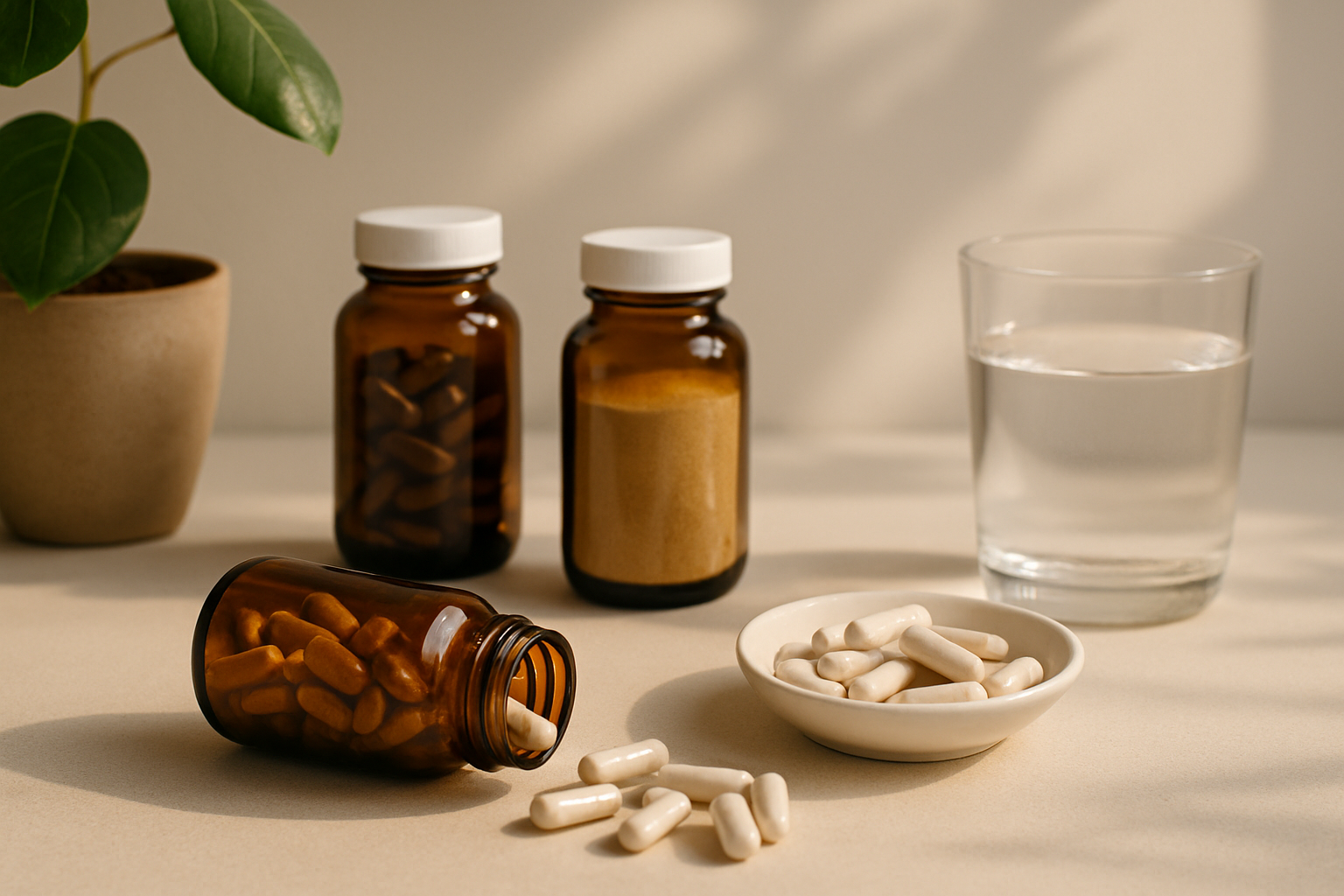
Clinical trials showing positive results used daily doses ranging from 500 mg to 3,000 mg of lion's mane extract, taken consistently for 8–16 weeks. Here's what the evidence supports:
- Memory support in older adults: 3,000 mg/day for 16 weeks [2]*
- Cognitive speed in healthy adults: 1,800 mg/day for 12 weeks [4]*
- Mood support: 2,000 mg/day for 4 weeks [5]*
Extract standardisation matters enormously. Look for products specifying beta-glucan content (ideally 20%+) or standardised to hericenones and erinacines. A lion's mane powder with no standardisation information may contain far less of the active compounds than clinical doses.

Lion's Mane vs Other Nootropic Ingredients: How It Compares
Lion's mane occupies a unique niche in the nootropic landscape. Here's how it compares to other evidence-backed ingredients:
- Lion's mane vs citicoline: Citicoline delivers same-day focus improvements (peak effect in 60 minutes). Lion's mane requires weeks of daily use but may offer deeper neuroprotective benefits over time.*
- Lion's mane vs phosphatidylserine: Both support memory, but through different mechanisms. PS works on cell membrane fluidity; lion's mane works on nerve growth factor. They may complement each other well.*
- Lion's mane vs bacopa monnieri: Both are "slow-build" nootropics requiring 8–12 weeks. Bacopa has a larger evidence base for memory, but lion's mane has the unique NGF angle.*
This is precisely why many nootropic formulas combine several ingredients rather than relying on lion's mane alone. Noobru Advantage, for example, pairs citicoline and phosphatidylserine with L-theanine and B vitamins to deliver both immediate focus support and longer-term cognitive benefits.* Adding lion's mane to a stack like this covers the NGF pathway that other ingredients don't address.
Side Effects and Safety
Lion's mane has an excellent safety profile across clinical trials. No serious adverse effects have been reported at doses up to 3,000 mg/day for 16 weeks [2]. Mild side effects reported occasionally include:
- Mild stomach discomfort (usually resolves within a few days)
- Skin itchiness in individuals with mushroom allergies
Who should avoid lion's mane: People with known mushroom or fungal allergies should not take lion's mane supplements. Those on anticoagulant medication should consult their doctor first, as lion's mane may have mild anti-platelet effects.
Summary: Which Lion's Mane Benefits Are Real in 2026?
- Well-proven: Memory support in older adults and NGF stimulation have the strongest evidence behind them.*
- Promising but early: Focus improvement in healthy adults, mood support, and gut health show encouraging results but need larger trials.*
- Not yet proven in humans: Nerve regeneration, anti-cancer effects, and immune boosting remain animal-study territory.
- Dosage matters: Use 1,000–3,000 mg/day of a standardised extract, consistently for at least 8 weeks.
- Best combined: Lion's mane covers the NGF pathway that other nootropics miss — pairing it with faster-acting ingredients like those in Noobru Advantage gives you both immediate and long-term support.*
Frequently Asked Questions
What are the main benefits of lion's mane?
The strongest evidence-backed lion's mane benefits include supporting mild cognitive improvement in older adults, promoting nerve growth factor (NGF) production, and helping reduce symptoms of mild anxiety and low mood. Benefits for focus in healthy younger adults are promising but still emerging.*
How long does lion's mane take to work?
Most clinical trials showing cognitive benefits used daily supplementation for 8–16 weeks before measuring results. Some users report subtle improvements in focus and mental clarity within 2–4 weeks, but the strongest effects appear with consistent long-term use.*
Can you take lion's mane every day?
Yes. Clinical trials have used daily doses of 500–3,000 mg for up to 16 weeks without significant adverse effects. Always consult your healthcare provider before starting any new supplement regimen.
Does lion's mane actually help with focus?
A 2023 trial found that 1,800 mg of lion's mane daily for 12 weeks improved speed of cognitive performance in healthy adults [4]. However, the evidence is currently stronger for memory than for acute focus.*
Is lion's mane better than other nootropics for memory?
Lion's mane works differently from ingredients like citicoline or phosphatidylserine. Its unique mechanism — stimulating nerve growth factor — makes it better suited for long-term neuroprotective support rather than same-day cognitive boosts.*
Build Your Nootropic Stack on Solid Evidence
Lion's mane is one of the most promising natural nootropics available in 2026 — but it works best as part of a broader approach to cognitive support. If you want same-day focus combined with long-term brain health, consider pairing a quality lion's mane extract with a formula that covers the pathways lion's mane doesn't reach. Noobru Advantage delivers citicoline, phosphatidylserine, L-theanine, and B vitamins in a single drinkable supplement designed around sustained cognitive clarity.* Explore the full Noobru product range to find the right combination for your goals.
References
- Chong, P.S., et al. (2020). "Therapeutic potential of Hericium erinaceus for depressive disorder." International Journal of Molecular Sciences, 21(1), 163. MDPI
- Mori, K., et al. (2009). "Improving effects of the mushroom Yamabushitake on mild cognitive impairment." Phytotherapy Research, 23(3), 367–372. PubMed
- Saitsu, Y., et al. (2019). "Improvement of cognitive functions by oral intake of Hericium erinaceus." Biomedical Research, 40(4), 125–131. PubMed
- Docherty, S., et al. (2026). "Hericium erinaceus supplementation and cognitive performance." Journal of Dietary Supplements. PubMed
- Nagano, M., et al. (2010). "Reduction of depression and anxiety by 4 weeks Hericium erinaceus intake." Biomedical Research, 31(4), 231–237. PubMed
- Wang, M., et al. (2026). "Gastroprotective effects of Hericium erinaceus polysaccharides." Food & Function, 14(3), 1445–1458. RSC
- Wong, K.H., et al. (2011). "Peripheral nerve regeneration following crush injury to rat peroneal nerve by aqueous extract of Hericium erinaceus." Evidence-Based Complementary and Alternative Medicine, 2011, 580752. PubMed
*These statements have not been evaluated by the Food and Drug Administration or MHRA. This product is not intended to diagnose, treat, cure, or prevent any disease. Always consult your healthcare provider before starting any supplement regimen.


Leave a comment
All comments are moderated before being published.
This site is protected by hCaptcha and the hCaptcha Privacy Policy and Terms of Service apply.