




Memory Supplements in 2026: 6 Key Ingredients Ranked by Clinical Evidence
Most lists of memory supplements lump dozens of nootropics together without distinguishing strong clinical evidence from preliminary animal studies. This article takes a different approach: we ranked the six most common memory supplement ingredients solely by the quality of their human trial data — separating those backed by multiple randomised controlled trials from those with only moderate or emerging support. Whether you're a professional navigating heavy cognitive demands or an adult over 40 noticing slower recall, this ranking helps you invest in what the science actually supports in 2026.
The short answer: no single cognitive enhancer is a magic bullet for memory. But several — including citicoline, bacopa monnieri, and phosphatidylserine — have genuine clinical evidence behind them when taken at proper doses and for sufficient duration. The challenge is that many brain health supplements on the UK market underdose these ingredients or hide behind proprietary blends. Below, we break down exactly what to look for.
Why Memory Declines — and Where Brain Supplements Fit In
Memory is not a single brain function but a complex process involving encoding, storage, and retrieval across multiple regions. Age-related memory changes typically begin in your 30s and become more noticeable after 40, driven by several biological factors:
- Declining acetylcholine production — this neurotransmitter is central to learning and memory formation, and its synthesis slows with age.
- Reduced neuronal membrane integrity — phospholipids in brain cell membranes degrade over time, impairing signal transmission.
- Chronic inflammation and oxidative stress — cumulative cellular damage affects hippocampal function, the brain's memory hub.
- Poor sleep and chronic stress — elevated cortisol impairs memory consolidation, particularly during deep sleep phases.
Memory supplements and nootropics target one or more of these mechanisms. The most effective formulations address multiple pathways simultaneously — supporting acetylcholine levels, protecting neuronal membranes, and reducing oxidative damage. But not all cognitive enhancers are created equal, and dosage matters enormously.

The 6 Most Evidence-Backed Memory Supplement Ingredients, Ranked
We evaluated each ingredient based on three criteria: number and quality of human clinical trials, consistency of results across studies, and relevance to real-world memory tasks (not just laboratory reaction-time tests). Here is where the evidence stands for brain function support.
| Rank | Ingredient | Evidence Level | Effective Dose | Time to Effect | Primary Mechanism |
|---|---|---|---|---|---|
| 1 | Citicoline | Strong | 250–500 mg/day | 4–8 weeks | Acetylcholine precursor + membrane repair |
| 2 | Bacopa Monnieri | Strong | 300–600 mg/day | 8–12 weeks | Synaptic communication + antioxidant |
| 3 | Phosphatidylserine | Moderate–Strong | 100–300 mg/day | 6–12 weeks | Neuronal membrane integrity |
| 4 | L-Theanine | Strong | 100–200 mg/day | 30–60 minutes | Alpha brain waves + calm focus |
| 5 | Rhodiola Rosea | Strong | 200–600 mg/day | 1–4 weeks | Cortisol regulation + mental energy |
| 6 | Vitamin B5 / B-Vitamins | Moderate–Strong | Varies | 4–8 weeks | Neurotransmitter synthesis + myelin support |
1. Citicoline — The Strongest All-Rounder for Brain Function
Citicoline (also known as CDP-choline) is arguably the most robust memory supplement ingredient available today. It works through a dual mechanism: providing choline — a direct precursor to acetylcholine, the neurotransmitter essential for learning — and cytidine, which converts to uridine in the body and supports synaptic plasticity and membrane repair.
A 2015 clinical study published in the Journal of Attention Disorders found that citicoline supplementation improved attention and psychomotor speed, with MRI scans showing increased frontal lobe bioenergetics*. This matters because it demonstrates not just subjective improvement but measurable changes in brain metabolism. A separate 2014 systematic review on PubMed concluded that citicoline showed "potential for cognitive enhancement, especially in attention" across multiple randomised controlled trials*. The effective dose in studies ranges from 250–500 mg daily, and most participants needed at least four weeks of consistent use before benefits emerged.
The key takeaway on citicoline: it is one of the few nootropics that targets both neurotransmitter supply and the structural health of the neurons themselves — a combination that makes it particularly valuable for age-related cognitive support.
2. Bacopa Monnieri — Best for Long-Term Memory Recall
Bacopa monnieri is an Ayurvedic herb with a substantial body of Western clinical research behind it. Its active compounds — bacosides A and B — enhance synaptic communication by modulating acetylcholine and serotonin pathways, while also providing antioxidant protection to neurons. A 2014 meta-analysis published in the Journal of Ethnopharmacology concluded that bacopa produced "significant improvement in memory free recall" and recommended it as a cognitive enhancer for healthy adults*. The Examine.com research summary on bacopa independently rates the evidence for memory improvement as "notable," based on six or more double-blind trials.
However, patience is required: most studies show effects only after 8–12 weeks of daily supplementation at 300–600 mg (standardised to 55% bacosides). If you stop after a fortnight and conclude it "didn't work," the data suggests you simply haven't given it enough time.

3. Phosphatidylserine — Critical for Ageing Brains
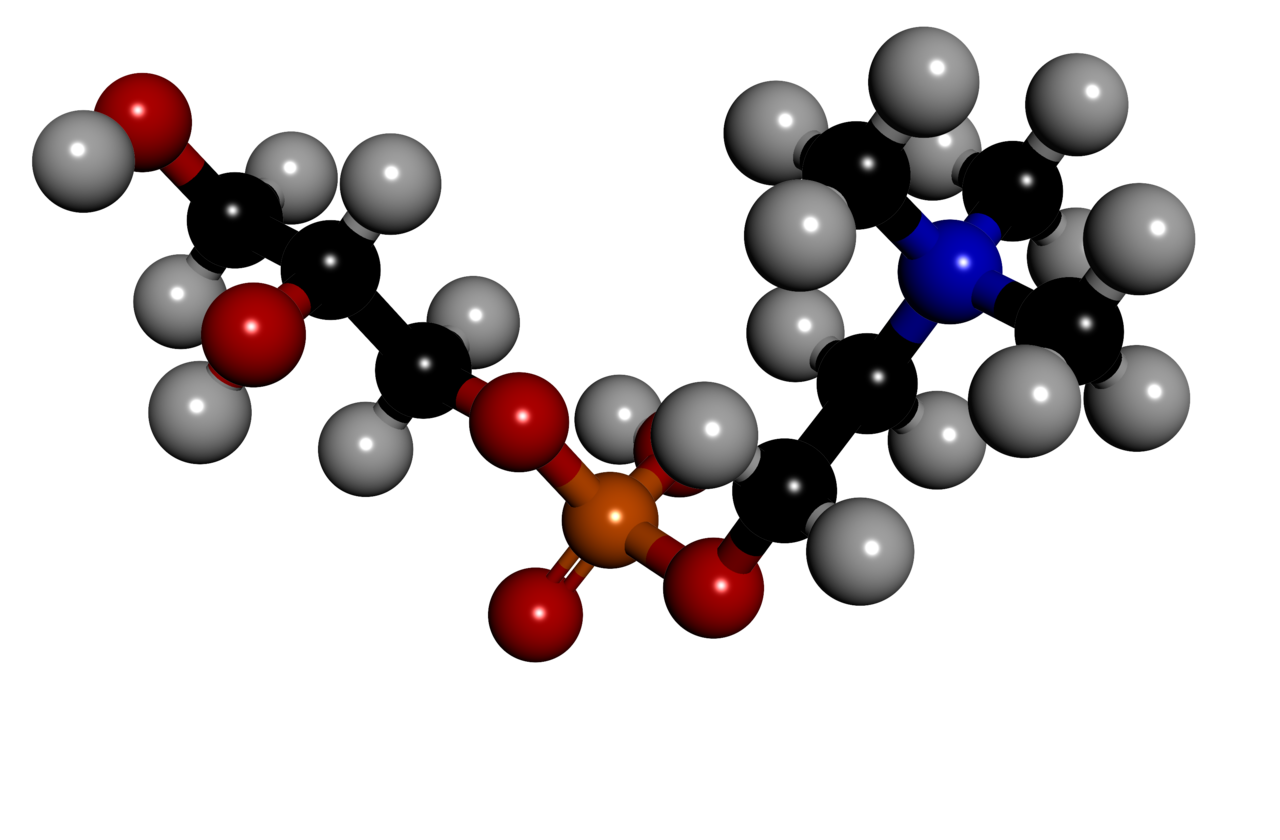
Phosphatidylserine is a phospholipid that forms a key structural component of neuronal cell membranes. As we age, membrane phospholipid levels decline, which may impair neurotransmitter release and receptor function. Supplementation at 100–300 mg daily has been shown to help support neurological function and stress response*. The Mayo Clinic notes that phosphatidylserine has shown "some promise" in studies of age-related cognitive decline, though it cautions more research is needed.
What makes phosphatidylserine particularly relevant for adults over 40 is that it addresses the structural side of cognitive decline rather than just neurotransmitter levels. Think of it as repairing the wiring, not just turning up the signal — a distinction that matters because many nootropics focus exclusively on neurochemistry while ignoring the physical infrastructure.
4. L-Theanine — Fast-Acting Focus and Calm Alertness
L-theanine is unique among memory supplements because it works quickly — promoting alpha brain wave activity associated with calm, focused attention within 30–60 minutes. A widely cited 2008 study in Nutritional Neuroscience found that combined L-theanine and caffeine improved speed and accuracy of attention tasks compared with either substance alone*. While it's more of a focus enhancer than a direct memory booster, improved attention during encoding is one of the most reliable ways to improve subsequent recall. As Healthline's evidence review puts it, L-theanine may help you "focus more on the information at hand," which makes it an indirect but powerful memory support tool*.
The effective dose is 100–200 mg, often paired with 50–100 mg of caffeine for synergistic effects. This is the one cognitive enhancer you can actually feel working in under an hour — a rarity in a category where patience is usually required.
5. Rhodiola Rosea — Protecting Memory Under Stress
Chronic stress is one of the most significant yet overlooked enemies of memory. Elevated cortisol impairs hippocampal function, disrupting both memory formation and retrieval. Rhodiola rosea acts on the HPA axis to regulate cortisol and adrenaline while increasing serotonin and dopamine availability. A 2016 review published in Phytomedicine found that rhodiola produced "significant reduction in mental fatigue" and "improved associative thinking, short-term memory, and calculation" across multiple trials*.
The effective dose is 200–600 mg daily, standardised to 3% rosavins and 1% salidroside. If your memory struggles correlate with high-stress periods — deadlines, poor sleep, juggling too many responsibilities — rhodiola deserves serious consideration as an adaptogenic cognitive enhancer rather than a direct nootropic.
6. B-Vitamins — The Foundation Layer for Brain Health
B-vitamins are not glamorous, but they're essential for brain function. Vitamin B5 (pantothenic acid) supports acetylcholine synthesis, and one study found that cerebral B5 deficiency may be a "potentially-reversible cause of neurodegeneration." Vitamin B12 is critical for myelin sheath synthesis — the insulating layer around nerve fibres that determines signal speed. A 2008 study in Neurology demonstrated that low B12 levels are "strongly associated with accelerated brain volume loss and cognitive decline in older adults"*. Vitamin B6 also plays a role in homocysteine metabolism and neurotransmitter synthesis.
If you're over 40 or follow a plant-based diet, B-vitamin status is worth checking with your GP. Deficiency in this group is surprisingly common and easily correctable — making it one of the lowest-hanging fruits for anyone concerned about cognitive decline.

What to Look for When Choosing Brain Health Supplements
Knowing which ingredients work is only half the battle. The UK supplement market is flooded with products that include evidence-based cognitive enhancers at sub-clinical doses — a practice sometimes called "fairy dusting." Here is what separates effective nootropic formulations from marketing exercises:
- Transparent labelling — avoid proprietary blends that hide individual ingredient quantities. You should know exactly how much of each active ingredient you're getting per serving.
- Clinical dosing — compare the dose on the label against the dose used in clinical studies (see our table above). If a product contains 50 mg of bacopa monnieri when studies use 300–600 mg, it's unlikely to deliver meaningful results.
- Standardised extracts — for herbal ingredients, standardisation ensures consistent active compound levels. Look for bacopa standardised to bacosides, rhodiola standardised to rosavins.
- Multi-pathway formulas — since memory involves acetylcholine, membrane health, stress regulation, and neuroprotection, a well-designed formula should address more than one mechanism.
- Bioavailability enhancers — ingredients like piperine (black pepper extract) can significantly improve absorption of certain compounds.
Where Noobru Fits in This Picture
Full disclosure: this is a Noobru blog, so we'll briefly note where our formulation sits against the criteria above — then move on. Noobru Advantage includes phosphatidylserine (50 mg), huperzine A (200 mcg), L-theanine (200 mg — the full clinical dose), Alpha GPC, and vitamin B5 (30 mg). Every ingredient dose is listed on the label. It's a drinkable sachet, which sidesteps the large-capsule problem and may support faster absorption. You can read our full ingredient philosophy from our editorial team.
Is it the only option? Of course not. The ranking criteria above apply to any brand. Use them.
Lifestyle Factors That Amplify Memory Supplement Benefits
No nootropic can compensate for poor sleep, chronic stress, or a sedentary lifestyle. Supplements are a layer of support — not a replacement for fundamentals. To get the most from any brain function supplement, ensure these foundations are in place:
- Sleep 7–9 hours — memory consolidation happens primarily during deep sleep. Without adequate rest, even the best supplement won't reach its potential.
- Exercise regularly — aerobic exercise increases BDNF (brain-derived neurotrophic factor), which supports neuroplasticity and memory formation. Even 30 minutes of brisk walking makes a measurable difference.
- Manage stress proactively — chronic cortisol elevation directly impairs hippocampal function. Adaptogenic herbs like rhodiola may help, but so do meditation, breathwork, and setting boundaries.
- Stay mentally active — novelty and challenge stimulate new neural connections. Learn a language, play a musical instrument, or simply vary your daily routines.
- Eat omega-3 fatty acids — oily fish, walnuts, and flaxseeds provide DHA, a critical structural component of brain cell membranes that works synergistically with phosphatidylserine.
Frequently Asked Questions About Memory Supplements
Do memory supplements actually work?
Some nootropic ingredients have solid clinical evidence for supporting memory in healthy adults — particularly phosphatidylserine, citicoline, and bacopa monnieri. However, results vary by ingredient quality, dosage, and individual factors. No supplement can replace a healthy diet, sleep, and exercise.
How long do memory supplements take to work?
It depends on the ingredient. Citicoline may show effects on attention within 4 weeks, while bacopa monnieri typically requires 8–12 weeks of consistent use before measurable improvements in memory recall appear. L-theanine, by contrast, can improve focused attention within 30–60 minutes.
Are memory supplements safe to take every day?
Most well-studied nootropic ingredients like L-theanine, phosphatidylserine, and B-vitamins have strong safety profiles at recommended doses. However, you should always consult your GP before starting any supplement, especially if you take medication or have an existing health condition.
What is the best memory supplement ingredient for over-40s?
Phosphatidylserine and citicoline are particularly well-studied for age-related cognitive concerns. Both support neuronal membrane health, which naturally declines with age. A formula combining several evidence-based cognitive enhancers may offer broader support than any single compound.
Can I take memory supplements alongside caffeine?
Yes — in fact, L-theanine combined with caffeine is one of the most well-studied nootropic pairings. Research shows L-theanine may help smooth out caffeine's jittery effects while preserving its focus-enhancing benefits*. Many brain health supplements deliberately include both.
Key Takeaways
- Not all memory supplements are equal — citicoline, bacopa monnieri, and phosphatidylserine have the strongest human clinical evidence for supporting recall and brain function*.
- Dose matters more than ingredient count — a product with three well-dosed nootropics will outperform one with twenty under-dosed compounds.
- Give it time — most evidence-based memory ingredients require 4–12 weeks of consistent daily use before effects become apparent.
- Address the stress-memory connection — rhodiola rosea may help protect memory by regulating cortisol and reducing mental fatigue*.
- Supplements work best alongside good lifestyle habits — sleep, exercise, omega-3 intake, and mental stimulation are force multipliers for any cognitive enhancer regimen.
- Transparency is non-negotiable — always choose products that list every ingredient dose openly and avoid proprietary blends.
Looking for a transparent, evidence-informed approach to memory support? Explore the full Noobru range — every ingredient dose listed, no proprietary blends, no guesswork. Backed by a 90-day money-back guarantee.
References
- McGlade E, et al. (2012). Improved attentional performance following citicoline administration. Food and Nutrition Sciences.
- Kongkeaw C, et al. (2014). Meta-analysis of randomised controlled trials on cognitive effects of Bacopa monnieri extract. Journal of Ethnopharmacology.
- Mayo Clinic. Phosphatidylserine — Drugs & Supplements overview.
- Anghelescu I-G, et al. (2018). Stress management and the role of Rhodiola rosea: a review. International Journal of Psychiatry in Clinical Practice.
- Vogiatzoglou A, et al. (2008). Vitamin B12 status and rate of brain volume loss in community-dwelling elderly. Neurology.
- Examine.com. Bacopa monnieri — Research Summary.
- Healthline. L-Theanine — Benefits, Side Effects, Dosage, and Interactions.
- Rubin BR, et al. (2019). Cerebral deficiency of vitamin B5 (d-pantothenic acid) as a potentially-reversible cause of neurodegeneration. Biochemical and Biophysical Research Communications.
- Homocysteine, B Vitamins, and Cognitive Impairment. Annual Review of Nutrition.
- Piperine, the potential functional food for mood and cognitive disorders. Food and Chemical Toxicology.
*These statements have not been evaluated by the Food and Drug Administration or MHRA. This product is not intended to diagnose, treat, cure, or prevent any disease. Always consult your healthcare provider before starting any supplement regimen.


Leave a comment
All comments are moderated before being published.
This site is protected by hCaptcha and the hCaptcha Privacy Policy and Terms of Service apply.