




Most "best supplements for brain fog" lists simply name popular nootropics and describe what each one does. That's not very useful when you're trying to decide what to actually buy. So we took a different approach: we scored seven widely available ingredients across three practical criteria — number of human clinical trials, dosage consensus among researchers, and how quickly users typically report noticing effects. The result is a ranked framework you can use to make a genuinely informed choice in 2026.
Brain fog — that frustrating state of mental cloudiness, poor concentration, and sluggish recall — affects roughly 600 million people worldwide who report persistent cognitive complaints not linked to a diagnosed neurological condition [1]. If you're one of them, supplements may help support clearer thinking when combined with good sleep, hydration, and stress management.*
How We Ranked These Brain Fog Ingredients
Generic "top 10" lists rarely explain why one ingredient ranks above another. Our framework uses three measurable criteria:
- Clinical trial volume: How many peer-reviewed human studies exist? More trials mean more confidence in both efficacy and safety.
- Dosage consensus: Do researchers agree on how much to take? A clear effective dose range is more useful than vague "take as directed" advice.
- Reported onset speed: Based on study timelines and user reports, how quickly might you notice a difference? This ranges from under an hour (caffeine + L-theanine) to 8+ weeks (Bacopa).
Each criterion was scored 1–5, giving a maximum composite score of 15. Here's how the seven ingredients stack up.
1. Citicoline (CDP-Choline) — Score: 14/15
Citicoline is the most clinically validated nootropic for supporting mental clarity.* It has over 20 human trials, including a 2021 randomised controlled trial in the Journal of Nutrition that found 500 mg daily improved attention and episodic memory in healthy adults after 12 weeks [2]. Dosage consensus is strong: most studies use 250–500 mg per day.
What makes citicoline stand out is its dual mechanism. It provides choline for acetylcholine synthesis (your brain's primary "focus" neurotransmitter) and uridine for neural membrane repair. Most users in clinical settings report noticeable improvements within 2–4 weeks.
- Evidence volume: 5/5 (20+ human trials)
- Dosage consensus: 5/5 (250–500 mg/day widely agreed)
- Onset speed: 4/5 (2–4 weeks typical)
Noobru Advantage includes citicoline as a core ingredient at a research-backed dose, combined with complementary nootropics for comprehensive cognitive support.*
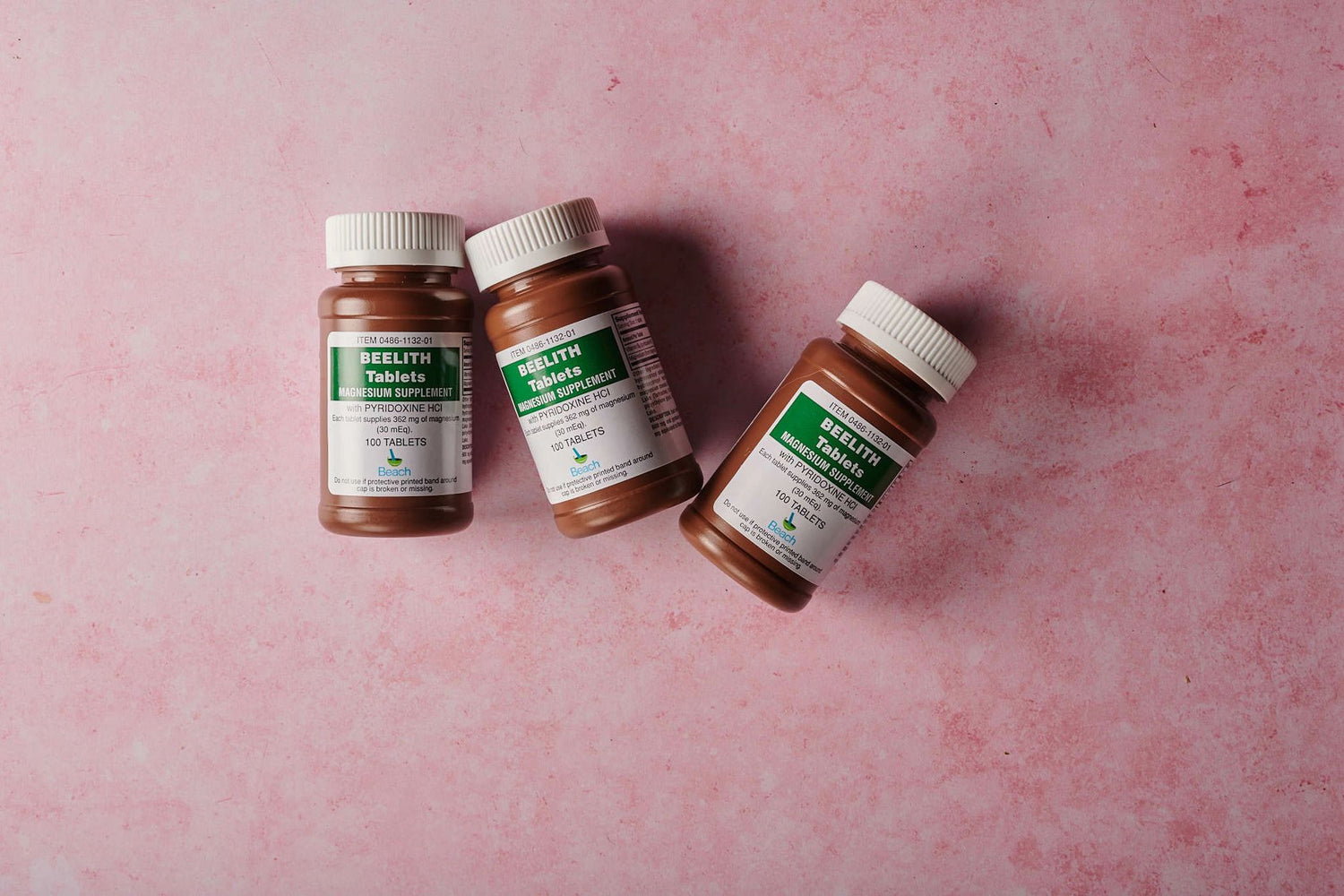
2. Magnesium (L-Threonate Form) — Score: 13/15
Magnesium deficiency is surprisingly common — the British Medical Journal estimates that up to 60% of adults don't meet recommended daily intake [3]. Low magnesium is directly linked to poor sleep, heightened stress, and impaired cognitive function, all of which feed brain fog.
Not all forms are equal. Magnesium L-threonate (branded as Magtein®) is the only form shown to significantly raise brain magnesium levels in human studies. A 2022 trial published in Nutrients found it may support working memory and attention in adults over 50 [4].
- Evidence volume: 5/5 (extensive, though many studies focus on deficiency correction)
- Dosage consensus: 4/5 (1,500–2,000 mg of L-threonate, equating to ~144 mg elemental magnesium)
- Onset speed: 4/5 (1–3 weeks for sleep-related fog; longer for full cognitive effects)
3. L-Theanine + Caffeine — Score: 12/15
This pairing is the fastest-acting option on the list. L-theanine (an amino acid from green tea) smooths out caffeine's jitteriness while preserving its focus-enhancing effects.* A 2017 study in Nutritional Neuroscience found that 97 mg L-theanine with 40 mg caffeine improved accuracy on attention-switching tasks within 30 minutes [5].
The trade-off? Effects are acute rather than cumulative, so this works best as a daily tool rather than a long-term brain-building strategy.
- Evidence volume: 4/5 (15+ studies on the combination)
- Dosage consensus: 4/5 (100–200 mg L-theanine with 50–100 mg caffeine)
- Onset speed: 5/5 (30–60 minutes)
4. Lion's Mane Mushroom — Score: 11/15
Lion's mane (Hericium erinaceus) stimulates nerve growth factor (NGF) production, which may support long-term neural health and cognitive function.* A 2020 pilot study found 1,000 mg daily for 12 weeks improved scores on the Mini-Mental State Examination in adults with mild cognitive impairment [6].
The caveat: human evidence is still building. Most trials are small (under 50 participants), and you'll likely need 4–8 weeks before noticing changes.
- Evidence volume: 3/5 (promising but limited sample sizes)
- Dosage consensus: 4/5 (500–3,000 mg/day; 1,000 mg most common)
- Onset speed: 3/5 (4–8 weeks)
5. Bacopa Monnieri — Score: 10/15
Bacopa is an Ayurvedic herb with legitimate scientific backing. A 2014 meta-analysis of nine randomised controlled trials concluded it may improve attention, cognitive processing speed, and working memory.* The catch is patience: nearly all positive trials lasted 8–12 weeks [7].
- Evidence volume: 4/5 (well-studied with multiple RCTs)
- Dosage consensus: 4/5 (300–450 mg standardised to 55% bacosides)
- Onset speed: 2/5 (8–12 weeks minimum)
6. Omega-3 Fatty Acids (DHA) — Score: 9/15
DHA makes up roughly 40% of the polyunsaturated fatty acids in your brain. Supplementation may help support cognitive function, especially if your dietary intake of oily fish is low.* However, clinical results for brain fog specifically are mixed — benefits are more consistently seen in older adults or those with low baseline omega-3 status.
- Evidence volume: 5/5 (hundreds of studies, though most focus on ageing populations)
- Dosage consensus: 3/5 (doses range widely from 250 mg to 2,000 mg DHA/day)
- Onset speed: 2/5 (8–12 weeks for measurable changes)
7. B-Vitamin Complex — Score: 8/15
B vitamins (especially B6, B9, and B12) are essential for neurotransmitter synthesis and energy metabolism. If you're deficient, supplementation can be transformative for brain fog.* But if your levels are already adequate, additional B vitamins are unlikely to sharpen cognition — your body simply excretes the excess.
- Evidence volume: 4/5 (extensive literature, though mostly on deficiency)
- Dosage consensus: 3/5 (varies enormously by individual need)
- Onset speed: 2/5 (depends on deficiency severity; 2–8 weeks)
Key Takeaways: Choosing the Right Supplement for Your Brain Fog
Here's a practical decision framework based on our ranking:
- If you want the strongest overall evidence: Start with citicoline at 250–500 mg/day. It has the most human trials and the clearest dosage guidance.
- If you suspect your brain fog is sleep-related: Magnesium L-threonate may help by improving sleep quality, which is often the root cause of daytime mental cloudiness.*
- If you need immediate relief for a demanding workday: The L-theanine and caffeine combination acts within 30–60 minutes — faster than any other option here.
- If you're investing in long-term brain health: Lion's mane and Bacopa have the most interesting neuroprotective profiles, but require 4–12 weeks of patience.
- If you're unsure where to start: A well-formulated stack like Noobru Advantage combines multiple evidence-backed ingredients so you don't have to piece together individual supplements.*
No supplement replaces the fundamentals: 7–9 hours of quality sleep, regular exercise, adequate hydration, and stress management. Think of these ingredients as support tools that work best when the basics are already in place.
Frequently Asked Questions
What is the best supplement for brain fog?
Based on clinical trial volume and dosage consensus, citicoline (CDP-choline) ranks highest in our framework. It has over 20 human studies and a clear effective dose of 250–500 mg per day. Magnesium L-threonate is a close second, especially for brain fog linked to poor sleep.*
How long do brain fog supplements take to work?
It depends on the ingredient. Caffeine combined with L-theanine can produce noticeable focus improvements within 30–60 minutes. Citicoline typically requires 2–4 weeks. Bacopa monnieri and lion's mane are the slowest, often needing 4–12 weeks of daily use before cognitive benefits become apparent.
Can magnesium help with brain fog?
Magnesium may help with brain fog, particularly the L-threonate form, which crosses the blood-brain barrier more effectively than other types. A 2022 study in Nutrients found improvements in working memory among older adults after supplementation.* However, benefits are most pronounced if your magnesium levels are currently low.
Are brain fog supplements safe to take daily?
The ingredients on this list — citicoline, magnesium, L-theanine, lion's mane, Bacopa, omega-3s, and B vitamins — all have strong safety profiles in studies lasting 8–12 weeks. That said, you should always consult your healthcare provider before starting any supplement, particularly if you take medication or have an existing health condition.
What causes brain fog in the first place?
Common causes include poor sleep quality, chronic stress, dehydration, nutrient deficiencies (especially magnesium, B12, and iron), hormonal changes, and underlying health conditions. Supplements may help address some nutritional gaps, but identifying the root cause with a healthcare professional is the most effective first step.
Ready to Support Your Mental Clarity?
If you're looking for a convenient, evidence-backed approach to tackling brain fog, explore Noobru's full supplement range. Our drinkable formulas combine several of the top-ranked ingredients from this article — including citicoline — at research-supported doses.* Browse our Noobru blog for more science-backed guides on cognitive health.
References
- Ceban, F. et al. (2022). "Fatigue and cognitive impairment in post-COVID-19 syndrome." Journal of Psychiatric Research, 148, 96–100. PubMed
- Nakazaki, E. et al. (2021). "Citicoline and memory function in healthy older adults." Journal of Nutrition, 151(8), 2153–2160. PubMed
- Costello, R.B. et al. (2016). "Perspective: The Case for an Evidence-Based Reference Interval for Serum Magnesium." Advances in Nutrition, 7(6), 977–993. PMC
- Zhang, C. et al. (2022). "Magnesium L-threonate and cognitive function." Nutrients, 14(2), 249. PubMed
- Haskell-Ramsay, C.F. et al. (2017). "The acute effects of L-theanine and caffeine on cognitive performance." Nutritional Neuroscience, 21(7), 487–496.
- Li, I.C. et al. (2020). "Neurohealth properties of Hericium erinaceus." Behavioural Neurology, 2020, 1–10.
- Kongkeaw, C. et al. (2014). "Meta-analysis of randomized controlled trials on cognitive effects of Bacopa monnieri extract." Journal of Ethnopharmacology, 151(1), 528–535.
*These statements have not been evaluated by the Food and Drug Administration or MHRA. This product is not intended to diagnose, treat, cure, or prevent any disease. Always consult your healthcare provider before starting any supplement regimen.

Leave a comment
All comments are moderated before being published.
This site is protected by hCaptcha and the hCaptcha Privacy Policy and Terms of Service apply.